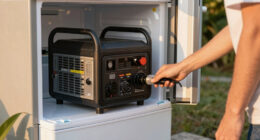
Before spring storms, make a habit of topping off your batteries about 30 minutes beforehand. Fully charging or maintaining a 50-80% level guarantees you have enough backup power during outages. Use weather alerts to time your top-off routine and prevent energy shortages. Properly prepared batteries extend their lifespan and boost your storm readiness. Keep in mind these smart tips, and you’ll be better equipped when bad weather hits—learn more about optimizing your battery system next.
Key Takeaways
- Topping off batteries 30 minutes before storms maximizes stored energy for outages.
- Maintaining a 50-80% charge buffer enhances backup power reliability during severe weather.
- Manual topping off ensures batteries are fully charged before storm-related grid disruptions.
- Regularly monitoring battery levels prevents depletion and extends battery lifespan during storm season.
- Using weather alerts helps schedule timely battery top-offs for optimal storm preparedness.

ECO-WORTHY (Cubix 100) 48V 600Ah Server Rack Battery LiFePO4 w/Bluetooth | 6 Pack 30.72kWh Solar Battery Kit for Home Backup | UL1973 & UL9540A & CEC Listed (Get Free 6-Layer Rack with 600A Busbar)
UL1973 | UL9540A | CEC LISTED – Completed comprehensive testing by Intertek and has officially earned two key…
As an affiliate, we earn on qualifying purchases.
As an affiliate, we earn on qualifying purchases.
Understanding the Importance of Battery Top-Off Before Storms

Getting your batteries fully charged before a storm hits is essential because it guarantees you have enough stored energy to keep your home running during outages. When bad weather approaches, a moderate state of charge, ideally between 50-80%, provides a reliable buffer. Fully charged batteries resist power failures better, ensuring your systems stay operational longer. Manually topping off your batteries about 30 minutes before severe weather allows you to maximize stored energy just before grid uncertainty increases. This proactive step helps prevent energy depletion during outages, giving you peace of mind. By maintaining a healthy charge level, you reduce the risk of battery strain and extend the lifespan of your backup power system during critical moments. Incorporating battery monitoring systems can help you track and optimize your energy reserves more effectively, especially in compact living environments where space and resources are limited. Regularly checking your battery health ensures your system remains reliable when you need it most. Additionally, understanding the state of charge helps you make informed decisions about managing your backup power efficiently. For example, understanding the full charge capacity of your batteries can help you better plan your top-off routine. Prioritize this habit to stay prepared and resilient through spring storms.
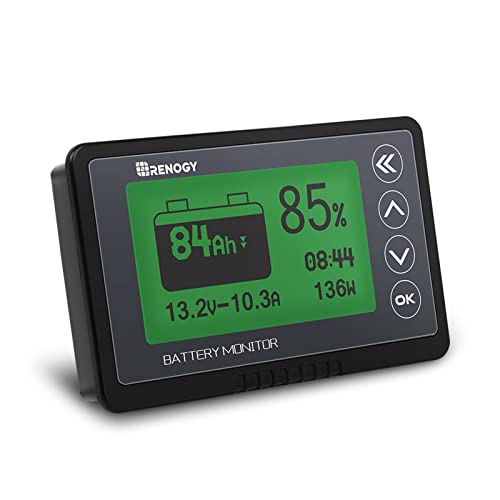
Renogy 500A Battery Monitor with Shunt, High and Low Voltage Programmable Alarm, Range 10V-120V up to 500A, 20ft Shielded Cable, Compatible 12V Lithium Sealed, Gel, Flooded Batteries,Black
1% Accuracy Measurement: Shunt-type battery monitor design provides much more accurate real-time voltage and current draw measurement.
As an affiliate, we earn on qualifying purchases.
As an affiliate, we earn on qualifying purchases.
Optimal Timing and Techniques for a 30-Minute Top-Off
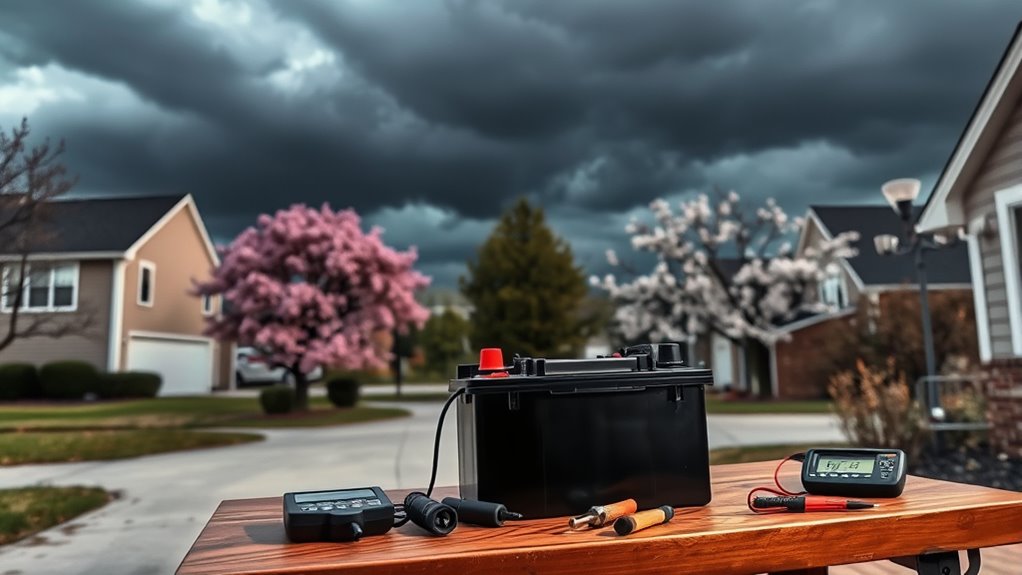
Timing your battery top-off precisely 30 minutes before a storm guarantees you maximize stored energy when it’s most needed. Check the weather forecast or storm alerts early in the day to identify the ideal window. Use your app or manual controls to initiate the top-off, aiming to bring your batteries to a 50-80% state of charge. Avoid overcharging; a moderate level ensures batteries aren’t stressed but are ready for use. Keep your devices connected and monitor the energy levels during the process. If possible, perform the top-off during daylight hours when solar recharge is active. This ensures your system is fully prepared without risking unnecessary discharge or inefficiency. Timing is key to having a reliable power reserve when the storm hits. Additionally, understanding European cloud innovation can help optimize your energy management strategies for sustainable and secure solutions. Being aware of battery capacity management techniques can further enhance your readiness and prevent potential system failures during critical times. Incorporating advanced energy storage methods can also improve the efficiency and longevity of your backup power system. Moreover, staying informed about renewable energy integration strategies can provide additional resilience during unpredictable weather events. Developing a comprehensive energy management plan tailored to your local climate can further ensure your system operates optimally during emergencies.

Weize Deep Cycle AGM 12 Volt 100Ah Battery, Maintenance-Free, 3% Self-Discharge Rate, 1150A Max Discharge Current, Perfect for RV, Solar, Trolling Motor, Wind, Marine, Camping and Off-Grid System
MAINTENANCE FREE: 12.99x 6.73x 8.43 inches. Weize 12v 100Ah sealed lead acid battery is manufactured with absorbent glass…
As an affiliate, we earn on qualifying purchases.
As an affiliate, we earn on qualifying purchases.
Preparing Your Home and Devices for Power Outages
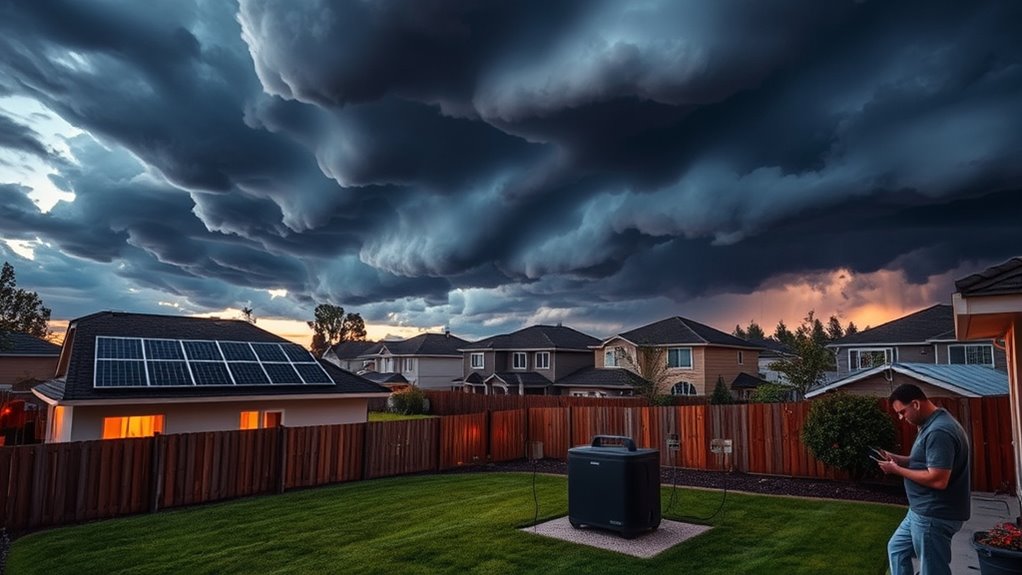
Preparing your home and devices for power outages requires proactive steps to guarantee safety and continuity. Start by securing essential supplies, like bottled water, non-perishable food, and batteries. Develop an emergency kit with flashlights, a battery-powered radio, and first aid supplies. Trim trees near your home to prevent damage during storms. Ascertain your backup devices, including Powerwalls and solar systems, are fully charged and functioning properly. Test your generator, if you have one, and verify fuel levels. Unplug sensitive electronics to avoid power surges. Set your devices to battery-saving modes and turn off non-essential appliances. Keep your mobile devices charged and store portable chargers. Regularly review your emergency plan so everyone knows their role when a power outage occurs. Confirm your whole-home backup power system is properly maintained and ready to activate when needed. Additionally, inspecting your natural pool filtration systems can help ensure water quality remains stable during outages. Staying informed through emergency communication plan can also help keep everyone connected during unexpected outages. Incorporating outdoor preparedness strategies can further enhance your safety during severe weather events. Knowing the location of your backup power sources can help you quickly activate them when necessary.

Portable Power Station with AC Outlet Power Bank for Camping Essentials Small Electric Mini Generator Large Lithium Battery Plug in Output 60W Type-C Laptop Home Backup Outdoor Emergency 99.9Wh, Black
【99.9Wh High-Capacity Battery】With an impressive 99.9Wh battery capacity, our Tenlike portable power station ensures that you can keep…
As an affiliate, we earn on qualifying purchases.
As an affiliate, we earn on qualifying purchases.
Monitoring and Managing Your Powerwall and Solar Systems
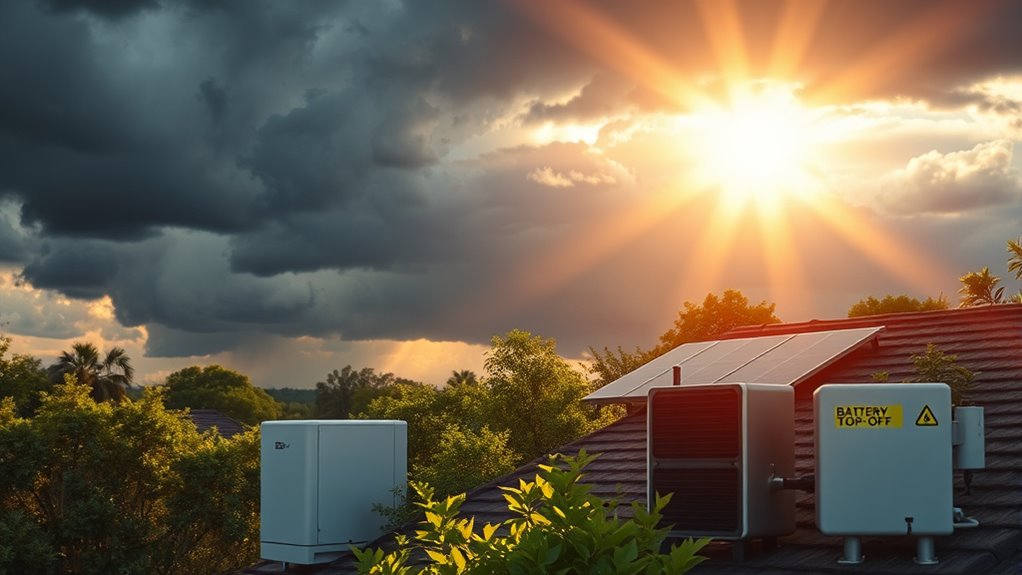
Monitoring and managing your Powerwall and solar systems effectively guarantees you have reliable backup power when storms strike. Regularly check your system’s state of charge (SoC) to make sure batteries are between 50-80%, ideal for storm resilience. Use your app to manually increase backup reserves before severe weather, especially if storm watch mode isn’t active. Keep an eye on real-time alerts for grid disruptions or weather warnings, and sign up for notifications. Confirm your solar panels are functioning properly, and verify that your Powerwall is recharging hourly from solar if the sun’s shining. Track battery health and performance daily, adjusting settings as needed. Staying proactive helps prevent surprises and guarantees your system is prepared to sustain your home during outages. Incorporate cost‑of‑ownership math into your planning to ensure your system remains efficient and reliable over time. Additionally, understanding your system’s performance metrics can help you optimize its operation and longevity. Regular maintenance and system diagnostics are essential for early detection of potential issues, which can extend the lifespan of your equipment. To further improve reliability, consider implementing preventive maintenance routines based on your system’s usage patterns.
Building a Resilient Emergency Plan With Battery Readiness
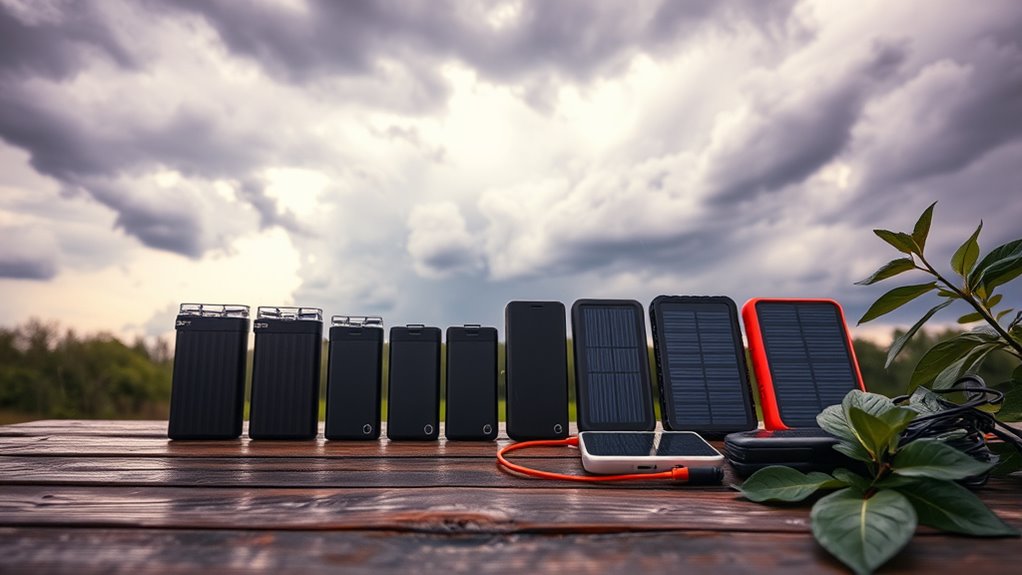
Building a resilient emergency plan starts with guaranteeing your batteries are always ready to provide backup power when storms hit. You need to regularly top off your batteries, ideally 30 minutes before bad weather, to maximize stored energy. Maintain a moderate state of charge, between 50-80%, to prevent battery strain and ensure quick response. Use your app to manually boost backup reserves before outages. Establish a clear plan that includes monitoring weather alerts, pre-storm charging routines, and stocking extra batteries. Regularly monitoring weather alerts helps you stay ahead of severe conditions, ensuring your preparations are timely and effective. Staying aware of battery maintenance tips can extend the lifespan of your backup power sources and improve reliability. Proper battery storage practices are essential to prevent degradation and ensure your batteries perform when needed. Familiarizing yourself with load calculations can help you optimize how much backup power you utilize during outages. Additionally, understanding wave and wind patterns can help you anticipate the severity of storms and plan accordingly. Here’s a snapshot of key practices:
| Preparation Step | Benefit |
|---|---|
| Top off batteries before storms | Maximize backup energy, prevent outages |
| Monitor weather alerts | Stay informed, act proactively |
| Charge devices early | Ensure readiness for extended outages |
| Stock extra batteries | Avoid shortages during emergencies |
| Reduce energy use | Conserve power for critical needs |
Frequently Asked Questions
How Often Should I Check My Battery Levels During Storm Season?
You should check your battery levels at least daily during storm season, especially if bad weather is forecasted. Keep a close eye on the state of charge, aiming for 50-80%. Use your app and monitor weather alerts regularly. If you notice a drop in charge or an approaching storm, manually top off batteries to guarantee maximum backup energy. Consistent checks help you stay prepared and avoid surprises during outages.
Can I Automate the 30-Minute Top-Off Process?
Yes, you can automate the 30-minute top-off process. Many systems, like Tesla Powerwall, offer scheduling and automatic recharge features through their apps. Set your system to initiate a top-off period before expected storms or bad weather. This way, your batteries will be prepared without you needing to manually intervene, ensuring your home remains powered and protected during outages. Just make sure to keep your system updated and monitor alerts.
What Are Signs My Batteries Are Overcharged or Undercharged?
You’ll notice overcharged batteries might feel warm or hot, and their voltage levels could be higher than normal, risking damage. Undercharged batteries often appear dimmer, may struggle to power devices, and show low voltage readings. Keep an eye on your battery monitoring system; it alerts you to abnormal charge levels. Regularly checking these signs helps prevent damage and guarantees your batteries stay in ideal condition for storm readiness.
How Does Weather Affect Solar Recharge Efficiency Before Storms?
Imagine your solar panels are like a sponge soaking up rain; weather conditions directly impact recharge efficiency. Cloudy, rainy days reduce sunlight, lowering energy intake, while clear skies maximize it. During storms, heavy clouds can cut solar output by 50% or more, delaying recharge. To stay prepared, top off your batteries before storms when sunlight is abundant, ensuring your system’s stored energy remains reliable during bad weather.
Is There a Recommended Backup Plan if Powerwall Fails?
If Powerwall fails, you should have a backup plan in place. Keep a generator ready and fueled for emergency power. Store extra batteries and portable chargers to keep essential devices running. Maintain an emergency kit with food, water, and supplies. Stay informed with weather alerts and have a plan for safe shelter. Regularly test backup systems to guarantee they work when needed, so you’re prepared for any outage.
Conclusion
By taking just 30 minutes to top off your batteries before a storm, you’re planting a powerful seed of resilience. Think of it as fueling your home’s shield, turning a fragile glass into a sturdy fortress. When the skies darken, your preparedness becomes a lighthouse guiding you safely through the storm. Don’t wait for the thunder to remind you—act now, and let your battery readiness be the steady heartbeat that keeps your home alive and thriving.