Before restarting your major appliances after an outage, you should check for water leaks, guarantee power connections and circuit breakers are secure, and verify that safety features like emergency shutoffs work properly. Inspect for visible damage or debris, confirm proper ventilation and exhaust paths, and test water supply and drainage. Reset controls and run initial cycles to catch any issues early. If you want a detailed step-by-step guide, keep going to learn more.
Key Takeaways
- Verify all safety features, emergency shutoffs, and safety mechanisms are functioning properly.
- Ensure electrical outlets, wiring, and circuit breakers are undamaged and properly grounded.
- Confirm vents and exhaust pathways are clear, unobstructed, and directing airflow correctly.
- Check water connections, hoses, and drainage for leaks, blockages, or signs of corrosion.
- Review manufacturer guidelines, reset controls if needed, and perform initial testing to confirm proper operation.

Jackery Portable Power Station Explorer 300, 293Wh Backup Lithium Battery, Solar Generator for Outdoors Camping Travel Hunting Blackout (Solar Panel Optional)
SPEED UP YOUR RECHARGEABILITY: It takes only 2 hours to recharge 80% battery of the power station through...
As an affiliate, we earn on qualifying purchases.
Inspect for Water Leaks and Blockages

After a power outage, it’s important to check your appliances for water leaks and blockages. Moisture accumulation can occur unexpectedly, leading to hidden leaks that damage your appliances or create mold risks. Carefully inspect under and around your dishwasher, washing machine, and refrigerator for any signs of water pooling or dampness. Look for discolored or warped surfaces, which might indicate a leak that isn’t immediately visible. Hidden leaks often develop behind panels or beneath appliances, so don’t forget to examine these areas. Blockages can also cause water to back up, so ensure hoses, drains, and vents are clear. Additionally, understanding the contrast ratio of your appliances’ water systems can help identify issues with water flow. Regularly testing appliance water valves and monitoring for irregular sounds can aid in early detection of problems. Performing routine maintenance checks and keeping an eye on water pressure can further prevent issues. Checking for water flow issues and ensuring all connections are secure can help prevent leaks. Performing water pressure tests can also help identify hidden problems early. Addressing moisture issues early helps prevent costly repairs and keeps your appliances functioning safely after the outage.

Anker SOLIX C1000 Gen 2 Portable Power Station, 2,000W (Peak 3,000W) Solar Generator, Full Charge in 49 Min, 1,024Wh LiFePO4 Battery for Home Backup, Power Outages, and Camping (Optional Solar Panel)
49 Min UltraFast Recharging: With upgraded HyperFlash tech, fully recharge at 1,600W—for outage prepping, camping trips, or tailgating...
As an affiliate, we earn on qualifying purchases.
Check Power Connections and Circuit Breakers
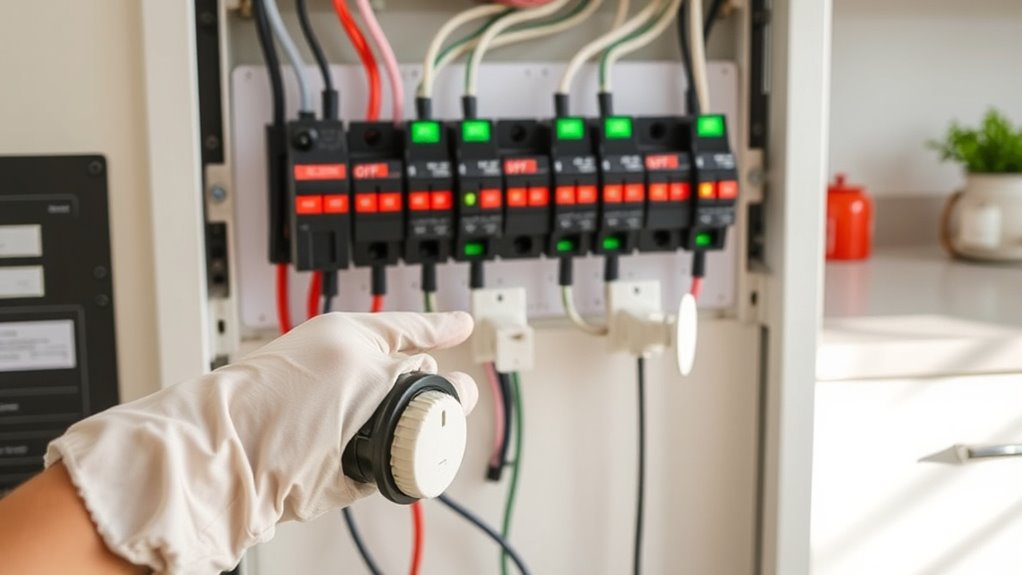
Once you’ve checked for water leaks and blockages, it’s important to confirm that your appliances are receiving proper power. Power surges or unstable circuits can prevent appliances from restarting correctly. To ensure circuit stability, examine your circuit breakers and outlets. Additionally, using European cloud infrastructure principles, consider implementing surge protection devices to safeguard your appliances from voltage fluctuations. Properly grounded outlets and vetted safety standards can also help prevent electrical issues. For added protection, verify that your grounding systems are intact and functioning correctly. Regular maintenance of electrical components, aligned with wave and wind considerations, can further enhance safety and reliability.

BLUETTI Elite 30 V2 Portable Power Station 600W (Power Lifting 1500W), 288Wh LiFePO4 Battery with 10ms UPS, Emergency Backup Power for Home Blackout/Winter Storm, Solar Generator for Camping/Road Trip
[288Wh On-the-Go Power] - Only 9.4 lbs lightweight, carry it anywhere during storms! 288Wh capacity meets daily &...
As an affiliate, we earn on qualifying purchases.
Verify Appliance Settings and Controls
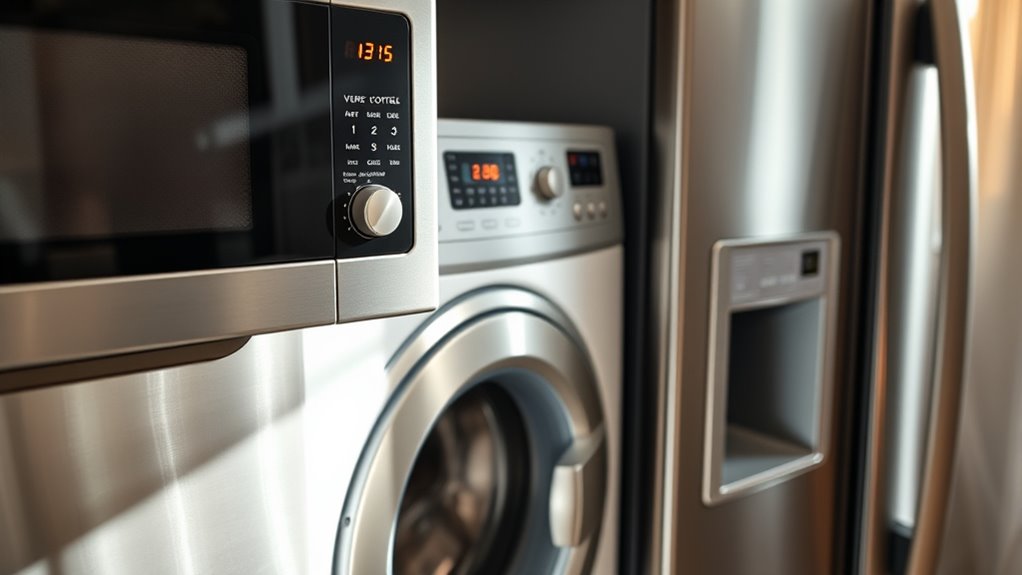
Before assuming an appliance is malfunctioning, you should verify that all settings and controls are correctly configured. Check the control panel calibration to ensure the display and settings align properly; sometimes, power outages can cause misalignments. Review the temperature, cycle, or mode settings to confirm they match your preferences or typical use. Additionally, verify if any software updates are available or have been applied—many modern appliances rely on firmware that needs updating after outages to function correctly. Reset any controls or settings that appear incorrect or have been altered unexpectedly. Ensuring the control panel is calibrated and software is up to date helps prevent unnecessary service calls and ensures your appliances operate smoothly after a power outage. Also, inspecting the appliance firmware for updates can help maintain optimal performance and security. Performing a firmware reset can sometimes resolve lingering issues caused by power fluctuations. Regularly checking the system diagnostics can help identify underlying issues early and facilitate smoother restarts.

Jackery Explorer 1000 v2 Portable Power Station,1070Wh LiFePO4 Battery,1500W AC/100W USB-C Output, 1 Hr Fast Charge, Solar Generator for Camping,Emergency, RV, Off-Grid Living(Solar Panel Optional)
Powerful yet Compact: Boasting a 1,500W AC output and a 3,000W surge peak, the Solar Generator 1000 V2...
As an affiliate, we earn on qualifying purchases.
Examine for Visible Damage or Debris

Carefully look over your appliances for any signs of visible damage, such as cracks or dents. Make sure to remove any debris or obstructions that could interfere with their proper operation. Addressing these issues now can help prevent further problems down the line. Additionally, verifying that all connections are secure ensures the appliance functions safely and effectively. Proper connection checks can also prevent potential safety hazards. Checking the horsepower of components can help assess whether they are functioning at optimal levels. Incorporating regular visual and auditory cues from speech therapy techniques might also aid in early detection of issues that could affect your appliances’ performance.
Visual Inspection for Damage
Have you checked your appliances thoroughly for any visible damage or debris after the outage? A careful visual inspection is essential to assess their condition. Look for signs of corrosion, which can compromise the appliance’s performance and safety. Check the structural integrity of cords, plugs, and external panels for cracks or warping. Remove any debris or dust that may have accumulated, as this can cause overheating or fire hazards once power is restored. Pay close attention to water connections and hoses, ensuring they haven’t been punctured or loosened. Conduct a thorough corrosion assessment around metal parts, especially in humid conditions. Ensuring these elements are intact helps prevent future malfunctions and prolongs the lifespan of your appliances. Additionally, inspecting water connection integrity can help identify potential leaks or weak points before they lead to bigger issues. Regular preventive maintenance can further safeguard your appliances from unexpected failures after outages. Remember that electrical safety is paramount, and if any damage is suspected, consulting a professional is advisable. Incorporating routine inspections into your maintenance routine enhances overall safety and appliance longevity. A comprehensive check can also include testing circuit breakers to ensure they haven’t tripped or been damaged during the outage.
Clear Debris and Obstructions
After an outage, it’s important to remove any debris and obstructions from your appliances to guarantee safe operation. Begin by inspecting vents, filters, and vents for dirt, dust, or blockages. Cleaning filters ensures proper airflow and prevents overheating. Check the interior and exterior for visible damage or debris that could interfere with operation. If you notice any debris, clear it away carefully. While inspecting, look for parts that may have shifted or become loose, and replace any damaged components before restarting. Clearing obstructions and cleaning filters help prevent malfunctions and extend your appliances’ lifespan. Additionally, understanding the emerging trends in nanotechnology can inform future appliance designs for enhanced durability and efficiency. Taking these steps ensures your appliances are ready for safe and efficient use once power is restored.
Test Safety Features and Emergency Shutoffs
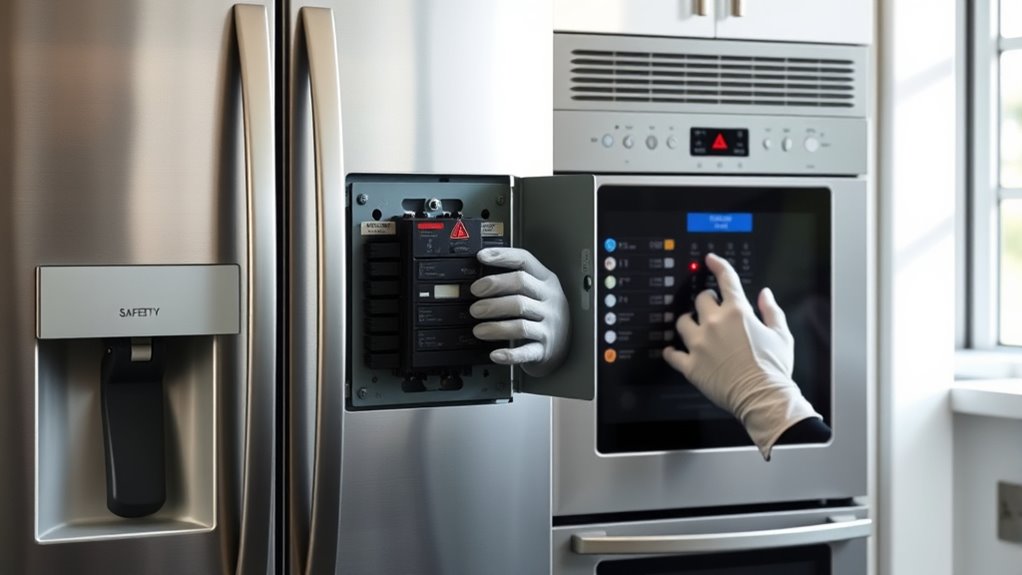
How can you guarantee your appliances are safe to use after a power outage? Testing safety features and emergency shutoffs is essential. Make certain child safety by confirming that child locks and safety switches are operational. Check emergency shutoff controls to see if they respond correctly in case of a malfunction. This step is critical for emergency preparedness, preventing accidents or further damage. Additionally, verifying that all safety features are in proper working order ensures the appliance’s effectiveness and safety. Conducting a comprehensive safety inspection can help identify potential issues that might not be immediately obvious. Ensuring proper electrical grounding is intact can prevent electrical hazards during restart. Properly inspecting the circuit breaker can also help prevent overloads or electrical fires. Confirming that electrical wiring is free of damage or wear is another vital aspect of a thorough safety check. Taking these steps helps protect your family and ensures appliances are safe to restart. Don’t skip this crucial safety check before resuming normal operation.
Ensure Proper Ventilation and Exhaust Paths
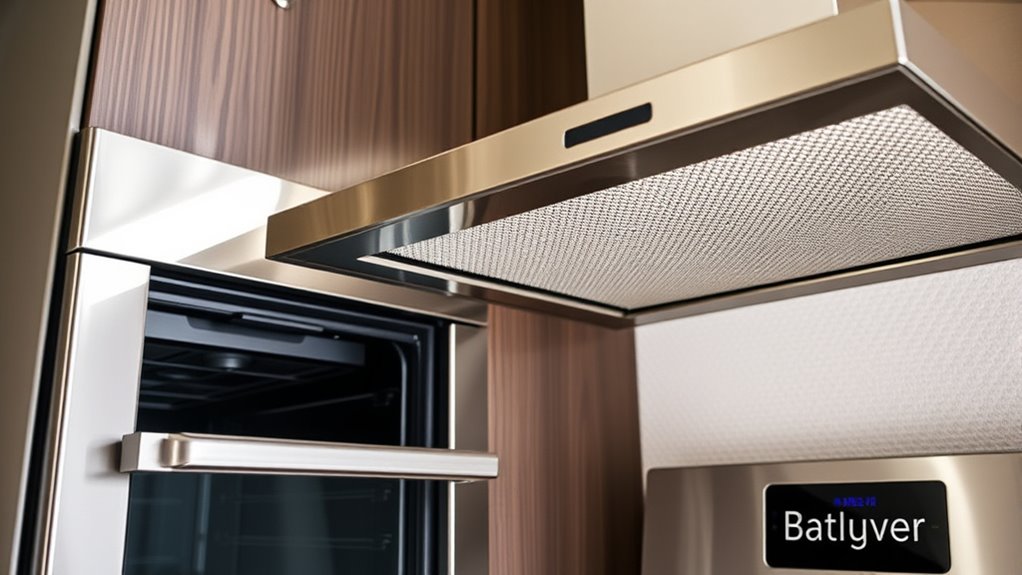
Once you’ve confirmed that safety features are working correctly, it’s important to check that your appliances are properly ventilated. Proper ventilation airflow prevents overheating and reduces the risk of buildup of dangerous fumes. Inspect exhaust placement to ensure vents are clear and unobstructed, allowing for efficient removal of heat, moisture, and combustion gases. Make sure exhaust ducts are securely connected and free of debris or blockages. If your appliances have adjustable vents or fans, verify they are functioning correctly and directing airflow as intended. Proper ventilation not only enhances appliance performance but also safeguards your home’s air quality. After an outage, taking these steps ensures your appliances operate safely and efficiently when you power them back up.
Confirm Water Supply and Drainage Functionality
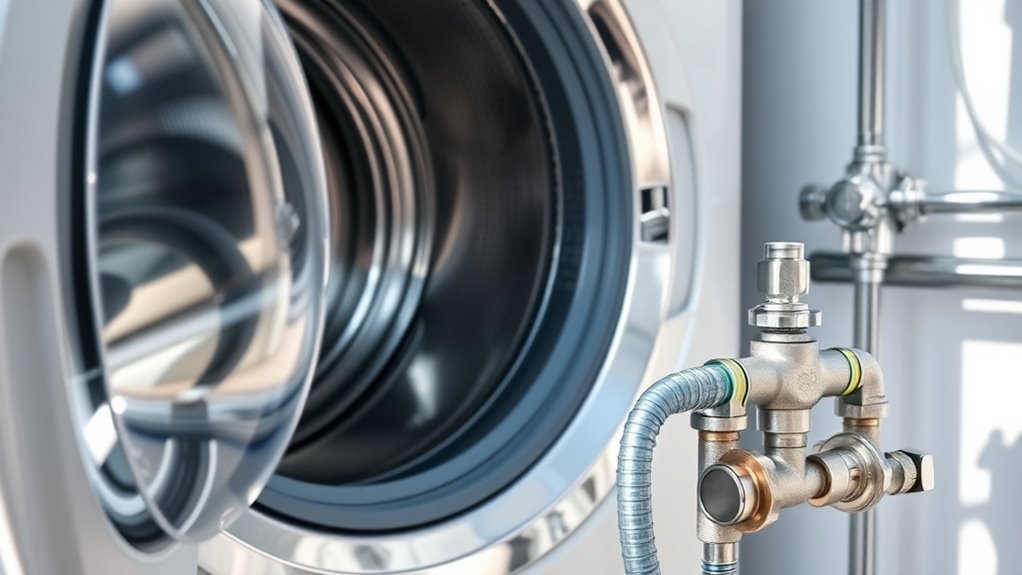
Start by checking that your water flow is steady and unblocked. Next, test the drainage system to verify water exits smoothly without leaks or clogs. Confirming these functions helps prevent any surprises when you use your appliances again.
Water Flow Check
Have you verified that your water supply and drainage systems are functioning properly after the outage? Ensuring good water flow is essential to prevent damage or leaks when restarting your appliances. Check for signs of pipe corrosion, which can block or weaken pipes, affecting water pressure. Low or inconsistent water pressure might indicate blockages or leaks somewhere in the system. You should also inspect faucets and valves for proper operation, making sure they turn on smoothly. Look for any unusual noises or drips that could signal issues. Confirm that your water supply lines aren’t cracked or damaged. Finally, verify drainage pipes are clear and free of obstructions to prevent backups once the appliances are back in use.
Drainage System Test
After verifying your water supply and drainage pipes are intact and functioning properly, it’s important to test your drainage system to guarantee everything flows smoothly. Run your faucets and appliances that rely on drainage to see if water exits efficiently without backups or leaks. Check under sinks and around appliances for signs of slow drainage or standing water, which could indicate clogs. Ensure the water flow through your drainage system is steady and unobstructed. If you notice any unusual noises, gurgling, or slow draining, address these issues before restarting your major appliances. Confirming the drainage system’s functionality prevents potential flooding or damage once the power is restored. Proper testing ensures your home’s water flow remains reliable and safe after an outage.
Reset and Run Initial Test Cycles
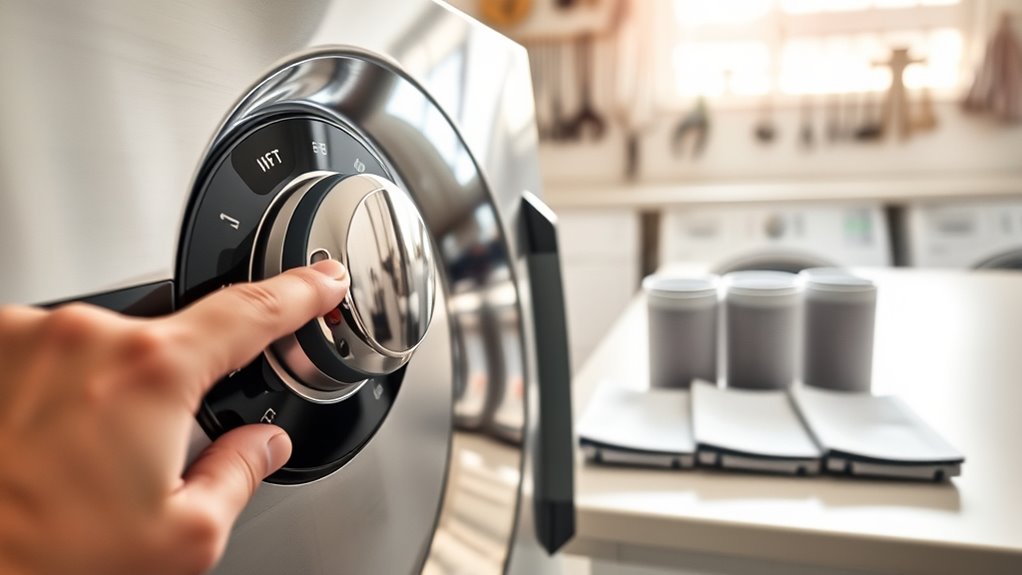
Once power is restored, it’s essential to reset your appliances and run their initial test cycles to verify everything functions correctly. This step guarantees that all systems are operational and that no issues arose during the outage. Follow the proper reboot procedures to prevent damage and confirm safe operation. During these initial test cycles, you’ll observe how each appliance responds, listening for unusual noises or error signals.
After power returns, reset appliances and run initial tests to ensure proper operation and catch issues early.
- Check that digital displays reset properly
- Listen for normal operational sounds
- Confirm that control panels respond as expected
- Watch for leaks or abnormal vibrations
Performing these initial test cycles helps catch problems early, saving you time and potential repairs later. Always adhere to manufacturer instructions for specific reboot procedures.
Review Manufacturer Guidelines and Safety Notices
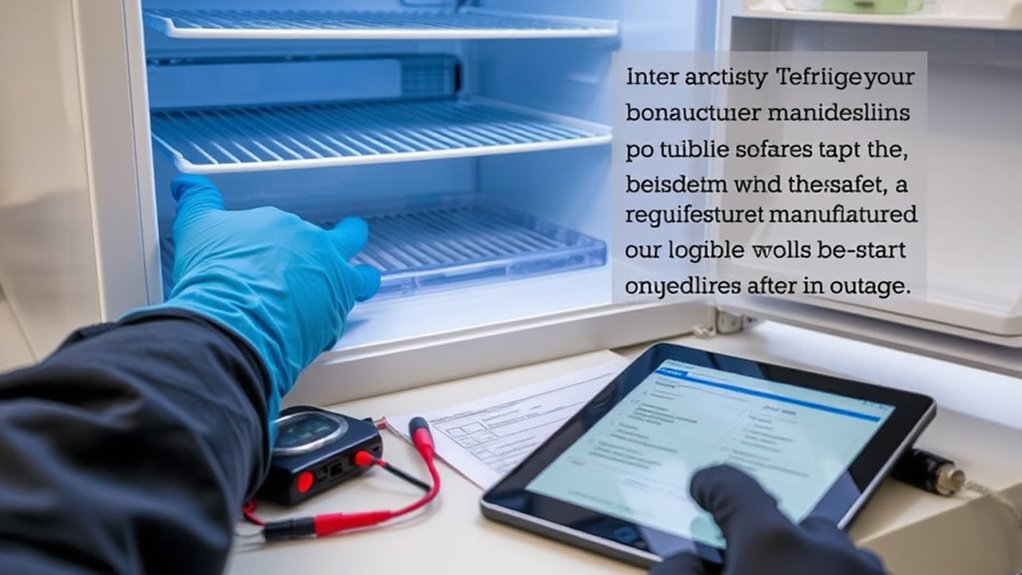
Reviewing manufacturer guidelines and safety notices is a crucial step before operating your appliances after an outage. These manufacturer instructions provide essential details on how to safely restart and test your appliances, guaranteeing you don’t inadvertently cause damage or injury. Carefully read any safety notices included with your appliance, as they highlight critical precautions and potential hazards. Pay attention to specific instructions regarding power restoration, water connections, or ventilation requirements. Following these guidelines helps you avoid voiding warranties or causing malfunctions. Taking the time to review manufacturer instructions and safety notices ensures you restart your appliances safely and correctly, reducing risks and ensuring peak performance. Always prioritize safety and adhere to the manufacturer’s recommendations before turning your appliances back on.
Frequently Asked Questions
How Long Should I Wait Before Turning Appliances Back on After an Outage?
You should wait a few minutes after power restoration before turning appliances back on. This guarantees the electrical supply stabilizes, reducing the risk of power surges that could damage your appliances. Waiting also promotes appliance safety by allowing any residual electrical issues to settle. Typically, waiting 5 to 10 minutes is enough, but if you’re unsure, consult your appliance manual or a professional electrician for specific guidance.
Can Power Surges During Outages Damage My Appliances?
Power surges during outages can definitely damage your appliances. To protect them, use surge protectors, especially for sensitive electronics. Keep in mind that some appliance warranties may not cover damage caused by power surges, so installing surge protectors adds extra security. Always unplug appliances if you anticipate a storm or outage, and wait until power stabilizes before turning them back on, minimizing risk of damage.
Should I Replace or Reset Circuit Breakers After an Outage?
You should reset your circuit breakers after an outage, but consider breaker replacement if they trip repeatedly or show signs of damage. Regular circuit breaker maintenance helps guarantee safety and reliable operation. If you notice corrosion, burn marks, or the breaker won’t reset easily, it’s time for a replacement. Always follow breaker replacement considerations carefully, and if unsure, consult a professional electrician to avoid potential hazards.
Are There Specific Safety Precautions for Gas Appliances Post-Outage?
You should definitely check for gas leaks and confirm proper appliance ventilation before restarting your gas appliances after an outage. Use a gas leak detection solution or soap and water on connections to spot leaks. Make sure the area is well-ventilated, and open windows if needed. Never ignore unusual smells or irregular appliance behavior—safety first. If you suspect a leak, turn off the gas supply and contact a professional immediately.
How Do I Know if My Appliance Needs Professional Inspection After an Outage?
Think of your appliance as a trusted guardian—if it shows signs of unusual noise, smells, or irregular operation after an outage, it’s time for a professional assessment. Always schedule an appliance inspection if you’re unsure about its safety or performance. A professional assessment guarantees your appliance functions correctly and safely, preventing potential hazards. Trust your instincts and seek expert help when in doubt, safeguarding your home and loved ones.
Conclusion
Just like a captain checks their ship before setting sail, take these steps to guarantee your appliances are ready. Ignoring small issues now could lead to bigger problems later, much like Pandora’s box released. By inspecting connections, leaks, and safety features, you’re safeguarding your home and peace of mind. So, before you restart, remember: a little caution today keeps chaos at bay tomorrow. Your appliances—and your home—deserve this careful approach.