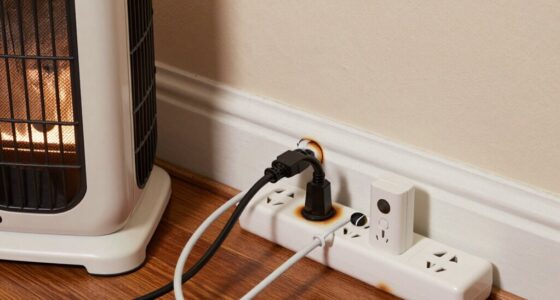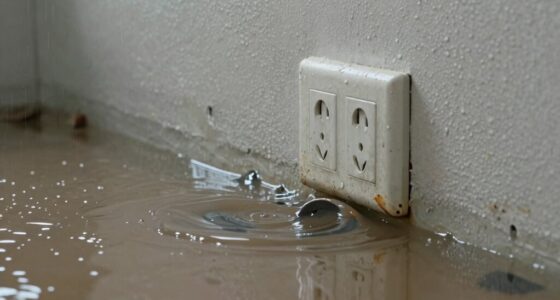
GFCI outlets often trip during outages or restoration because electrical surges, transients, and noise mimic ground faults now more common during power changes. Lightning strikes, equipment switching, or wiring issues can cause false signals. To reduce trips, check for compromised wiring, loose connections, or shared neutrals. Upgrading to devices with higher transient immunity and applying surge protection can help. For a thorough understanding of these causes, keep exploring the details behind GFCI behavior during power fluctuations.
Key Takeaways
- Voltage fluctuations during outages and restoration can mimic ground faults, causing GFCI trips.
- External events like lightning or utility switching inject transients that affect GFCI sensitivity.
- Shared neutrals, loose connections, or neutral-to-ground switching during power restoration increase trip risk.
- Electrical noise, harmonics, and surges from upstream sources can falsely trigger GFCIs during outages.
- Using GFCIs with high transient immunity and proper installation minimizes nuisance trips during power fluctuations.

Jackery Portable Power Station Explorer 300, 293Wh Backup Lithium Battery, Solar Generator for Outdoors Camping Travel Hunting Blackout (Solar Panel Optional)
SPEED UP YOUR RECHARGEABILITY: It takes only 2 hours to recharge 80% battery of the power station through...
As an affiliate, we earn on qualifying purchases.
Common Causes of GFCI Trips During Power Loss and Restoration

During power loss and restoration, GFCIs are prone to tripping due to various transient events that create temporary imbalances in current. Voltage sags or surges during outages generate rapid current shifts that can trick GFCI sensing circuitry into thinking there’s a ground fault. Lightning strikes or switching operations inject high-energy transients and harmonics, mimicking leakage signals. Motor loads and inrush currents upon power restoration cause brief asymmetries detectable by GFCIs. Additionally, arcing or contact bounce at upstream breakers produces electrical noise interpreted as leakage. Neutral-to-ground switching or re-routing during outages can create neutral disturbances, leading to imbalance detection. These transient events challenge GFCI stability, especially if the device or wiring setup isn’t optimized for such conditions. Proper electrical system design can help mitigate false trips during these events. Furthermore, aging or defective GFCI devices may be more sensitive to transient signals, increasing the likelihood of nuisance trips.

Anker SOLIX C1000 Gen 2 Portable Power Station, 2,000W (Peak 3,000W) Solar Generator, Full Charge in 49 Min, 1,024Wh LiFePO4 Battery for Home Backup, Power Outages, and Camping (Optional Solar Panel)
49 Min UltraFast Recharging: With upgraded HyperFlash tech, fully recharge at 1,600W—for outage prepping, camping trips, or tailgating...
As an affiliate, we earn on qualifying purchases.
How Utility Events Trigger GFCI Sensing Mechanisms
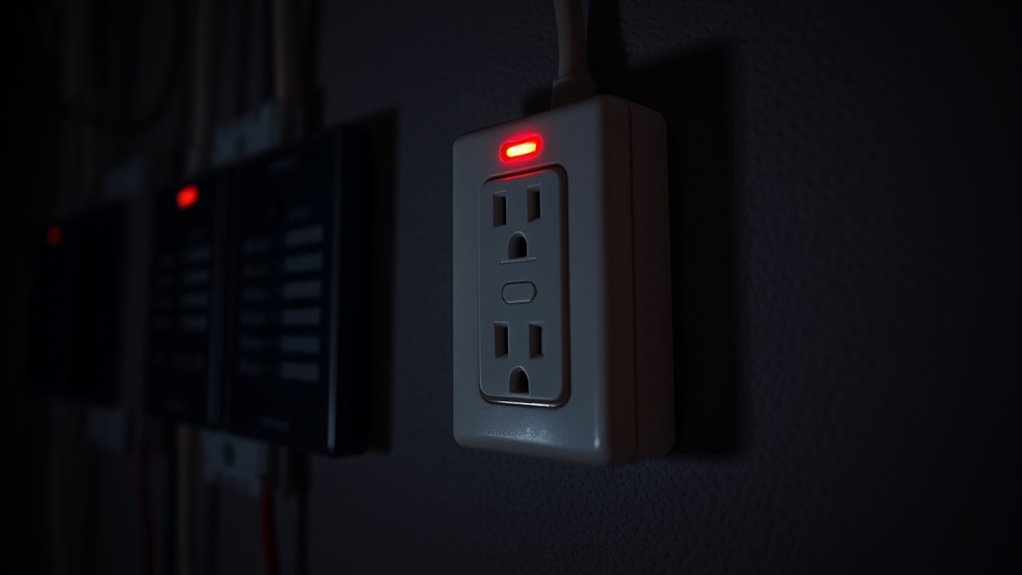
Utility events such as lightning strikes, switching operations, and grid disturbances generate rapid changes in electrical conditions that directly influence GFCI sensing mechanisms. These events introduce transient voltage spikes, surges, and harmonic distortions that can mimic ground-fault signatures. For example, lightning can inject high-energy transients, while switching operations cause sudden voltage fluctuations. These disturbances create brief current imbalances between hot and neutral conductors, which the GFCI detects as leakage. Additionally, grid disturbances can cause momentary neutral shifts or harmonic currents that falsely signal leakage. Motor starts and electrical noise from arcing or contact bounce during power restoration also contribute to these false signals. As a result, your GFCI may trip, thinking there’s a ground fault when, in fact, it’s reacting to utility-induced electrical anomalies. Transient voltage generated during utility events can sometimes be misinterpreted by the GFCI’s sensing circuitry as a ground fault. Moreover, electrical noise from various utility activities can further complicate GFCI responses during outages. The presence of harmonic currents caused by non-linear loads can also influence the GFCI’s detection accuracy during such disturbances. Understanding these electrical disturbances can help troubleshoot false trips more effectively.

EnginStar Portable Power Station 300W 296Wh Battery Bank with 110V Pure Sine Wave AC Outlet for Outdoors Camping Hunting and Emergency, 80000mAh Backup Battery Power Supply for CPAP
PORTABLE BUT POWERFUL: EnginStar Portable Power Station with ETL Certification, and the portable size of 9 x 5.5...
As an affiliate, we earn on qualifying purchases.
Impact of Transients and Harmonics on GFCI Reliability
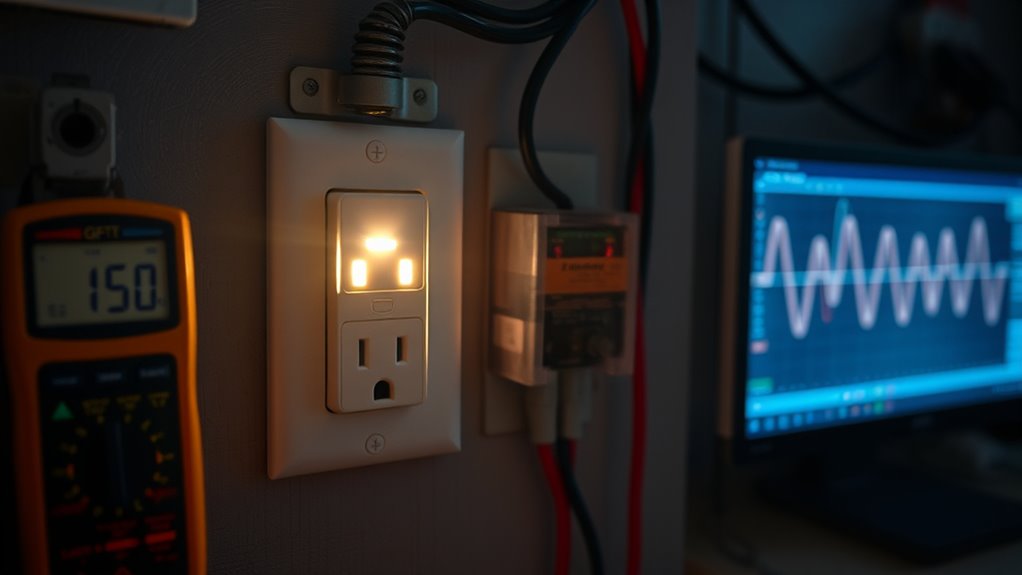
Transients and harmonics generated during power disturbances can considerably compromise GFCI reliability. Sudden voltage spikes or dips produce rapid current changes that can falsely trigger the device’s sensing circuitry. High-energy transients from lightning or grid switching inject noise and distort waveform integrity, mimicking ground faults. Harmonics, often caused by nonlinear loads like inverters and switching power supplies, create distorted waveforms that reduce GFCI sensitivity to genuine leaks. These electrical irregularities can cause nuisance trips or prevent the GFCI from detecting actual ground faults. Additionally, harmonics and transients can induce currents in downstream wiring and connected devices, further confusing the GFCI’s detection mechanism. Understanding electrical noise and its effects on GFCI operation is essential for proper troubleshooting and mitigation. External power quality issues can also play a significant role in affecting GFCI performance. Changes in power system dynamics can exacerbate these disturbances and impact device reliability. To maintain reliability, it’s essential to understand how these disturbances influence GFCI operation and consider mitigation measures like surge protectors and proper wiring practices. Free Floating conditions can also exacerbate these issues by allowing unintended current paths that affect GFCI performance.

DaranEner Portable Power Station 60,000mAh, 192Wh LiFePO4 Battery Backup w/2 300W (Surge 600W) AC Outlets, 2H Fast Charging, Power Bank for Hurricane Emergency/Home/Outdoor Camping/RVs Use
【192Wh Capacity, 300W Pure Sine Wave Output】This portable power station delivers a reliable 300W (600W surge) output, perfect...
As an affiliate, we earn on qualifying purchases.
The Role of Downstream Loads and Wiring Conditions
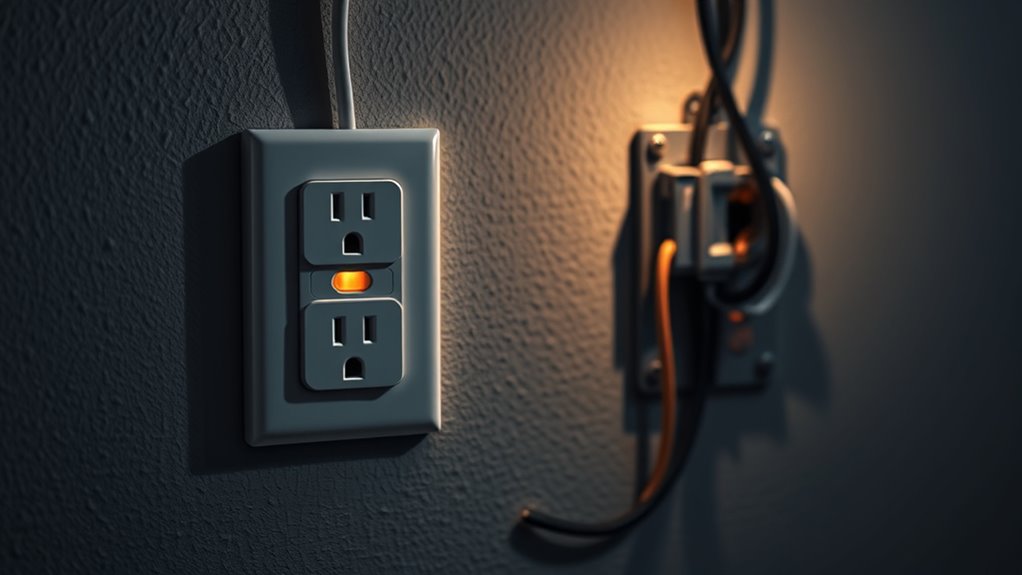
Downstream loads and wiring conditions considerably influence GFCI trip sensitivity during outages. Poor wiring, loose connections, or damaged insulation can cause intermittent imbalances, making your GFCI more prone to trips. Sensitive loads like surge protectors, EMI filters, or long cable runs can inject displacement currents and noise that mimic ground faults. Shared neutrals or corroded terminals worsen imbalance issues, especially during power restoration. These factors heighten the risk of nuisance trips or failure to reset.
Poor wiring, long cables, and sensitive loads increase GFCI nuisance trips during outages.
Be aware of these risks:
- Faulty wiring or corrosion amplifies voltage spikes, causing trips.
- Long cable runs increase induced noise, triggering false alarms.
- Shared neutrals create unpredictable current mismatches.
- Sensitive downstream devices react sharply to transient conditions.
Identifying Outage-Related Voltage and Current Fluctuations

To effectively identify outage-related voltage and current fluctuations, you need to perform real-time measurements during power restoration events. Use a clamp ammeter or true-RMS meter to compare hot and neutral currents immediately after power comes back on. Check line-to-neutral and line-to-ground voltages with surge-tolerant instruments to detect transient spikes or sags. Capture waveform distortions, harmonics, and fast transients with an oscilloscope or transient recorder. Measure for imbalances that may indicate neutral-to-ground switching or shared-neutral issues. Monitoring these parameters helps pinpoint fluctuations that cause GFCI trips. Additionally, inspecting for voltage surges or dips during outages provides insight into the transient conditions affecting your system. Accurate, real-time data is essential for diagnosing outage-related electrical behavior, including voltage sags, transient spikes, and power quality issues, which can trigger GFCI trips. Recognizing power quality fluctuations is crucial, as they can significantly impact sensitive electronic devices and safety mechanisms. Being aware of the broader impact of electrical disturbances helps in implementing effective mitigation strategies.
Inspection and Troubleshooting Steps Post-Trip

When your GFCI trips after an outage, start by unplugging all downstream loads and resetting the device. Then, follow these troubleshooting steps to identify the cause:
- Test if it trips only after power restores or during normal operation, noting the timing of each trip.
- Reconnect loads one at a time, observing which causes the GFCI to trip again.
- Inspect the device and box for moisture, damage, or corrosion, which could create leaks. Moisture intrusion is common in environments with high humidity or water exposure.
- Tighten all connections, measure voltage and continuity, ensuring terminals are secure and wiring is solid.
- Check for signs of water intrusion or humidity, especially in water parks or humid environments, which can contribute to GFCI trips and should be addressed promptly. Proper moisture control measures can reduce the likelihood of repeated trips.
- Additionally, consider the electrical load on the circuit, as an overload can sometimes cause nuisance trips and should be verified.
- Be aware that piercings, especially those involving body jewelry materials, can sometimes cause unexpected electrical issues if they are in contact with conductive parts or if jewelry becomes damaged and creates a short circuit.
- It’s also helpful to understand that grounding and wiring integrity play a crucial role in GFCI operation and troubleshooting.
These checks help pinpoint whether the problem lies with the GFCI, downstream wiring, or external factors. Acting promptly can prevent further trips and potential hazards. If issues persist, consider professional help.
The Importance of Transient Immunity Ratings and Device Quality
You need to understand that transient immunity ratings determine how well a GFCI can resist false trips caused by electrical disturbances during outages. Higher-quality devices meet strict standards, offering better protection against surges, harmonics, and transient noise. Choosing a GFCI with proven immunity guarantees reliable operation when the power fluctuates unexpectedly. Additionally, understanding the definition of haute couture highlights the importance of precision and quality in designing reliable electrical protection devices. Recognizing the significance of transient immunity ratings ensures that users select devices capable of maintaining consistent performance despite electrical disturbances. Moreover, selecting devices with robust surge protection can further minimize false trips during power fluctuations. In this context, device quality plays a crucial role in overall performance and durability. Ensuring that a GFCI has a high transient immunity rating can prevent unnecessary trips during power outages or electrical noise, safeguarding your appliances and ensuring safety.
Transient Immunity Standards
Transient immunity ratings are crucial because they determine how well a GFCI can withstand voltage spikes, surges, and electrical noise during power outages or restoration events. Higher ratings mean your device can handle the chaos without tripping unnecessarily. Look for GFCIs that meet or exceed recognized standards like UL 943 and UL 1449, which specify resilience to transient events. Choosing a device with robust immunity reduces false trips and protects your circuits. Additionally, selecting devices with proper transient immunity ratings ensures your entire backup system remains reliable during unpredictable power fluctuations.
- Feel confident knowing your GFCI is engineered to endure sudden power fluctuations.
- Trust in devices tested against strict industry standards for reliability.
- Reduce frustration from nuisance trips caused by transient disturbances.
- Ensure long-term safety by selecting quality devices built for demanding conditions.
Impact of Device Quality
The quality of a GFCI device directly influences how well it can withstand the electrical noise and voltage spikes encountered during outages and restorations. Higher-quality GFCIs feature better transient immunity ratings, meaning they’re less likely to trip unnecessarily during transient events caused by lightning, switching, or motor loads. Cheaper or older units often have weaker circuitry that reacts to even minor disturbances, leading to nuisance trips. Investing in a GFCI with robust transient immunity ensures more reliable operation during voltage sags, surges, and electrical noise. Additionally, high-quality devices are built with durable components, reducing the likelihood of false trips, damage, or failure over time. Choosing a well-rated GFCI enhances safety and minimizes inconvenience caused by unpredictable trips during power fluctuations.
Mitigation Strategies to Reduce Nuisance Trips During Outages
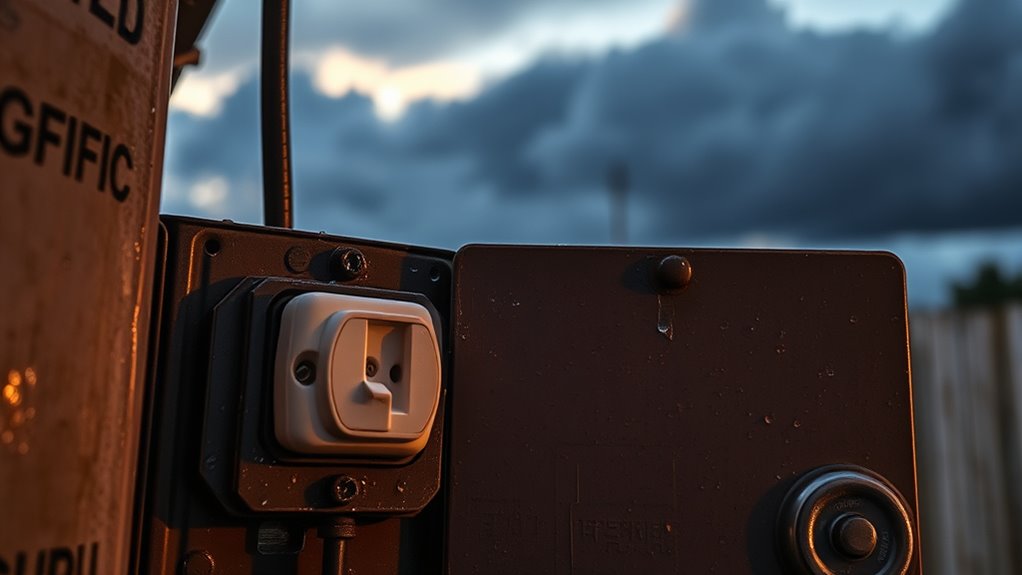
Mitigation strategies to reduce nuisance GFCI trips during outages focus on strengthening device resilience and minimizing transient noise. You can improve your system’s stability by implementing targeted measures that lessen the impact of power disturbances. Consider installing GFCIs with higher transient immunity ratings, ensuring they meet UL standards. Adding a whole-house surge protector or localized arrestors helps block high-energy spikes during outages. Reconfiguring circuits to avoid shared neutrals and separating sensitive loads reduces imbalance during reconnection. Regularly replace aging GFCIs and use weatherproof enclosures for outdoor setups. Additionally, tighten connections, eliminate corrosion, and keep wiring neat to cut down induced noise. These proactively steps can considerably decrease nuisance trips, giving you peace of mind and safer operation during utility outages.
Upgrading Protection Devices and Circuit Configurations
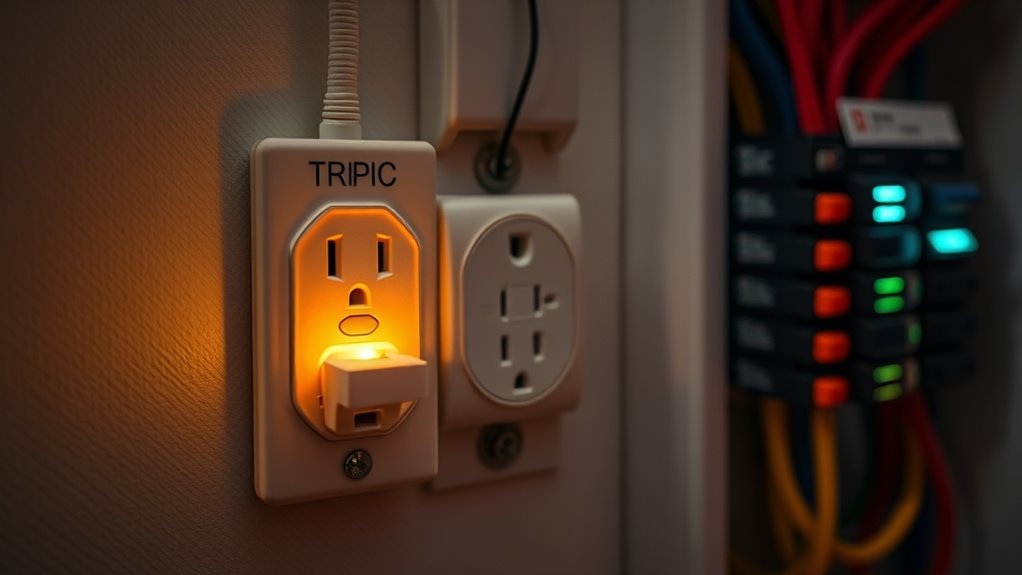
Upgrading protection devices and optimizing circuit configurations can substantially reduce nuisance GFCI trips during outages. Start by installing GFCIs rated for higher transient immunity, which better withstand voltage surges and electrical noise. Consider adding a whole-house surge protector or localized arrestors to block high-energy transients before they reach GFCIs. Reconfigure circuits to avoid shared neutrals or multi-wire branch setups that can cause imbalance during power restoration. Upgrading aged or low-quality GFCIs ensures more reliable operation, especially in harsh conditions. Tighten and secure all wiring connections, eliminate corrosion, and shorten long cable runs to reduce induced noise. These upgrades improve circuit stability during outages, minimizing false trips. Proper device selection and circuit adjustments help maintain safety without sacrificing convenience.
When to Seek Professional Assistance for Persistent Trips

Persistent GFCI trips during outages often indicate underlying issues that go beyond simple nuisance conditions. If trips keep happening despite troubleshooting, it’s time to call a professional. Ignoring persistent trips can pose safety hazards or signal serious wiring problems. You should seek help if:
- Trips occur repeatedly, even with all loads disconnected
- You notice burning smells, discoloration, or sparking
- You need complex diagnostics like waveform analysis or panel work
- Multiple circuits trip simultaneously, or appliances malfunction during outages
These signs point to deeper electrical faults or utility-side issues that require expert diagnosis. Avoid risking damage or injury by delaying professional intervention. A licensed electrician can identify hidden faults, ensure code compliance, and implement solutions safely and effectively.
Frequently Asked Questions
Can Weather Conditions Influence GFCI Trip Sensitivity During Outages?
Weather conditions can definitely influence GFCI trip sensitivity during outages. Moisture, rain, snow, or humidity can cause corrosion, moisture ingress, or create intermittent leakage paths, making the GFCI more prone to tripping. Wind-driven debris or lightning strikes can generate transient surges and electrical noise, which may mimic ground faults. To minimize trips, verify outdoor GFCIs are weatherproofed, sealed properly, and check for moisture or corrosion regularly.
Do Certain Circuit Types or Loads Increase Outage Trip Likelihood?
Think of your electrical system as a delicate dance, where certain loads and circuit types can lead to missteps during outages. Heavy motor loads, long cable runs, or circuits with surge protectors can act like trembling dancers, making GFCIs more prone to trip. These elements create transient currents or noise, mimicking ground faults. To keep the rhythm, consider upgrading sensitive devices, shortening runs, or reconfiguring circuits to reduce the risk of unnecessary trips.
How Do Multi-Wire Branch Circuits Affect GFCI Performance During Power Loss?
You should know that multi-wire branch circuits can cause GFCI trips during power loss because shared neutrals may carry unbalanced currents when power is restored or interrupted. This imbalance tricks the GFCI into thinking there’s a ground fault, leading to nuisance trips. To prevent this, guarantee proper neutral sharing, verify breaker pairing, and consider reconfiguring circuits to minimize neutral disturbances during outages.
Are There Specific GFCI Models More Resistant to Outage-Induced Transients?
Some GFCI models boast higher transient immunity, making them the superhero capes of the circuit world. Look for units rated specifically for surge tolerance, UL-listed with high transient withstand specs. These are less likely to trip during thunderstorms or power flickers. Investing in these “tough guys” means fewer trips, less frustration, and more confidence that your GFCI can handle the chaos outside without throwing a fit inside.
What Role Do Surge Protectors Play in Preventing Nuisance Trips?
Surge protectors help prevent nuisance trips by absorbing or diverting high-energy transients during outages or restoration. They clamp voltage spikes and reduce the electrical noise that can falsely trip your GFCI. Installing a whole-house surge protector or localized surge arrestors creates a buffer against damaging surges, minimizing false trips. Keep in mind, surge protectors work best when properly rated and maintained, ensuring your GFCI’s sensitive electronics stay protected from transient disturbances.
Conclusion
As the power flickers and surges like a heartbeat in the dark, your GFCI struggles to keep pace, trip, and leave you in the shadows. But with careful checks and smart upgrades, you can restore stability, turning chaos into calm. Think of your wiring as a delicate dance—when one step falters, the whole rhythm is disrupted. Stay vigilant, trust quality devices, and don’t hesitate to call a pro if the outages keep casting shadows over your comfort.