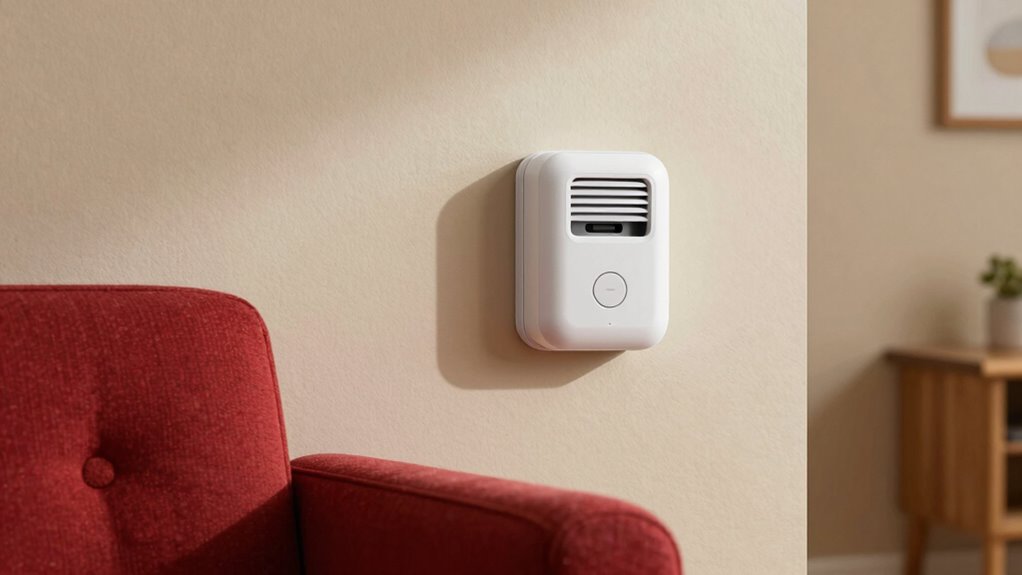
To maximize safety, place your CO detector within 10 feet of bedroom doors at eye level or about 5 feet high, avoiding vents, windows, or humid areas. Keep it at least 15 feet from gas appliances and outside garages. Mount on walls or ceilings considering airflow, and guarantee it’s accessible for testing. If you follow these precise spots, your detector will give you the early alert you need. Keep going to learn more about perfect placement techniques.
Key Takeaways
- Place CO detectors within 10 feet of bedroom doors for early alerts during sleep.
- Mount detectors at eye level or about 5 feet above the floor for optimal sensing.
- Install detectors outside bedrooms and on each level, including basements, for comprehensive coverage.
- Keep detectors at least 15 feet away from gas appliances to prevent false alarms.
- Ensure detectors are accessible for testing and maintenance, and avoid high humidity or drafts.

APC UPS Back-UPS Pro 1500VA UPS, 900W Battery Backup & Surge Protector, AVR, 10 Outlets (NEMA 5-15R), LCD, BX1500M Uninterruptible Power Supply for Computers, Wi-Fi Routers, Home Office Electronics
1500VA / 900W RELIABLE BACKUP POWER: The highest VA capacity available for home use; delivers short‑term battery power...
As an affiliate, we earn on qualifying purchases.
The Critical Location Near Sleeping Areas
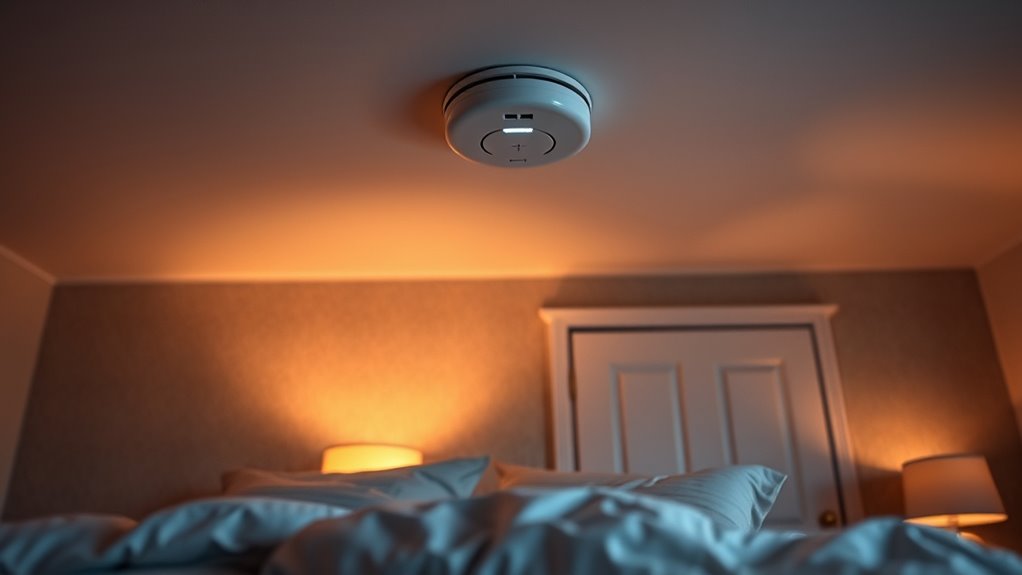
Since carbon monoxide is odorless and deadly, placing CO detectors near sleeping areas is essential for your safety. You want to verify the alarm can wake you if CO levels become dangerous. Position the detector within 10 feet of bedroom doors to maximize coverage. It should be loud enough to alert everyone, even if they’re deeply asleep. Avoid placing it directly in bedrooms or bathrooms, where humidity and steam could interfere. Instead, mount the detector on the wall at eye level or about 5 feet above the floor. Keep it away from windows, vents, or drafts that could prevent proper detection. Proper detector placement is crucial for reliable safety and quick response during emergencies. This strategic placement helps you respond quickly, reducing the risk of CO poisoning during the night. Additionally, understanding safe detector locations can further enhance your home’s overall safety measures. Proper positioning can also help prevent false alarms caused by airflow disturbances, ensuring consistent detection. Considering power sources for your detectors is also important to maintain continuous safety, especially during outages.

APC UPS 600VA / 330W UPS Battery Backup & Surge Protector, 7 Outlets (NEMA 5-15R), USB Charging Port, BE600M1 Uninterruptible Power Supply for Computers, Wi-Fi Routers, and Home Office Electronics
KEEP YOUR COMPUTER, WI-FI AND ROUTER RUNNING THROUGH POWER OUTAGES: Supplies short‑term battery power during outages to maintain...
As an affiliate, we earn on qualifying purchases.
Ideal Height and Mounting Strategies
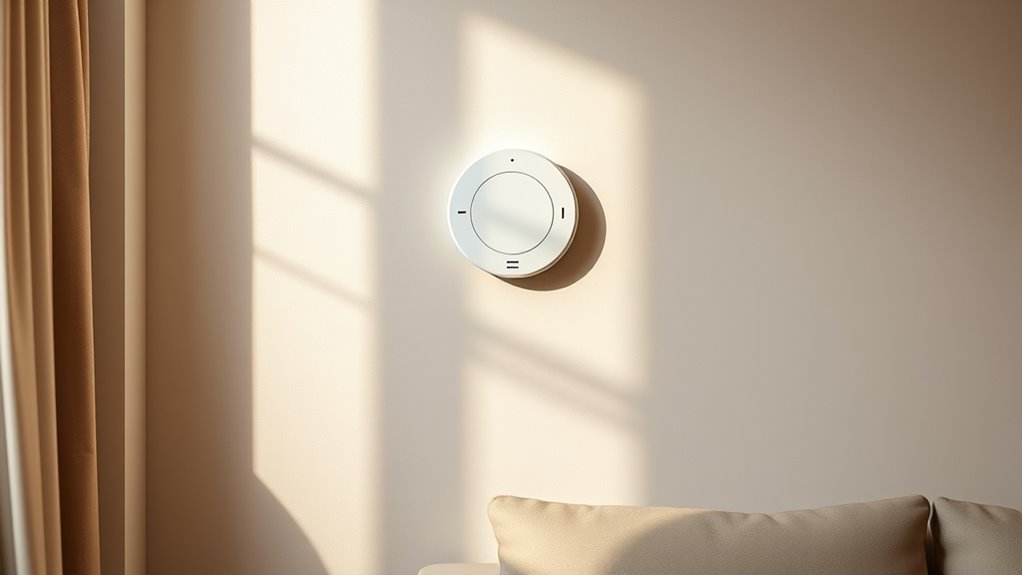
To guarantee your CO detector functions effectively, proper height and mounting are key. The EPA recommends installing detectors at 5 feet above the floor or at eye level for ideal detection. Since carbon monoxide has a similar density to air, mounting on the ceiling or wall is acceptable. Position the detector where it can sense CO without interference from dead air spaces near windows or doors. Avoid placing it out of reach of children and pets. Proper placement ensures quick alerts if CO levels rise. Additionally, understanding net worth of individuals can reflect their financial stability and success. Below is a table summarizing mounting strategies:
| Location | Height | Considerations |
|---|---|---|
| Wall | 5 feet or eye level | Avoid dead air near windows/doors |
| Ceiling | Any height | Keep away from vents or drafts |
| Near sleeping areas | Same as above | Maximize early detection |
| Adjacent rooms | Consistent height | Maintain uniform detection |
| Near gas appliances | 5-10 feet away | Prevent false alarms from sources |
Proper detector placement can significantly improve safety by providing early warnings in the event of CO buildup. Ensuring correct placement also helps to minimize false alarms, which can reduce alarm fatigue and ensure reliable detection. To optimize detection, consider air circulation patterns within your space, as stagnant air can hinder CO sensing accuracy. Recognizing airflow patterns can help in choosing the best mounting location for your detector.

GOLDENMATE 1000VA/800W Lithium UPS Battery Backup and Surge Protector, Backup Battery Power Supply with LiFePO4 Batteries(230.4 Wh), Sinewave UPS System, 10 Years Lifespan, 8 Outlets, LCD Display
[LiFePO4 Battery, Ultra-long Endurance]: This lithium UPS is equipped with a state-of-the-art Lithium Iron Phosphate Battery Pack, delivering...
As an affiliate, we earn on qualifying purchases.
Placement Tips for Gas-Burning Appliances
Proper placement of gas-burning appliances is essential for accurate CO detection and safety. Keep detectors at least 15 feet away from these appliances to prevent false alarms caused by normal combustion gases. Mount the detector on the wall or ceiling near the appliance but not directly above or beside it, as heat or moisture can interfere with readings. Position detectors at least 5 feet above the floor to ensure they sense the CO as it rises, but avoid dead air spaces near vents, windows, or doors. If your appliance is in a confined space like a utility room, install the detector outside that room to monitor CO effectively. Additionally, detector placement guidelines can help optimize early warning capabilities. Regularly check that detectors are functioning properly and maintain a safe distance to ensure early warning of any leaks or malfunctions. Understanding proper detector placement is crucial for effective early detection and safety, especially considering the importance of machine quality for reliable operation. Ensuring the detector’s sensitivity to CO levels is also vital for prompt alerts and safe response times. Incorporating connected home safety devices can further enhance your overall CO detection and safety measures.

Jackery Portable Power Station Explorer 300, 293Wh Backup Lithium Battery, Solar Generator for Outdoors Camping Travel Hunting Blackout (Solar Panel Optional)
SPEED UP YOUR RECHARGEABILITY: It takes only 2 hours to recharge 80% battery of the power station through...
As an affiliate, we earn on qualifying purchases.
Key Locations Outside Bedrooms and in Common Areas
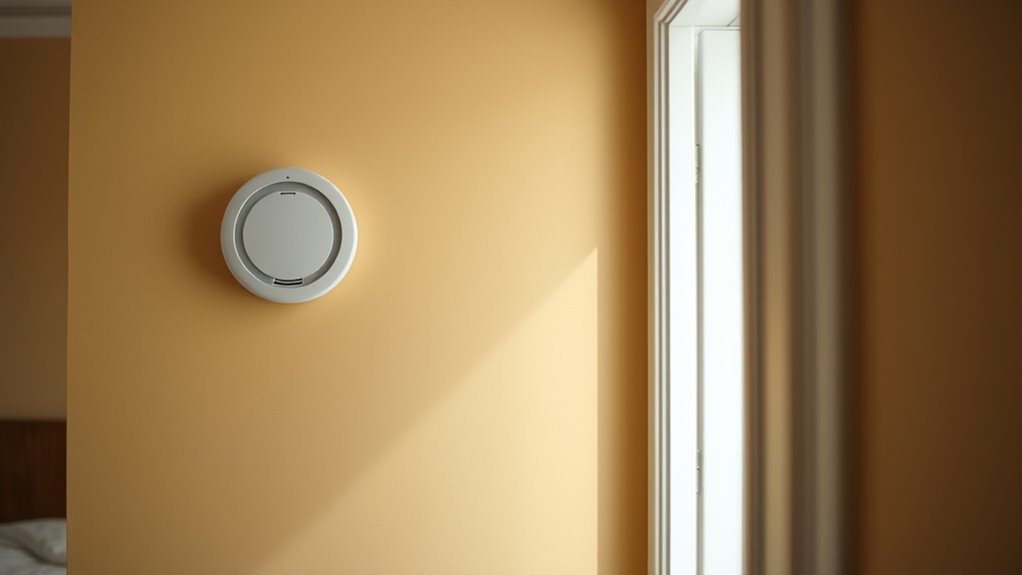
Placing CO detectors outside bedrooms and in common areas guarantees early warning for everyone in the home, especially during sleep or when you’re away. Position detectors on each level of your home, near the center of hallways, and outside sleeping areas to maximize coverage. Mount them about five feet above the floor or at eye level, avoiding dead air spaces near windows or vents. Confirm detectors are at least 15 feet from gas appliances and 10 feet from garage doors to prevent false alarms. Inside attached garages, place detectors nearby or over the garage door. In larger homes, install additional units in common areas like living rooms and basements for thorough protection. Proper placement ensures prompt detection, keeping everyone safe from the dangers of carbon monoxide. Understanding how to interpret CO detector signals can further enhance your home’s safety measures. Additionally, regularly testing and maintaining your detectors ensures they function correctly when needed, especially considering thermal behavior and other factors that can affect their performance. Being aware of detector placement best practices helps optimize safety coverage throughout your home. For optimal safety, consider the placement height of detectors, as it can influence their sensitivity to CO levels. Maintaining your detectors in good working condition is essential for reliable early warnings during emergencies.
Ensuring Proper Placement in Multiple Floors
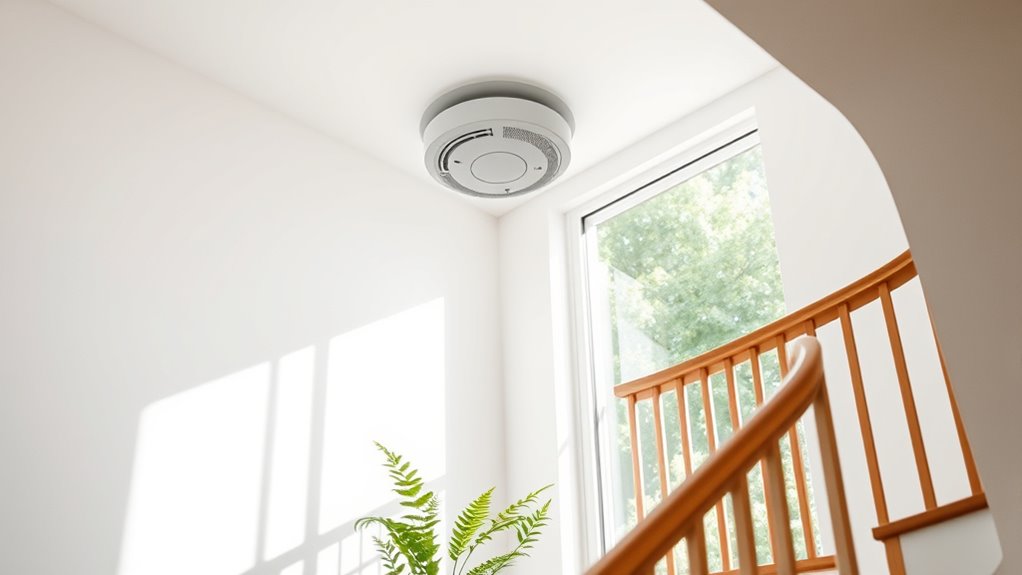
Installing CO detectors on multiple floors guarantees thorough protection throughout your home. Place a detector on each level, including the basement, to guarantee early warning in case of carbon monoxide buildup. Position detectors near sleeping areas and outside bedrooms, especially if they’re far apart, to wake you if CO levels rise at night. Mount detectors at eye level or about 5 feet above the floor, avoiding dead air spaces near windows or vents. Keep them at least 15 feet from gas appliances and 10 feet from garages. Make certain each detector is interconnected if you have a newer home—so when one sounds, they all do. Regularly test each unit and replace batteries annually for maximum reliability. Proper placement across floors keeps your household safe from invisible dangers and ensures reliable sensor performance. Additionally, choosing locations away from water sources, such as bathrooms or humid areas, can help prevent false alarms and maintain accurate detection. Using advanced sensor technology can further improve the accuracy and responsiveness of your CO detectors. Incorporating proper ventilation in areas with higher humidity levels can also help reduce the risk of false alarms and prolong the lifespan of the detectors.
Common Placement Mistakes to Avoid
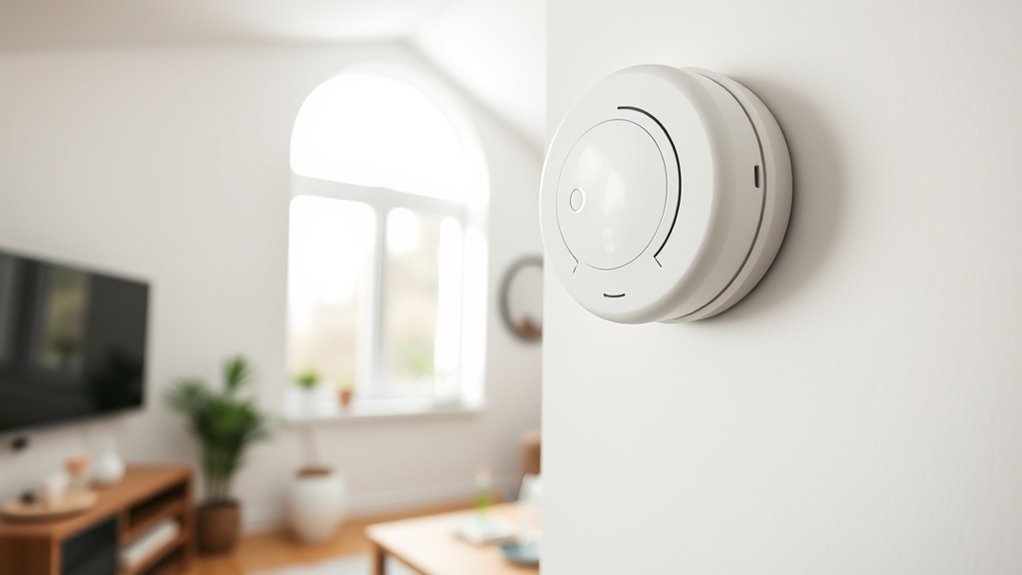
Many people make the mistake of placing CO detectors too close to gas appliances or in areas where fumes can interfere with accurate readings. Ignoring the importance of installing detectors in bedrooms or sleeping areas can leave you unaware of dangerous levels while you sleep. To stay protected, avoid these common placement errors and follow recommended guidelines carefully.
Placing Near Gas Appliances
Avoid positioning CO detectors directly above or beside gas appliances, as this can lead to false readings or missed detections. Placing detectors too close to appliances like furnaces or water heaters risks exposure to high heat or humidity, which can impair their function. To ensure proper detection, keep the detector at least 15 feet away from gas sources. Proper placement helps the sensor pick up CO leaks early, providing enough time to react.
- Avoid mounting directly on or near appliances
- Maintain a minimum of 15 feet distance from gas sources
- Keep detectors away from humid or damp areas
- Follow manufacturer instructions for placement and clearance
Ignoring Bedroom Placement
Ignoring proper bedroom placement is a common mistake that can compromise your safety. You might think placing a CO detector anywhere in the room is enough, but it’s not. The detector should be located within 10 feet of your bed, ideally at nose or eye level. If it’s mounted too high or too low, it may not detect CO early enough. Avoid placing it near windows, vents, or humid areas, which can interfere with sensor accuracy. Also, don’t forget to install detectors on each bedroom if you share your home with others. This ensures everyone is alerted promptly if CO levels rise. Proper placement in bedrooms guarantees you wake up in time to respond, protecting you and your loved ones from dangerous CO exposure.
Maintaining Your CO Detectors for Continuous Safety
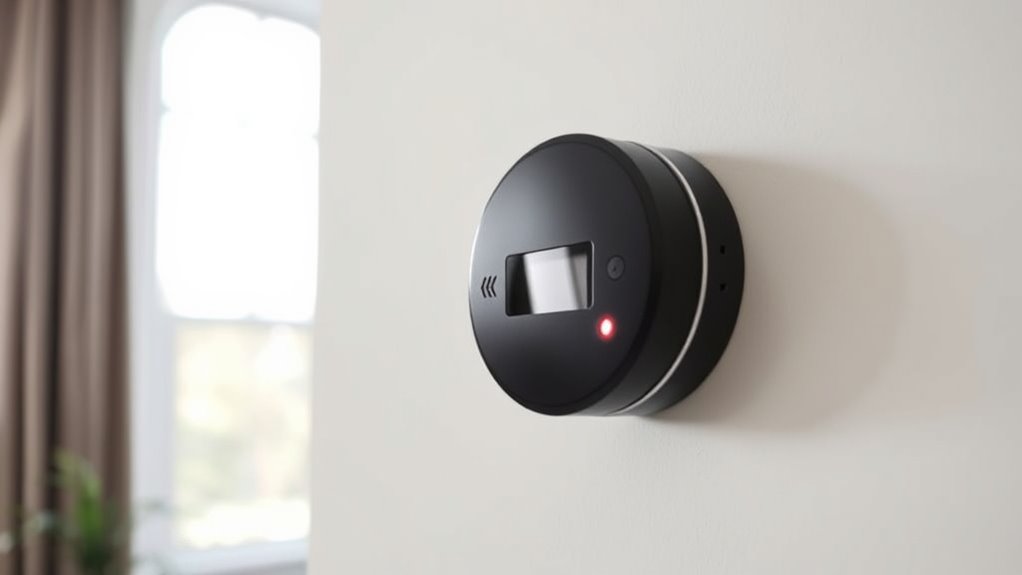
To guarantee your CO detectors provide reliable protection, regular maintenance is essential. You need to check them monthly to ensure they’re functioning correctly. Test the alarms by pressing the test button and listen for a loud alert. Replace batteries annually if they’re not sealed units, and replace the entire detector every 5-6 years. Keep detectors free from dust, dirt, and humidity, which can interfere with their sensors. Make certain they’re mounted correctly and in recommended locations. Periodic inspections help catch issues early, keeping your home safe.
- Test alarms monthly and replace batteries yearly
- Replace detectors every 5-6 years
- Keep sensors clean and free from dust
- Confirm proper placement and mounting
Frequently Asked Questions
Can CO Detectors Be Installed in Outdoor Areas?
You shouldn’t install CO detectors in outdoor areas. They’re designed for indoor use, where they can monitor air quality inside your home. Placing them outside could expose them to weather, dirt, and humidity, which might impair the sensor or cause false alarms. Keep detectors inside near bedrooms, living spaces, and fuel-burning appliances to ensure you’re warned promptly of any dangerous CO buildup indoors.
How Often Should I Test My CO Detector?
Did you know that testing your CO detector weekly can save lives? You should test your unit every week to guarantee it’s working properly. Simply press the test button and listen for the alarm. Regular testing helps catch malfunctions early, keeping you and your family safe. Don’t forget to replace batteries yearly and replace the detector every 5-6 years for maximum protection. Stay proactive—test often!
Is It Safe to Place CO Detectors in Kitchens?
It’s not recommended to place CO detectors directly in kitchens because cooking fumes and humidity can cause false alarms. Instead, position them outside the kitchen, near bedrooms or sleeping areas, where they can detect dangerous levels without false triggers. Keep them at the recommended height, away from vents or humid spots, and verify they’re tested regularly. Proper placement ensures you get accurate alerts without unnecessary disruptions.
Can Multiple CO Detectors COmmunicate With Each Other?
Think of multiple CO detectors as a team working together to keep you safe. Many modern models can communicate wirelessly, sending alerts to one another if CO is detected. This interconnected setup guarantees that no matter where you’re sleeping or spending time, everyone’s protected. Check your detectors’ features—some need special tech, while others connect via Wi-Fi or radio signals. Keep them synchronized for the best safety coverage in your home.
What Should I Do if a CO Detector Alarms?
If your CO detector alarms, act immediately by ventilating the area with fresh air and evacuating everyone from the home. Call emergency services right away to report the alarm and get professional help. Do not ignore the warning, even if symptoms aren’t obvious. Once safety is confirmed, have a qualified technician inspect your appliances and system for leaks or malfunctions before returning inside.
Conclusion
Proper CO detector placement can reduce the risk of deadly carbon monoxide poisoning by up to 50%. Remember to install detectors near sleeping areas, at the correct height, and away from common household appliances. Avoid common mistakes like placing them too close to vents or in humid areas. Regular maintenance ensures they stay effective. By following these tips, you substantially increase your safety and peace of mind in your home.