
Power factor shows how efficiently your electrical system uses power to do useful work. When power factor is high (close to 1), your system runs smoothly, saving energy and reducing losses. But if it’s low, more reactive power causes additional current flow, which can shorten battery and generator runtimes. Understanding these effects helps you optimize your system, and if you keep going, you’ll discover simple ways to improve performance and extend your equipment’s life.
Key Takeaways
- Power factor measures how efficiently electrical power is converted into useful work, with 1 being ideal.
- It depends on the phase difference between voltage and current; more lag or lead reduces power factor.
- Low power factor causes higher current flow, increasing losses and stressing equipment, which can shorten runtime.
- Improving power factor through correction devices reduces reactive power, lowering current and energy waste.
- Better power factor means more efficient use of energy, less wear on equipment, and longer operational runtime.

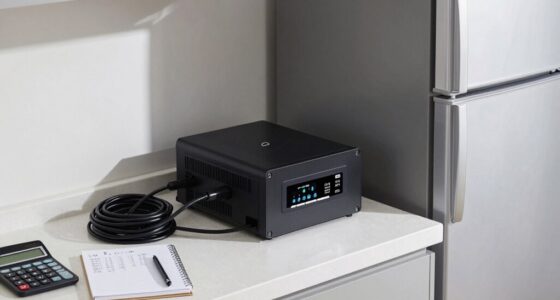
Power Plug Pro Electricity Saving Box, 2026 New Power Factor Saver Plug in, Energy Savings Device with Voltage Optimization, Automatic Stable Voltage Regulator for Home Office (Style B-2PCS)
Power Factor Saver – Reduce Electricity Waste: Stop paying for electricity you don't use! This advanced Power Plug…
As an affiliate, we earn on qualifying purchases.
As an affiliate, we earn on qualifying purchases.
What Is Power Factor and Why Does It Matter?

Have you ever wondered why some electrical systems seem less efficient or more costly to operate? That’s where power factor comes in. It measures how effectively your electrical system converts power into useful work. Expressed as PF = kW / kVA, it shows the ratio of real power to apparent power. A higher power factor, close to 1, means most of the power is used productively. A lower PF indicates wasted energy due to reactive power, which doesn’t do any work but still draws current. This inefficiency leads to higher electricity bills, increased line losses, and the need for larger equipment. Understanding power factor correction helps you identify how well your system uses power and guides you to improve efficiency and reduce costs. Additionally, power factor can change over time due to fluctuations in load and equipment aging, making regular monitoring essential. Variations in reactive power can also impact the overall system performance and should be managed accordingly. Changes in system load and the aging of equipment can cause fluctuations in power factor, underscoring the importance of ongoing system assessment.
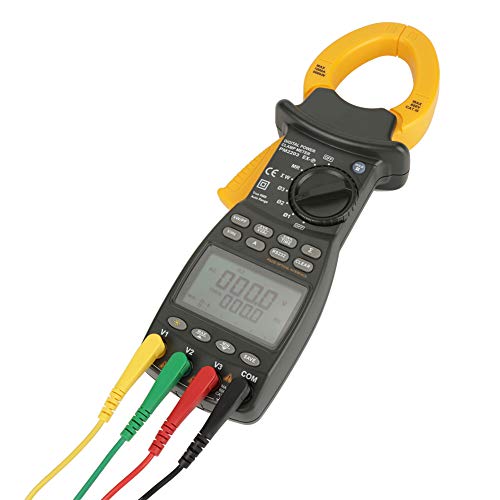
Jeanoko 1PCS MS2203 3-Phase Clamp Meter with 9999 Count Display Digital Multimeter Power Factor Clamp Meter, 28 Groups Data Storage Digital Clamp Meter
The ms2203 Digital Clamp Meter is designed with a handheld fixture structure, making it highly suitable for on-site…
As an affiliate, we earn on qualifying purchases.
As an affiliate, we earn on qualifying purchases.
Understanding the Relationship Between Power, Voltage, and Current
To understand how power, voltage, and current relate, it’s important to recognize that in AC circuits, these quantities are interconnected through their phase relationship and the load type. Voltage is the electric potential difference, while current is the flow of electrons. In AC systems, current often lags or leads voltage depending on whether the load is inductive or capacitive. When voltage and current are in phase, all the power is useful, resulting in a power factor of 1. If they’re out of phase, some energy is stored temporarily in magnetic or electric fields, creating reactive power. This phase difference affects how much of the apparent power actually performs work, influencing system efficiency and the size of equipment needed. Power factor significantly impacts energy consumption and the operational costs of electrical systems. Understanding the phase relationship between voltage and current helps optimize electrical system performance and reduce energy wastage. Additionally, improving power factor can help prevent unnecessary energy losses and extend the lifespan of electrical components. A better grasp of these concepts can lead to more effective power management and cost savings in electrical systems. It is also essential to consider how power factor correction methods can improve overall system efficiency and reduce operational expenses.

Klein Tools RT390 Circuit Analyzer with Large LCD, Identifies Wiring Faults, GFCI and AFCI Tester, Voltage Drop, Displays Trip Time
CLEAR COLOR LCD DISPLAY: Circuit Analyzer with large color LCD provides easy-to-understand results for wiring faults, AFCI, GFCI,…
As an affiliate, we earn on qualifying purchases.
As an affiliate, we earn on qualifying purchases.
How the Power Triangle Explains Power Efficiency
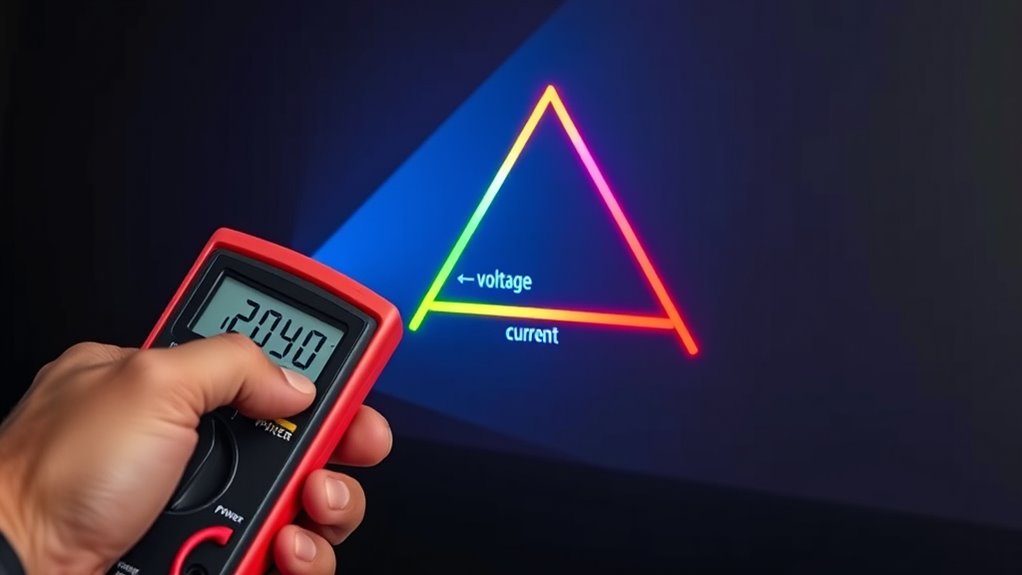
The power triangle shows how real, reactive, and apparent power relate to each other, revealing how efficiently your system uses electricity. When the phase difference between voltage and current increases, more reactive power is created, leading to energy losses. Understanding this triangle helps you identify ways to reduce power loss and improve overall power efficiency. Additionally, using power factor correction devices can help optimize these relationships for better energy use. Properly managing body jewelry measurements and materials, especially in electrical systems, can also contribute to maintaining system integrity and performance. Recognizing how phase angle impacts reactive power can further enhance your understanding of system efficiency, especially considering how cryptid mysteries and folklore influence perceptions of unseen forces and energies. A clear grasp of power factor can help you make informed decisions to minimize energy waste and enhance system stability.
Power Triangle Components
The Power Triangle visually represents the relationship between real, reactive, and apparent power in alternating current circuits, helping you understand how efficiently power is being used. Real power (P), measured in watts, is the actual work performed, like turning on a motor. Reactive power (Q), in VAR, supports magnetic and electric fields but doesn’t do any work itself. Apparent power (S), in VA, is the combined vector of real and reactive power, representing the total power drawn from the source. The triangle’s angles show the phase difference between voltage and current, which impacts power efficiency. When the phase angle is small, the triangle shrinks, indicating higher efficiency. Understanding these components helps you recognize why some power isn’t contributing to useful work and how to improve overall system performance. Decoding slang can also help in understanding informal terms used in technical discussions, making concepts like power factor more accessible. By analyzing the power factor, you can optimize your electrical systems to reduce energy waste and improve performance. Additionally, recognizing the phase angle is essential for diagnosing and correcting power efficiency issues in electrical setups. Moreover, understanding the power triangle components can aid in selecting appropriate equipment to enhance energy conservation and system stability. Improving power quality involves managing these components effectively to ensure reliable and efficient operation.
Phase Difference Effects
A smaller phase difference between voltage and current means the power triangle is more compact, which leads to higher efficiency. When the angle φ is small, most of the apparent power (VA) is real work (kW), so the power factor approaches 1. This means less reactive power (VAR) circulates without producing useful work. As the phase difference increases, the triangle widens, indicating more reactive power and less efficient power transfer. You’re fundamentally wasting energy on reactive fields, which doesn’t contribute to actual work but increases current flow. Maintaining a small phase difference keeps the power triangle tight, minimizes current draw, and improves overall system efficiency. This is why synchronizing voltage and current phases is vital for optimal power use. Power factor impacts how effectively electrical power is converted into useful work, highlighting the importance of phase alignment. Additionally, power quality can be affected by poor phase synchronization, leading to inefficiencies and potential equipment damage. Understanding how reactive power influences the system can help in designing more efficient electrical networks. Properly managing reactive power through power factor correction techniques ensures better energy utilization and system stability.
Power Loss Implications
Power losses in electrical systems become more significant when the power triangle widens due to increased reactive power. As reactive power grows, the apparent power (S) increases while real power (P) stays the same, leading to higher currents. This results in several consequences:
- Resistive losses rise because higher current causes more heat in conductors, wasting energy.
- Infrastructure costs escalate, requiring larger wires and equipment to handle increased current.
- Efficiency drops since more energy is used to push reactive power rather than do useful work, reducing overall system performance.
- Enhancing Free Floating techniques can help manage reactive power more effectively.
When the power triangle widens, your system becomes less efficient, wasting energy and increasing operational costs. Keeping power factor high minimizes these losses, ensuring your system runs smoothly and economically.

Electricity Saving Box Energy Power Savings Device to Reduce Electric Bill Power Energy Electricity Factor Saver Smart Intelligent Plug in Home Office Surge Protector Strips Voltage Outlet
Safe Energy Saving Device: This energy saving device is built with flame retardant ABS housing and internal leakage…
As an affiliate, we earn on qualifying purchases.
As an affiliate, we earn on qualifying purchases.
The Difference Between Lagging and Leading Power Factors

Understanding the difference between lagging and leading power factors is crucial for diagnosing and improving your electrical system’s efficiency. A lagging power factor occurs when inductive loads like motors draw current that lags behind voltage, causing a phase shift where current trails voltage. This is common in devices that use magnetic fields. Conversely, a leading power factor happens with capacitive loads, such as capacitor banks, where current leads voltage. Recognizing whether your system is lagging or leading helps you identify the type of reactive power present. Both conditions cause the current to be out of phase with voltage, increasing apparent power without doing useful work. Correcting these issues improves efficiency, reduces losses, and maximizes your system’s runtime. Knowing the difference helps you target the right solution.
Common Causes of Low Power Factor in Electrical Systems
Low power factor often results from certain common causes in electrical systems. Inductive loads like motors create phase differences, increasing reactive power and reducing efficiency. Additionally, nonlinear loads can distort waveforms, further dragging down the power factor.
Inductive Load Effects
Have you ever wondered why certain electrical loads reduce your system’s efficiency? Inductive loads, like motors and transformers, are common culprits. They cause the current to lag behind voltage, creating a phase difference. This lag increases reactive power, which doesn’t do any useful work but still draws current. To visualize, consider:
- Motors pulling more current than necessary due to reactive power.
- Transformers creating magnetic fields that demand additional current.
- Inductive devices causing the overall current to rise without increasing real power.
This reactive power demands thicker wiring, larger equipment, and wastes energy. As a result, your system runs less efficiently, and your runtime drops. Reducing inductive effects helps improve power factor and overall system performance.
Nonlinear Load Distortion
Nonlinear loads, such as variable frequency drives, rectifiers, and certain lighting systems, can substantially distort electrical waveforms. Instead of producing a smooth sine wave, these loads generate sharp spikes, dips, and harmonics that create a jagged current waveform. This distortion complicates the relationship between voltage and current, reducing power factor. Because the current no longer aligns cleanly with the voltage, more reactive power is produced even when no real work is done. This extra reactive power results in higher current flow, increasing losses and stressing the electrical system. Nonlinear loads often cause the power factor to drop well below unity, requiring correction measures to prevent inefficiencies and equipment damage. Fundamentally, waveform distortion from nonlinear loads hampers your system’s efficiency and capacity.
Reactive Power Demand
Reactive power demand often arises from inductive loads like motors and transformers, which consume reactive power to establish magnetic fields. These devices draw current that lags behind voltage, increasing the overall current without doing useful work. Common causes include:
- Motors and transformers: These create magnetic fields, requiring reactive power.
- Capacitive loads: Though they supply reactive power, imbalance causes low power factor.
- Non-linear loads: Devices like variable frequency drives distort waveforms, increasing reactive demand.
This reactive power increases current flow in your system, leading to inefficiencies and higher energy costs. It also stresses the electrical infrastructure, making it more prone to overheating and failures. Reducing reactive power demand helps improve power factor and system performance.
How Low Power Factor Affects Your Energy Bills and Equipment

Did you know that a low power factor can substantially increase your energy bills? When your power factor drops below ideal levels, your system draws more apparent power to deliver the same amount of real work. This means your electrical utility has to supply higher currents, which leads to increased energy losses in wires and transformers. These inefficiencies translate into higher costs on your bill, as you’re paying for more energy than you actually use productively. Additionally, low power factor can cause equipment stress and overheating, reducing lifespan. You might also face penalties or extra charges from your utility for poor power factor. Improving your power factor reduces these costs, makes your system more efficient, and helps prevent premature equipment failure.
The Impact of Power Factor on System Capacity and Losses

When your power factor is low, your system can’t handle as much load without risking overloads. This leads to higher line losses, wasting energy and increasing costs. Additionally, you’ll need to invest in bigger infrastructure to support the increased current demands.
Reduced System Capacity
A low power factor can substantially reduce your system’s capacity to handle electrical loads because it causes higher currents to flow through the wiring and equipment. This increased current demands larger conductors and transformers, limiting how much power your system can safely support. For example:
- You may need to upgrade infrastructure to prevent overheating or damage.
- Your system might reach its maximum capacity more quickly with the same load.
- Power delivery becomes less efficient, forcing generators to work harder.
These effects mean you can’t utilize your existing equipment fully, and you may face additional costs. Reduced capacity also limits future expansion, forcing you to invest in bigger, more expensive electrical components. Ultimately, a poor power factor hampers your system’s ability to operate at peak efficiency.
Increased Line Losses
Low power factor not only reduces your system’s capacity but also leads to increased line losses. When PF is low, more current flows through your wires to deliver the same amount of real power. This higher current causes resistive losses, which turn into heat and waste energy. As losses grow, your electrical system becomes less efficient, requiring larger conductors and more robust equipment to handle the increased current. These added components raise installation and maintenance costs. Additionally, the extra heat generated in the lines can shorten equipment lifespan and increase the risk of failures. Overall, a poor power factor forces your system to work harder, wasting energy and money while reducing reliability and efficiency. Improving your power factor helps reduce these line losses and enhances system performance.
Higher Infrastructure Costs
A poor power factor forces your electrical system to require larger, more expensive infrastructure to deliver the same amount of usable power. Because more current is needed, you must invest in bigger transformers, thicker wiring, and larger circuit components. This results in higher upfront costs and ongoing maintenance. To picture the impact:
- You need oversized transformers to handle increased current loads.
- You install thicker wiring to prevent overheating and voltage drops.
- You face higher costs for circuit breakers and protective devices designed for bigger currents.
These expanded components raise your initial investment and operational expenses. Over time, the inefficiency caused by low power factor also leads to increased energy losses, further escalating your total infrastructure costs. Improving power factor can considerably reduce these expenses.
Why Power Factor Influences Battery and Generator Runtime

Power factor directly impacts the runtime of batteries and generators because it determines how much of the supplied power is actually used for work. When your power factor is low, more current is needed to produce the same amount of useful energy. This means your batteries or generators must work harder, drawing more energy to deliver the same power output. Higher currents increase resistive losses in wiring and components, wasting energy. As a result, your power source depletes faster, reducing overall runtime. Conversely, a high or unity power factor minimizes unnecessary current flow, making your power system more efficient. This efficient use of energy allows your batteries and generators to operate longer without needing recharging or refueling. In essence, improving power factor directly extends your system’s operational time.
Methods to Improve and Correct Power Factor
Improving and correcting power factor involves adding devices that counteract reactive power, making your electrical system more efficient. You can do this with three common methods:
Enhance efficiency by adding devices that counteract reactive power, such as capacitors, modules, or synchronous condensers.
- Capacitor Banks: Installing capacitors provides leading reactive power, offsetting inductive loads’ lagging reactive power.
- Power Factor Correction Modules: These are integrated solutions that automatically adjust reactive power compensation based on load changes.
- Synchronous Condensers: These rotating devices generate reactive power, fine-tuning power factor dynamically.
Practical Tips to Maximize Runtime Through Power Factor Optimization

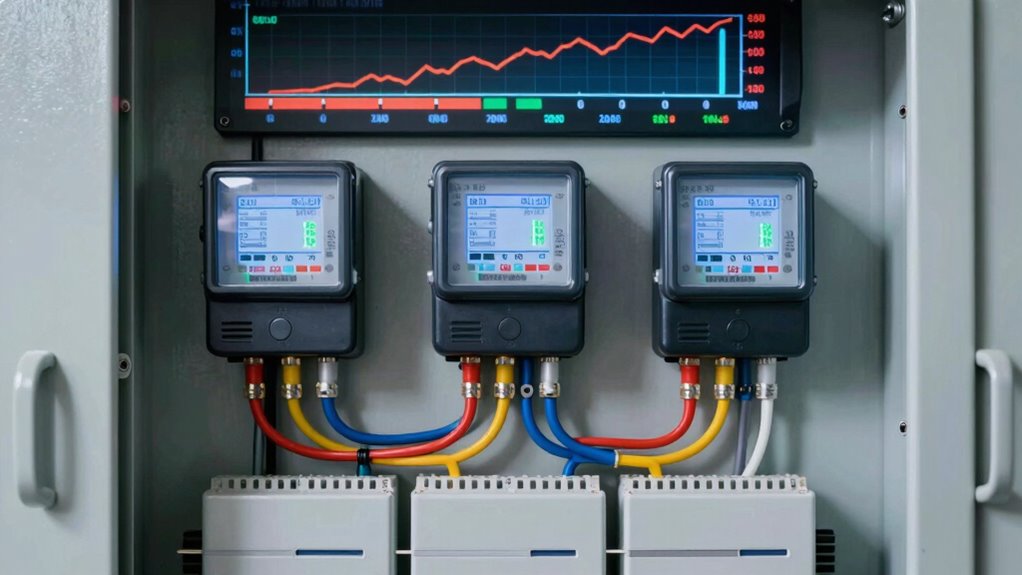
Optimizing your power factor directly boosts your system’s runtime by reducing unnecessary current flow and energy waste. To do this, start by identifying and correcting inductive loads like motors and transformers with power factor correction devices such as capacitors or synchronous condensers. Regularly inspect equipment for non-linear loads that cause waveform distortion and consider installing harmonic filters. Balance your electrical phases to prevent uneven load distribution, which can lower your overall power factor. Use power meters to monitor your system continuously, so you can spot drops in power factor early and address them promptly. Educate your team on load management, avoiding unnecessary equipment operation during off-peak hours. These proactive steps help maintain a high power factor, maximizing efficiency, reducing energy costs, and extending your system’s runtime.
Frequently Asked Questions
Can Power Factor Be 100% in All Types of Loads?
No, power factor can’t be 100% in all types of loads because some loads are inherently inductive or capacitive, causing phase differences between voltage and current. Inductive loads like motors lag, and capacitive loads lead, preventing a perfect alignment. Only purely resistive loads achieve a power factor of 1, where all power is used productively. Most real-world loads have some reactive component, making a true 100% power factor impossible.
How Does Power Factor Correction Physically Work?
Power factor correction supercharges your system’s efficiency! You do this by adding devices like capacitors or inductors that cancel out reactive power. When you install a capacitor, it supplies reactive power, reducing the current needed from your source. This balances the phase difference between voltage and current, pushes the power factor closer to perfect, and releases longer runtimes, lower energy waste, and a more powerful, efficient system.
Is Power Factor Different in Three-Phase Systems?
Yes, power factor differs in three-phase systems because it considers the combined effect of all three phases. You measure it by summing the real power across phases and dividing by the total apparent power. This approach helps you understand efficiency more accurately for three-phase loads, which often involve more complex phase relationships. Improving power factor in these systems reduces current, lowers losses, and enhances overall system performance.
What Industries Benefit Most From Power Factor Correction?
You’ll find industries like manufacturing, data centers, and utilities benefit most from power factor correction. When your equipment uses heavy motors or non-linear loads, it’s like trying to run a race with a heavy backpack—your system works harder than it needs to. Correcting power factor reduces wasted energy, lowers costs, and extends equipment life. It streamlines operations, ensuring your power system runs smoothly, just like a well-oiled machine.
How Often Should Power Factor Be Monitored and Corrected?
You should monitor and correct your power factor regularly, ideally monthly or quarterly, depending on your industry and load variability. Frequent checks help identify when it drops below recommended levels, preventing inefficiencies and equipment strain. By correcting it promptly, you maximize system efficiency, reduce energy costs, and extend equipment lifespan. Consistent monitoring also guarantees you stay compliant with utility requirements and avoid penalties associated with low power factor.
Conclusion
By understanding and improving your power factor, you might just reveal unexpected efficiency, stretching your equipment’s runtime further than you thought possible. It’s a small change that can lead to big savings and smoother operation, making every moment count. Sometimes, the simplest adjustments bring the biggest surprises—like discovering more power when you least expect it. So, take control today; your system’s potential might just surprise you when you tune into its true efficiency.