
When power is limited, essential services like hospitals, emergency responders, and water treatment stay online the longest. Noncritical loads, such as outdoor lighting, recreational equipment, and large appliances, are turned off first to reduce demand. Automated systems, operators, and policies decide which loads disconnect based on priority, potential impact, and equipment needs. To understand more about how the process works and what happens during load shedding, keep exploring these strategies.
Key Takeaways
- Noncritical loads like outdoor lighting and recreational equipment are shed first to reduce overall demand quickly.
- Residential discretionary circuits, such as pool pumps and EV chargers, are prioritized early in load shedding.
- Commercial and industrial large loads with interruptible contracts are disconnected early to protect essential services.
- Critical infrastructure like hospitals, emergency services, and water treatment plants are maintained and rarely shed.
- Automated control systems and operator decisions determine the sequence, often starting with the lowest priority loads.

GOLDENMATE 1000VA/800W Lithium UPS Battery Backup and Surge Protector, Backup Battery Power Supply with LiFePO4 Batteries(230.4 Wh), Sinewave UPS System, 10 Years Lifespan, 8 Outlets, LCD Display
[LiFePO4 Battery, Ultra-long Endurance]: This lithium UPS is equipped with a state-of-the-art Lithium Iron Phosphate Battery Pack, delivering...
As an affiliate, we earn on qualifying purchases.
Critical Infrastructure Priorities During Power Shortages
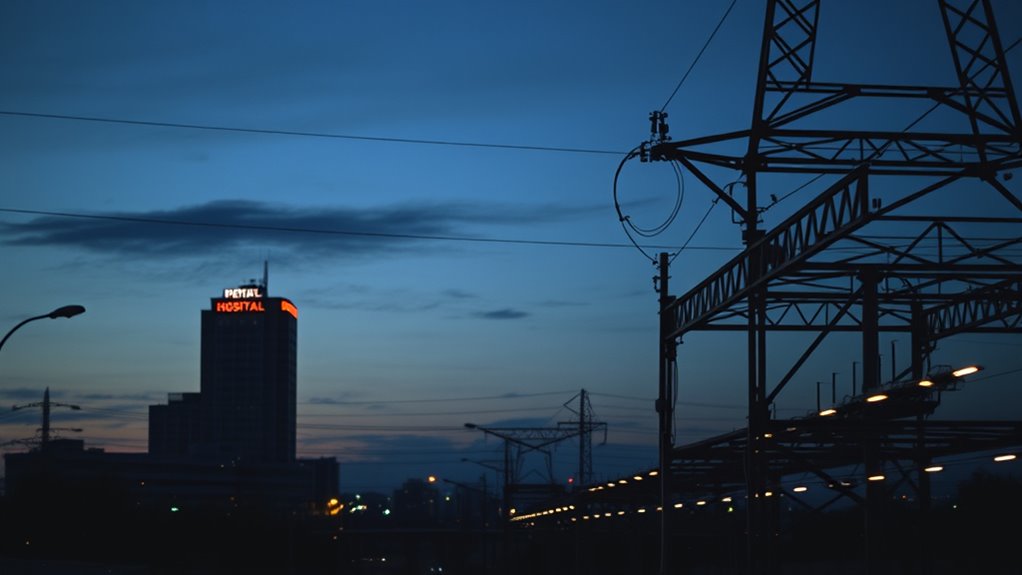
During power shortages, prioritizing critical infrastructure guarantees public safety and essential services remain operational. Hospitals and emergency medical facilities get the highest priority, often through dedicated feeds and backup generators, so patient care isn’t interrupted. Public safety agencies like police, fire, and 911 services are also prioritized to maintain communication and response capabilities. Water and wastewater treatment plants are kept online to prevent health hazards from contaminated water or sewage backups. Telecommunications and cellular infrastructure receive rapid backup power to sustain emergency communications and grid control links. Grid control centers and transmission substations are protected because losing them risks widespread blackouts and equipment damage. Additionally, European cloud infrastructure plays a vital role in supporting these critical services by providing secure, reliable, and energy-efficient data management and communication systems. Ensuring the resilience of these systems is essential for power grid stability during shortages, as it helps prevent cascading failures across interconnected networks. Furthermore, the integration of cloud-based solutions enhances the flexibility and responsiveness of these essential systems during crises. Incorporating advanced energy management systems can further optimize resource allocation and improve overall system resilience during outages.

APC UPS 600VA / 330W UPS Battery Backup & Surge Protector, 7 Outlets (NEMA 5-15R), USB Charging Port, BE600M1 Uninterruptible Power Supply for Computers, Wi-Fi Routers, and Home Office Electronics
KEEP YOUR COMPUTER, WI-FI AND ROUTER RUNNING THROUGH POWER OUTAGES: Supplies short‑term battery power during outages to maintain...
As an affiliate, we earn on qualifying purchases.
The Typical Sequence for Noncritical Load Disconnection

In a load shedding scenario, the disconnection follows a specific order based on priority and impact. You’ll typically see noncritical loads like outdoor lighting, recreational equipment, and large appliances shed first. Understanding this sequence helps you anticipate which circuits or devices might go offline during outages. Modern kitchen technology can sometimes help mitigate these disruptions by integrating smart appliances that adjust their operation during power limitations. Additionally, having an energy-efficient home setup can optimize power use and reduce the effects of load shedding on your daily activities. Proper circuit management can further aid in prioritizing essential devices and minimizing inconvenience. Being aware of power consumption patterns can also assist in preparing for and adapting to these temporary outages effectively, especially when incorporating smart home systems that can automate load reduction strategies.
Priority-Based Disconnection Order
When load shedding becomes necessary, utilities typically follow a predetermined disconnection order that prioritizes maintaining critical infrastructure while reducing nonessential demand. Usually, large industrial and commercial customers with interruptible contracts are shed first to protect essential public services. Next, nonessential commercial loads, like shopping centers and entertainment venues, are disconnected to lower overall demand. Residential discretionary circuits, such as exterior lighting, pool pumps, and EV chargers, are targeted early, along with HVAC systems, especially central air conditioning, which contribute considerably to peak loads. Electric water heaters and clothes dryers are also often shed in later stages. This sequence helps balance the grid, minimize disruptions to vital services, and efficiently manage limited power resources during shortages. Additionally, fuel injection cleaning in vehicle maintenance can improve efficiency, reducing unnecessary power consumption and easing grid stress during peak periods. Understanding the load shedding priorities allows consumers to better prepare and mitigate inconvenience during power shortages. Incorporating smart home systems can also help optimize energy use and adapt to disconnection schedules seamlessly. Proper maintenance of appliances and understanding power management strategies further enhance resilience during outages. Implementing energy-efficient appliances can further reduce overall demand and ease the impact during these times.
Common Shedding Targets
Have you ever wondered which loads are shed first when power is limited? Typically, utilities target noncritical residential and commercial loads to reduce demand quickly. Large commercial customers on interruptible contracts are usually disconnected first to protect essential services. Nonessential commercial spaces like shopping centers, entertainment venues, and offices often see their power cut early in outages. Residential discretionary loads such as exterior lighting, pool pumps, and EV chargers are staged for automatic or manual shutdowns to curb peak demand. HVAC systems, especially central air conditioning, are cycled or turned off early, as they consume significant energy during peak hours. Electric water heaters and clothes dryers are also often included in load management schemes, helping keep overall demand manageable during shortages. Additionally, load shedding strategies are designed to prioritize critical infrastructure and maintain grid stability during times of limited power availability.

CyberPower ST425 Standby UPS Battery Backup and Surge Protector, 425VA/260W, 8 Outlets, Compact, UL Certified
425VA/260W Standby Battery Backup Uninterruptible Power Supply (UPS) System uses simulated sine wave output to safeguard home office...
As an affiliate, we earn on qualifying purchases.
Control Systems and Mechanisms That Decide What Turns Off
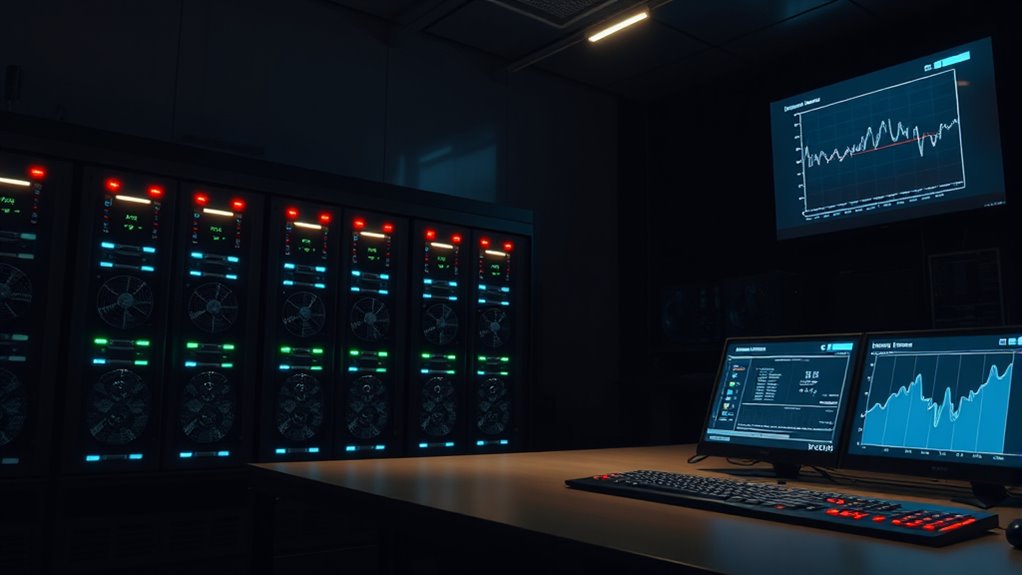
You rely on automated load control systems and operator decisions to determine what turns off during a load shed. Automated schemes respond instantly to system conditions, using relays and smart meters to disconnect specific loads or zones. Operators can intervene manually to prioritize critical infrastructure or address localized issues when automatic responses aren’t enough. Additionally, understanding the energy savings & comfort benefits of controlled load shedding can help inform better decision-making during power limitations. For example, selecting appropriate smart home devices and settings can improve overall energy efficiency and comfort in your home environment. Incorporating thermal behavior considerations into your load management strategies can further optimize system performance and safety. Recognizing how home safety & accessibility can be maintained during power outages is essential for minimizing risks and ensuring continuous safety.
Automated Load Control
Automated load control systems play a crucial role in managing power outages efficiently by quickly determining which loads to shed during grid stress. These systems use real-time data and predefined rules to make rapid decisions, minimizing disruptions. They rely on several mechanisms:
- Frequency and Voltage Sensors: Detect system stress and trigger automatic shedding when thresholds are crossed.
- Smart Meters and Distribution Automation: Enable targeted disconnection at circuit or customer levels based on priority and contractual agreements.
- Control Algorithms: Follow priority lists, critical infrastructure exemptions, and pre-established load-shedding stages to decide what turns off first.
Operator Decision Processes
Operator decision processes are critical in managing load shedding during power system stress, as they determine which loads are disconnected based on real-time conditions and strategic priorities. You rely on control systems like underfrequency relays that automatically trigger shedding when frequency drops, quickly balancing supply and demand. Manual operator actions from control centers can override automatic schemes to protect critical infrastructure or address localized issues. Utilities also use preplanned load-shedding schemes, such as rotating outages, to distribute the impact evenly across regions. Smart meters and distribution automation enable targeted disconnections at the circuit level, while contractual agreements prioritize certain customers or loads for exemption. These decision processes combine automatic responses with human oversight, ensuring that power is managed effectively and safely during shortages.

Jackery Portable Power Station Explorer 300, 293Wh Backup Lithium Battery, Solar Generator for Outdoors Camping Travel Hunting Blackout (Solar Panel Optional)
SPEED UP YOUR RECHARGEABILITY: It takes only 2 hours to recharge 80% battery of the power station through...
As an affiliate, we earn on qualifying purchases.
Duration, Stages, and Regional Practices in Load Shedding

Duration, stages, and regional practices in load shedding vary based on the severity of the supply shortfall and local operational policies. You’ll notice that utilities implement different strategies depending on how critical the shortage is. Typically, these include:
- Stages of shedding — incremental levels where higher stages shed larger portions of demand, with each stage representing increased severity.
- Duration — rolling outages usually last from 15 minutes to several hours per rotation, adjusted to reserve margins and operational goals.
- Regional practices — some regions favor short, frequent rotations to limit continuous outages, while others prefer longer, fewer outages to reduce switching wear.
Automatic, frequency-based shedding happens within seconds, but planned outages are scheduled hours ahead. Regional directives and policies shape how long and how often outages occur.
Effects of Shedding on Equipment and How to Mitigate Damage
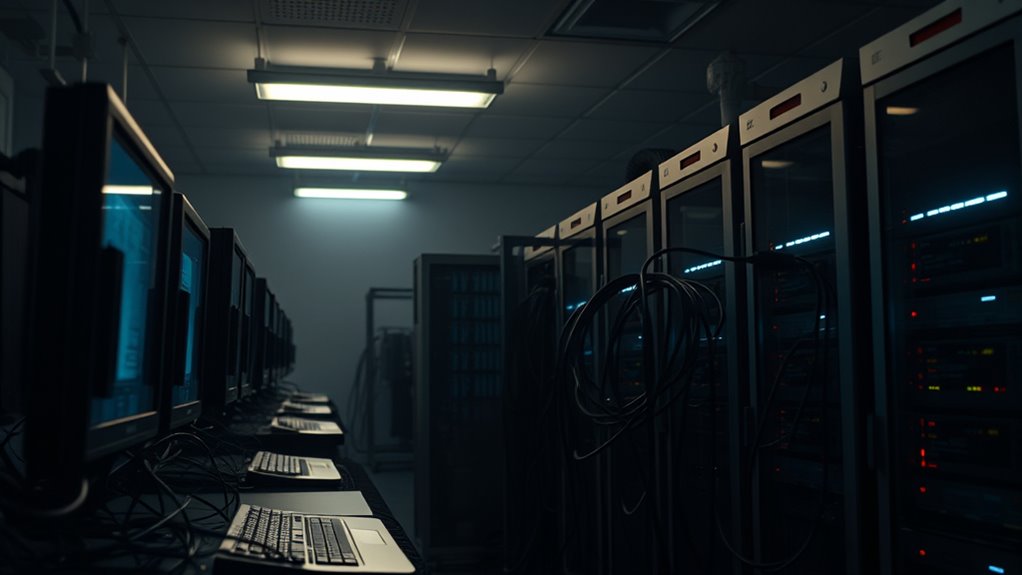
Load shedding can cause significant stress on electrical equipment, especially if it’s not designed to handle sudden power changes or interruptions. When power is restored after shedding, equipment may experience high inrush currents, which can damage motors, transformers, and other components. Sensitive electronics, like data centers and medical devices, are vulnerable to voltage fluctuations and power surges. To prevent damage, you should install uninterruptible power supplies (UPS), surge protectors, and voltage regulators. Proper sequencing during restoration helps avoid overloads, while regular maintenance ensures equipment can handle transient conditions. Additionally, coordinating load shedding with smart control systems minimizes abrupt power changes. Implementing power quality management measures helps extend equipment lifespan, reduce repair costs, and maintain reliable operation during power fluctuations. Moreover, educating staff on power management protocols can further reduce risks associated with sudden outages and restorations. Ensuring that equipment is compatible with transient voltage conditions is also crucial for resilience during unpredictable power events. Regularly testing and upgrading protective devices can further enhance equipment resilience against power disturbances. Incorporating surge protection devices at critical points can provide an extra layer of defense, safeguarding sensitive equipment from unexpected voltage spikes.
Policies, Customer Programs, and Technologies Influencing Shedding Decisions
Policies, customer programs, and advanced technologies play a key role in shaping how utilities decide which loads to shed during outages. They help prioritize critical services and optimize outage management. First, regulatory policies establish critical-infrastructure lists, protecting essential services like healthcare, water, and emergency response from shedding. Second, customer programs like demand-response and interruptible tariffs incentivize certain customers to reduce loads first, easing system stress. Third, technologies such as smart meters, automation, and distributed energy resources enable targeted, real-time shedding. These tools allow utilities to disconnect specific feeders or appliances, minimizing disruptions. Together, these elements create a structured, efficient approach to load shedding, balancing grid stability with public safety and customer needs during power shortages.
Frequently Asked Questions
How Do Utilities Determine the Exact Order of Load Shedding?
You can understand that utilities determine the load shedding order based on a priority list of critical infrastructure, contractual agreements, and customer categories. They use automatic triggers like frequency relays, smart meters, and pre-planned schemes to disconnect non-essential loads first. Critical services like hospitals and emergency responders are protected, while residential and commercial loads are shed in stages, balancing safety, efficiency, and fairness across the system.
What Role Do Customer Contracts Play in Load Shedding Priorities?
Customer contracts act like a safety net, guiding utilities on who stays powered during shortages. You might picture these contracts as a set of rules, with some customers marked as critical—like hospitals and emergency services—that never turn off. Others, like businesses with interruptible agreements, are the first to be cut. Your contract determines your priority, ensuring essential services keep running while non-essentials are shed to balance the grid.
How Quickly Can Automated Systems Respond to Grid Disturbances?
Automated systems respond to grid disturbances within seconds to minutes. Underfrequency relays detect drops in system frequency and trigger load shedding instantly to restore balance. Distribution automation and smart meters can disconnect specific circuits or appliances rapidly, often in less than a few seconds. These quick responses help prevent wider outages, protect equipment, and maintain grid stability during sudden disturbances or contingencies.
Are Renewable Energy Sources Affected Differently During Power Shortages?
Imagine the sun hiding behind dark clouds, causing your solar panels and wind turbines to fade into silence. During power shortages, renewable energy sources are affected just like traditional ones—they produce less or no power when sun and wind are scarce. This drop can trigger load shedding, leaving your renewable systems temporarily silent. Their variability makes them vulnerable during shortages, emphasizing the need for backup plans and energy storage to keep power flowing.
How Do Regional Policies Influence Load Shedding Duration and Frequency?
Regional policies directly impact load shedding duration and frequency by setting guidelines for automatic and manual outages. You’ll notice some regions prefer short, frequent rotations to limit continuous outages, while others schedule longer intervals to reduce switch wear. These policies also determine how often utilities can cycle through different stages of shedding, balancing system stability with customer needs, and ensuring critical infrastructure remains operational during shortages.
Conclusion
While essential services stay online, your appliances might go dark first. It’s a reminder that maintaining critical infrastructure keeps society running, but everyday comforts often come last. You might not notice the power cut, yet it impacts industries and emergency services profoundly. Understanding this balance helps you appreciate the system’s complexity—and why sometimes, turning off your device is the smallest sacrifice during a larger effort to keep the lights on for everyone.