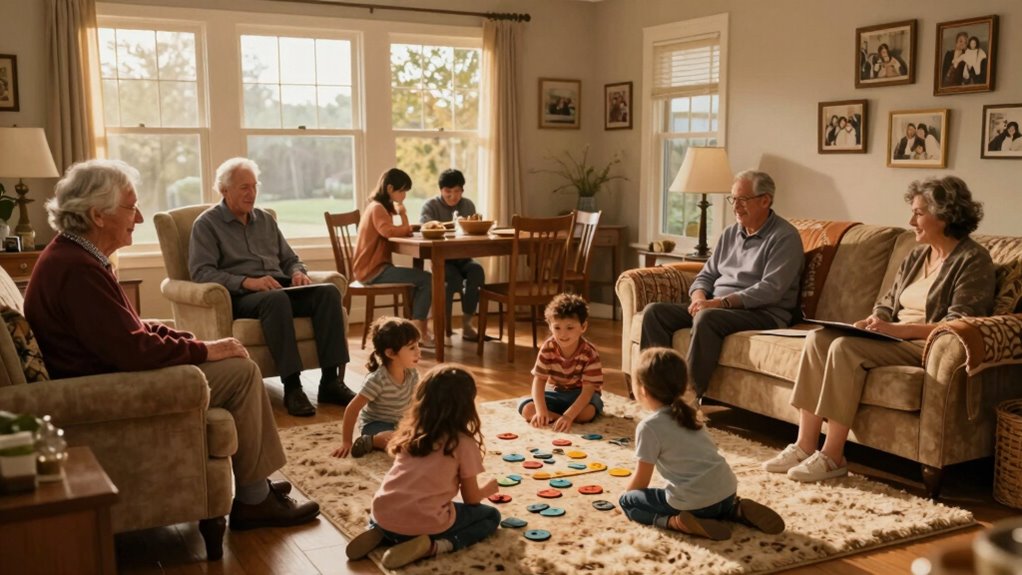

To prepare your multigenerational home for power outages, assign clear roles early on. Decide who manages backup systems like generators and batteries, and who oversees medications, mobility, and medical appointments. Establish communication plans and emergency procedures tailored to your household’s needs. Sharing responsibilities reduces confusion during crises and keeps everyone supported. If you keep exploring, you’ll discover essential strategies to strengthen your household’s resilience and ensure everyone stays safe when the lights go out.

Get backup power and energy gear delivered free — and shop member deals
- Fast, free delivery on millions of items
- Access to Prime Big Deal Days deals on October 6–7
- Prime Video, Amazon Music and more included
Key Takeaways
- Assign specific caregiving roles for medications, mobility, and appointments to ensure continuous support during outages.
- Designate a utility or backup system manager to monitor generators, batteries, and supplies proactively.
- Develop a clear emergency communication plan with designated leaders and backup methods like radios or walkie-talkies.
- Establish shared household responsibilities to coordinate meal prep, logistics, and resource management efficiently.
- Regularly review and practice emergency plans to ensure all household members understand their roles before power disruptions occur.
As an affiliate, we earn on qualifying purchases.
Understanding the Growing Trend of Multigenerational Living

The trend of multigenerational living is steadily gaining momentum across the United States, driven by economic, social, and cultural factors. Nearly 25% of homeowners now live in multigenerational households, and these arrangements account for 17% of home purchases in 2025. Gen X leads this shift, with 21% buying multigenerational homes. The pandemic played a significant role, prompting many to consolidate households for safety and support. Cost-sharing, caregiving needs, and cultural norms also fuel this growth, especially among diverse communities. As housing prices rise and affordability becomes tougher, more families seek homes with separate living spaces like ADUs or in-law suites. Additionally, high-quality projectors are increasingly popular in multigenerational homes for creating shared entertainment spaces that cater to all ages. Designing these homes with flexible living spaces helps accommodate varying needs and activities for multiple generations. Understanding these drivers helps you grasp why multigenerational living is becoming a fundamental part of America’s housing landscape. The sustainable housing movement also influences the design of these homes, encouraging energy-efficient features to reduce long-term costs and environmental impact.
As an affiliate, we earn on qualifying purchases.
Key Benefits of Pre-Assigning Household Roles

Pre-assigning household roles offers clear advantages in managing multigenerational living arrangements. When everyone knows their responsibilities, it reduces confusion and conflict, especially during emergencies or outages. You can designate who handles medication management, mobility assistance, and medical appointments, ensuring essential tasks are covered without last-minute scrambling. Assigning a utility or backup system manager helps keep generators and batteries operational, preventing disruptions. Clarifying who manages food logistics and shared meal prep streamlines daily routines and minimizes waste. Appointing a communication coordinator ensures everyone stays connected and informed during power outages. Additionally, understanding auditory processing test components can help tailor interventions to support communication needs within the household. Recognizing the importance of essential oils for household health can also contribute to a more comfortable environment during stressful times. Incorporating smart home automation can further enhance household management and safety during outages. Finally, designating a financial or insurance administrator helps track expenses and coordinate claims quickly. These upfront role assignments create a smoother household operation, foster cooperation, and prepare you better for unexpected events. Additionally, understanding ear wax odor can help identify potential health issues early, promoting overall household well-being. Being aware of emergency preparedness plans can also ensure everyone knows how to respond swiftly in critical situations.
As an affiliate, we earn on qualifying purchases.
Essential Roles for Emergency Preparedness in Multigenerational Homes

You need to assign clear caregiving roles so everyone knows who manages medications, mobility, and appointments during emergencies. It’s also essential to establish backup utility strategies, like generator monitoring, to keep critical systems functioning. Additionally, integrating smart appliances can help automate tasks and provide status updates during outages. Implementing thermal behavior awareness can assist in maintaining safe environments when power is disrupted. Understanding power management strategies can further enhance your home’s resilience during outages. To ensure everyone is prepared, developing a comprehensive emergency plan that includes roles, supplies, and communication methods is crucial. Finally, creating a communication plan ensures all household members stay connected and informed during outages or crises.
Caregiving Assignments Clearly Defined
Caregiving assignments clearly defined in multigenerational homes is essential for effective emergency preparedness. When everyone knows their role, confusion and delays decrease during power outages or medical crises. Start by assigning specific tasks like medication management, mobility support, and appointment coordination. Having clear responsibilities guarantees continuous care, even if communication lines falter. Use the table below to assign roles based on skills and availability:
| Role | Responsible Member | Backup Person |
|---|---|---|
| Medication Management | Aunt Lisa | Uncle Joe |
| Mobility Assistance | Grandpa Bob | Cousin Sam |
| Medical Appointment Coordination | Mom | Dad |
Regularly review and update roles to adapt to changing needs. This clarity keeps your household safe and organized. Understanding household safety measures can further strengthen your emergency plans, especially considering the horsepower of electric dirt bikes that some family members might use for transportation or recreation. Moreover, staying informed about advances in nanotechnology can provide innovative solutions for medical and safety equipment in emergencies.
Backup Utility Management Strategies
Effective backup utility management is essential for guaranteeing continuous access to electricity, water, and heating during emergencies in multigenerational homes. You should assign a dedicated utility or backup system manager responsible for monitoring generators, battery systems, and propane supplies. This person ensures all systems are operational before an outage occurs and performs regular maintenance checks. Keep emergency supplies such as fuel, batteries, and water on hand, and develop a plan for prioritizing essential appliances and services. Track the status of backup systems and establish clear procedures for activating them during outages. Additionally, coordinate with household members to understand their needs and assign specific roles, so everyone knows what to do if utilities fail. Proper planning and designated roles help maintain safety, comfort, and essential functions when the lights go out. Incorporating smart-home integrations can further enhance the management and responsiveness of backup systems during emergencies. Regularly reviewing and updating emergency plans ensures all household members stay informed and prepared for various scenarios. Conducting regular system inspections can prevent unexpected failures during critical moments and ensure reliability when it matters most. Establishing a communication protocol among household members can help coordinate responses quickly and effectively during power outages.
Communication Plans for All
In multigenerational homes, having a thorough communication plan is essential to make certain everyone stays informed and coordinated during emergencies. Clear communication helps prevent confusion, delays, and overlooked needs. To guarantee everyone is on the same page, consider these steps:
- Assign a communication leader responsible for sharing updates and coordinating info.
- Create and regularly update contact lists, including emergency contacts for all household members.
- Establish backup communication methods, like battery-powered radios or walkie-talkies, in case phones fail.
- Set specific protocols for sharing vital information, such as evacuation plans or medical needs, during outages or crises.
multi-generational home safety kit
As an affiliate, we earn on qualifying purchases.
As an affiliate, we earn on qualifying purchases.
Planning for Caregiving and Medical Support Responsibilities

Planning for caregiving and medical support responsibilities is essential in multigenerational households to guarantee smooth operation and safety. You should designate who manages medication, mobility, and medical appointments to prevent confusion during emergencies. Assign a household member as the utility or backup system manager to oversee generators and essential supplies. Track perishables and coordinate meal prep during outages to ensure food safety. Establish a communication role to maintain contact lists, battery rotations, and device charging schedules. Finally, appoint a financial or insurance coordinator to handle emergency expenses and claims promptly. Use this table to clarify roles:
| Role | Responsibilities | Key Considerations |
|---|---|---|
| Caregiver | Manage medication, assist mobility | Knowledge of medical needs |
| Utility/Backup Manager | Monitor generators, supplies | Regular system checks |
| Food/Water Coordinator | Track perishables, organize meals | Rotation schedules |
| Communication Lead | Maintain contact info, device management | Battery and device readiness |
| Financial/Insurance Admin | Handle expenses, document damages | Keep records organized |
Managing Household Operations During Power Outages

Managing household operations during power outages requires proactive coordination to guarantee safety and continuity of essential functions. To do this effectively, assign specific roles ahead of time. Here are four key steps:
- Designate a backup system manager to monitor generators, batteries, and propane supplies, ensuring power sources stay operational. Regular maintenance and load management are critical to prevent overloads and system failures.
- Create a communication plan with designated contacts, battery-charging schedules, and alternative device usage to keep everyone connected.
- Assign a food and water coordinator to track perishables, rotate supplies, and organize shared meals if power is out for an extended period.
- Identify a caregiver or medical support lead responsible for medication management, mobility assistance, and medical appointments to maintain health needs.
- Consider using a portable inverter generator to provide reliable backup power while minimizing noise and emissions.
Clear role assignment minimizes confusion and keeps your household safe during outages.
Financial Coordination and Resource Management Strategies

Effective financial coordination is essential for multigenerational households to optimize resources and minimize conflicts. You should establish clear agreements on shared expenses like mortgage, utilities, and groceries upfront, so everyone understands their responsibilities. Pooling resources can improve affordability and strengthen household resilience, especially during economic shifts. Assign roles such as a designated financial manager to track expenses, handle bill payments, and prepare budgets. Use shared digital tools or apps to monitor spending and savings transparently. Regularly review financial plans as circumstances change, like job status or health needs. Open communication about money reduces misunderstandings and builds trust. Incorporating traditional Indonesian principles, such as balancing artistic expression with functionality, can also foster harmony within the household. Additionally, understanding wave and wind patterns can help households plan for seasonal financial fluctuations and resource availability. Recognizing the importance of financial literacy can empower household members to make informed decisions and adapt to changing economic conditions. By coordinating finances proactively, you create a stable environment where household members can focus on supporting each other without money-related stress.
Enhancing Safety With Home Adaptations and Accessibility Features

Home safety is critical in multigenerational households, especially as members age or have mobility challenges. To enhance safety, consider these key adaptations:
- Install grab bars and handrails in bathrooms and stairways to prevent falls.
- Opt for single-story layouts or add ramps to improve accessibility for those with mobility issues.
- Widen doorways and hallways to accommodate wheelchairs or walkers.
- Incorporate universal design features like lever handles, non-slip flooring, and good lighting throughout the home.
These modifications not only reduce accident risks but also support independence for aging members. Prioritizing accessibility features ensures everyone can navigate the home safely and comfortably, fostering a secure environment for all generations.
Building Community Support and Navigating Policy Changes

You can play a key role in building community support by engaging with local programs and advocating for policy changes that make multigenerational living easier. When policies are flexible and responsive, they open up more housing options and strengthen neighborhood resources. Your involvement helps guarantee families have the support and protections they need to thrive in shared living arrangements.
Policy Adjustments Facilitate Housing
Policy adjustments play a crucial role in shaping the availability and integration of multigenerational housing by fostering community support and streamlining regulations. These changes make it easier to build, modify, and live in multigenerational homes. Here are some key ways policies help:
- Zoning reforms enable the construction of Accessory Dwelling Units (ADUs) and in-law suites, increasing housing options.
- Permitting processes are being simplified to reduce delays and costs for homeowners adding secondary units.
- Occupancy rules are evolving to support larger, multigenerational households without legal barriers.
- Incentive programs encourage renovations and upgrades tailored to aging-in-place and privacy needs.
These policy shifts facilitate easier legal, financial, and practical integration of multigenerational living, making it a more indispensable choice for families.
Community Programs Support Families
How do community programs enhance support for multigenerational families and help them adapt to policy changes? They provide essential resources like caregiver respite, home modifications, and emergency preparedness. These programs ease the strain on households by offering targeted assistance, ensuring safety, and fostering resilience. For example, community-led workshops can clarify zoning rules, while subsidy programs help fund renovations like ADUs. Local organizations also coordinate services, reducing confusion during crises. Here’s a snapshot of common support areas:
| Program Type | Services Offered | Benefits |
|---|---|---|
| Caregiver Respite | Short-term relief, counseling | Prevent burnout, improve well-being |
| Home Modification Grants | ADA upgrades, safety improvements | Enhance accessibility, safety |
| Emergency Preparedness | Training, supplies, communication plans | Minimize risks during outages |
| Policy Navigation Help | Zoning advice, legal support | Simplify compliance, expand options |
Advocacy Promotes Resilience
Community advocacy plays a pivotal role in strengthening the resilience of multigenerational households by fostering support networks and shaping policies that reflect their needs. Your involvement can influence zoning laws, funding for home modifications, and access to caregiver support programs. To effectively advocate, consider these actions:
- Engage with local policymakers to promote flexible zoning and ADU regulations.
- Support community programs that offer caregiver respite and emergency preparedness resources.
- Participate in public forums or coalitions focused on affordable, multigenerational housing solutions.
- Share success stories to highlight benefits and garner broader support for policy changes.
Frequently Asked Questions
How Do I Determine the Best Roles for Each Household Member?
You should start by evaluating each person’s skills, needs, and preferences. Talk openly about responsibilities like caregiving, cooking, and chores. Consider health conditions and availability to assign tasks realistically. Create a clear plan, designating roles for emergencies and daily routines. Regularly revisit these roles to guarantee they’re working well. This proactive approach minimizes confusion, strengthens cooperation, and keeps your household running smoothly during any situation.
What Are Common Challenges in Assigning Household Responsibilities?
You might face challenges like balancing differing schedules, preferences, and abilities when assigning responsibilities. Communication gaps can cause misunderstandings, and conflicts may arise over fairness or decision-making authority. It’s easy to overlook individual strengths or limitations, leading to frustration. To avoid this, involve everyone in discussions, clarify expectations, and adjust roles as needed, ensuring responsibilities are fair and aligned with each person’s skills and circumstances.
How Often Should Household Roles Be Reviewed and Updated?
You should review and update household roles regularly, ideally every six months or when major changes occur, like new members joining or health issues arising. Staying proactive guarantees responsibilities stay clear and adaptable to evolving needs. Frequent check-ins help prevent misunderstandings, reduce conflicts, and keep everyone aligned. Remember, open communication is key—don’t wait until problems surface; address potential issues early to maintain harmony in your multigenerational household.
What Training or Guidance Is Recommended for Emergency Preparedness Roles?
Think of emergency preparedness roles like a well-rehearsed dance—everyone needs clear guidance. You should provide training on using backup systems, food and water logistics, and communication protocols. Share written plans and hold regular drills to reinforce procedures. Make certain all household members understand their responsibilities, especially in power outages or emergencies. Continuous guidance helps everyone stay calm and coordinated, making your household more resilient when it really counts.
How Can Technology Assist in Managing Household Responsibilities During Outages?
Technology can streamline household responsibilities during outages by using smart devices and apps. You can set up alerts for power status, monitor backup systems remotely, and coordinate caregiving tasks via shared calendars. Portable chargers and battery-powered communication devices keep everyone connected. Automated systems, like smart thermostats and security cameras, help maintain safety and comfort. By leveraging these tools, you guarantee smoother management and quick response during emergencies, reducing stress for your household.
Conclusion
Just as a ship’s crew must work in harmony to weather any storm, your multigenerational home thrives when roles are clear before darkness falls. By planning ahead, you guarantee everyone knows their part, turning potential chaos into coordinated calm. Embrace this proactive mindset now, so when the lights go out, your household sails smoothly through the storm, echoing the timeless wisdom that preparation is the key to enduring any challenge.
Fall Picks
fall essentials
As an affiliate, we earn on qualifying purchases.