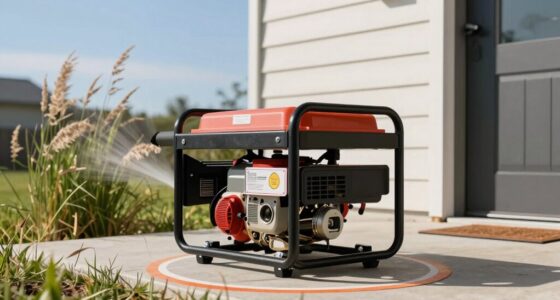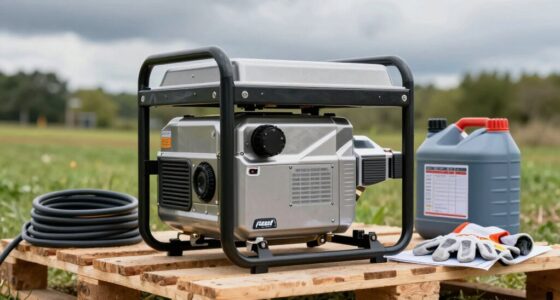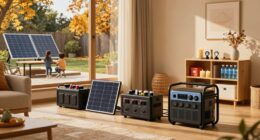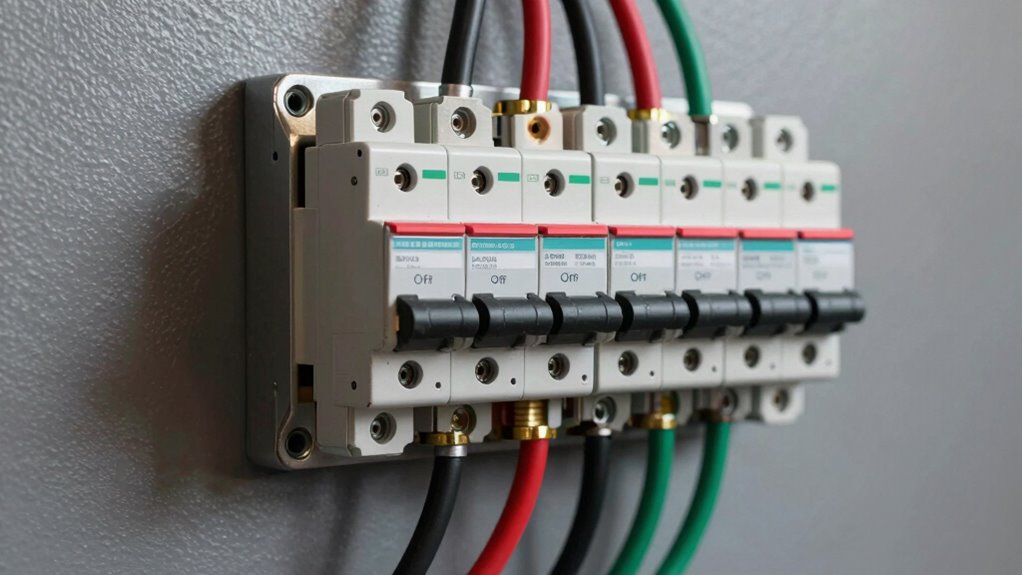
A transfer switch safely connects your generator to your home’s electrical system, preventing dangerous backfeeding into utility lines. It automatically or manually switches power from the grid to your generator, ensuring your essential appliances stay powered without risking harm to utility workers or your neighbors. Proper installation isolates your generator’s power, making sure everything works smoothly and safely. If you want to know how to choose and install the right transfer switch, keep exploring for more details.

Get backup power and energy gear delivered free — and shop member deals
- Fast, free delivery on millions of items
- Access to Prime Big Deal Days deals on October 6–7
- Prime Video, Amazon Music and more included
Key Takeaways
- Connects the generator to your home’s electrical system safely, preventing backfeeding into utility lines.
- Automatically or manually switches power supply from utility to generator during outages.
- Fully isolates generator power from utility lines to avoid electrical hazards.
- Ensures essential appliances receive power safely without risking utility worker safety.
- Helps maintain a smooth, reliable power transfer during outages with proper installation.
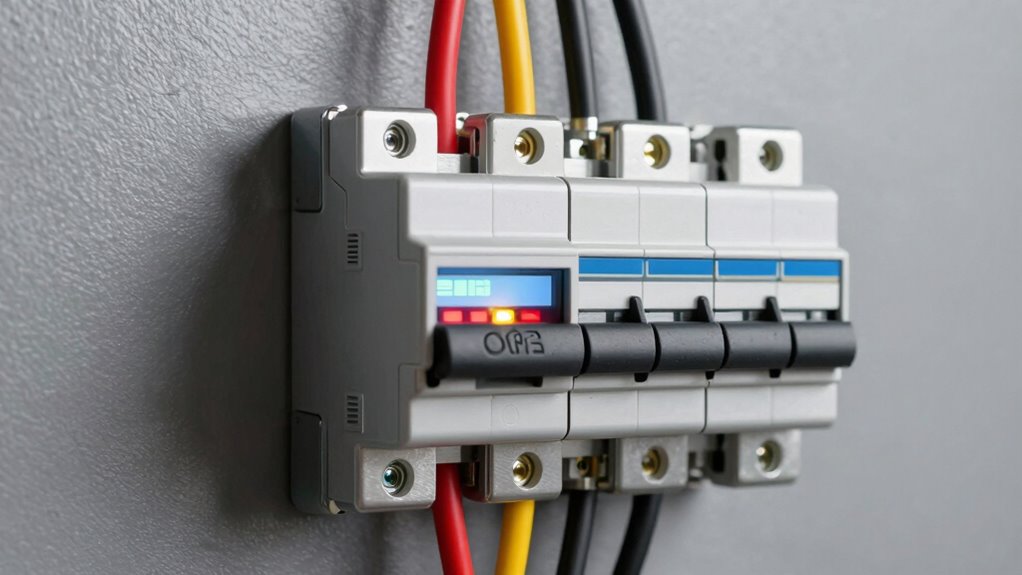
Ever wondered how to keep your home safe when using a generator? A transfer switch is your best safeguard, ensuring that your generator operates smoothly and securely during power outages. It acts as a vital link between your generator and your home’s electrical system, preventing dangerous backfeeding that could harm you or utility workers. When the power goes out, you don’t need to scramble with manual operation of your breaker panel or risk improperly connecting devices. Instead, a transfer switch automates or simplifies the process, making sure your generator supplies power safely to your essential appliances and circuits.
One of the key roles of a transfer switch is to prevent power interruption issues that could occur if you try to switch loads manually. Without a transfer switch, you might attempt to connect your generator directly to your home wiring, which is dangerous and illegal in many places. Manual operation of your system during an outage can lead to accidental backfeeding into the grid, posing serious risks. A transfer switch eliminates this hazard by ensuring that your generator’s power source is fully isolated from the utility lines when switching between the main power and backup power. This isolation prevents power from flowing back into the utility lines, protecting utility workers and your neighbors. Proper installation and wiring are essential to ensure your system functions correctly and safely. Additionally, understanding electrical safety procedures can help prevent accidents during setup and operation. Being aware of generator capacity also helps in selecting the right transfer switch for your needs, ensuring efficient and safe operation. Recognizing the importance of safety standards can further enhance your system’s reliability and compliance.
Additionally, a transfer switch offers convenience and peace of mind. Automatic transfer switches detect outages instantly and switch over to generator power without you needing to do anything. This means your home can continue running smoothly, and you won’t be left in the dark for long. For manual transfer switches, you still get control, but you operate the switch yourself—usually by flipping a lever or pressing a button—once you’re aware of the outage. This manual operation gives you flexibility, especially if you want to choose specific circuits to power or if automatic systems aren’t an option. Proper installation and understanding of home electrical safety are crucial to ensure your system functions correctly and safely.
automatic transfer switch for generator
As an affiliate, we earn on qualifying purchases.
As an affiliate, we earn on qualifying purchases.
Frequently Asked Questions
Can a Transfer Switch Be Used With Any Generator Brand?
Yes, a transfer switch can be used with most generator brands, but you need to take into account generator compatibility and transfer switch types. Some transfer switches are designed for specific wattages or connection types, so check if your generator matches these requirements. Universal transfer switches offer more flexibility across brands, while dedicated models may only work with certain generators. Always ensure compatibility to ensure safe, reliable operation.
How Much Does a Transfer Switch Installation Typically Cost?
Think of installation costs as planting a sturdy tree; it varies based on your home’s size, the transfer switch’s complexity, and labor rates. Typically, you’ll spend between $300 to $1,200, including parts and professional help. Remember, maintenance features and safety precautions like proper grounding and regular checks guarantee your investment stays strong and reliable. While it’s a bit of a financial sapling now, it pays off with peace of mind during outages.
Is Professional Installation Necessary for a Transfer Switch?
Yes, professional installation is necessary for a transfer switch. It guarantees safety precautions are properly followed, preventing electrical hazards, and guarantees the switch functions correctly. A licensed electrician also handles maintenance requirements, such as regular inspections and testing, ensuring continued safety and reliability. DIY installation risks damage and safety issues, so hiring a professional not only protects your home but also keeps your generator setup compliant with electrical codes.
How Often Should I Test My Transfer Switch?
You should test your transfer switch at least once a year to guarantee it works properly. Regular maintenance tips include inspecting for corrosion, loose connections, and signs of wear. If you notice any troubleshooting issues, like it not switching correctly, address them promptly to maintain safety. Testing ensures your transfer switch functions reliably during power outages, so make it part of your routine maintenance schedule for peace of mind and safety.
Can I Connect Multiple Appliances Directly to the Transfer Switch?
Connecting multiple appliances directly to your transfer switch isn’t safe or recommended. It can overload the system, risking appliance damage and fire hazards. To maintain appliance safety and effective power management, you should use a transfer switch only for selected circuits, not for individual appliances. Always follow manufacturer guidelines and consult an electrician. Remember, safety isn’t just a priority—it’s the foundation of reliable backup power during emergencies.
manual transfer switch for home backup power
As an affiliate, we earn on qualifying purchases.
As an affiliate, we earn on qualifying purchases.
Conclusion
A transfer switch acts like a guardian, quietly ensuring your safety when the power goes out. Without it, you’re like a sailor steering stormy seas without a compass—at risk of danger and damage. Remember the resilience of those who faced adversity and triumphed; your safety depends on making smart choices. Installing a transfer switch isn’t just about convenience—it’s about protecting your loved ones and honoring the peace of mind they deserve.
generator transfer switch installation kit
As an affiliate, we earn on qualifying purchases.
As an affiliate, we earn on qualifying purchases.
As an affiliate, we earn on qualifying purchases.
Fall Picks
fall essentials
As an affiliate, we earn on qualifying purchases.