
TL;DR
Listen free for 30 days with Audible
Thousands of audiobooks and originals — cancel anytime.
Start your free trialAs an affiliate, we earn on qualifying purchases.
A homeowner’s personal server crashed unexpectedly but was recovered through troubleshooting and hardware repairs. This story illustrates common issues faced by DIY tech enthusiasts and the importance of backup strategies.
The home server, which had been running for over two years, unexpectedly crashed last week, rendering all data inaccessible. After days of troubleshooting, the owner successfully restored the server, marking a significant personal achievement. This incident underscores the risks and resilience involved in managing DIY home servers, which are increasingly popular among tech enthusiasts.
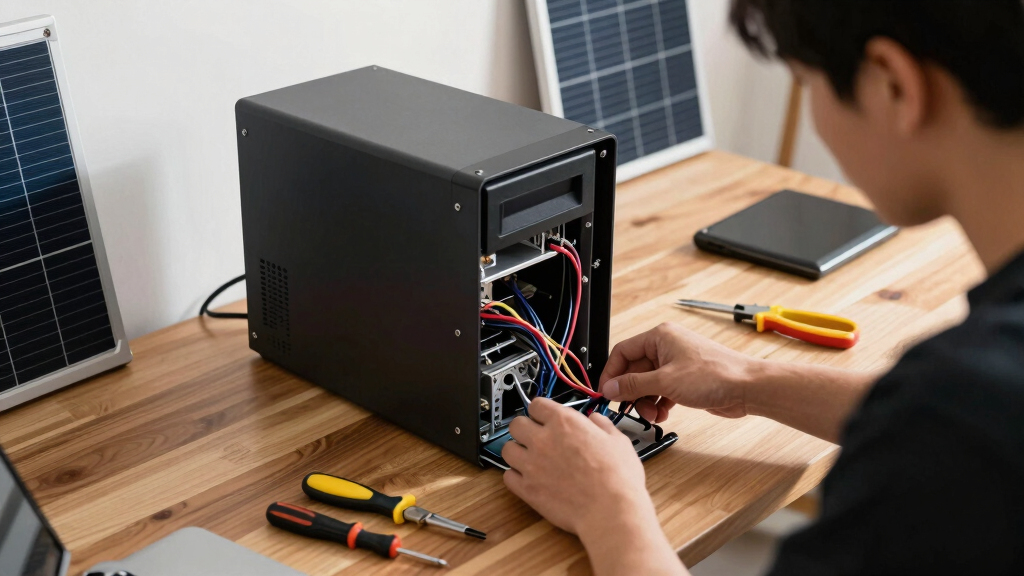
The server, operated by a hobbyist, experienced a hardware failure believed to be caused by a power surge. The owner initially suspected a corrupted operating system but later identified faulty RAM modules as the root cause. Following replacement of the defective parts and data recovery efforts, the server was brought back online. The process involved diagnosing hardware issues, restoring data from backups, and reinstalling software components. If you’re considering building your own server, check out the best home server hardware in 2026 for guidance.
Sources confirm that the hardware repair was completed over the weekend, with the server now fully operational. The owner has emphasized the importance of regular backups and hardware maintenance, which proved crucial in the recovery process. The incident has been documented publicly on a personal blog and tech forums, providing insights into troubleshooting steps and lessons learned.
Implications for DIY Home Server Enthusiasts
This incident highlights the vulnerabilities of personal servers, especially regarding hardware failures and power issues. It demonstrates the importance of maintaining regular backups, having spare hardware components, and understanding troubleshooting procedures. For many enthusiasts, this serves as a real-world case study on resilience and best practices in DIY server management, emphasizing that failures can be managed effectively with proper preparation.
As an affiliate, we earn on qualifying purchases.
Background on Personal Server Management and Common Failures
Over the past decade, home servers have gained popularity for hosting media, personal data, and even small business applications. While generally reliable, they are susceptible to hardware failures, software issues, and power disturbances. Previous reports have documented similar incidents, often resolved through hardware replacement or software restoration. This case adds to the growing community knowledge base by illustrating practical troubleshooting steps and recovery techniques.
“The crash was sudden, but with patience and the right tools, I managed to get everything back up and running. It was a good learning experience.”
— Homeowner
As an affiliate, we earn on qualifying purchases.
Unresolved Details About the Exact Cause and Data Integrity
While the owner identified faulty RAM as the primary cause of the crash, it remains unclear whether other underlying issues contributed. Additionally, the integrity of some data during the failure period has not been independently verified. Further technical analysis is expected to clarify these points.
As an affiliate, we earn on qualifying purchases.
Future Precautions and Community Sharing of Lessons Learned
The owner plans to implement more robust backup strategies and hardware monitoring tools to prevent similar failures. They also intend to share detailed troubleshooting steps and lessons learned through blog posts and forums, contributing to community knowledge. Ongoing maintenance and periodic hardware testing are expected to become routine.
uninterruptible power supply for server
As an affiliate, we earn on qualifying purchases.
As an affiliate, we earn on qualifying purchases.
Key Questions
What caused the home server to crash?
The primary cause was identified as faulty RAM modules, likely triggered by a power surge.
How was the server recovered?
The owner replaced the defective hardware, restored data from backups, and reinstalled the operating system, successfully bringing the server back online.
What lessons can other DIY enthusiasts learn?
Regular backups, hardware maintenance, and monitoring are crucial. Being prepared for hardware failures can significantly reduce downtime.
Is data loss a common risk in home server management?
Yes, hardware failures can lead to data loss if backups are not regularly maintained. Proper planning and preventive measures are essential.
Will the owner upgrade hardware or software to prevent future issues?
Yes, plans include hardware upgrades and enhanced backup solutions to improve resilience and prevent similar incidents.
Source: hn
NFL season / tailgating Picks
team gear
As an affiliate, we earn on qualifying purchases.