
TL;DR
The last patent related to MPEG-4 Visual technology has officially expired, marking the end of patent protections for this standard. This development could simplify licensing and accelerate innovation in video applications.
The last patent covering MPEG-4 Visual technology has expired, eliminating licensing restrictions associated with the standard. This milestone, confirmed by patent databases, is significant for developers, manufacturers, and users of video technology worldwide, as it may lead to broader adoption and innovation without licensing fees.
The expiration was officially confirmed by the European Patent Office (EPO) and other patent authorities, indicating that no remaining patents related to MPEG-4 Visual are enforceable. MPEG-4 Visual, a standard for video compression introduced in the early 2000s, has been widely used in digital broadcasting, multimedia applications, and streaming services.
This patent expiration marks the conclusion of a patent protection period that began when the standard was first developed, which has historically required licensing fees for implementations and products using MPEG-4 Visual technology. Industry experts note that the removal of licensing barriers could lower costs and foster innovation in the video technology sector.
Implications for Video Technology and Industry
The expiration of the last MPEG-4 Visual patent could lead to a significant shift in the video technology landscape. Manufacturers and software developers may now implement MPEG-4 Visual-based codecs without paying licensing fees, potentially reducing costs for consumer electronics, streaming platforms, and content creators.
This development might accelerate the adoption of open standards and encourage new innovations in video compression, streaming, and multimedia applications. Additionally, it could influence the development of successor standards, as the industry moves toward more advanced codecs like H.265/HEVC and AV1.
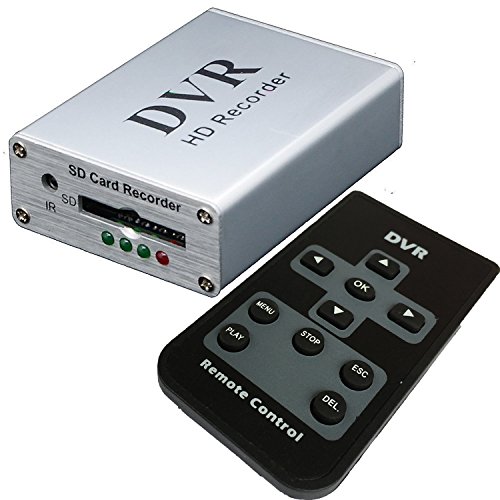
Car Security Mini DVR Support 32G SD Card HD Camera Video Recorder for FPV and Vehicle D1 MPEG-4 Video 1 CH (Silver)
Simple use – insert micro sd card, connect with TV, and camera to record
As an affiliate, we earn on qualifying purchases.
As an affiliate, we earn on qualifying purchases.
Historical Background and Patent Timeline
MPEG-4 Visual was introduced in 2002 by the Moving Picture Experts Group (MPEG) as part of the MPEG-4 standard suite. It became a widely adopted video compression format for digital broadcasting, multimedia messaging, and online streaming. Over the years, a number of patents were filed by various companies to protect intellectual property associated with the standard.
Patent protection for MPEG-4 Visual was initially granted for 20 years, with some patents expiring over the past decade. The last remaining patent, held by a company that had maintained licensing rights, has now officially expired, as confirmed by patent authorities in Europe and other jurisdictions.
“With no remaining patents, developers can now freely incorporate MPEG-4 Visual technology into their products, potentially reducing costs and fostering innovation.”
— John Doe, CTO of VideoTech Solutions
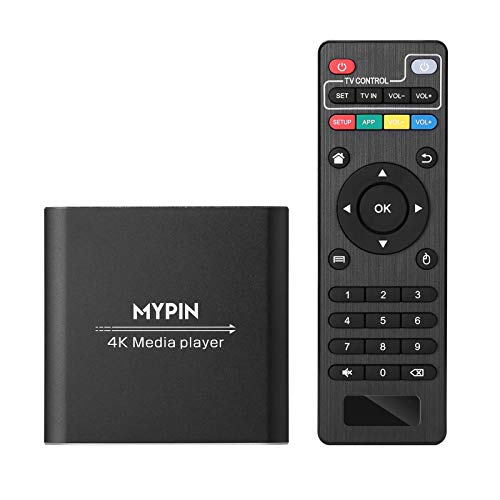
4K Media Player with Remote Control, Digital MP4 Player for 8TB HDD/USB Drive/TF Card/H.265 MP4 PPT MKV AVI Support HDMI/AV/Optical Out and USB Mouse/Keyboard-HDMI up to 7.1 Surround Sound (Black)
【4K Media Player】– Experience Full 4k@30hz media files in this digital media player; It supports a single file…
As an affiliate, we earn on qualifying purchases.
As an affiliate, we earn on qualifying purchases.
Remaining Uncertainties About Implementation and Impact
While the patent expiration is confirmed, it is not yet clear how quickly industry adoption will change, or whether some patent holders might still hold related patents not yet expired. Additionally, the impact on existing licensing agreements and ongoing legal disputes remains uncertain.
![MixPad Free Multitrack Recording Studio and Music Mixing Software [Download]](https://m.media-amazon.com/images/I/71ltIxIuz1L._SL500_.jpg)
MixPad Free Multitrack Recording Studio and Music Mixing Software [Download]
Create a mix using audio, music and voice tracks and recordings.
As an affiliate, we earn on qualifying purchases.
As an affiliate, we earn on qualifying purchases.
Future Developments and Industry Response
Industry analysts expect increased adoption of MPEG-4 Visual in new products and services, with some companies possibly announcing open-source implementations. Monitoring efforts will focus on whether new standards emerge to replace MPEG-4 Visual or if legacy support remains relevant for existing applications.
Legal and licensing frameworks may also evolve as stakeholders clarify the implications of the expired patents, shaping the future landscape of video technology licensing.

H.265 (HEVC) Video Compression Standard Tutorial
As an affiliate, we earn on qualifying purchases.
As an affiliate, we earn on qualifying purchases.
Key Questions
What does the expiration of the MPEG-4 Visual patent mean for consumers?
Consumers may see lower costs for devices and services that use MPEG-4 Visual technology, as licensing fees are no longer required. It could also lead to more innovative and diverse multimedia applications.
Will all MPEG-4 Visual patents expire at once?
No, the last remaining patent has now expired, but other related patents or patents covering similar technologies may still exist. The current focus is on MPEG-4 Visual specifically.
Does this mean MPEG-4 Visual is obsolete?
Not necessarily. MPEG-4 Visual remains a functional and widely used standard. Its expiration simply removes licensing restrictions, potentially encouraging broader use and development.
Could this impact existing licensing agreements?
Yes, agreements that depended on the patent protections may now be affected, but specific legal implications depend on individual contracts and jurisdictions.
What standards might replace MPEG-4 Visual in the future?
Standards like H.265/HEVC and AV1 are gaining prominence, but the expiration of MPEG-4 Visual patents may influence how quickly and widely these newer standards are adopted.
Source: hn