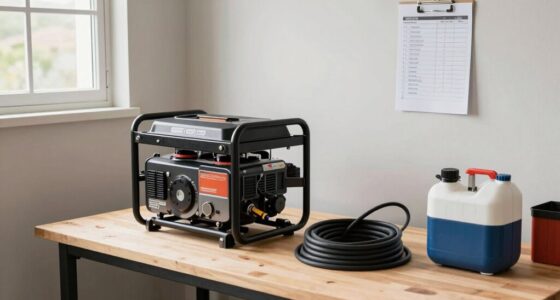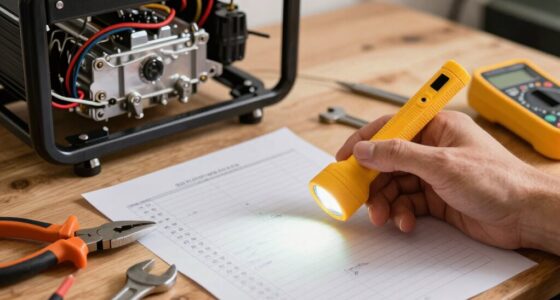
To practice a generator run day without turning it into a project, keep it simple by scheduling routine checks and tests as part of your regular maintenance. Run the generator for a short period to verify fuel quality, test performance, and guarantee safety systems are functioning. Incorporate basic inspections for oil, filters, and connections. Consistently following these easy steps will help you stay prepared and confident for emergencies. If you continue, you’ll discover more helpful tips to streamline the process.
Key Takeaways
- Schedule brief, regular generator runs during routine maintenance to keep it operational without extensive setup.
- Prepare a checklist beforehand to streamline testing and avoid unnecessary delays.
- Limit each run to essential checks, like fuel levels and safety functions, to keep it simple.
- Use a designated, accessible location to quickly start and stop the generator.
- Document results briefly to track performance without making the process time-consuming.
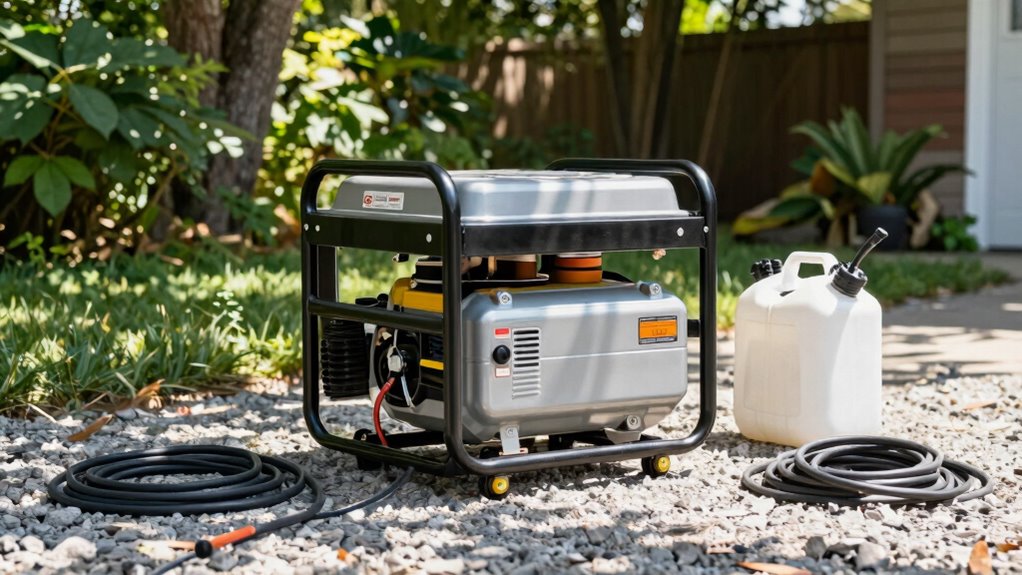
Have you ever wondered what it takes to guarantee your generator is ready when you need it most? Practicing a generator run day might seem like a hassle, but with a straightforward approach, you can keep your equipment in top shape without turning it into a full-blown project. The key lies in establishing simple routines that emphasize regular maintenance, fuel management, and safety protocols. Setting aside just a little time each month ensures your generator runs smoothly and is reliable during an emergency. Incorporating power outage preparedness into your routine can help you better understand your generator’s performance under real conditions, especially when considering security strategies to protect your equipment from potential threats. Regularly testing your generator can also reveal hidden issues early, making routine inspections an essential part of your trendy lifestyle approach to home safety. Additionally, understanding the importance of generator maintenance can extend the lifespan of your equipment and prevent unexpected failures. Staying informed about biodiversity and conservation practices can also inspire more sustainable and environmentally friendly maintenance habits.

Generator Maintenance Log Book: Generator Repair & Service Tracker | Generator Maintenance Checklist | 100 Pages
As an affiliate, we earn on qualifying purchases.
As an affiliate, we earn on qualifying purchases.
Frequently Asked Questions
How Often Should I Schedule Generator Run Tests?
You should schedule generator run tests at least once a month to guarantee reliable performance. During these tests, focus on fuel stabilization to prevent fuel degradation and manage load properly to mimic real-use conditions. Regular testing helps you identify potential issues early, maintain peak operation, and extend your generator’s lifespan. Consistent maintenance and testing also ensure you’re prepared for emergencies without turning the process into a complex project.
What Safety Precautions Are Necessary During a Run Day?
You should always wear hearing protection for noise control and guarantee proper fuel management during a run day. Keep a fire extinguisher nearby in case of emergencies, and check the area for flammable materials. Never leave the generator unattended, and maintain a clear, ventilated space to prevent carbon monoxide buildup. Regularly inspect the generator for leaks or damage, and follow manufacturer safety guidelines to keep everyone safe.
How Can I Monitor Generator Performance Effectively?
You can effectively monitor your generator’s performance by regularly checking fuel efficiency and noise levels. Keep an eye on fuel consumption to spot any drops in efficiency, which might indicate underlying issues. Use a decibel meter to track noise levels, ensuring they stay within safe limits. Recording these metrics during each run helps you identify trends over time, making maintenance easier and keeping your generator running smoothly.
What Common Issues Should I Check for During Maintenance?
During maintenance, you should check fuel quality to prevent clogging or engine damage, guaranteeing it’s clean and free of contaminants. Also, verify oil levels; low oil can cause overheating and engine failure. Look for leaks, corrosion, and worn parts, and ensure filters are clean. Regularly inspecting these components helps maintain ideal generator performance and prevents unexpected breakdowns, making your run days smoother and more reliable.
Is It Necessary to Keep a Log of Generator Runs?
Yes, keeping a log of generator runs is essential. Maintaining records helps you track usage, identify patterns, and schedule proper maintenance. It also aids in fuel management, ensuring you don’t run out unexpectedly and can monitor fuel consumption over time. By recording run times and issues, you stay proactive about the generator’s health, preventing breakdowns and ensuring reliable power when you need it most.

J2XCO AVR Automatic Voltage Regulator For Troy-Bilt 030431 30431 030475 30475 30477 030477 Gasoline Generator
- Product Type: Automatic Voltage Regulator
- Compatibility: Fits Troy Bilt Generators
- Model Compatibility: Models 030431, 30431, 030475, 30475, 30477, 030477
As an affiliate, we earn on qualifying purchases.
As an affiliate, we earn on qualifying purchases.
Conclusion
Practicing a generator run day doesn’t have to feel like a big project. Keep it simple, stay consistent, and treat it as a routine part of your preparedness. Did you know that only about 20% of homeowners test their generators regularly? By dedicating just a small part of your month to this practice, you guarantee your system is ready when you need it most—keeping your family safe and your home powered. Stay prepared, stay confident.

Allegro 1500 | Emergency Tester Kit | ANSI/ISEA Z358.1 Compliant | Vinyl Funnel Sleeve with PVC Handle | Includes 5-gal Storage Bucket with Lid | Easy Safety Testing
- Compliance Standard: ANSI/ISEA Z358.1 compliant
- Easy Testing Design: Vinyl funnel sleeve for controlled testing
- Durable PVC Handle: Secure handle for accurate testing
As an affiliate, we earn on qualifying purchases.
As an affiliate, we earn on qualifying purchases.

maXpeedingrods 4000 Watt Inverter Generator, Bluetooth® App Data Monitor
- App Data Monitoring: Monitor power, fuel, voltage, and more remotely
- ECO Mode Control: Switch ECO mode on/off via app for efficiency
- RV Charging Ready: Includes NEMA L5-30R outlet and adapter for easy RV charging
As an affiliate, we earn on qualifying purchases.
As an affiliate, we earn on qualifying purchases.