
During power outages, it’s easy to forget vital safety steps for indoor cooking. Always open windows and doors to create cross-ventilation, and use exhaust fans or portable ventilation devices if available. Never use unapproved heating methods like camp stoves or grills indoors, and keep flammable materials away from heat sources. Regularly monitor for symptoms of CO or fumes, and keep a safety checklist nearby. To protect yourself and your loved ones, understanding these essential tips is crucial.
Key Takeaways
- Ensure proper ventilation by opening windows and doors before, during, and after cooking to dissipate fumes.
- Use approved, sealed portable stoves or chafing dishes designed for indoor use, avoiding unvented devices.
- Keep flammable materials at least 3 feet away from heat sources and ensure stable placement of cooking equipment.
- Monitor air quality with CO detectors or sensors, and be alert for symptoms like headaches or dizziness.
- Always have a fire extinguisher nearby and know how to operate it in case of fire or fume-related emergency.

Jackery Portable Power Station Explorer 300, 292Wh Backup LiFePO4 Battery, Solar Generator for Outdoors Camping Travel Hunting Blackout (Solar Panel Optional)
SPEED UP YOUR RECHARGEABILITY: It takes only 2 hours to recharge 80% battery of the power station through...
As an affiliate, we earn on qualifying purchases.
Recognizing the Risks of Indoor Combustion

Indoor combustion poses significant health and safety risks that you need to recognize to prevent accidents. Burning charcoal or fuels indoors releases dangerous gases, especially carbon monoxide (CO), which can cause poisoning or death. Never use charcoal inside, as it produces very high CO levels. Gas stoves may still operate without power, but improper use increases fire and CO risks. Alcohol and canned heat burn cleaner but still require proper ventilation and approved devices. Wood stoves and fireplaces need open flues and regular maintenance to prevent backdrafts and CO buildup. Be aware that combustion sources emit smoke, gases, and particulate matter, which can harm your respiratory system. Recognizing these hazards helps you take proactive steps to keep your home safe during power outages or emergency situations. Understanding combustion emissions is key to minimizing indoor air pollution and protecting your health. Additionally, ensuring proper ventilation practices can significantly reduce the accumulation of harmful gases indoors. Properly installed and maintained ventilation systems are essential for dispersing combustion byproducts effectively. Regular inspections and carbon monoxide detectors can further alert you to dangerous levels of gases and prevent poisoning incidents. Installing detectors in sleeping areas and living spaces can provide critical early warnings of dangerous conditions before symptoms appear.

Anker SOLIX C1000 Gen 2 Portable Power Station, 2,000W (Peak 3,000W) Solar Generator, Full Charge in 49 Min, 1,024Wh LiFePO4 Battery for Home Backup, Power Outages, and Camping (Optional Solar Panel)
49 Min UltraFast Recharging: With upgraded HyperFlash tech, fully recharge at 1,600W—for outage prepping, camping trips, or tailgating...
As an affiliate, we earn on qualifying purchases.
Ensuring Proper Ventilation During Cooking

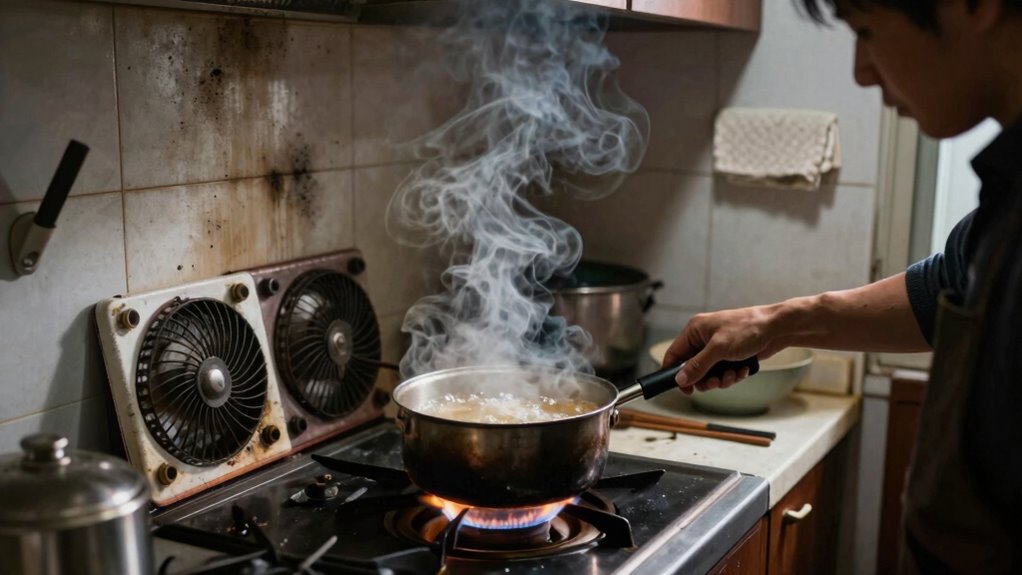
To prevent the buildup of harmful gases and improve air quality while cooking, you must guarantee adequate ventilation. Open windows and doors to create cross-ventilation, allowing fresh air to flow in and fumes to escape. Use exhaust fans or range hoods if available, turning them on early and leaving them running during cooking. Keep a fan directed toward open windows or doors to enhance airflow. Avoid clutter that blocks airflow paths, and never cook with open flames in poorly ventilated spaces. If cooking indoors without power, frequently open windows and doors to disperse smoke and gases. Regularly monitor the air quality, and be alert for signs of carbon monoxide or nitrogen dioxide buildup, such as headaches, dizziness, or nausea. Proper ventilation is critical for safety and healthier indoor air. Effective ventilation techniques help ensure a safer indoor environment during cooking activities. Additionally, understanding indoor air quality and its impact on health can guide better ventilation practices. Ensuring proper air exchange is essential to reduce the risk of indoor air pollution and maintain a healthy cooking environment. Properly functioning ventilation systems can significantly improve air circulation and remove pollutants efficiently.

OUPES Mega 1 Portable Power Station 2000W (Surge 4500W), 1024Wh LiFePO4 Battery Solar Generator, Expandable to 5kWh, UPS, for Home Backup Power, Camping & Road Trips (Solar Panel Optional)
REVOLUTIONARY FAST-CHARGING TECHNOLOGY: Experience industry-leading recharge speeds with 0-80% capacity in just 36 minutes via AC, or an...
As an affiliate, we earn on qualifying purchases.
Selecting Safe and Approved Heating Devices

Choosing the right heating devices can substantially reduce fire and carbon monoxide risks during power outages. Always select appliances approved for indoor use, such as canned heat (like Sterno) with proper containers, alcohol stoves labeled for indoor use, or sealed electric heaters. Avoid grills, camp stoves, or any unvented combustion devices indoors—they’re designed for outdoor use only. Indoor-safe options like wood stoves, when properly installed and vented, provide safe heating and cooking. Portable camping stoves can be used outside only. When using any device, ensure it’s in good condition, placed on stable surfaces, and kept away from flammable materials. Regularly check for recalls or safety notices, and always follow manufacturer instructions to prevent accidents and guarantee safe operation. Auditory processing considerations can also help in environments with high fumes or noise, ensuring safety and effective communication. Additionally, considering indoor air quality is essential when operating heating devices indoors to prevent health issues caused by fumes or inadequate ventilation. Proper ventilation practices further reduce the buildup of dangerous fumes and improve safety when using indoor heating sources. Being aware of potential regulatory notices can help you stay informed about safety updates and recalls for your devices. Maintaining proper clearance around heating units is also vital to prevent accidental fires and ensure efficient operation.

Jackery Solar Generator 1000 v2 with 200W Solar Panel,1070Wh Portable Power Station LiFePO4 Battery,1500W AC/100W USB-C Output, 1Hr Fast Charge for Outdoor,Off-Grid Living,RV,Emergency
Powerful yet Compact: Boasting a 1,500W AC output and a 3,000W surge peak, the Solar Generator 1000 V2...
As an affiliate, we earn on qualifying purchases.
Preventing Fire Hazards While Cooking Indoors
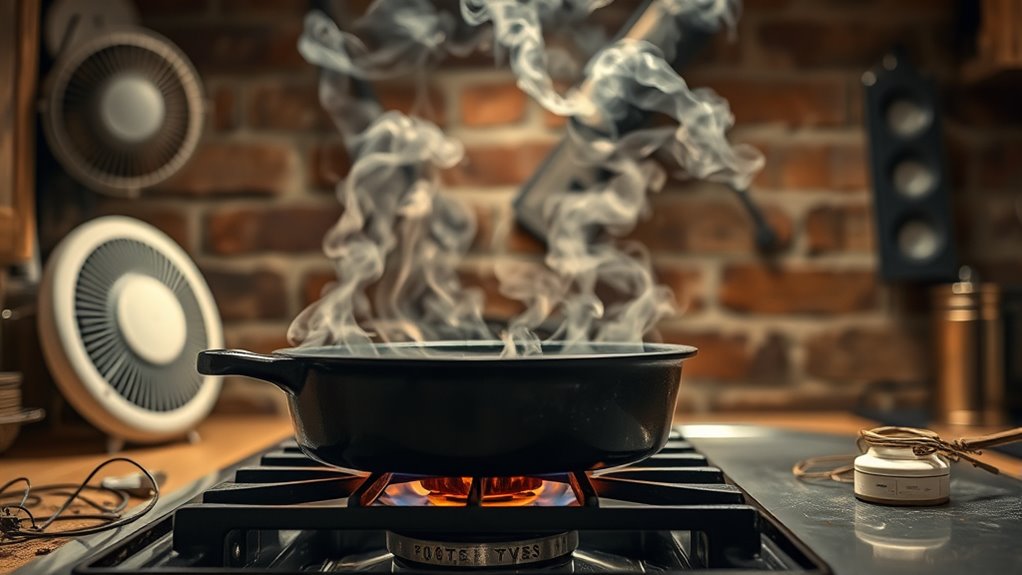
Preventing fire hazards while cooking requires constant supervision and careful handling of open flames and hot surfaces. Always stay attentive and never leave cooking unattended, especially if using open flames or combustible fuels. Keep flammable materials, such as paper towels, cloths, or loose textiles, at least 3 feet away from heat sources. Use stable, heat-resistant surfaces and turn pot handles inward to prevent spills. Maintain working fire extinguishers nearby and know how to operate them for grease or fuel fires. Avoid improvising shields or removing safety guards from portable heaters, as these hacks increase fire risks. Properly store fuels and ensure ventilation during cooking. Regularly inspect equipment for damage, and never overload electrical outlets to reduce the chance of sparks or short circuits. Fire safety knowledge is crucial for effective prevention and response. Additionally, understanding Gold IRA markets can help diversify your investments and improve financial security in uncertain times. Incorporating proper maintenance of your cooking equipment can further reduce the risk of malfunctions that lead to fires. Being aware of fire risk factors, such as cooking indoors without proper ventilation, can help you identify and mitigate potential hazards before they lead to an emergency.
Monitoring for Symptoms of Indoor Air Contamination

Monitoring for symptoms of indoor air contamination helps you detect problems early, especially when using open flames or combustion devices. Pay attention to headaches, dizziness, nausea, or shortness of breath, which can signal elevated CO or nitrogen dioxide levels. If you notice these symptoms, immediately ventilate the space by opening windows and doors, and stop cooking or using combustion sources. Keep a close eye on children, elderly, and vulnerable individuals, as they are more sensitive to poor air quality. Regularly check your CO detectors, ensuring they’re functioning properly and have fresh batteries. Trust your senses—foul odors, smoke, or unusual smells can also indicate dangerous buildup. Proper testing and air quality assessment ensure reliable detection of issues and help prevent serious health problems. Conducting preventive maintenance on your appliances and ventilation systems can reduce the likelihood of dangerous emissions. Additionally, understanding indoor air sources can help you identify potential hazards before symptoms appear. Being aware of indoor pollution sources, such as cooking fumes and heating devices, is essential for maintaining a safe environment. Prompt action can prevent serious health issues and reduce risks during power outages or indoor cooking scenarios.
Frequently Asked Questions
Can I Use a Charcoal Grill Indoors Safely?
You should never use a charcoal grill indoors. Charcoal produces high levels of carbon monoxide, which can quickly build up and cause poisoning. Even with ventilation, there’s a significant risk of dangerous gas accumulation. Always use grills outdoors at least 10 feet from structures. For indoor cooking, opt for approved electric or alcohol-based devices, and guarantee proper ventilation to keep your household safe from harmful fumes and fire hazards.
How Often Should I Test My CO Detectors During an Outage?
Testing your CO detectors is like checking your smoke alarms—do it at least once a month during an outage. If you rely on backup batteries, test them weekly to verify they’re fresh. When power’s out, conditions can change quickly, so consistent testing keeps you safe. Replace batteries immediately if the detector chirps or malfunctions. Staying vigilant helps catch dangerous CO buildup before it becomes a silent threat.
Are Electric Stoves Truly Safe for Indoor Emergency Use?
Electric stoves are generally safe for indoor emergency use when they’re properly installed and maintained. They don’t produce carbon monoxide or open flames, reducing fire and poisoning risks. However, confirm your stove is rated for indoor use and keep the area well-ventilated to avoid smoke or heat buildup. Never overload circuits, and always supervise cooking to prevent accidents. When used correctly, electric stoves can be a reliable, safer option during power outages.
What’s the Safest Way to Heat a Room Without Power?
If you need to heat a room without power, using a properly installed and vented wood stove is safest. For example, during a recent outage, a family used their vented wood stove, ensuring open flues and regular maintenance, to warm their home safely. Always keep flammable materials away, monitor for CO buildup with detectors, and never use unvented or outdoor-only devices inside. Proper ventilation and adherence to safety guidelines are essential.
How Long Can Perishable Foods Be Stored Without Refrigeration?
You should discard perishable foods after about 24 hours without refrigeration, especially in warm conditions. If you have a cooler with ice, keep opened perishables chilled and consume them within that timeframe. Always cook foods thoroughly to safe temperatures, and avoid partial reheating. Use shelf-stable foods like canned goods and nut butters when refrigeration isn’t available. Regularly check your supplies and plan meals around non-perishables to prevent food waste and illness.
Conclusion
Remember, your home is your sanctuary, and breathing clean air keeps it safe. Think of indoor cooking without power as walking a tightrope—one misstep can lead to danger. By staying vigilant, ensuring proper ventilation, and choosing safe devices, you’re the captain steering through stormy seas. Keep these fumes checklist tips close, and you’ll navigate the shadows of indoor combustion safely, turning your home into a lighthouse rather than a trap. Your health depends on it—stay alert and cook smart.