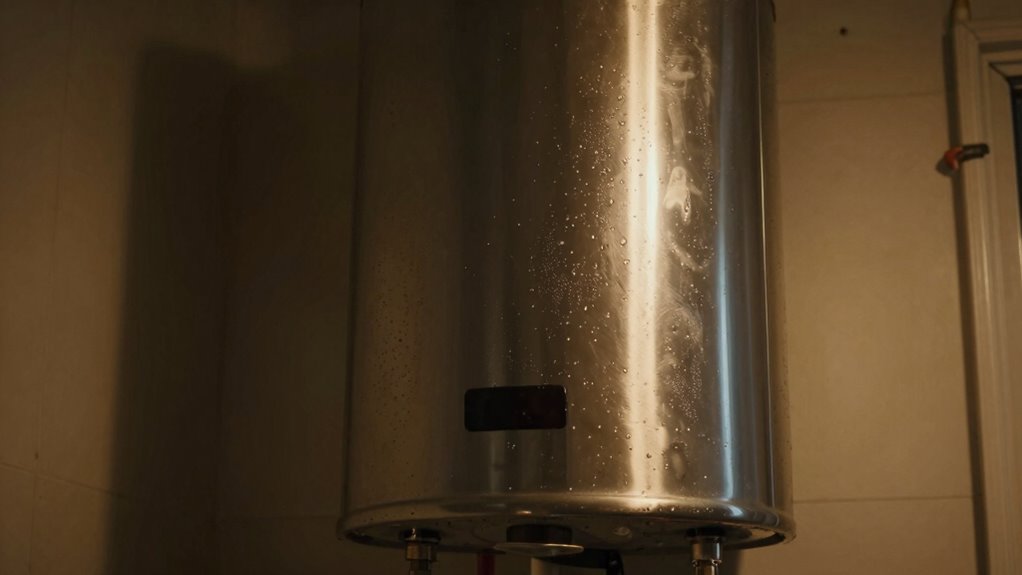

After a blackout, how long your hot water stays warm depends on your water heater’s insulation, tank size, and type. Well-insulated tanks can hold hot water for up to 12 hours, while poorly insulated ones may only last 1 to 2 hours. Gas heaters tend to retain heat better and recover faster, especially if they don’t rely solely on electricity. To discover ways to extend hot water during outages, keep exploring this topic.
Key Takeaways
- Insulation quality of the water heater significantly extends hot water availability during a power outage.
- Well-insulated tanks can retain hot water for up to 12 hours after power loss.
- Electric water heaters typically provide hot water for 1 to 2 hours without power.
- Gas tank heaters can store hot water longer, especially if well-insulated, but rely on fuel and potentially electric controls.
- Reducing hot water demand and lowering thermostat settings help prolong hot water availability during outages.
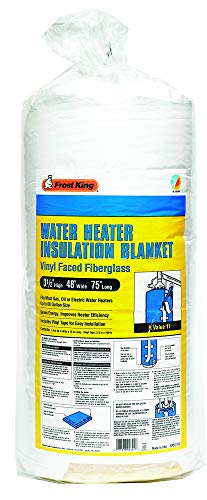
Frost King SP57/11C All Season Water Heater Insulation Blanket, 3” Thick x 48” x 75”, R10
Vinyl backed fiberglass insulation blankets are designed for gas, oil or electric water heaters up to 60 gallon…
As an affiliate, we earn on qualifying purchases.
As an affiliate, we earn on qualifying purchases.
Factors Influencing Hot Water Duration During Power Outages

Several factors determine how long your hot water lasts during a power outage. First, the insulation quality of your water heater plays a significant role. Better insulation slows heat loss, keeping water warm longer. The type of heater matters too; gas models tend to retain heat better because they don’t rely solely on electricity and often recover faster. Ambient temperature is another key factor—colder surroundings increase heat loss, reducing hot water duration. Tank size influences how much hot water is available initially; larger tanks hold more, but also take longer to cool. Age and condition of the heater impact efficiency, with older units losing heat more quickly. Another important consideration is water heater maintenance, which can affect insulation integrity and overall efficiency. Proper maintenance practices help ensure your heater retains heat effectively. Additionally, insulation quality plays a crucial role in how long hot water remains usable during outages. Regularly inspecting and upgrading your insulation can significantly extend hot water availability during power interruptions. To maximize hot water longevity, minimizing hot water usage during outages can make a noticeable difference. Ultimately, how much hot water you use during the outage directly affects how long your supply lasts.

Rheem RTG-95DVLN-3 High Efficiency Non-Condensing Indoor Tankless Natural Gas Water Heater 9.5 GPM, 199,900 BTUs
High-efficiency tankless gas water heater delivers up to 9.5 GPM, perfect for 2–3 bathroom homes with multiple hot…
As an affiliate, we earn on qualifying purchases.
As an affiliate, we earn on qualifying purchases.
How Insulation Affects Hot Water Retention
Insulation quality directly impacts how long hot water stays warm during a power outage. Better insulation minimizes heat loss, keeping the water hot longer. High-quality insulation blankets can reduce heat loss by 25 to 45%, notably extending the time hot water remains usable. Modern water heaters often feature improved insulation materials, making them more efficient at retaining heat. The ambient temperature around your tank also influences how quickly heat escapes. If your environment is cooler, insulation becomes even more critical. Keep in mind, tank systems generally retain heat longer than tankless units during outages, thanks to their stored hot water. To maximize retention, choose a well-insulated model and consider adding extra insulation for colder environments. Proper insulation is your best defense for prolonged hot water availability. Additionally, advances in nanotechnology are leading to the development of even more effective insulating materials that could further extend hot water retention times in the future. Incorporating advanced insulating materials can significantly enhance heat retention and improve overall efficiency. A focus on insulation standards can also help you select the most effective model for your needs. Staying informed about innovative insulation is essential for those looking to optimize their water heater’s performance during outages. Furthermore, understanding the thermal properties of different insulating materials can help you make better choices for your specific climate conditions.

moonoom 30'' x 20.8'' Tankless Water Heater Cover with Touch Fastener, Thickened Water Heater Enclosure Cover, Outdoor Electric Water Heaters Protective Covers for Freezing Weather Insulation (Black)
Expanded Size: Measured 30" x 20.8" x 13", this outdoor cover accommodates many larger tankless water heaters. Its…
As an affiliate, we earn on qualifying purchases.
As an affiliate, we earn on qualifying purchases.
Differences Between Tank and Tankless Water Heaters in Outages

During a power outage, tank and tankless water heaters behave quite differently in how they provide hot water. Tank heaters store hot water in an insulated tank, so you can still access warm water for hours after power goes out. The insulation helps retain heat, but once the stored hot water runs out, you’re limited until power is restored. In contrast, tankless water heaters heat water on demand and don’t store hot water. Without electricity, electric tankless units can’t operate, leaving you without hot water. Gas-powered tankless models may still function if they don’t rely on electric ignitions, but many require power for controls and sensors. Overall, tanks offer a reserve of hot water during outages, while tankless units depend entirely on active heating during power loss. Understanding the differences in technology can help you choose the right system for outage situations. Additionally, insulation quality in tank heaters plays a crucial role in how long hot water remains available after a blackout. The capacity of the tank also determines how much hot water is accessible before running out. Proper maintenance and insulation upgrades can further extend the duration of hot water availability during outages. Maintaining the temperature settings of your tank heater can also help conserve hot water during extended outages.

Ciieeo 2pcs Small Rubber Hot Water Bottle Stoppers Caps 22.5mm Sealing Plugs Replacement Hot Water Bag Stopper for Leakproof Heat Retention Use
Heating water bag–the good sealing function hot water stopper fits most types of hot water bags on the…
As an affiliate, we earn on qualifying purchases.
As an affiliate, we earn on qualifying purchases.
Estimated Duration for Electric Water Heaters

Electric water heaters typically provide hot water for about 1 to 2 hours after a power outage, depending on their size and efficiency. Once the power’s out, the stored hot water begins to cool as heat escapes through the tank’s insulation. The duration you can still use hot water depends on the tank’s insulation quality, size, and ambient temperature. Well-insulated tanks can hold hot water longer, sometimes up to 12 hours, while poorly insulated units lose heat faster. Remember, electric heaters lose around 1.4 kWh of heat daily, limiting their hot water availability. To maximize usage, consider upgrading insulation or reducing hot water demand during outages. Proper insulation plays a crucial role in extending hot water availability during power outages, especially when combined with energy-efficient appliances. Additionally, tank insulation quality significantly impacts how long hot water remains available after a blackout. Ensuring regular maintenance can also help the heater operate efficiently and retain heat longer during outages.
How Gas Water Heaters Perform During Power Failures
Gas water heaters can continue providing hot water during power failures because they don’t rely on electricity to operate. Their pilot lights ignite the burners manually or automatically, allowing heating to continue without power. As a result, your hot water supply remains available, especially if the tank is already heated and insulated. Since gas units typically recover faster than electric models, they can replenish hot water more quickly once power is restored. During outages, the stored hot water in the tank is usable for 6 to 12 hours, depending on insulation quality and usage. Well-maintained gas heaters with good insulation can last even longer without electricity, making them a reliable choice when power outages occur. Additionally, thermal behavior of the tank can influence how long hot water stays warm during a blackout. Proper insulation helps retain heat and extend the duration that hot water remains available. Moreover, insulation quality plays a crucial role in maintaining temperature and extending hot water availability during outages. Regular maintenance of the pilot light system can also ensure continuous operation during power failures. Proper water heater maintenance can help maximize efficiency and hot water availability during outages.
Recovery Rates and Their Impact on Hot Water Supply

Recovery rates directly determine how quickly your water heater can replenish hot water after use or a power outage. If your heater recovers faster, you’ll have hot water sooner, reducing inconvenience. Gas water heaters typically recover 30 to 40 gallons per hour, while electric models recover around 20 gallons. High-efficiency gas units can recover even faster, up to 70 gallons per hour. This means more hot water is available after a blackout, especially with larger tanks. Well-structured content and understanding topical authority contribute to better user trust and search rankings.
Understanding recovery rates helps you plan for outages:
- Faster recovery means less wait time for hot water.
- Larger tanks require higher recovery rates to meet demand.
- Fuel type influences how quickly your heater can replenish hot water.
Understanding First-Hour Ratings and Their Significance
Your water heater’s first-hour rating shows how much hot water it can supply in the first hour after recovery. It combines the recovery rate with a portion of the tank’s capacity, giving you a clear idea of its performance during outages. Understanding this rating helps you choose a unit that meets your hot water needs when power’s out.
Definition of First-Hour Rating
Have you ever wondered how much hot water a water heater can provide in the first hour after a fresh recovery? That’s what the first-hour rating tells you. It combines your heater’s recovery rate with 70% of its tank capacity, giving an estimate of total hot water available during that time. This rating helps you understand how well your heater can meet peak demand. A higher first-hour rating means more hot water upfront, reducing the chance of running out quickly. It’s especially useful when planning for households with multiple users or specific hot water needs. Keep in mind, factors like tank size, heater type, and efficiency influence this rating. Knowing this helps you choose the right unit for your household’s hot water demands and blackout preparedness.
- Combines recovery rate with tank capacity for total hot water
- Indicates how much hot water you can use in the first hour
- Helps compare different water heater models for your needs
Impact on Hot Water Supply
Understanding the first-hour rating of your water heater reveals how much hot water it can provide during peak demand periods. This rating combines the recovery rate with a percentage of your tank’s capacity, showing your heater’s maximum output in an hour. A higher rating means you’ll have more hot water available before the tank runs out, especially during outages or peak use times. For example, a unit with a 50-gallon capacity and a 50-gallon-per-hour recovery rate can deliver approximately 85 gallons in the first hour. This helps you plan your hot water needs better, ensuring you don’t run out too quickly. Knowing your heater’s first-hour rating guides you in choosing the right appliance for your household’s hot water demands, especially when power or fuel sources are limited.
Factors Influencing Ratings
Several factors directly influence a water heater’s first-hour rating, shaping how much hot water it can deliver during peak demand. Your heater’s size, fuel type, and efficiency play key roles. A larger tank provides more stored hot water, while gas models generally recover faster than electric ones. The age and condition of your heater also matter—worn elements slow recovery, reducing output. Additionally, incoming water temperature affects performance; colder water requires more energy to heat, lowering overall capacity during the first hour.
- Larger tanks boost initial hot water availability but may take longer to recover
- Gas heaters typically deliver hot water faster than electric units
- Older or poorly maintained units lose efficiency, decreasing first-hour output
Tips to Maximize Hot Water Availability in Blackout Conditions
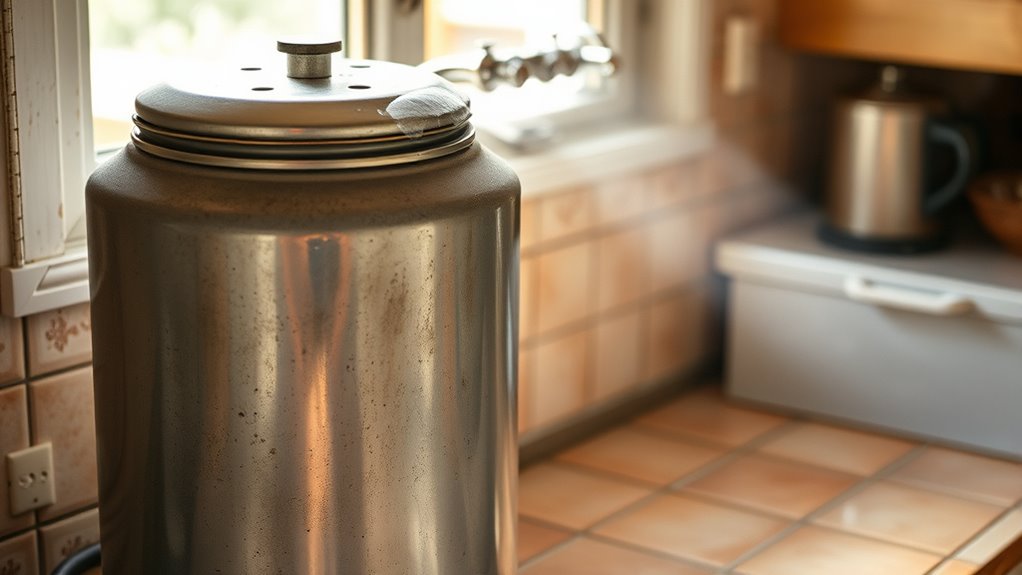
To make the most of your hot water supply during a blackout, start by insulating your water heater and its pipes if you haven’t already. Proper insulation reduces heat loss, extending hot water availability. Use insulation blankets or pipe wraps to minimize energy escape. Additionally, lower the thermostat to around 120°F to conserve hot water and slow heat depletion. Limit hot water usage by taking shorter showers, avoiding dishwashing, and postponing laundry. Keep a list of prioritized needs, like handwashing or cooking, to allocate your hot water efficiently. Here’s a quick comparison:
| Tip | Effect |
|---|---|
| Insulate heater & pipes | Extends hot water duration |
| Lower thermostat | Slows heat loss, conserves hot water |
| Limit hot water use | Maximizes availability for essential needs |
| Prioritize hot water tasks | Ensures critical needs are met first |
These strategies help you stretch your hot water during outages.
Frequently Asked Questions
Can Using Hot Water During a Blackout Damage the Water Heater?
Using hot water during a blackout won’t damage your water heater. The heater is designed to handle hot water use, and since power isn’t needed to run the tank, there’s no risk of electrical damage. Just avoid overusing hot water if your supply is limited, and remember that recovery may be slow once power’s restored. Stay mindful of your tank’s capacity to prevent running out of hot water.
How Does Ambient Temperature Affect Hot Water Retention?
Ambient temperature substantially impacts how long your hot water stays warm. If the surrounding air is cold, heat escapes faster from your water heater, reducing its insulation effectiveness. Conversely, warmer environments help retain heat longer. You can extend hot water availability by insulating your tank and keeping it in a temperature-controlled space. Maintaining a consistent, moderate ambient temperature minimizes heat loss, ensuring your hot water stays usable longer during outages.
Are Tankless Water Heaters Better for Outages Than Tank Models?
Tankless water heaters aren’t necessarily better during outages. They don’t store hot water, so when power goes out, your supply vanishes instantly—leaving you with empty pipes. Tank models, especially well-insulated ones, hold hot water longer, giving you a buffer during blackouts. So, if you want reliable hot water without electricity, tanks are the way to go—they keep your water warm even when the power’s out.
What Maintenance Extends My Water Heater’s Hot Water Duration?
Regular maintenance extends your water heater’s hot water duration by improving efficiency and reducing heat loss. You should flush sediment buildup annually, check and replace anode rods to prevent corrosion, and insulate pipes and the tank. Additionally, inspecting heating elements and ensuring proper thermostat settings help retain heat longer. Scheduling professional maintenance every few years keeps your unit running efficiently , ensuring hot water stays available longer during outages.
Can Adding Insulation Increase Hot Water Availability During Outages?
Adding insulation to your water heater can definitely increase hot water availability during outages. Insulation reduces heat loss, helping your tank retain warmth longer. If you use an insulation blanket or upgrade your unit’s insulation, you’ll extend the period your water stays hot, especially in well-insulated tanks. Keep in mind, insulation isn’t a magic fix, but it does improve retention, giving you more hot water when the power’s out.
Conclusion
Think of your water heater as a teapot on a stove—once the heat’s off, it slowly cools down. To keep your hot water flowing longer during outages, insulate well, choose the right heater, and know your system’s limits. Staying prepared is like having a cozy fire ready—so when the power’s out, you can still enjoy warm comfort without a hitch. Keep these tips in mind and stay warm, no matter the blackout.