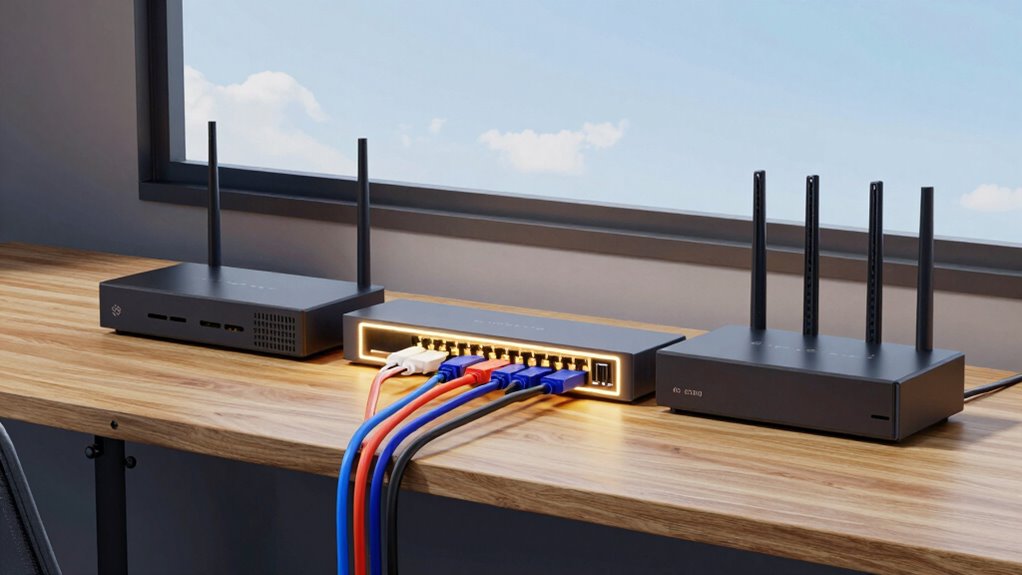

A resilient connectivity setup feels stable because it uses multiple backup pathways to avoid reliance on a single connection. You benefit from high-quality hardware that reduces signal drops and interference, and continuous monitoring keeps issues in check before they escalate. Strong security measures protect against cyber threats and unauthorized disruptions. Proper design, regular maintenance, and proactive updates guarantee your network stays reliable. Keep exploring to uncover more ways to make your setup truly robust and ready for any challenge.

Get backup power and energy gear delivered free with Prime
- Fast, free delivery on millions of items
- Prime Video, Amazon Music and more included
- Member-only deals all year
Key Takeaways
- Multiple network pathways and automatic failover prevent disruptions during outages.
- High-quality, well-maintained hardware ensures stable and consistent signals.
- Continuous monitoring and proactive maintenance detect issues early and minimize downtime.
- Robust network architecture incorporates fault tolerance and security measures.
- Implementing security protocols alongside redundancy safeguards against cyber threats.
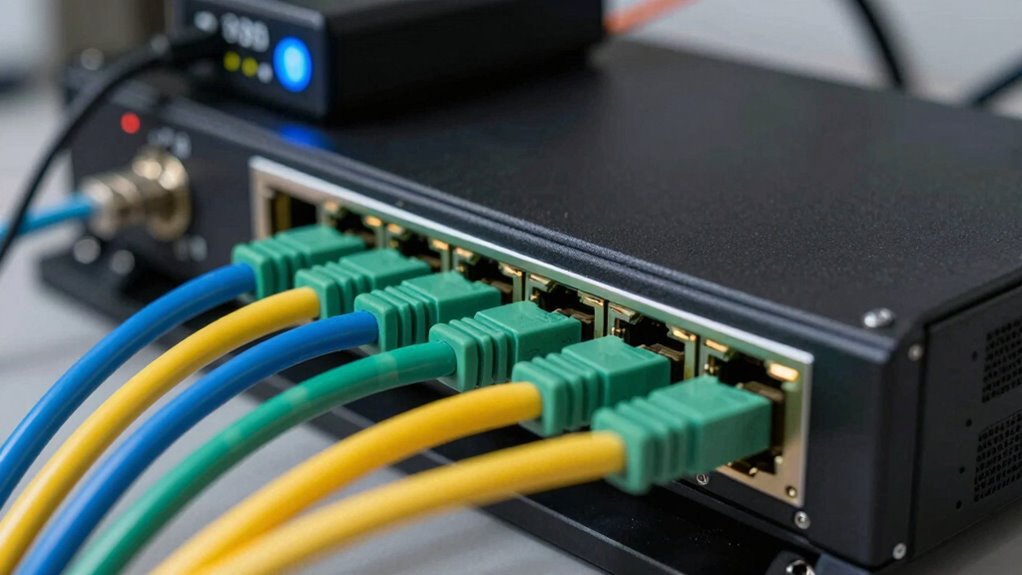
Establishing a reliable connectivity setup is vital for maintaining seamless communication and operational efficiency. When your network feels resilient rather than fragile, it’s usually because it’s built with thoughtful redundancy and stability in mind. Network redundancy, in particular, plays an essential role. Instead of relying on a single connection, you set up multiple pathways that can automatically take over if one fails. This means your business or daily activities won’t come to a halt just because a cable gets damaged or a provider experiences an outage. Redundant connections, whether wired or wireless, guarantee that there’s always a backup route, so your network remains active and available, even during disruptions. Ensuring proper hardware maintenance also contributes to overall network resilience by preventing unexpected failures and prolonging equipment lifespan. Signal stability is another key aspect that makes a connectivity setup resilient. Stable signals prevent frustrating drops and lag, which can cripple productivity and cause data loss. To achieve this, you need high-quality hardware, proper placement of equipment, and minimal interference sources. For wireless setups, choosing the right frequency bands and minimizing obstacles can markedly improve stability. Wired connections, on the other hand, should use well-maintained cables and connectors to prevent signal degradation. When your signals are steady, you experience fewer interruptions, and your data flows smoothly, which boosts confidence in your system’s resilience. A resilient setup also involves proactive monitoring and maintenance. You should regularly check your network’s performance, identify weak points, and address issues before they escalate. This ongoing vigilance helps guarantee that both network redundancy and signal stability are maintained at ideal levels. Incorporating network monitoring tools can provide real-time insights that facilitate swift troubleshooting and maintenance. Implementing automated alerts for unusual activity or drops in signal strength allows you to respond swiftly, preventing small problems from becoming major outages. Additionally, keeping firmware and hardware updated reduces vulnerabilities and improves overall network robustness. Moreover, understanding network architecture and its design principles can significantly influence the resilience of your setup. Regularly educating yourself on best practices for network security and architecture can help you adapt to evolving threats and challenges. Security measures further enhance resilience. Protecting your network from cyber threats prevents malicious attacks that could compromise connectivity. Firewalls, encryption, and secure access controls safeguard your setup, making it less vulnerable to disruptions caused by security breaches. Incorporating cybersecurity measures into your network management is essential for comprehensive resilience. Combining these security practices with strong redundancy and signal stability creates a resilient environment that can withstand various challenges. Ultimately, what makes your connectivity setup feel resilient is the confidence that it can handle disruptions calmly and efficiently. By prioritizing network redundancy, maintaining signal stability, and practicing proactive management, you build a system that’s not only robust but also adaptable. When your connectivity can withstand outages, interference, and attacks, you experience peace of mind knowing your operations will continue smoothly, no matter what challenges arise.
As an affiliate, we earn on qualifying purchases.
Frequently Asked Questions
How Often Should I Test My Network’s Resilience?
You should test your network’s resilience at least quarterly to guarantee it remains robust. Regular testing helps identify weak points, especially in your network redundancy and backup protocols. Simulate outages or disruptions to see if your backup systems activate correctly and your redundancy measures hold. Frequent testing ensures your setup stays resilient, giving you confidence that your network can handle unexpected failures without causing major disruptions.
What Are Common Signs of an Unstable Connectivity Setup?
You notice frequent disconnections during video calls, signaling an unstable setup. Common signs include inconsistent signal stability and a lack of network redundancy, which leaves you vulnerable to outages. If your network struggles under load or experiences sudden drops, it indicates fragility. A resilient setup maintains steady connections even during disruptions, thanks to features like backup links and robust hardware, ensuring your connectivity remains reliable and uninterrupted.
Can a Small Business Afford High-Resilience Connectivity?
Yes, a small business can afford high-resilience connectivity by prioritizing essential backup protocols and hardware redundancy. You should invest in reliable backup solutions to prevent data loss during outages and guarantee continuous operation. Additionally, implementing hardware redundancy, like dual internet connections and backup routers, helps maintain connectivity even if one component fails. These strategies might require an upfront investment but save you money and stress in the long run.
How Does User Behavior Impact Network Resilience?
Your user habits directly impact network resilience. If you frequently download large files, stream content, or connect multiple devices simultaneously, you may strain your connectivity. Consistent, mindful connectivity habits, like avoiding peak times for heavy usage and regularly updating devices, help maintain stability. By practicing good user habits, you contribute to a more resilient network, reducing the risk of fragility during high demand or unexpected disruptions.
What Are the Latest Tools for Monitoring Network Resilience?
You can stay ahead by using tools like network monitoring software that offers real-time analytics, helping you identify issues instantly. Incorporate network redundancy to guarantee backup connections automatically activate if the primary fails. These tools enable you to proactively manage your network’s resilience, minimizing downtime and maintaining stability. Regularly reviewing analytics and testing redundancy setups keeps your connectivity setup resilient, giving you peace of mind even during unexpected disruptions.
uninterruptible power supply for network
As an affiliate, we earn on qualifying purchases.
As an affiliate, we earn on qualifying purchases.
Conclusion
Think of a resilient connectivity setup like a sturdy bridge—designed to handle heavy traffic without buckling. You’ll feel more confident knowing your system can withstand disruptions and adapt smoothly. By diversifying connections, regularly testing and updating your setup, and planning for failures, you create a network as dependable as a rock. Remember, resilience isn’t just about avoiding trouble; it’s about bouncing back stronger every time. That’s what keeps your connectivity feeling solid, not fragile.
As an affiliate, we earn on qualifying purchases.
As an affiliate, we earn on qualifying purchases.
Columbus Day / Indigenous Peoples' Day Picks
long weekend sales
As an affiliate, we earn on qualifying purchases.