
TL;DR

Get backup power and energy gear delivered free with Prime
- Fast, free delivery on millions of items
- Prime Video, Amazon Music and more included
- Member-only deals all year
LG is implementing a policy to block residential proxies from its smart TV apps. The move aims to enhance security and enforce content licensing but raises questions about user access. Details are still emerging.
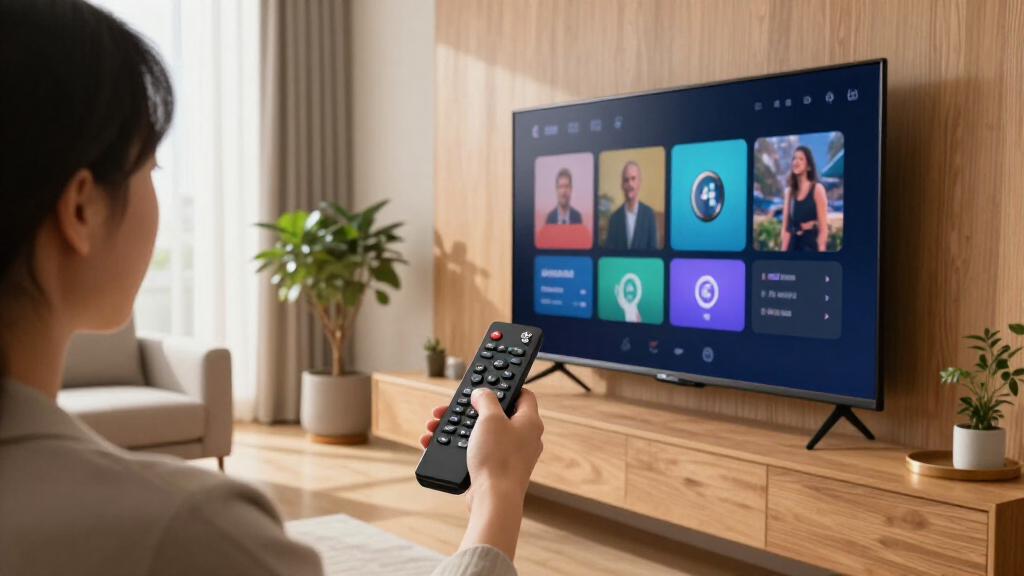
LG has confirmed that it will begin blocking residential proxies from accessing its smart TV applications starting in the coming months. The company states this move is intended to enhance security and ensure content licensing compliance. This development is significant for users who rely on proxies for privacy or access to geo-restricted content, as it could impact their ability to use certain apps on LG smart TVs.
According to LG, the policy will target residential proxies that mask users’ real IP addresses to access content or services on its smart TV platform. The company did not specify how it will technically enforce this ban but indicated it will implement measures to detect and block such proxies. LG’s move follows industry trends to combat content piracy and unauthorized access, which can undermine licensing agreements and security protocols.
LG’s spokesperson explained that the ban aims to prevent security vulnerabilities and protect content rights. The company emphasized that users will still be able to access their apps through regular means, but those using residential proxies may experience disruptions or be unable to connect to certain services. The policy is expected to roll out gradually, with specific technical details and timelines to be announced later.
Implications for User Privacy and Content Access
This policy change could significantly affect users relying on proxies for privacy or access to geo-restricted content. While LG states the move is to improve security and licensing compliance, it raises concerns about User privacy and potential restrictions on legitimate use cases. The decision reflects broader industry efforts to control content distribution and combat unauthorized access, but may also limit consumer flexibility.
Products Worth Considering

Philips Hue Smart LED Candle Bulbs, B39, E12, 2-Pack

Sonos One (Gen 2) Voice-Controlled Smart Speaker, White

Hisense 85 U7 Mini-LED ULED 4K UHD Smart Google TV (85U7SG, 2026)
As an affiliate, we earn on qualifying purchases.
LG’s Past Efforts Against Proxy Use and Industry Trends
LG has previously taken steps to restrict VPNs and proxies on its smart devices, primarily to enforce regional licensing agreements. This latest move aligns with actions by other tech companies seeking to tighten content security. Industry experts note that companies are increasingly deploying automatic detection systems to identify and block proxy traffic, citing security concerns and content licensing as primary drivers. The effectiveness and impact of these measures remain under scrutiny, especially regarding User rights.
“Our goal is to enhance security and ensure compliance with content licensing agreements. We will implement measures to detect and restrict residential proxies on our platform.”
— LG spokesperson
Technical Enforcement and User Impact Still Unclear
It is not yet clear how LG will technically implement the ban or how effective these measures will be. Details about the detection methods, scope, and whether legitimate users will face restrictions remain undisclosed. There is also uncertainty about how this policy will affect users who rely on proxies for privacy or accessibility reasons, and whether LG will provide any exceptions or support for such cases.
Expected Timeline and User Guidance Developments
LG is expected to release more detailed information about the technical implementation and rollout timeline in the coming weeks. Users who rely on residential proxies should monitor official updates to understand how this policy might affect their access. Industry observers will also watch for how other companies respond to similar measures and whether regulatory bodies will scrutinize these restrictions.
Key Questions
Will LG block all types of proxies or just residential proxies?
LG has specifically announced plans to block residential proxies. It is unclear whether other proxy types, such as VPNs or data center proxies, will also be targeted.
How will LG detect residential proxies?
The company has not disclosed specific detection methods. Industry practices include analyzing traffic patterns, IP reputation, and device fingerprinting, but LG’s exact approach remains unconfirmed.
Could this affect legitimate users who use proxies for privacy?
Yes, users relying on proxies for privacy or access to geo-restricted content may experience disruptions. LG has not specified if any exceptions will be made.
When will this policy be implemented?
LG announced the policy in March 2024, with a phased rollout expected over the next few months. Exact dates have not yet been provided.
Will LG provide support or alternatives for affected users?
There has been no official statement on support options or alternatives for users impacted by the proxy ban.
Source: hn