
TL;DR

Get backup power and energy gear delivered free with Prime
- Fast, free delivery on millions of items
- Prime Video, Amazon Music and more included
- Member-only deals all year
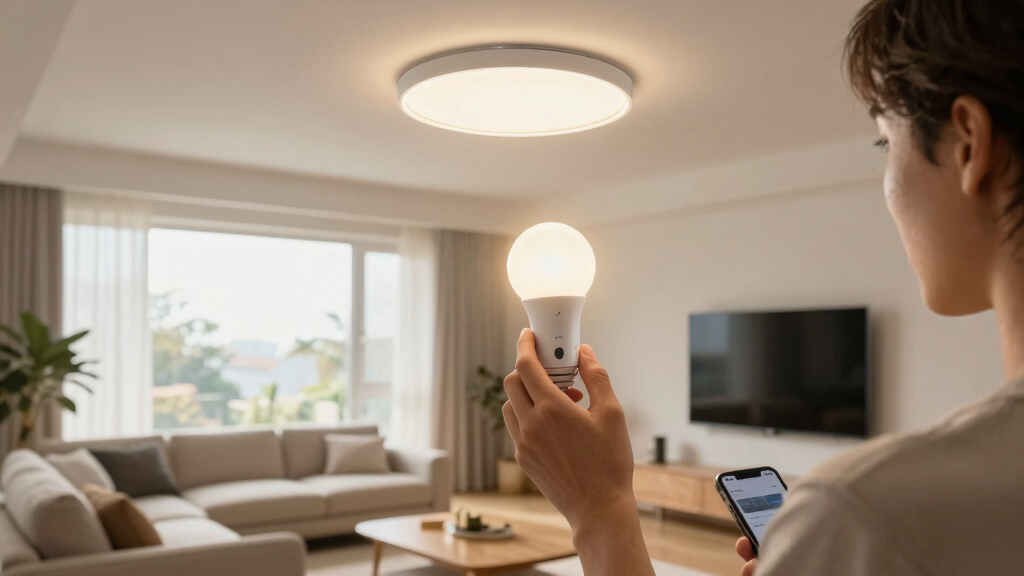
Smart bulbs use marginally more energy than traditional LEDs due to standby power consumption. While they cost more upfront, their features can lead to savings over time, especially if you choose energy-efficient options like smart bulbs. The actual energy difference is small but noteworthy, making smart bulbs a viable choice for energy-conscious consumers.
Smart bulbs do use more energy in standby mode than regular LED bulbs, according to recent measurements. While they consume very little power when not actively illuminating, this extra draw can slightly increase energy bills, raising questions about their overall efficiency and cost-effectiveness for consumers.
Research indicates that smart bulbs typically consume between 0.2 to 0.5 watts in standby mode, depending on the manufacturer and model. If you’re considering upgrading, check out our 15 Best Smart Light Bulbs in 2026 guide. For example, TP-Link Tapo devices are said to use around 0.2 watts, while Philips Hue reports less than 0.5 watts for its newer products. This small amount of power can add approximately $0.35 to $1.30 annually to a household’s electricity bill, depending on local rates, which is generally considered negligible by energy experts.
Despite this extra standby consumption, many users find that the benefits of smart bulbs—such as scheduling, dimming, and remote control—can lead to overall savings by reducing unnecessary usage. Additionally, the energy used during actual illumination remains comparable to traditional LED bulbs, which are highly energy-efficient. The key difference lies in the small but persistent power draw when the bulbs are turned off but still connected to Wi-Fi or a hub.
Implications for Energy Costs and Smart Home Efficiency
The slight increase in standby power consumption of smart bulbs is unlikely to significantly impact most household energy bills. However, for highly energy-conscious consumers or those with many connected devices, this small draw could accumulate over time. The convenience features of smart bulbs, such as scheduling and remote control, can help offset this cost by reducing unnecessary lighting and improving overall energy management. Ultimately, the decision to adopt smart bulbs should consider both upfront costs and long-term savings, with the understanding that their energy use in standby mode is minimal but not zero.
energy-efficient smart light bulbs
As an affiliate, we earn on qualifying purchases.
As an affiliate, we earn on qualifying purchases.
Understanding the Energy Use of Smart Bulbs Versus Traditional LEDs
Smart bulbs have gained popularity for their ease of use and integration into home automation systems. Unlike standard LED bulbs, which draw power only when illuminating, smart bulbs maintain a constant connection to Wi-Fi or a hub, leading to a small standby power draw. Studies, including one published in 2019, show that most smart bulbs consume less than 0.5 watts in standby mode, a figure that has been consistent across various brands. While traditional LEDs can last 20 to 40 years, smart bulbs typically have a slightly shorter lifespan, around 15 to 25 years, due to additional electronic components.
“Smart bulbs consume between 0.2 to 0.5 watts in standby mode, which can add a small amount to annual energy costs.”
— an anonymous researcher
smart bulbs with scheduling and remote control
As an affiliate, we earn on qualifying purchases.
As an affiliate, we earn on qualifying purchases.
What Remains Unclear About Long-Term Cost Savings
It is not yet clear how the cumulative energy costs of smart bulbs compare over decades, especially as technology evolves. Variations in standby power consumption across brands and models, as well as changes in energy prices, could influence the overall cost-effectiveness. Additionally, the potential for future improvements in low-power communication technology may reduce standby draw further, but current data on long-term savings remains limited.
As an affiliate, we earn on qualifying purchases.
Future Research and Consumer Decision-Making on Smart Bulb Use
Further studies are expected to analyze the long-term energy costs of smart bulbs in diverse household settings. Manufacturers may also introduce more energy-efficient models, potentially reducing standby power even further. Consumers should weigh the initial purchase price against potential savings from automation features, with ongoing updates to energy standards possibly influencing device design and efficiency.
smart bulb standby power consumption
As an affiliate, we earn on qualifying purchases.
As an affiliate, we earn on qualifying purchases.
Key Questions
Do smart bulbs cost more to operate than traditional LEDs?
Yes, smart bulbs generally use slightly more energy in standby mode, adding about $0.35 to $1.30 annually to energy bills, but the actual difference is small.
How much extra energy do smart bulbs use in standby mode?
Most smart bulbs consume between 0.2 and 0.5 watts when not illuminating, depending on the model and manufacturer.
Can the benefits of smart bulbs outweigh their energy costs?
Yes, features like scheduling, dimming, and remote control can lead to energy savings that offset the small additional standby power consumption.
Are smart bulbs more expensive upfront than regular LED bulbs?
Typically, yes. Smart bulbs start at around $6 and can go up to $90, whereas regular LEDs cost between $1.50 and $4 per bulb.
Do smart bulbs last as long as traditional LEDs?
Smart bulbs usually have a lifespan of 15 to 25 years, slightly less than traditional LEDs, which can last 20 to 40 years, mainly due to additional electronic components.
Source: Engadget
Fall Picks
fall essentials
As an affiliate, we earn on qualifying purchases.