Installing a sump pump alarm is a free, simple habit that can save your basement from costly water damage. It alerts you early when water levels rise, so you can respond before flooding occurs. Regular testing and maintenance guarantee the alarm works when needed, while backup power options keep protection active during outages. Keep your system reliable and effective—continue to see how this easy step can protect your home from disaster.
Key Takeaways
- Regularly testing sump pump alarms ensures early detection of water rise, preventing basement flooding and costly water damage.
- Maintaining backup batteries and systems guarantees continuous protection during power outages at no extra cost.
- Routine inspections of float switches and sensors help identify obstructions or failures before disaster strikes.
- Using smart or cellular alarms provides remote monitoring and instant alerts, enabling timely response without additional expenses.
- Incorporating simple, consistent maintenance habits significantly reduces the risk of basement flooding and mold growth.

Porch Shield Waterproof Universal Generator Cover 38 x 28 x 30 inch - for Most Generators 5500-15000 Watt, Black
Compatible - More sizes for 5500w -15000w gas generator or inverter generator.
As an affiliate, we earn on qualifying purchases.
Understanding the Role of Sump Pump Alarms in Home Safety
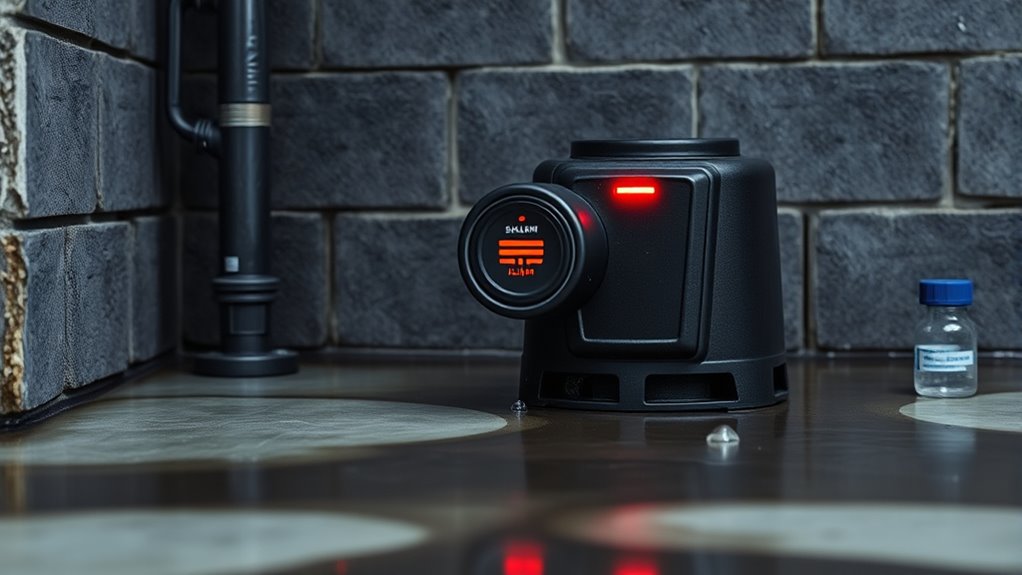
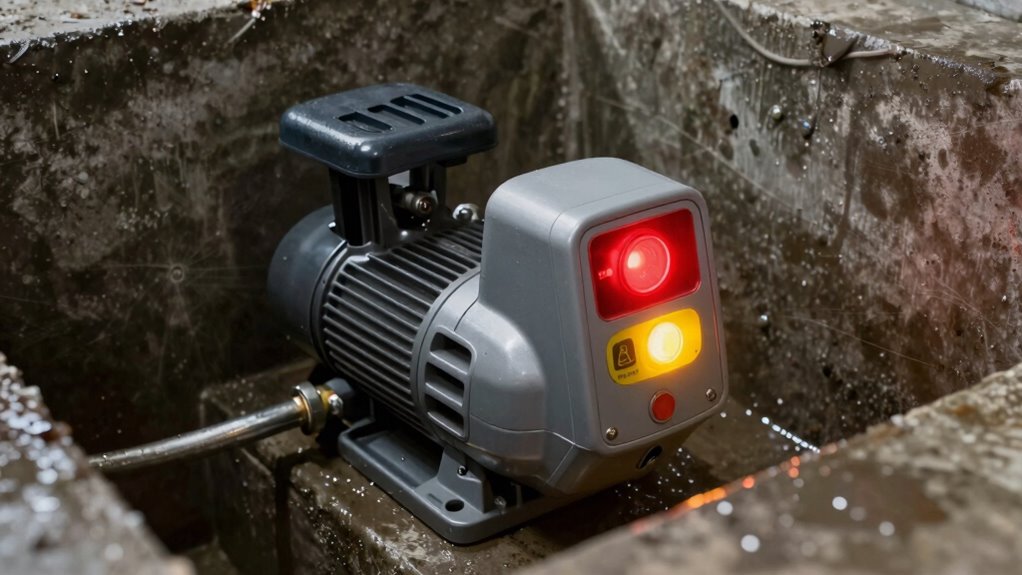
Understanding the role of sump pump alarms in home safety is essential because they provide early warnings that can prevent costly water damage. When water levels rise unexpectedly, alarms alert you immediately, giving you time to respond before flooding occurs. High-water alarms detect rising water in the sump pit, reducing the risk of overflow, basement flooding, and structural damage. They also help limit mold growth by shortening moisture exposure to building materials. During power outages, alarms can signal when the primary pump fails, prompting quick action. Monitoring pump activity patterns with alarms can reveal mechanical issues early, allowing proactive maintenance. Additionally, Free Floating technology in some alarms ensures accurate detection without false triggers caused by debris or movement, enhancing reliability. This technology also minimizes the chances of false alarms, which can lead to unnecessary stress or complacency. Properly functioning sump pump alarms are a crucial part of home safety strategies, helping you protect your home, belongings, and health from the devastating effects of water damage. Regular maintenance and testing of these alarms further improve their reliability and ensure they function correctly when needed. Implementing alarm systems with advanced detection features can further improve overall safety and peace of mind.

GenArmor Generator Covers While Running, 100% Waterproof Heavy Duty Tarps Generator Tent, Portable Outdoor Generator Enclosure for Most 4000w~13000w Generators, Black, Standard
100% Waterproof Protection: A patented innovation from GenArmor independent design lab, ensuring the safety of your generator covers...
As an affiliate, we earn on qualifying purchases.
Types of Sump Pump Monitoring Systems and Their Benefits
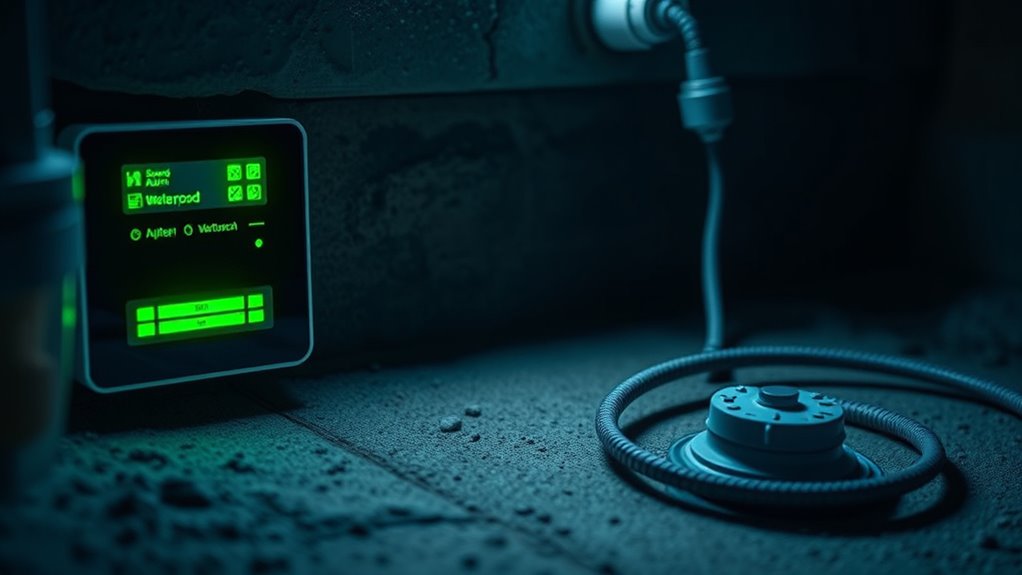
Choosing the right sump pump monitoring system can substantially improve your ability to detect problems early and prevent flooding. Basic alarms, like float or conductivity sensors, trigger a loud siren locally when water rises too high. These are simple and cost-effective for on-site alerts. Wi-Fi smart alarms send push notifications and app alerts, allowing remote monitoring—great for quick response but dependent on internet stability. Cellular monitoring systems offer more resilience, transmitting alerts over mobile networks during Wi-Fi outages or power failures. Some systems include integrated features like battery health, AC-loss, or pump-failure indicators, providing in-depth status updates. Selecting a monitoring system depends on your budget, home setup, and risk level, but all aim to catch issues early and keep your basement dry. Smart home integration can also enhance your system by enabling centralized control and automation. Additionally, ensuring your monitoring system is compliant with life safety regulations can provide peace of mind and additional protection. Incorporating redundant alert methods can further ensure you are notified promptly even if one system fails. A professional installation may also improve the effectiveness and reliability of your sump pump alarm system. Implementing a reliable sump pump alarm system is a cost-effective way to prevent costly water damage and mold growth in your basement.
Porch Shield Waterproof Universal Generator Cover 32 x 24 x 24 inch - for Most Generators 5000-10000 Watt, Black
Compatible - More sizes for 5000w -10000w gas generator or inverter generator.
As an affiliate, we earn on qualifying purchases.
How Early Warning Alarms Can Save You Thousands in Repairs
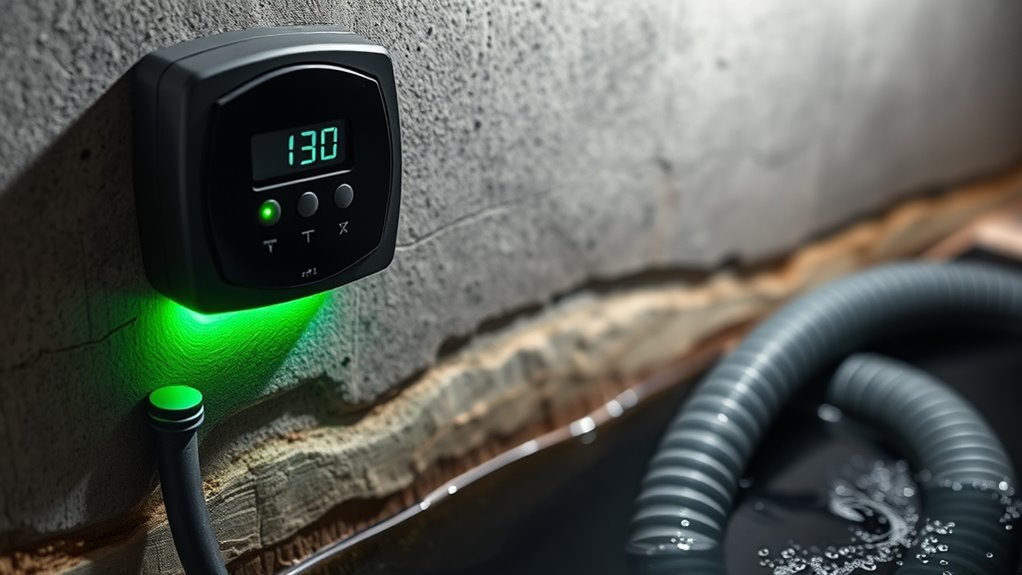
Early warning alarms detect water rising in your sump pit before it overflows, giving you time to respond. This early detection can prevent costly basement flooding and structural damage. By catching issues early, you save thousands on repairs and minimize long-term damage. Additionally, understanding your sump pump’s filtration system helps ensure reliable operation and prolongs its lifespan. Implementing smart monitoring technology can further enhance your sump pump’s effectiveness by providing real-time alerts and remote control options. Regular maintenance of your sump pump components also plays a crucial role in preventing failures and ensuring consistent performance. Incorporating preventive maintenance routines and understanding water level sensors can help identify potential problems before they develop into costly disasters.
Detects Water Rise Early
A sump pump alarm that detects water rise early can give you essential seconds to respond before flooding occurs. High-water alarms monitor the level of water in your sump pit, sounding an alert before overflow happens. This early warning allows you to take immediate action—such as turning on a backup pump or removing water—reducing the risk of basement flooding. Quick detection limits water damage to possessions and structure, preventing mold growth and costly repairs. Some alarms even alert you during power outages or system malfunctions, ensuring you’re informed regardless of circumstances. Reliable detection can make all the difference in preventing extensive damage. Incorporating advanced monitoring technology can further enhance your system’s responsiveness and accuracy. Additionally, choosing alarms that are compatible with electric sump pumps ensures seamless integration and reliable operation.
Prevents Costly Flood Damage
Sump pump alarms that provide early warnings can substantially reduce the risk of costly flood damage by alerting you before water levels become unmanageable. When you get an immediate alert, you can act quickly to start the pump or clear obstructions, preventing water from overflowing your basement. This early detection minimizes structural damage, protects your belongings, and reduces mold growth caused by lingering moisture. Without alarms, water can rise unnoticed, leading to thousands in repairs for flooring, walls, and foundation. Alarm systems also warn you during power outages or pump failures, ensuring you’re always aware of potential risks. Proper installation planning and regular maintenance of these alarms further enhance their effectiveness. Additionally, many modern alarms feature wireless connectivity, making them easier to monitor remotely and respond promptly. Implementing regular testing of your alarm system is crucial to ensure it functions correctly when needed. By catching problems early, you avoid emergency repairs and long-term damage, saving you significant money and hassle.

Midea Inverter Window Air Conditioner with Heat – Quiet Window AC Unit and Heat Combo with Dehumidifier – Cools up to 550 Sq. Ft. – Energy Star Rated, Smart Control, Remote, 12,000 BTU
Multi-Season Comfort – This Midea 12000 BTU air conditioner is more versatile than standard AC units, offering powerful...
As an affiliate, we earn on qualifying purchases.
The Importance of Backup Power and Redundancy for Reliable Protection
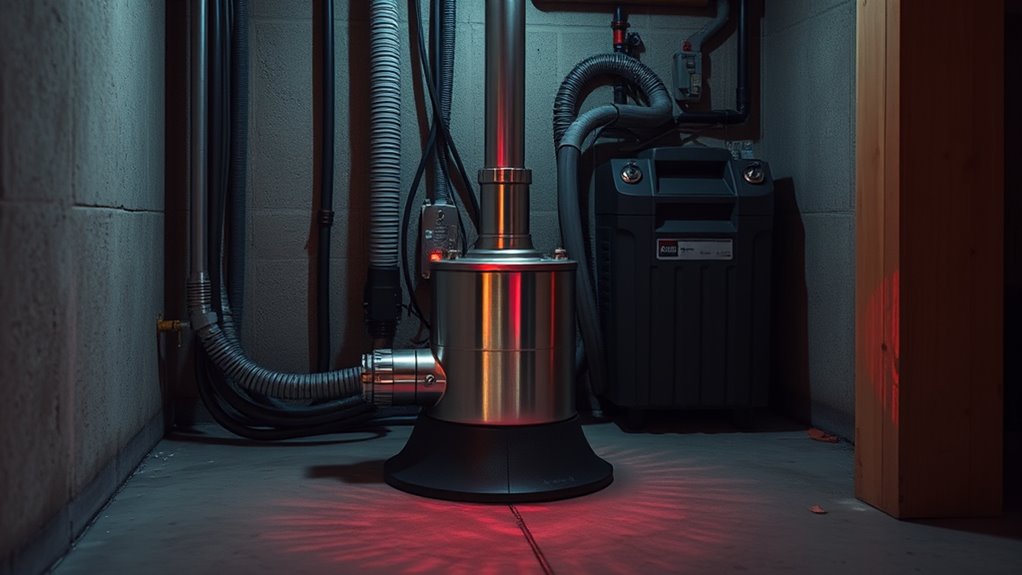
Backup power and redundancy are vital components of a reliable sump pump system because power outages are a leading cause of basement flooding. Without backup, your primary pump can fail when you need it most, especially during storms. Installing a battery backup ensures your sump pump keeps running during blackouts, while water-powered backups provide an unlimited water supply if municipal water pressure remains stable. Redundant systems with multiple pumps reduce single-point failure risks. It’s essential to include alarms that alert you to backup activation, low batteries, or pump failure. Regularly testing these systems and maintaining backup batteries or water supplies helps prevent flooding. Additionally, understanding the importance of system resilience can help homeowners ensure continuous operation during outages, significantly improving your basement’s protection against water damage. Implementing monitoring systems that track pump performance and backup status further enhances reliability and peace of mind. Proper maintenance of backup components is crucial for ensuring system reliability when it’s needed most.
Key Factors That Affect Sump Pump Alarm Reliability
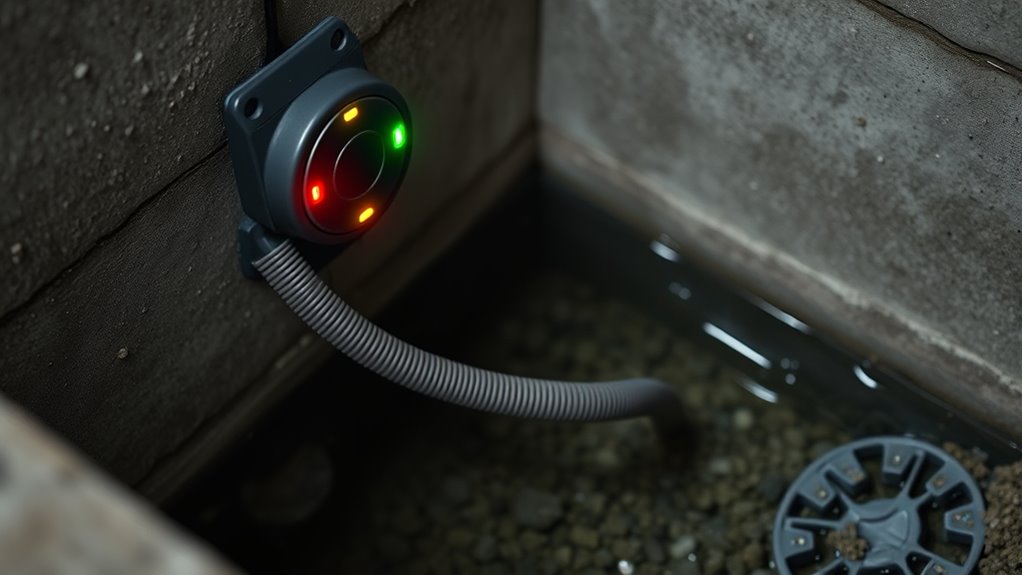
The reliability of sump pump alarms depends on several key factors that can influence their performance during critical moments. Power supply is essential—alarms relying on AC power may fail during outages, so backup batteries or cellular systems improve dependability. Proper sensor placement and maintenance are also indispensable; float switches must move freely and be free of obstructions to trigger alarms accurately. Environmental conditions, like debris or corrosion, can impair sensors and connections, reducing effectiveness. Regular testing ensures alarms activate properly and alerts are received. Connectivity issues, especially with Wi-Fi alarms, can hinder remote notifications; cellular systems mitigate this risk. Ultimately, alarm design features—such as visual indicators, battery health reporting, and multiple alert types—enhance overall reliability during emergencies.
Cost-Effective Strategies for Maintaining Your Sump Pump System
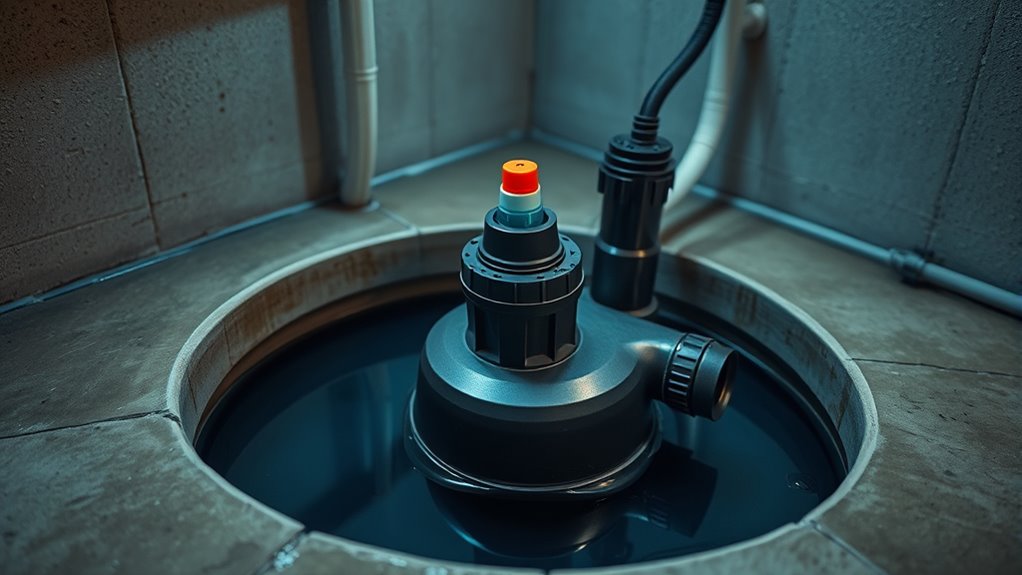
To keep your sump pump system dependable without overspending, start with regular inspections of the sump pit, float, and alarms to catch issues early. Establish a maintenance schedule for testing and replacing backup batteries to guarantee your system works during power outages. Additionally, routinely test alarm functions to confirm you’re receiving timely alerts when needed most.
Regular Inspection Routine
Regular inspections are essential for making sure your sump pump operates reliably when you need it most. You should check the sump pit monthly for debris, sediment, or obstructions that could hinder float operation or trigger false alarms. Test the float switch by lifting it manually to confirm the pump activates correctly. Inspect alarm indicators—whether visual or audible—to make sure they’re functioning. Verify the power connection and look for signs of corrosion or damage. If you have a backup system, test its battery and connections regularly. Keep a log of pump cycles and alarm events to identify abnormal patterns early. These routine checks are simple, low-cost, and effective ways to catch issues before they turn into costly repairs or flooding.
Battery Maintenance Schedule
Maintaining your sump pump’s backup battery is essential for reliable operation during power outages, and doing so cost-effectively can save you money over time. Start by testing the battery monthly with a simple voltage check—many backup systems include low-voltage alarms to alert you to issues. Replace the battery every 2-3 years, or sooner if it shows signs of deterioration, like reduced run time or visible corrosion. Keep terminals clean and connections tight to prevent power loss. During battery replacement, ensure you follow manufacturer instructions to avoid damaging the system. Regular maintenance prevents unexpected failures when you need your backup most. Investing a little time now helps avoid costly water damage later, making battery upkeep a smart and budget-friendly part of your sump pump routine.
Alarm Testing Procedures
Wondering how to guarantee your sump pump alarm is working properly without breaking the bank? The best way is to perform regular testing. Start by inspecting the alarm’s indicator lights or sounds—make sure they’re functioning correctly. Trigger the alarm manually by pouring water into the sump pit or activating the test button if available. Listen for the alert sound or check your app if you have a smart system. Confirm that notifications reach you via phone, email, or audible alarm. Repeat this monthly to ensure reliability. Additionally, verify that backup alarms activate when your primary power is off. Routine testing is simple, inexpensive, and vital for early detection of failures, saving you from costly basement damage.
Best Practices for Regular Inspection and Testing of Alarms
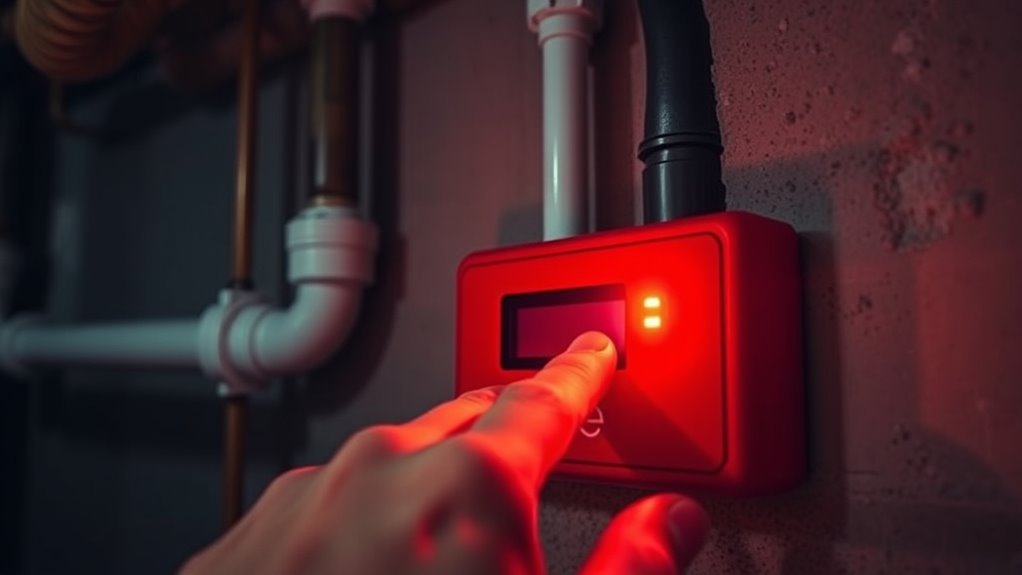
To guarantee your sump pump alarms function properly when every second counts, it’s essential to perform routine inspections and tests. Start by visually inspecting the sump pit, float switch, and alarm indicator monthly to identify obstructions or damage. Test alarm signals—whether audible, app-based, or cellular—by triggering the alarm manually or simulating high water levels. Check backup batteries monthly; ensure they are charged and replace them according to manufacturer guidelines. Confirm that backup pumps are operational and that warning lights or alerts activate during testing. Keep logs of pump cycles and alarm events to spot patterns indicating potential failure. Regular inspection and testing help catch issues early, ensuring your alarms will alert you promptly during emergencies, reducing the risk of basement flooding.
Integrating Smart and Cellular Alerts for Enhanced Monitoring
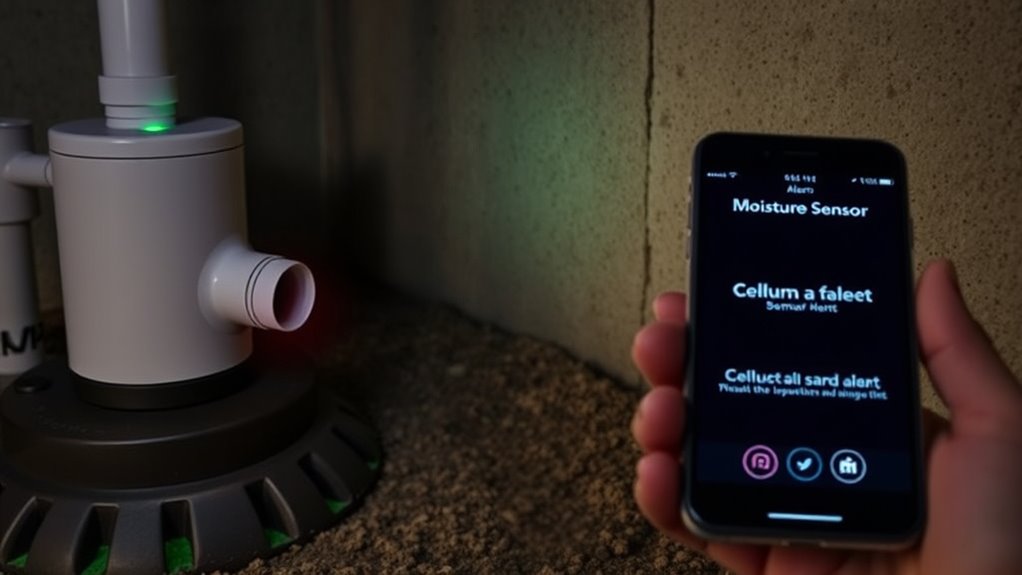
Using smart and cellular alerts lets you monitor your sump pump remotely, giving you peace of mind no matter where you are. Cellular alerts are especially reliable during power outages or Wi-Fi disruptions, ensuring you get notified when it matters most. These integrated systems help you respond quickly and prevent flooding before damage occurs.
Remote Monitoring Advantages
Integrating smart and cellular alerts into your sump pump system offers significant advantages by providing reliable, real-time notifications regardless of your home’s internet stability. With cellular monitoring, you stay informed even during Wi-Fi outages or power failures, ensuring you’re always aware of potential issues. This system enhances your response time, reducing flood risks and damage. You can:
- Receive instant alerts on your phone via app or text
- Monitor pump activity remotely and track performance
- Detect power outages or backup failures early
- Identify abnormal cycling patterns indicating mechanical issues
- Get alerts even if your internet drops, thanks to cellular backup
This continuous oversight helps you act proactively, minimizing damage and costly repairs. Remote monitoring offers peace of mind, keeping your basement safe around the clock.
Cellular Alert Reliability
Cellular alerts provide a highly reliable way to monitor your sump pump system, especially during outages or network issues. Unlike Wi-Fi-based systems, cellular monitoring uses mobile networks, so your alerts still get through even if your home Wi-Fi goes down. This means you’ll receive real-time notifications about high water levels, power failures, or pump malfunctions regardless of internet disruptions. Cellular systems also tend to be more secure and less vulnerable to hacking or interference. They often include backup power options, ensuring alerts continue during power outages. While slightly more expensive upfront, cellular alerts offer peace of mind by delivering consistent, dependable notifications. This added reliability helps you respond promptly, preventing basement flooding and minimizing damage, making cellular alert systems a smart investment in your home’s protection.
Common Causes of Sump Pump Failure and How Alarms Help Detect Them
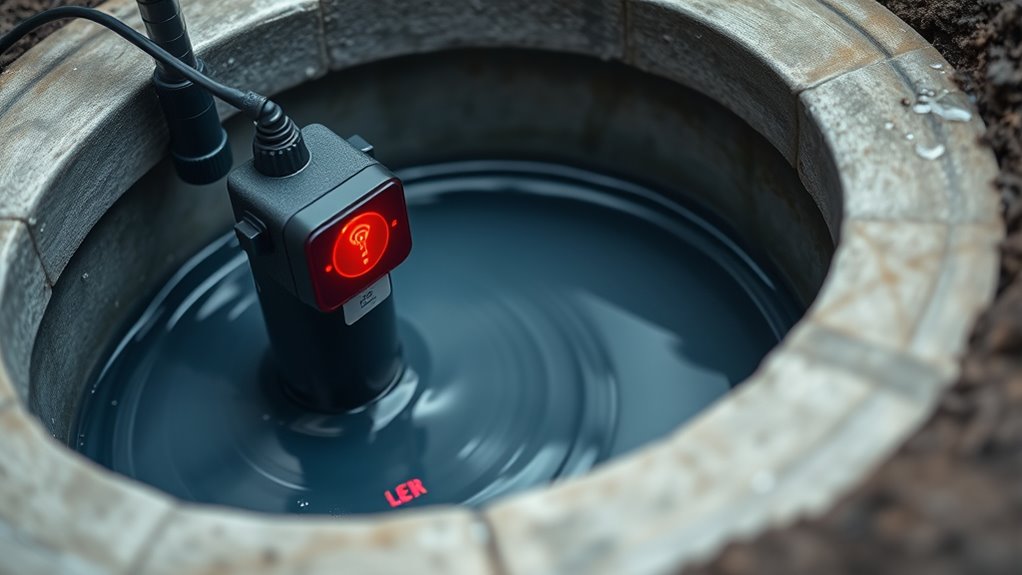
Sump pump failures often occur due to common issues like power outages, mechanical breakdowns, or float switch obstructions. These failures can lead to basement flooding if not detected early. Alarms help identify these problems quickly. For example, high-water alarms alert you when water levels rise too high, signaling potential pump failure. Obstructed or misaligned float switches can prevent the pump from activating; alarms detect abnormal water levels indicating these issues. Mechanical failures, like impeller clogs or motor burnout, often cause irregular cycling or no operation, which alarms can flag. Power outages are another risk; alarms that signal AC loss inform you when your primary power source is interrupted. Regular monitoring of pump activity and water levels ensures you catch failures before they cause damage.
- High-water levels indicating pump failure
- Abnormal cycling or no pump activity
- Power loss during outages
- Float switch obstructions or misalignment
- Mechanical issues like clogs or motor burnout
The Long-Term Value of Routine Alarm Checks and Maintenance
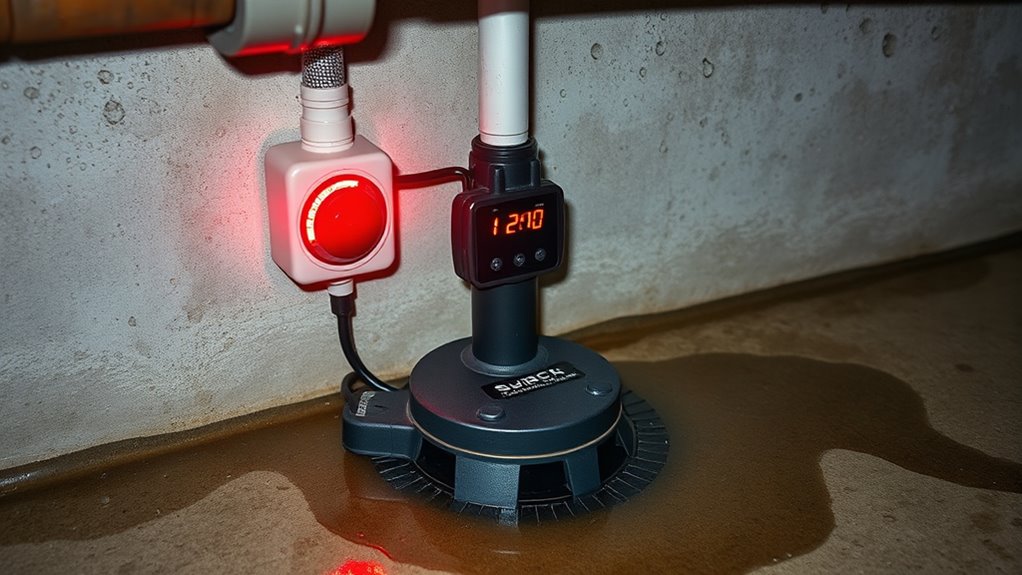
Regularly checking and maintaining your sump pump alarms extends their effectiveness and helps prevent costly water damage. Consistent inspections catch issues early, like obstructions or battery failures, ensuring alarms trigger when needed. Creating a maintenance routine saves you money by avoiding major repairs and mold growth. Use this table to understand key checks:
| Check | Frequency | Importance |
|---|---|---|
| Float switch operation | Monthly | Prevents false alarms or failure |
| Battery health and charge | Quarterly | Ensures backup readiness |
| Alarm signaling test | Monthly | Confirms alert system functions |
| Pump cycle patterns | Monthly/ Quarterly | Detects early mechanical issues |
Routine maintenance keeps your system dependable, giving you peace of mind during storms or outages.
Frequently Asked Questions
How Do Sump Pump Alarms Alert During Power Outages?
During power outages, sump pump alarms alert you through backup systems like cellular monitoring or battery-powered alarms. These systems don’t rely on your home’s main electricity or Wi-Fi, so they can send push notifications or sound alarms even when power’s out. You’ll get timely alerts about high water levels or pump failures, giving you the chance to respond quickly and prevent basement flooding or damage.
Are Wireless Alarms More Reliable Than Wired Systems?
Wireless alarms are like birds singing from afar, offering the promise of alerts even when you’re off the grid. They’re generally more reliable than wired systems during power outages or network failures because they use cellular networks instead of relying solely on your home’s Wi-Fi. While wired alarms depend on power and network stability, wireless ones communicate over mobile signals, making them a more resilient choice for protecting your basement.
What Maintenance Is Needed for Backup Battery Alarms?
You need to regularly test your backup battery alarms to guarantee they’re working properly. Check the battery voltage monthly, and replace batteries at least once a year or if the alarm indicates low battery. Keep terminals clean and free of corrosion, and verify that the alarm signals activate during testing. Schedule professional maintenance if you notice irregularities in performance, ensuring your system stays reliable during power outages.
Can Sump Pump Alarms Reduce Home Insurance Premiums?
Do you want to lower your home insurance premiums? Installing sump pump alarms can help. They demonstrate you’re taking proactive measures to protect your property against water damage, which insurers often view favorably. By documenting these safety features, you may qualify for discounts or fewer claims. Ultimately, these alarms not only safeguard your home but also provide peace of mind and potential financial benefits through reduced insurance costs.
How Often Should Sump Pump Alarms Be Tested and Inspected?
You should test and inspect your sump pump alarms monthly. Start by visually checking the sump pit, float, and alarm indicators for obstructions or damage. Then, activate the alarm manually to verify it sounds or sends notifications. Regularly test backup systems and monitor battery health. Consistent inspections help catch issues early, ensuring your alarm functions reliably during critical moments and prevents basement flooding effectively.
Conclusion
Think of your sump pump alarm as a vigilant guardian, always watching over your basement like a lighthouse guiding ships safely through storms. Regular checks and smart alerts guarantee it stays alert, ready to sound the alarm before disaster strikes. Skipping routine maintenance is like ignoring a leaky dam—eventually, it could give way. Keep your alarm vigilant, and you’ll safeguard your home from costly water damage, turning a small habit into a powerful shield.