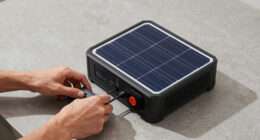
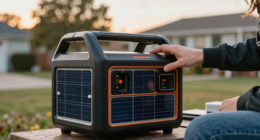
When the power’s out, you can keep your garage door working by knowing how to manually operate the door using the emergency release cord, which disconnects it from the opener. Make certain safety sensors are clear of obstructions and keep emergency tools nearby. Regularly maintain components like rollers and tracks, and consider installing a backup power source for automatic operation. Staying prepared with these steps ensures you can handle outages smoothly—discover how to master each method below.
Key Takeaways
- Locate and pull the manual release cord to disconnect the door from the opener for manual operation.
- Ensure sensors are clear of obstructions and properly aligned to maintain safety when operating manually.
- Keep emergency tools like flashlights, screwdrivers, and a portable radio accessible for quick response.
- Inspect and lubricate rollers, hinges, and tracks regularly to prevent sticking during manual use.
- Re-engage safety features and test the manual release system after restoring power to ensure proper functioning.

Anker SOLIX C1000 Gen 2 Portable Power Station, 2,000W (Peak 3,000W) Solar Generator, Full Charge in 49 Min, 1,024Wh LiFePO4 Battery for Home Backup, Power Outages, and Camping (Optional Solar Panel)
49 Min UltraFast Recharging: With upgraded HyperFlash tech, fully recharge at 1,600W—for outage prepping, camping trips, or tailgating...
As an affiliate, we earn on qualifying purchases.
Understanding Your Garage Door System and Backup Options

Understanding how your garage door system works is essential, especially when facing a power outage. Your garage door relies on sensors that detect obstacles and ensure safe operation. These garage door sensors prevent the door from closing if something is in the way, maintaining safety even during outages. Additionally, many systems feature electronic locks that can secure the door when power is lost, giving you peace of mind. Knowing how these components function helps you troubleshoot issues and implement backup options effectively. Some systems offer battery backups or manual release mechanisms, which can be useful when power is out. Familiarizing yourself with your garage door’s sensors and electronic locks guarantees you’re prepared to handle power interruptions confidently. Understanding how your garage door system is integrated with your home’s electrical system can also help in planning effective backup solutions. Recognizing the importance of backup power options ensures your garage door remains operational during outages. Moreover, being aware of the sensor detection process can help identify potential issues before they become problems. Regularly inspecting your system’s electronic components can prevent unexpected failures during critical moments. Checking the electronic safety features periodically can further enhance the reliability of your garage door during outages.

Jackery Portable Power Station Explorer 300, 293Wh Backup Lithium Battery, Solar Generator for Outdoors Camping Travel Hunting Blackout (Solar Panel Optional)
SPEED UP YOUR RECHARGEABILITY: It takes only 2 hours to recharge 80% battery of the power station through...
As an affiliate, we earn on qualifying purchases.
Manually Opening and Closing Your Garage Door

To open or close your garage door during a power outage, you need to locate the manual release handle. Make sure you understand the proper technique to operate it safely without causing damage. Once you find it, follow the correct steps to manually control your door with confidence. Understanding garage door mechanisms can help you troubleshoot and operate the system more effectively. Additionally, being aware of Free Floating principles can assist in understanding how the door’s components interact in various conditions. Knowing the garage door safety features can also help prevent accidents while operating the manual release. Familiarity with manual operation techniques can further ensure safe and effective handling during emergencies. Regularly inspecting the garage door hardware can help identify potential issues before they become emergencies.
Locating the Manual Release
When your garage door’s power goes out, finding the manual release is essential for opening and closing the door safely. First, locate the emergency release cord, usually a red handle hanging from the trolley near the automatic sensors. Pulling this cord disconnects the door from the opener, allowing you to operate it manually. Be aware that weatherproofing techniques, like sealing gaps around the door, can help defend against moisture during outages. Before pulling the release, ensure the door is fully closed to prevent it from falling unexpectedly. Once released, you can lift or lower the door by hand. Remember, automatic sensors prevent accidental closures, so test the door’s movement carefully after manual operation to ensure proper function. Additionally, understanding the manual operation techniques of garage doors can help you troubleshoot issues more effectively during power outages. Properly maintaining the garage door components can also reduce the likelihood of malfunctions during emergencies. Regular inspections of the garage door parts can help identify potential problems before they occur, especially in emergency situations. Performing these checks regularly can prevent unexpected failures and ensure your garage door operates smoothly when needed most. Incorporating proper maintenance practices can further extend the lifespan of your garage door and improve its reliability during power outages.
Proper Manual Operation Techniques
If your garage door is disconnected from the opener, you’ll need to operate it manually with care and proper technique. Before lifting, confirm the garage door sensors are clear of obstructions to prevent false alarms or safety issues. Stand directly in front of the door, grip the handle firmly, and lift smoothly, using your legs for strength. When closing, do so slowly to avoid damage or injury. If you have a keypad, avoid attempting keypad programming while the door is manually operated, as signals won’t transmit properly without power. Always check that the door is balanced and runs smoothly on its tracks. Proper manual operation prevents damage and ensures safety during power outages or emergencies. Additionally, understanding manual operation techniques can also help maintain the longevity of your garage door components and ensure safe handling. Being familiar with emergency procedures can help you respond quickly and safely if your garage door becomes stuck or malfunctions during a power outage.

BLUETTI Elite 30 V2 Portable Power Station 600W (Power Lifting 1500W), 288Wh LiFePO4 Battery with 10ms UPS, Emergency Backup Power for Home Blackout/Winter Storm, Solar Generator for Camping/Road Trip
[288Wh On-the-Go Power] - Only 9.4 lbs lightweight, carry it anywhere during storms! 288Wh capacity meets daily &...
As an affiliate, we earn on qualifying purchases.
Using a Remote Control During Power Outages

During a power outage, using your remote control might seem challenging, but many garage door openers are designed to work with a battery backup or manual override. If the remote isn’t responding, start with remote control troubleshooting by checking the batteries. Often, a simple battery replacement restores functionality. Confirm the batteries are properly seated and free of corrosion. If your remote still doesn’t work, verify that the garage door opener’s backup power system is active. Some models have a built-in battery that needs periodic replacement to keep remote operation reliable. Keep spare batteries on hand to quickly swap out when needed. Remember, if troubleshooting doesn’t resolve the issue, consult your garage door opener’s manual or contact a professional to avoid further complications. Battery backup systems are an essential feature for maintaining operation during outages. Additionally, ensuring the power source for your opener is connected properly can prevent additional issues during outages. Regularly testing your backup power can help ensure it functions correctly when needed.

Jackery Solar Generator 1000 v2 with 200W Solar Panel,1070Wh Portable Power Station LiFePO4 Battery,1500W AC/100W USB-C Output, 1Hr Fast Charge for Outdoor,Off-Grid Living,RV,Emergency
Powerful yet Compact: Boasting a 1,500W AC output and a 3,000W surge peak, the Solar Generator 1000 V2...
As an affiliate, we earn on qualifying purchases.
Installing a Manual Release Mechanism

To make certain you can open your garage door during a power outage, installing a manual release mechanism is essential. First, locate the release handle and learn how to properly engage the mechanism when needed. Regular maintenance checks will keep it functioning reliably whenever you need to operate it manually. Additionally, familiarize yourself with garage door safety features to prevent accidents during manual operation. Ensuring the proper lubrication of moving parts can also help maintain smooth manual operation and extend the lifespan of your garage door components. Incorporating reliable hardware into your system can further enhance safety and durability during manual use. Performing periodic inspections and understanding the technological integrations can also help you address potential issues before they become problematic. A thorough understanding of attention to detail can aid in early detection of any mechanical issues, ensuring your garage door remains functional in emergencies.
Locating the Release Handle
Locating the release handle is a essential first step when installing a manual release mechanism for your garage door. You need to identify where the handle or cord is connected to the trolley or carriage inside the garage. Typically, it hangs from the ceiling near the door tracks and is designed for quick access during emergencies. Making certain you can easily reach this handle enhances garage door safety and improves your emergency preparedness. Before proceeding, inspect the handle’s position and make sure it’s free of obstructions. Clear visibility helps guarantee you can activate the release smoothly when needed. Properly locating and understanding this handle’s placement is fundamental for safely disengaging the door during a power outage or emergency situation. Understanding garage door components can help you better troubleshoot and maintain your system. Additionally, familiarizing yourself with manual release procedures ensures you can act swiftly in urgent situations.
Properly Engaging the Mechanism
Once you’ve identified the release handle, it’s vital to properly engage the manual release mechanism to guarantee safe operation during a power outage. To do this, pull the handle firmly to disconnect the garage door from the opener. Ensure the door is fully disengaged by checking that it moves freely without resistance. If the door feels stiff, avoid forcing it, and perform a mechanism adjustment if necessary before proceeding. Always follow safety protocols to prevent injury or damage. Confirm that the mechanism is securely released so you can manually operate the door smoothly in an emergency. Proper engagement reduces the risk of accidental closures or injuries and ensures you can access your garage safely during a blackout. Regularly testing this process helps maintain safe, reliable operation when needed.
Regular Maintenance Checks
Regular maintenance checks are essential to guarantee your manual release mechanism functions properly when needed. Start by inspecting your garage door sensors to ensure they’re clean and aligned; dirt or misalignment can interfere with safety features, especially during power outages. Next, apply lubrication techniques to moving parts like rollers, hinges, and tracks, which helps prevent sticking or failure. Regularly test the manual release cord to confirm it disengages smoothly from the opener. Check for any signs of wear or damage on the cable and pulley system. By performing these routine checks, you ensure that your garage door remains operable manually and that the sensors and release mechanism work reliably when you need them most.
Keeping Emergency Tools Handy

Having emergency tools within reach can make all the difference during a power outage. Proper tool organization guarantees you’re prepared when your garage door won’t operate automatically. Keep essential items close by and easy to access. Here are four must-have tools:
Having essential emergency tools organized ensures quick access during power outages.
- A sturdy flashlight with extra batteries
- A set of screwdrivers and pliers
- A portable, battery-powered or hand-crank radio
- A backup power source or manual release key
Storing these tools in a designated, accessible spot enhances your emergency preparedness. Regularly check and organize your tools so you know exactly where they are when needed. This simple step guarantees you can quickly manually operate your garage door, maintaining safety and peace of mind during unexpected outages. Proper tool organization is vital for efficient response when power is lost.
Maintaining Your Garage Door Components for Reliability

To guarantee your garage door operates smoothly and reliably, it’s vital to maintain its key components regularly. Start by applying garage door lubrication to rollers, hinges, and tracks to reduce friction and wear. Check the sensor alignment to ensure safety features function correctly; misaligned sensors can prevent the door from closing properly. Regular inspections prevent minor issues from becoming major repairs. Here’s a quick guide:
| Maintenance Step | What to Do | Why It Matters |
|---|---|---|
| Lubricate Components | Use garage door lubricant on moving parts | Keeps parts moving smoothly |
| Check Sensor Alignment | Ensure sensors face each other directly | Prevents operational errors |
| Inspect Springs & Cables | Look for wear or damage | Avoids sudden failures |
Consistent upkeep keeps your garage door dependable, especially during power outages.
Alternative Power Sources for Garage Doors

When a power outage hits, your garage door’s reliance on electricity can leave you stranded. To avoid this, consider alternative power sources like:
- Solar panels with battery storage to power your garage door opener during outages.
- Backup batteries that provide immediate power without depending on the grid.
- Portable generators capable of running your garage door opener temporarily.
- Manual override systems to open your garage door without power.
Installing solar panels with backup batteries allows you to harness renewable energy and keep your garage functional. Backup batteries ensure quick, reliable power during outages, while portable generators offer flexible options. Combining these solutions can give you peace of mind, knowing your garage door won’t leave you stranded when the power goes out.
Safety Tips for Operating Your Garage Door Without Power

Operating your garage door without power requires caution to prevent injury or damage. First, disconnect the automatic safety features by locating the emergency release cord and pulling it to disengage the door from the automatic safety system. This manual operation allows you to open or close the door safely without risking damage to sensors or causing injury. Be aware that garage door sensors are designed to prevent the door from closing on objects or people; when power is out, these sensors won’t function, so ensure the area beneath the door is clear. Always operate the door slowly and carefully, keeping your hands and feet away from moving parts. After use, reconnect the safety system to restore automatic safety and sensor functionality when power is restored.
Frequently Asked Questions
How Often Should I Test My Garage Door’s Backup Systems?
You should test your garage door’s backup systems at least once every three to six months. During these tests, check the battery maintenance and verify the backup battery lifespan is still effective. If your system has a low battery indicator, replace the battery promptly to avoid surprises. Regular testing helps identify issues early, ensuring your garage door operates smoothly during power outages, giving you peace of mind.
Can I Upgrade My Garage Door Opener for Better Power Outage Performance?
Sure, upgrading your garage door opener is a smart move for power outages. You can install a backup upgrade or add a smart battery system to guarantee it works when electricity fails. Ironically, with these upgrades, you might actually enjoy unplugged moments more, knowing your garage door won’t leave you stranded. Just make sure your new system is compatible and easy to operate, so it’s worth the investment.
What Signs Indicate My Garage Door’s Manual Release Needs Repair?
If your garage door’s manual release needs repair, you’ll notice it doesn’t smoothly disconnect from the opener or gets stuck. You might also experience issues with garage door sensors, like misaligned or dirty sensors, causing the door to malfunction. Remote control issues, such as unresponsive buttons, can signal a problem with the manual release or the sensor system. Address these signs promptly to guarantee safe, reliable operation.
Are There Specific Maintenance Tips for Manual Garage Door Operation?
Ever wondered how to keep your manual garage door functioning smoothly? Regular maintenance is key. You should manually operate the door occasionally to check for smooth movement, and apply manual lubrication to hinges, rollers, and tracks to prevent rust and squeaks. Always guarantee your emergency release cable is accessible and functioning, so you can easily disengage and operate the door in case of power failure. Proper care keeps your door reliable and safe.
How Do I Ensure My Garage Door Remains Secure During a Power Outage?
To keep your garage door secure during a power outage, use the manual release to disconnect the opener and operate it manually. Consider installing a battery backup system so your opener can function without power. Always lock the door after opening it manually, and check that the tracks and rollers are clear. Regularly test your manual release to make certain it works smoothly, providing peace of mind during outages.
Conclusion
When the power’s out, your garage door doesn’t have to be a hurdle. By understanding your system, keeping emergency tools handy, and exploring backup options, you hold the key to seamless access. Remember, a well-prepared garage is like a fortress—ready to protect and serve whenever needed. Don’t let a blackout leave you stranded; with a little planning, you’re always in control, turning potential chaos into simple control.