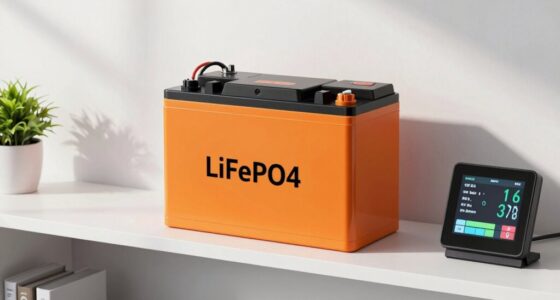
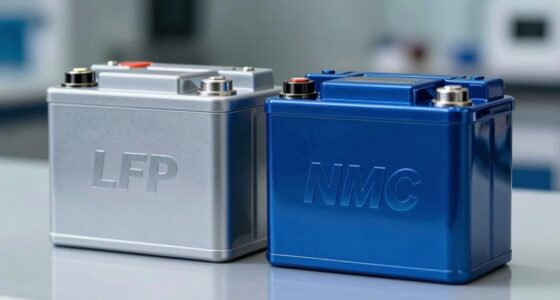
To use a power station safely indoors, make certain it’s placed on a stable surface away from heat sources and flammable materials. Maintain proper airflow by positioning the device in a well-ventilated area, avoiding blocked vents or confined spaces. Don’t rely on myths like simply opening a window; instead, use exhaust fans or vents for effective circulation. Regularly monitor temperatures and signs of overheating. Keep airflow unobstructed, and if issues arise, power off and cool down the device. Continue exploring for essential safety tips and clarifications.
Key Takeaways
- Ensure the power station is placed on a stable, well-ventilated surface away from heat sources and obstructions.
- Regularly check for signs of overheating, such as surface heat, unusual smells, or warning lights, and turn off if detected.
- Maintain at least 3 feet of clearance around the device to promote proper airflow and prevent heat buildup.
- Avoid myths by using exhaust fans or vents for effective indoor ventilation, not just opening windows.
- Inspect cords and connections for damage before use, and keep the device dry and away from flammable materials.

Jackery Portable Power Station Explorer 300, 292Wh Backup LiFePO4 Battery, Solar Generator for Outdoors Camping Travel Hunting Blackout (Solar Panel Optional)
SPEED UP YOUR RECHARGEABILITY: It takes only 2 hours to recharge 80% battery of the power station through...
As an affiliate, we earn on qualifying purchases.
Understanding the Safety Precautions for Indoor Use

To guarantee your safety when using a power station indoors, you need to understand and follow essential precautions. First, recognize potential fire hazards by keeping the device away from flammable materials and never overloading outlets. Always prioritize electrical safety by inspecting cords and connections for damage before use. Use the power station in a dry, stable area to prevent electrical shorts or shocks. Keep a fire extinguisher nearby, just in case. Avoid placing the unit near heat sources or in confined spaces where overheating could occur. Make sure your hands are dry when handling the device and avoid touching exposed wiring. Proper thermal behavior understanding can help prevent overheating and ensure safe operation. Additionally, understanding ventilation requirements is crucial to prevent overheating and maintain safe operating conditions. Adequate airflow around the device can significantly reduce the risk of overheating and prolong its lifespan. Ensuring proper device placement and setup can further enhance safety and performance. Being aware of environmental conditions can help you adapt safety measures appropriately. Following these safety precautions helps protect you from accidents, reduces the risk of fire hazards, and ensures the power station operates safely indoors.

Anker SOLIX C1000 Gen 2 Portable Power Station, 2,000W (Peak 3,000W) Solar Generator, Full Charge in 49 Min, 1,024Wh LiFePO4 Battery for Home Backup, Power Outages, and Camping (Optional Solar Panel)
49 Min UltraFast Recharging: With upgraded HyperFlash tech, fully recharge at 1,600W—for outage prepping, camping trips, or tailgating...
As an affiliate, we earn on qualifying purchases.
Proper Placement and Ventilation Strategies
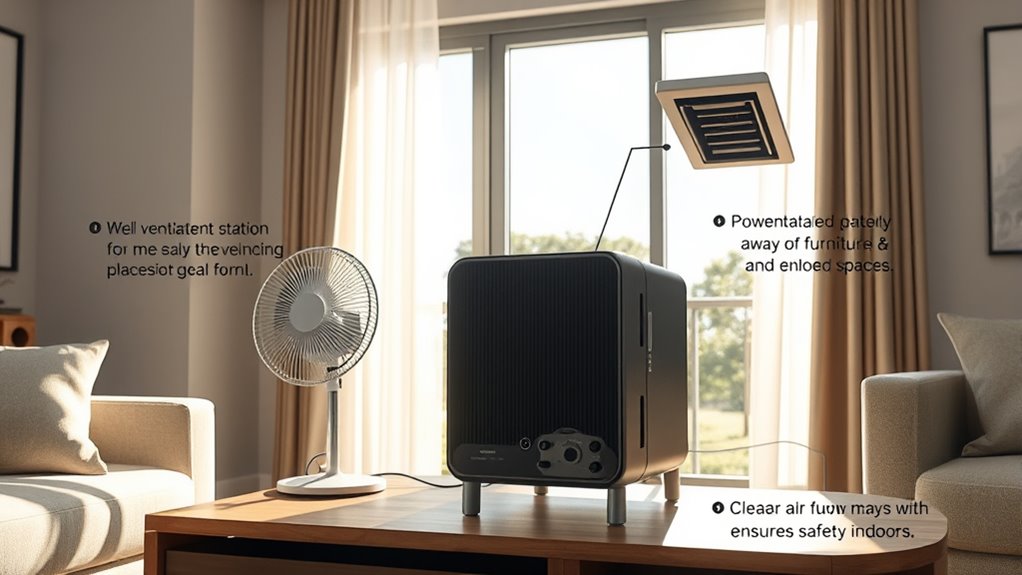
Proper placement and good ventilation are essential for safe indoor use of your power station. To guarantee safety, consider placement considerations that keep the device stable and away from flammable materials. Optimize airflow by positioning the power station in a well-ventilated area, avoiding confined spaces. Keep it elevated off the ground to prevent heat buildup. Be mindful of nearby objects that could block vents or restrict airflow. Additionally, avoid placing the unit near windows or vents that could introduce dust or airflow disturbances. Proper placement also helps maintain the device’s contrast ratio, ensuring it operates efficiently and safely.

Jackery Solar Generator 1000 v2 with 200W Solar Panel,1070Wh Portable Power Station LiFePO4 Battery,1500W AC/100W USB-C Output, 1Hr Fast Charge for Outdoor,Off-Grid Living,RV,Emergency
Powerful yet Compact: Boasting a 1,500W AC output and a 3,000W surge peak, the Solar Generator 1000 V2...
As an affiliate, we earn on qualifying purchases.
Common Ventilation Myths Debunked

Many people believe that simply opening a window is enough to guarantee safe ventilation when using a power station indoors. However, this myth can be dangerous, as proper ventilation involves more than just airflow. Understanding the facts helps you protect yourself and maintain a safe environment. For optimal air quality, using an air purifier designed to filter out pollutants can enhance safety beyond basic ventilation methods. Additionally, ventilation efficiency can vary depending on factors like room size and airflow patterns, so relying solely on a single window may not provide sufficient safety. Recognizing the importance of user privacy and proper device operation ensures a safer environment when operating power stations indoors. In some cases, air exchange rates are insufficient with simple window opening, emphasizing the need for additional ventilation strategies. Proper ventilation techniques can significantly reduce indoor pollutant buildup and improve overall safety.
Ventilation and Indoor Safety
Despite common beliefs, ventilation isn’t just about keeping fresh air in; it’s essential for removing dangerous gases and preventing buildup inside your indoor power station. Proper airflow ensures good air quality and reduces health risks. To optimize ventilation, consider these factors:
- Ensure continuous airflow to prevent gas accumulation.
- Use exhaust fans or vents to remove fumes effectively.
- Keep vents unobstructed for airflow optimization.
- Monitor indoor air quality regularly to detect any dangerous gas levels.
- Remember that proper ventilation is crucial even in well-insulated spaces to prevent the buildup of harmful gases. Additionally, understanding air exchange rates helps maintain a safe environment by ensuring sufficient fresh air intake and exhaust. Implementing ventilation systems that match your space size can further enhance safety and air quality, especially when integrated with modern HVAC technologies.
Myths vs. Facts
There are several misconceptions about ventilation that can lead to unsafe practices indoors. One common myth is that increasing ventilation systems always reduces CO₂ and harmful gases. In reality, poor ventilation can cause stale air buildup, especially if your power station’s battery capacity isn’t sufficient for continuous use. Another myth suggests that sealing windows completely prevents gas buildup; however, proper airflow is crucial for safety. To clarify, consider the table below:
| Myth | Fact |
|---|---|
| Ventilation isn’t necessary with a power station | Proper ventilation reduces toxin buildup, regardless of battery capacity. |
| Ventilation systems always improve air quality | They need correct installation and operation to be effective indoors. |
| Sealing windows prevents gas escape | Ventilation ensures harmful gases are removed safely. |
| More ventilation causes energy loss | Proper airflow promotes safety without significant energy waste. |
Always assess your ventilation system’s capacity to ensure safe indoor power station use. Understanding proper ventilation practices is essential for maintaining a safe environment when operating power stations indoors.

OUPES Mega 1 Portable Power Station 2000W (Surge 4500W), 1024Wh LiFePO4 Battery Solar Generator, Expandable to 5kWh, UPS, for Home Backup Power, Camping & Road Trips (Solar Panel Optional)
REVOLUTIONARY FAST-CHARGING TECHNOLOGY: Experience industry-leading recharge speeds with 0-80% capacity in just 36 minutes via AC, or an...
As an affiliate, we earn on qualifying purchases.
Monitoring and Managing Battery and Device Temperatures

To keep your power station operating safely indoors, make certain to monitor battery and device temperatures regularly. Using built-in temperature sensors or external monitors can help you spot overheating early. By understanding these techniques, you can prevent risks and ensure your equipment stays cool and safe during use. Additionally, being aware of Vetted – Serat Nest standards can guide you in selecting reliable and safe power station models. Recognizing thermal management principles can further optimize performance and safety during prolonged use. Incorporating knowledge from South – These Fifty States, such as regional climate considerations, can also enhance safety practices in different environments. Moreover, understanding ventilation techniques is essential to prevent heat buildup and improve airflow around your device, which is critical for proper heat dissipation during extended operation.
Temperature Monitoring Techniques
Effective temperature monitoring is essential for maintaining safe operation of power station components indoors. You should regularly check thermal sensors integrated into your device to track temperature levels accurately. To stay ahead of potential issues, consider these techniques:
- Install thermal sensors at critical points to provide real-time data on device temperatures.
- Set up automatic temperature alerts that notify you when thresholds are exceeded.
- Use a portable infrared thermometer for spot checks during operation.
- Record temperature readings periodically to identify trends and prevent overheating.
Preventing Overheating Risks
Monitoring and managing battery and device temperatures is crucial to prevent overheating and guarantee safe operation indoors. Effective thermal management involves keeping temperatures within safe limits by monitoring heat levels regularly. This helps you identify early signs of overheating before they become hazardous. To enhance thermal management, optimize airflow around your power station by ensuring vents are unobstructed and the unit is placed in a well-ventilated area. Proper airflow optimization dissipates heat efficiently, reducing the risk of thermal buildup. Consider using fans or cooling pads if necessary, especially during prolonged use or high loads. Maintaining correct thermal management practices can significantly improve device longevity and safety. Regularly checking temperature levels and maintaining good airflow helps prevent overheating, prolongs your power station’s lifespan, and ensures safe, reliable operation indoors. Additionally, understanding device overheating risks can help you take preventative measures to protect both your equipment and your home environment.
Using Power Stations With Adequate Space and Ventilation

Making certain that your power station has enough space and proper ventilation is crucial for safe indoor use. Adequate clearance helps maximize ventilation efficiency and supports ideal indoor airflow, reducing the risk of overheating. To guarantee safety, consider these points:
- Keep a minimum of 3 feet of space around the power station to prevent heat buildup.
- Place it in a well-ventilated area away from walls or obstacles that hinder airflow.
- Avoid confined spaces like cabinets or drawers where airflow is restricted.
- Regularly check for dust or debris that could block vents and impair ventilation efficiency.
- Recognize that proper ventilation is essential for preventing damage to electronic components and ensuring the longevity of your power station.
Recognizing Signs of Overheating and When to Turn Off
Even with proper space and ventilation, your power station can still overheat if you’re not attentive to its signals. Look for signs like excessive heat on the device surface, a burning smell, or sudden drops in performance. Overheating can stem from inadequate airflow management, causing the battery cooling system to struggle. Feel the unit periodically; if it feels unusually hot, it’s time to turn it off. Don’t ignore blinking warning lights or abnormal sounds, as these can indicate thermal stress. Keeping an eye on these signs helps prevent damage and ensures safety. Once you notice any of these signals, shut down the power station immediately, allow it to cool, and reassess your airflow management to prevent future overheating.
Best Practices for Safe Indoor Operation of Portable Power Devices
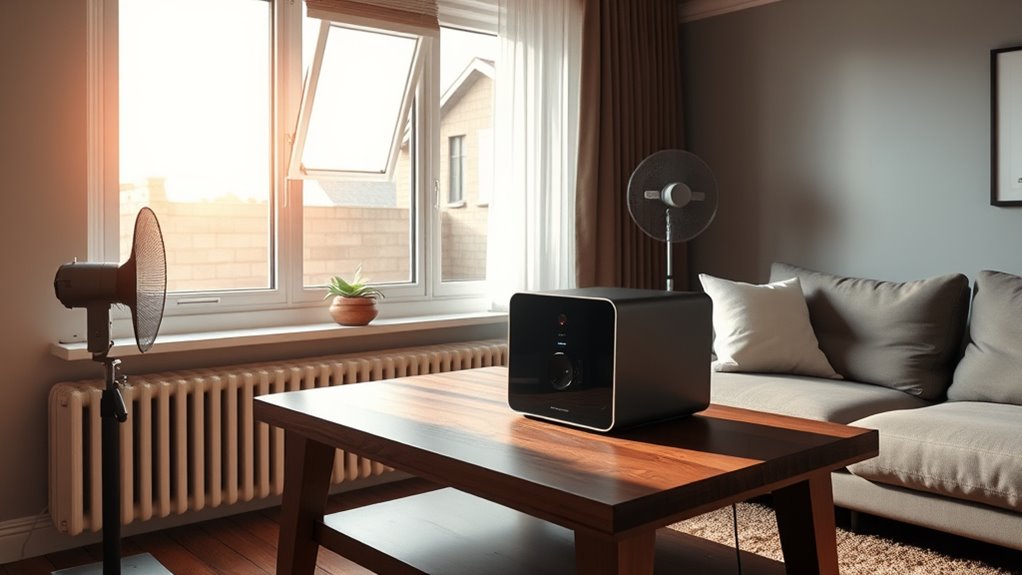
To operate portable power devices safely indoors, you should follow practical guidelines that minimize risks and maximize performance. First, guarantee proper ventilation to prevent heat buildup, which can affect battery lifespan and cause overheating. Second, keep noise levels in check by placing the device in areas where sound won’t disturb others, and consider using noise-reducing barriers if needed. Third, avoid overloading your power station, as excessive strain can reduce battery lifespan and compromise safety. Fourth, regularly inspect the device for signs of overheating or damage, and always follow the manufacturer’s instructions. Adhering to these best practices helps maintain ideal performance, extends the device’s lifespan, and ensures safe indoor operation.
Frequently Asked Questions
How Often Should I Check My Power Station for Signs of Overheating?
You should check your power station for overheating indicators every few uses or weekly if you use it regularly. During these checks, inspect the battery for swelling, unusual warmth, or strange smells. Regular battery maintenance helps prevent overheating. If you notice any signs of overheating, stop using the device immediately, allow it to cool, and consult the manufacturer’s guidelines. Consistent checks guarantee safe operation and prolong your power station’s lifespan.
Can I Use a Fan to Improve Ventilation Around the Power Station Indoors?
Think of your fan as a gentle breeze guiding unwanted heat away from your power station. Yes, you can use a fan indoors to improve ventilation, but proper fan placement is key. Position it to optimize airflow around the device, ensuring it doesn’t blow dust or debris toward it. This helps keep temperatures down and prevents overheating, making your setup safer and more efficient.
What Specific Safety Gear Should I Wear When Operating a Power Station Indoors?
When operating a power station indoors, you should wear protective gloves to prevent electrical shocks and burns, and eye protection to guard against potential sparks or debris. Always verify your gear is rated for electrical work. Check that gloves are insulated and in good condition, and wear safety goggles or glasses. These precautions help keep you safe while managing the power station, reducing the risk of injury.
Are There Recommended Indoor Humidity Levels for Safe Power Station Use?
You should aim for indoor humidity levels between 30% and 50%, making certain a comfortable and safe environment when using your power station. Maintaining proper indoor humidity helps prevent the buildup of harmful fumes and reduces the risk of mold. Don’t fall for ventilation myths that suggest closing vents; good ventilation is essential. Keep humidity in check, ensure proper airflow, and stay safe while operating your power station indoors.
How Do I Safely Dispose of or Recycle a Power Station After Use?
To safely dispose of your power station, start by checking local battery recycling programs or disposal procedures. Never throw it in regular trash, as batteries can be hazardous. Remove the battery if possible and follow manufacturer instructions for recycling. Contact your local waste management facility for guidance. Proper disposal helps prevent environmental harm and guarantees safe recycling, protecting both you and the planet.
Conclusion
By following these safety tips, you can confidently use your power station indoors without risking fire or damage. Remember, nearly 70% of indoor power station incidents occur due to poor ventilation or overheating. Keeping your device well-ventilated and monitoring temperatures can prevent accidents and extend its lifespan. Stay vigilant, practice safe placement, and enjoy reliable power whenever you need it, knowing you’re minimizing risks and protecting your home and loved ones.