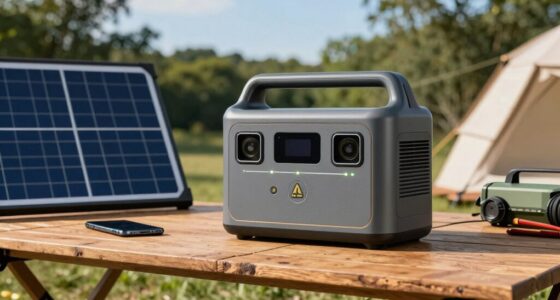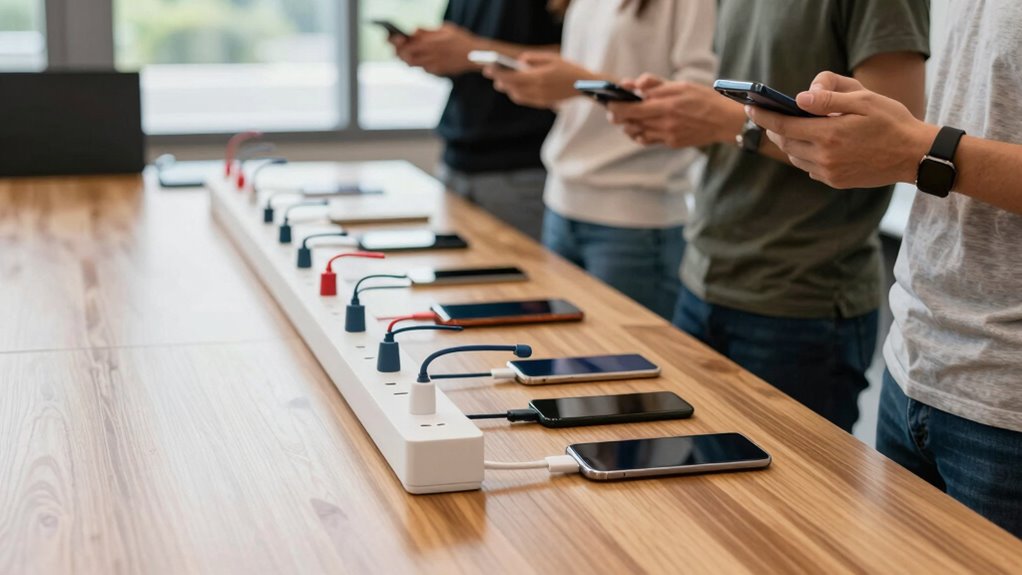

To build a fair EV charging queue during outages, you need smart hardware like load controllers, cloud-compatible chargers, and license-plate cameras to prevent misuse. Implement software that manages priorities, automatically balances loads, and enforces queue rules. Use clear communication tools like apps or signage to inform users about their position and wait times. Incorporating these strategies guarantees everyone gets fair access, even during grid issues. Keep exploring to learn more about effective, conflict-free charging solutions.
Listen free for 30 days with Audible
Thousands of audiobooks and originals — cancel anytime.
As an affiliate, we earn on qualifying purchases.
Key Takeaways
- Implement real-time load monitoring and dynamic power allocation to fairly distribute energy during outages.
- Use license-plate recognition and geofencing to verify vehicle presence and prevent queue-jumping.
- Deploy digital signage and app notifications to keep users informed of queue status and upcoming turns.
- Establish priority tiers for critical users, like emergency vehicles and disabled drivers, for fair access during outages.
- Enforce rules with penalties, automated timeouts, and remote diagnostics to maintain orderly and dispute-free charging queues.

Porch Shield Generator Cover for 5000-10000W, 32 x 24 x 24 inch, Black
- Compatibility: Fits 5000-10000W generators
- Durable Material: 600D water-resistant polyester fabric
- All-Around Protection: Protects against sun, rain, snow, dust
As an affiliate, we earn on qualifying purchases.
Understanding the Challenges of EV Charging During Outages
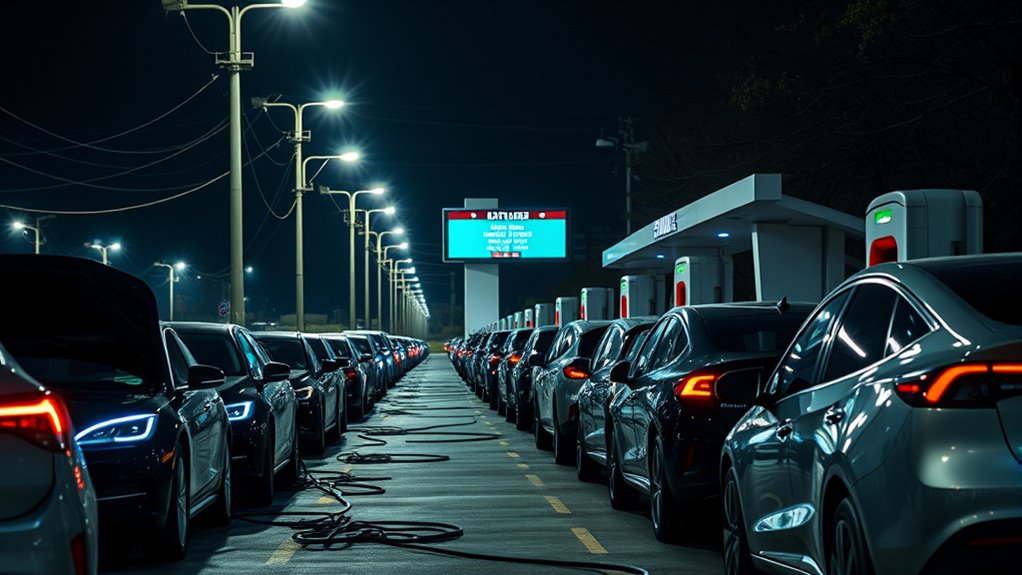
During outages, EV charging stations face significant challenges in managing limited or disrupted power supplies while ensuring fair access for all users. Power shortages can cause chargers to shut down unexpectedly, creating confusion and frustration. Without proper control, some users might monopolize outlets or attempt to cheat the queue, leading to disputes. Rapid chargers, which demand high power, are especially vulnerable, risking overloads and grid instability. Additionally, outages often disrupt communication between hardware and management software, making it hard to monitor usage or enforce rules. This chaos increases conflict, delays charging, and diminishes user trust. To maintain fairness and safety, you need systems that dynamically adapt to power constraints, prioritize critical users, and clearly communicate status and rules during these stressful situations. European cloud innovation can provide reliable, scalable solutions to better coordinate charging infrastructure during such outages, especially through connected equipment that can adjust in real-time to changing conditions. Incorporating power management systems that intelligently distribute available energy can further prevent overloads and ensure equitable access for all users. Leveraging real-time monitoring and smart automation is crucial for detecting issues early and responding promptly to outages, which enhances overall reliability and user confidence.
Porch Shield Generator Cover for 5500-15000W, 38 x 28 x 30 inch, Black
- Compatibility: Fits 5500W to 15000W generators
- Premium Material: 600D water-resistant polyester fabric
- All-Weather Protection: Resists sun, rain, snow, wind, dust, dirt
As an affiliate, we earn on qualifying purchases.
Essential Hardware Components for a Fair Charging Queue

To guarantee a fair and efficient charging queue, you need essential hardware components that enable real-time monitoring, control, and enforcement. A dedicated load management controller senses the total site draw and adjusts charger power accordingly, ensuring fair distribution. OCPP-compatible chargers allow remote management via cloud-based systems, providing flexibility and oversight. For high-power charging, separate feeders or dedicated DC units prevent overloads on shared circuits. On-site displays or signage show queue status and upcoming turns, reducing confusion. License-plate cameras or short-range geofencing hardware verify physical presence, preventing misuse and queue-jumping. Integrating load ratio into the system can further optimize load balancing and user experience during outages or peak demand periods. Using smart sensors to monitor individual outlets can also help detect faults and prevent unsafe conditions, maintaining overall safety and reliability. Additionally, implementing fault detection systems can proactively identify issues before they escalate, ensuring continuous operation and safety. Incorporating real-time data enhances system responsiveness and helps adapt to changing demand patterns, maintaining fairness and efficiency during outages or peak times. These components work together to create a reliable infrastructure, ensuring fairness, safety, and smooth operation during outages or peak demand periods.

Portable Solar Generator 300W Portable Power Station with 60W Solar Panel
- Powerful 300W Portable Generator: Charges smartphones, tablets, laptops, and small devices
- Includes 60W Foldable Solar Panel: Recharges via solar, AC, or car power
- Multiple Charging Outlets: AC, DC, USB, and quick charge ports
As an affiliate, we earn on qualifying purchases.
Designing Smart Software and Queue Management Logic
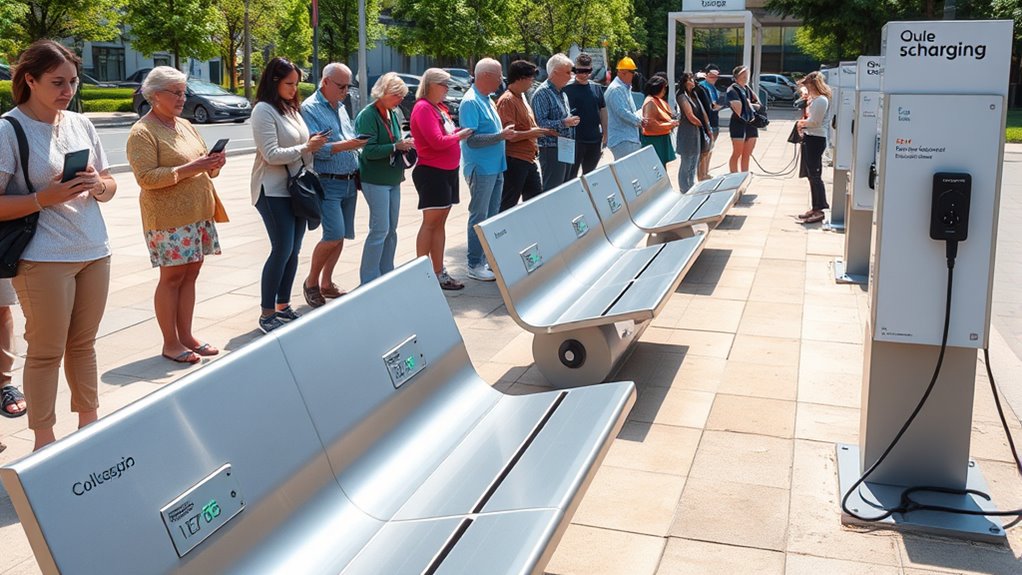
You need to implement smart software that dynamically allocates available power and manages the queue fairly, even during high demand. Incorporating priority rules and enforcement mechanisms guarantees critical users get access without conflicts. By combining these elements, you create a reliable, transparent system that optimizes charger use and maintains user trust. Additionally, understanding home electrical systems can help ensure safe and efficient power distribution during outages. Being familiar with electrical safety standards can prevent potential hazards and ensure the system operates smoothly. Incorporating energy-efficient practices can further optimize power use and reduce overall strain on the system. Recognizing the importance of power management strategies can enhance the system’s responsiveness and reliability during unpredictable scenarios. Furthermore, designing the system with load balancing principles helps distribute power more evenly and prevent overloads.
Dynamic Load Allocation
Designing smart software for dynamic load allocation involves creating algorithms that continuously monitor the total site power draw and adjust charger activity in real time. You can implement this by integrating a dedicated load management controller that senses overall demand and ramps chargers up or down accordingly. This ensures fair power distribution and prevents overloads. Use adaptive algorithms that prioritize critical sessions, automatically pause low-priority chargers, and redistribute capacity when vehicles unplug. Here’s an overview: load balancing techniques
| Load Management Feature | Purpose |
|---|---|
| Real-time Monitoring | Tracks total site power consumption |
| Adaptive Adjustment | Modulates charger activity based on load |
| Priority-based Control | Ensures critical vehicles get power |
Fair Queue Algorithms
Implementing fair queue algorithms is essential to guarantee equitable access to charging stations during outages or high demand periods. You need software that intelligently manages vehicle order, balancing fairness and efficiency. First-come-first-served is a simple approach, but adding priority tiers for emergency or service vehicles ensures critical users get immediate access. You should incorporate dynamic logic that adjusts based on real-time data, such as wait times, vehicle type, or user status. Timeout rules prevent stalled vehicles from blocking chargers, while auto-skip features remove inactive users. Notifications alert users of their turn, reducing disputes. By implementing these algorithms, you create a transparent, efficient system that minimizes conflicts and maximizes charger utilization, ensuring everyone receives equitable treatment during peak times or outages. Incorporating adaptive queue management can further optimize fairness by responding to fluctuating demand patterns in real-time.
Priority & Enforcement
Prioritization and enforcement mechanisms form the backbone of a fair and efficient charging queue, especially during outages or periods of high demand. You’ll need to set clear priority categories, such as emergency vehicles or disabled drivers, and encode these into your queue logic. Verification methods like license-plate recognition or geofencing prevent queue-jumping, ensuring only authorized users claim spots. Enforcement tools, including penalties for violations, fines, or session suspensions, discourage misuse. On-site staff or remote support channels help resolve disputes quickly. Automated systems can enforce timeouts for stalled vehicles or those overstaying, maintaining flow. Combining these measures with real-time monitoring and smart software guarantees that critical users get priority, the queue remains orderly, and everyone adheres to the rules during outages or peak demand periods. Smart software can adapt dynamically to changing conditions and optimize the flow of vehicles in real time.

FlexSolar 60W Foldable Portable Solar Panel Charger IP67 Waterproof
- High-Speed Charging Ports: QC3.0, PD3.0, and DC ports for fast charging
- Automatic Device Identification: Intelligent chip adjusts output for optimal speed
- LED Charging Indicator: Displays charging status clearly
As an affiliate, we earn on qualifying purchases.
Ensuring User-Friendly Experience and Compliance Strategies
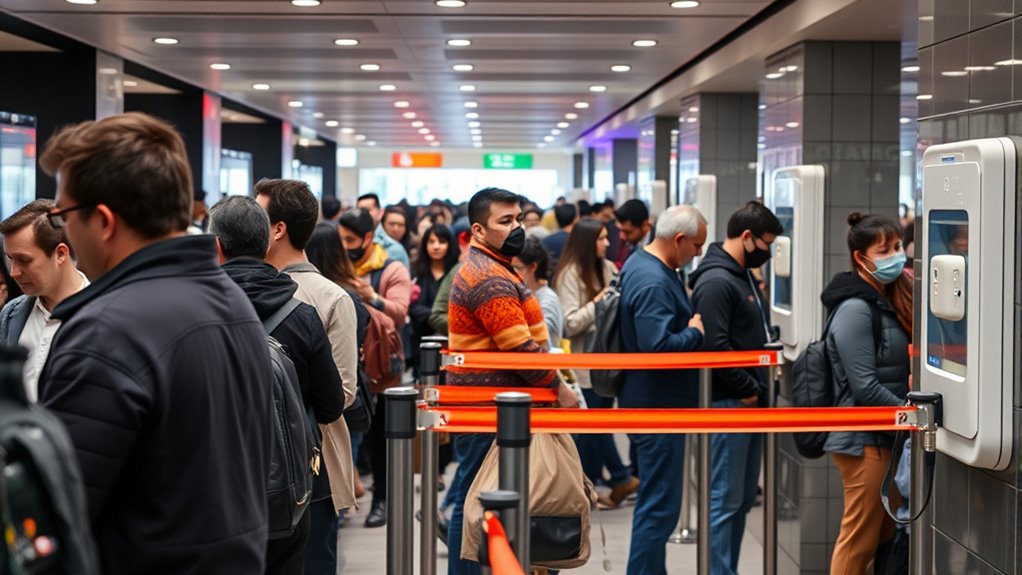
Creating a user-friendly charging queue starts with clear communication and accessible interfaces that guide you smoothly through joining and monitoring your place in line. Mobile apps and charger-facing screens should display real-time updates, including your position, estimated wait time, and notifications when it’s your turn. On-site signage must clearly explain queue rules, penalties, and how to join via app, reducing confusion and disputes. Incorporate multi-language prompts and accessibility features to accommodate diverse users. Enforce penalties like fines or session suspensions for overstaying or skipping turns, encouraging compliance. Implement radius-based limits to ensure users can reach chargers in time and prevent remote queueing abuse. Effective management of the queue and clear signage help foster a transparent, respectful environment that minimizes conflicts and enhances overall user experience.
Establishing Operational Policies and Dispute Resolution Procedures

You need clear operational policies that define prioritization tiers and enforce fairness during outages. Establishing transparent dispute resolution procedures helps resolve conflicts quickly and maintains user trust. Implementing effective enforcement and penalties guarantees compliance and discourages misuse, keeping the queue running smoothly. Additionally, integrating safety considerations into your policies ensures that all users remain protected during outage scenarios. Clear communication protocols and incident management procedures further support efficient handling of disputes and outages, fostering a reliable environment for all users. Incorporating water chemistry guidelines into your policies can prevent potential hazards that may arise during outages, ensuring safety and stability. Recognizing the importance of user behavior management can also help prevent misuse and promote cooperation among users.
Prioritization and Tiers
Establishing clear operational policies for prioritization and tiers is essential to guarantee fair and efficient use of charging stations during outages or high demand periods. You should define categories such as emergency vehicles, service fleets, disabled drivers, and general users, assigning each a specific priority level. These tiers ensure critical needs are met first and prevent disputes. Configuring your queue software to honor these priorities helps streamline operations and minimize conflicts. You’ll also want to set rules for handling ties or overlapping priorities, like timestamp-based or manual override procedures. Communicating these tiers clearly through signage and app prompts to manage user expectations is equally important. Additionally, understanding the thermal behavior of charging stations can help in designing policies that prevent overheating and equipment failure during high usage. Regular monitoring of thermal parameters can assist in maintaining optimal operation and avoiding outages. Consistent enforcement of these policies maintains fairness, reduces disputes, and ensures equitable access during peak times or outages.
Enforcement and Penalties
Effective enforcement of queue policies is essential to maintain order and fairness at charging stations, especially during outages or periods of high demand. You should clearly define operational rules, such as penalties for overstaying or queue-jumping, and communicate them through signage and the app. Use verification methods like license-plate recognition or geofencing to prevent misuse and make certain only authorized vehicles occupy chargers. Establish escalation procedures for disputes, including on-site stewards or remote support channels. Integrate penalties—fines, account suspensions, or reduced priority—into your billing system to automate enforcement. Regular monitoring and diagnostics help identify issues early, reducing downtime and conflicts. Consistent enforcement fosters trust, encourages compliance, and keeps the queue fair during peak times or outages.
Dispute Management Procedures
Dispute management procedures are critical to maintaining fairness and trust at charging stations, especially during outages or high-demand periods. You should establish clear policies for handling conflicts, including designated escalation channels like on-site stewards or remote support. When disputes arise, ensure you verify user claims quickly through license-plate recognition or geofencing, and document incidents thoroughly. Implement transparent rules about queue jumping, overstaying, and misuse, with penalties enforced automatically via billing systems. Encourage communication by providing clear signage and accessible contact info for resolving issues. Regularly review dispute data to identify recurring problems and refine policies. By maintaining a consistent, fair approach and providing prompt resolution pathways, you foster user confidence and reduce conflicts, even amidst high pressure or technical disruptions.
Integrating Energy Management and Grid Stability Measures
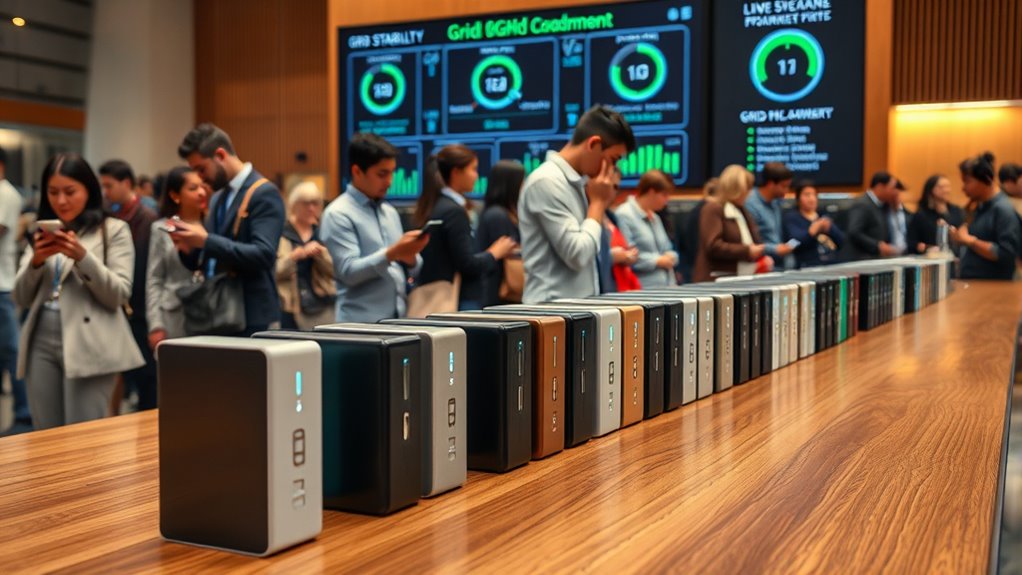
How can you guarantee that your charging station maintains grid stability while accommodating high demand? You need to integrate energy management and grid stability measures into your system. Use a dedicated load management controller to monitor total site draw in real time, adjusting charger output dynamically to prevent overloads. Implement peak shaving and load-shedding features to reduce demand during stress periods, prioritizing critical sessions. Support on-site generation like solar PV and vehicle-to-grid (V2G) technology to supplement energy supply and reduce grid reliance. When a vehicle disconnects, automatically redistribute capacity to keep throughput high. Additionally, logging site load data helps identify patterns, enabling you to optimize policies and prevent outages. This proactive approach keeps your charging station reliable, safe, and efficient during peak usage or grid disruptions.
Monitoring Performance and Gathering Critical Usage Data
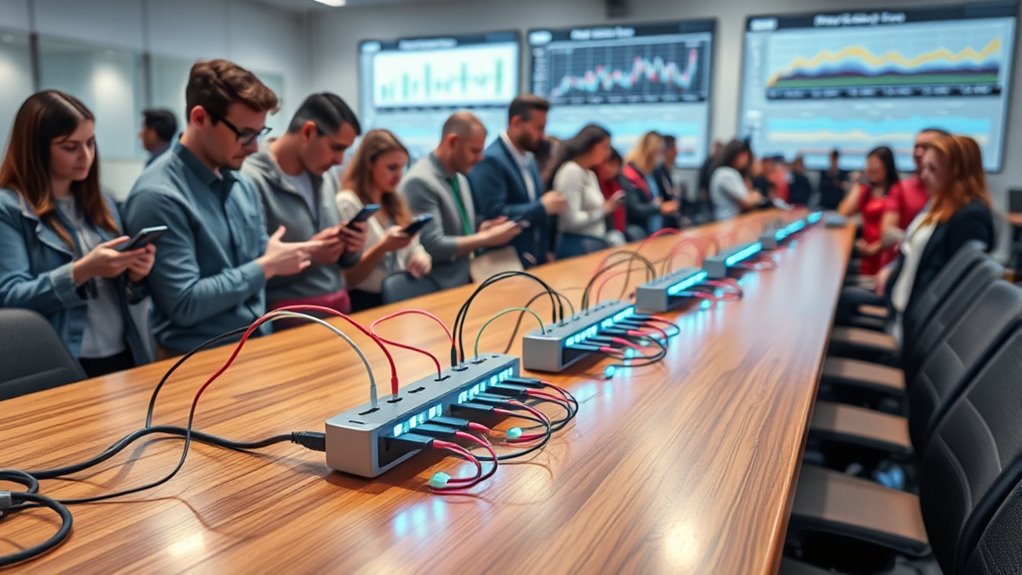
To improve your charging queue, you need to track key metrics like wait times, charger utilization, and no-show rates. Analyzing usage patterns helps identify bottlenecks and optimize the queuing process. Regularly gathering this data guarantees you can make informed decisions and refine policies for better performance.
Track Key Metrics
Monitoring key metrics is essential for understanding how your charging queue performs and identifying areas for improvement. By tracking data like average wait times, charger utilization, no-show rates, and queue abandonment, you gain insights into user behavior and system efficiency. Regularly review session energy delivered and fault reports to pinpoint bottlenecks and maintenance needs. Use this information to optimize queue logic, adjust fairness rules, and refine user communication. Analyzing historical demand helps forecast peak times and allocate resources proactively. Incorporate real-time dashboards and automated reports to stay informed and make data-driven decisions. Collecting feedback through in-app surveys or ratings also reveals user frustrations and opportunities for UX enhancements. Consistently track these metrics ensures your charging queue remains fair, efficient, and adaptable to evolving needs.
Analyze Usage Patterns
Analyzing usage patterns is essential for optimizing your charging infrastructure and ensuring efficient operation. By monitoring how, when, and which vehicles use your chargers, you gain insights into peak times, user behavior, and demand fluctuations. Track metrics like average wait times, queue lengths, and session durations to identify bottlenecks and underutilized resources. Pay attention to usage trends across different user groups, priority categories, and times of day to refine your policies and load management strategies. Use this data to adjust queue rules, improve user communications, and plan capacity upgrades. Regular analysis helps you anticipate demand spikes, reduce idle times, and enhance overall user experience. Continuous monitoring ensures your system adapts to evolving needs, maintaining fairness, efficiency, and reliability during outages or high-usage periods.
Implementing Continuous Improvement Through Feedback and Testing

Implementing continuous improvement in charging queue systems relies on actively gathering user feedback and conducting rigorous testing of policies and features. You should regularly collect insights through in-app surveys, ratings, and direct user interactions to identify pain points and unmet needs. Testing different queue configurations—such as grace periods, priority rules, and notification timings—helps determine what works best. Use A/B testing to compare variations and analyze key metrics like wait times and utilization. Incorporate machine-learning algorithms to forecast demand and adjust policies proactively. Continuously monitor system performance and incident reports to spot issues early. By iterating based on real-world data and user input, you ensure your charging queue remains fair, efficient, and adaptable to evolving site demands.
Case Studies of Effective Charging Queue Systems
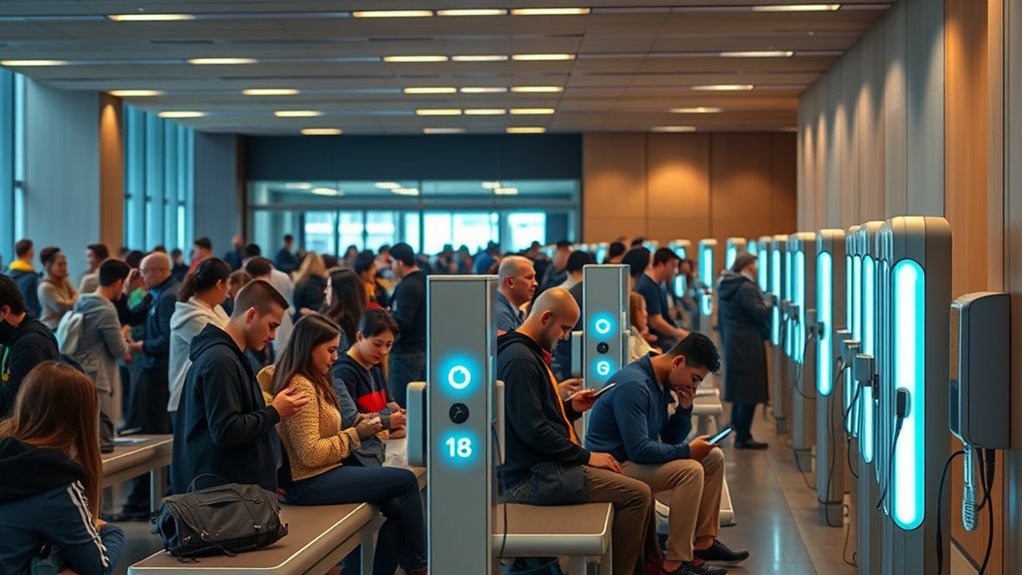
Effective charging queue systems demonstrate that combining smart software features with dedicated infrastructure can markedly improve user experience and operational efficiency. One standout example is the system implemented at a major urban EV charging hub, where dynamic load management and real-time queue updates minimized conflicts. Users received push notifications about available chargers and estimated wait times via a mobile app, reducing onsite disputes. Priority categories for emergency vehicles and disabled drivers ensured critical access during outages. License-plate recognition and geofencing enforced queue rules, preventing misuse. Clear signage, multi-language prompts, and penalties for violations fostered compliance. Automated fault reporting and remote diagnostics minimized downtime, while load-shedding maintained grid stability. This integrated approach resulted in shorter waits, higher charger utilization, and improved user satisfaction, setting a benchmark for effective queue management.
Future Trends in EV Charging Infrastructure and Queue Optimization
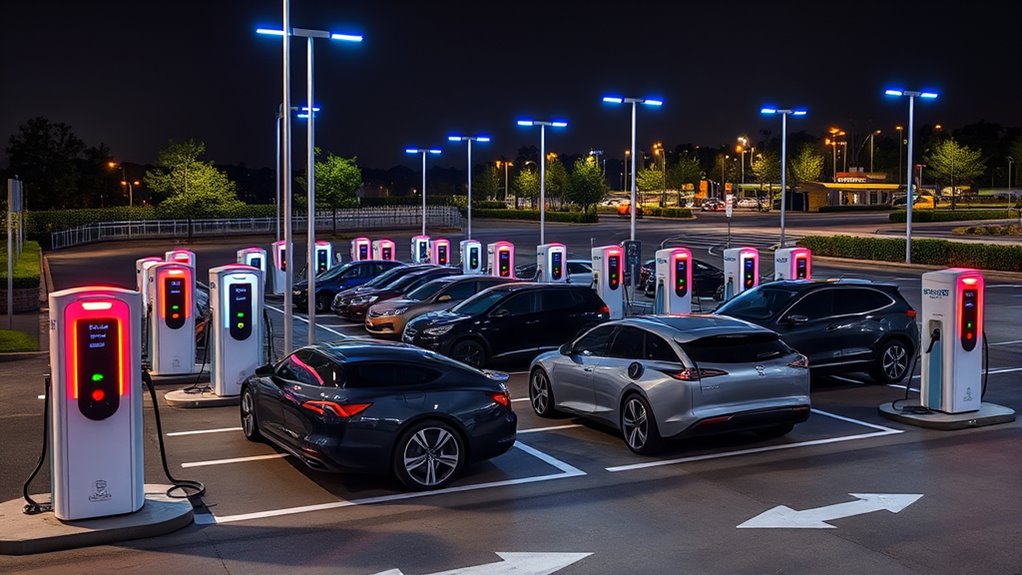
As electric vehicle (EV) adoption accelerates, future charging infrastructure will increasingly leverage advanced technologies to optimize queue management and enhance user experience. Expect smarter load management systems that dynamically balance power across multiple chargers, reducing congestion and preventing overloads. Cloud-connected chargers with OCPP compatibility will enable remote control and real-time monitoring, improving operational efficiency. AI-driven algorithms will forecast demand, adjusting priorities and queue flow to minimize wait times. User interfaces will become more intuitive, offering personalized notifications and multi-language support. Integration with vehicle-to-grid (V2G) and on-site renewable energy sources will optimize energy use and reduce grid stress. Ultimately, these innovations will create seamless, fair, and efficient charging experiences, even during outages or peak demand periods.
Frequently Asked Questions
How Is User Privacy Protected During License Plate Recognition and Geofencing?
You protect user privacy by encrypting license plate data and limiting access to authorized personnel only. Geofencing hardware is designed to anonymize location info, storing it securely and deleting it once verification is complete. Regular audits and compliance with privacy laws guarantee data isn’t misused. By implementing strict access controls and transparent policies, you ensure users’ personal information remains confidential and protected throughout the process.
What Are the Costs Associated With Implementing a Comprehensive Charging Queue System?
Oh, the joy of investing in a charging queue system! Costs vary wildly—think thousands for hardware like load controllers, cameras, and signage, plus ongoing expenses for software licenses, maintenance, and updates. You’ll also need trained staff, cybersecurity measures, and possibly grid upgrades. It’s a hefty price tag for peace of mind, fair access, and avoiding chaos—making it a worthwhile, if pricey, investment in the future of EV infrastructure.
How Do Queue Management Policies Adapt for Different User Priority Categories?
You set queue management policies by assigning specific rules to each user priority category. Emergency vehicles get top priority, while disabled drivers may have reserved slots, and commercial fleets might have expedited access. You use software to enforce these policies, ensuring critical users move ahead when needed. Regularly review and adjust these rules based on demand patterns and feedback, maintaining fairness and operational efficiency across all priority groups.
Can the System Integrate With Existing Parking and Access Control Infrastructure?
You’ll find that integrating with existing parking and access control systems is highly feasible, especially since over 80% of facilities already use license-plate recognition or RFID access. These systems can seamlessly connect to your chargers via APIs, enabling real-time verification and access management. This integration facilitates queue enforcement, reduces user confusion, and ensures only authorized vehicles join the queue, improving efficiency and user experience during outages.
What Training or Support Is Required for Staff Managing Disputes and Enforcement?
You need to train staff on dispute resolution techniques, emphasizing clear communication and patience. Provide guidance on enforcing queue rules, handling violations calmly, and using the system’s escalation procedures. Support staff should be familiar with the software, troubleshooting common issues, and documenting incidents accurately. Regular refreshers and scenario-based training will prepare them for unexpected situations, ensuring smooth enforcement, reducing conflict, and maintaining positive user experiences during outages.
Conclusion
By building a flawless charging queue, you’ll turn chaos into calm, transforming frantic fights over outlets into seamless peace. Imagine a world where no one argues, no one waits in frustration—just perfectly organized, instant access for every EV. This isn’t just a dream; it’s your future. With the right hardware, smart software, and policies, you’ll create a charging oasis so efficient, even the busiest stations will feel like a serene paradise.
Back to school Picks
back to school
As an affiliate, we earn on qualifying purchases.