Daisy-chaining power strips is risky because it can overload circuits, leading to overheating and potential fires. Connecting multiple strips exceeds safe capacity, stressing wiring and increasing the chance of sparks or short circuits. Many electrical codes prohibit this practice, and it’s often illegal. Signs of trouble include damaged cords or frequent tripping. To stay safe, learn about proper power distribution and why avoiding daisy-chaining is essential—and discover safer options ahead.

Get backup power and energy gear delivered free with Prime
- Fast, free delivery on millions of items
- Prime Video, Amazon Music and more included
- Member-only deals all year
Key Takeaways
- Daisy-chaining power strips can overload circuits, causing overheating and increasing fire risks.
- Many electrical codes prohibit daisy-chaining to prevent electrical hazards and ensure safety compliance.
- Overloading power strips weakens wiring and may lead to short circuits or electrical fires.
- Using multiple power strips together can trip circuit breakers but doesn’t eliminate the risk of wiring damage.
- Safer alternatives include surge protectors, proper power distribution, and avoiding chaining devices.
surge protector with circuit breaker
As an affiliate, we earn on qualifying purchases.
As an affiliate, we earn on qualifying purchases.
Understanding How Power Strips Work
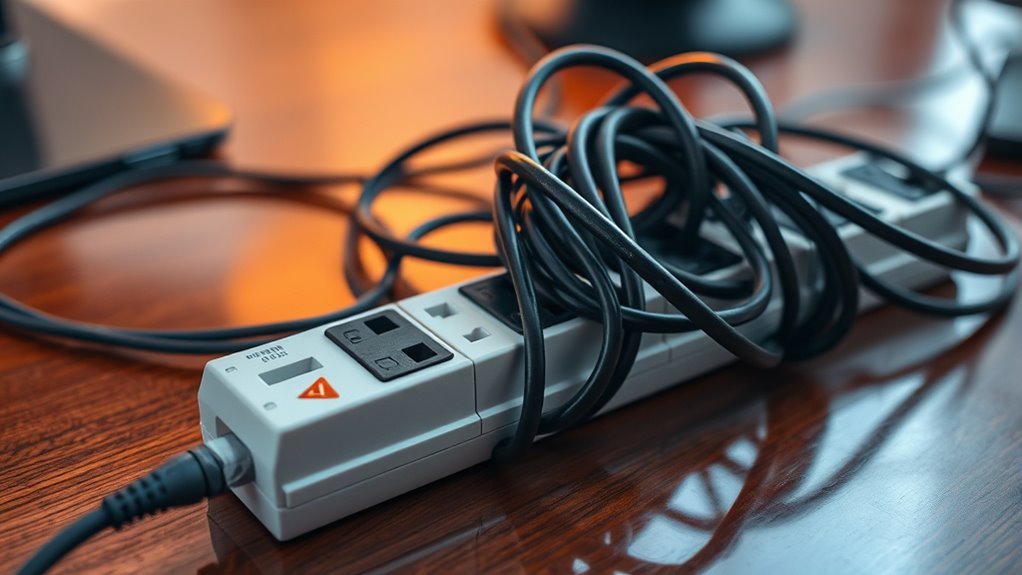
Power strips are simple devices that expand a single electrical outlet into multiple outlets, allowing you to plug in several devices at once. When you use a power strip, it distributes power from one source to multiple devices. However, grounding issues can arise if the strip isn’t properly grounded, increasing the risk of electrical shock. Additionally, power strips can introduce electrical noise, which may interfere with sensitive electronics like audio equipment or computers. This noise results from poor shielding or faulty wiring within the strip. Understanding how power strips work helps you recognize these potential problems. Proper grounding and quality construction are essential for safe operation, especially if you plan to connect multiple devices. Electrical safety considerations should always be a priority when using power strips. Avoiding daisy-chaining power strips reduces the risk of grounding issues and electrical noise interference. To ensure safe usage, it’s important to adhere to electrical load limits and avoid overloading the strip. Additionally, understanding the grounding process helps prevent electrical hazards during use. Being aware of electrical capacity and how it relates to the total power draw can further prevent dangerous overloads.
heavy-duty power strip with overload protection
As an affiliate, we earn on qualifying purchases.
As an affiliate, we earn on qualifying purchases.
The Risks of Overloading Circuits
Overloading circuits occurs when you draw more electrical current than a circuit can safely handle, which can lead to overheating and potential fires. When you connect multiple devices or daisy-chain power strips, you risk exceeding the circuit’s power capacity. This overload strains the wiring and can cause the circuit breaker to trip or, worse, fail to protect against dangerous heat buildup. Proper circuit protection relies on limits set by the electrical system, but overloading bypasses this safeguard. If you ignore these limits, you increase the risk of damaging your wiring, appliances, or starting a fire. To keep your home safe, avoid overloading circuits and ensure each circuit’s power capacity isn’t exceeded. Always distribute electrical loads evenly and use appropriate power strips with built-in circuit protection. Understanding affiliate disclosure can help you make informed decisions about the safety features of your electrical devices. Additionally, being aware of electrical safety guidelines can further reduce the risk of circuit overloads and related hazards. Recognizing power load capacity is essential for preventing dangerous overloads and maintaining electrical safety. It’s also important to regularly inspect electrical cords for signs of wear or damage to prevent potential hazards. Being mindful of mammography guidelines and understanding your personal risk factors can also help you stay safe with electrical devices around your home.
grounded power strip for computers
As an affiliate, we earn on qualifying purchases.
As an affiliate, we earn on qualifying purchases.
Potential Fire Hazards From Daisy-Chaining
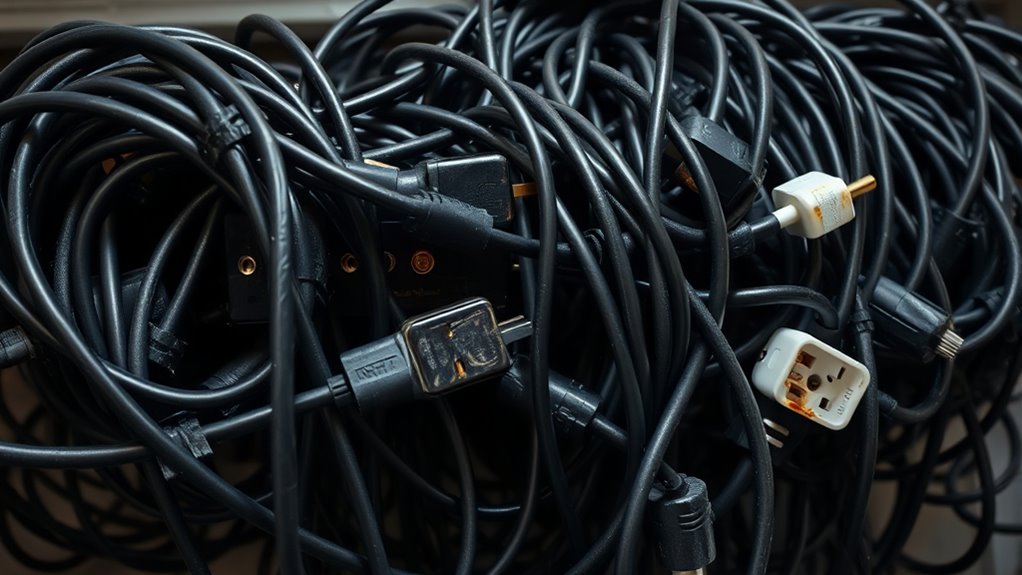
When you connect multiple power strips, you risk overloading the circuits, which can cause overheating. This increases the chances of a fire starting in your home. Understanding these dangers helps you avoid potentially dangerous setups. Additionally, sound vibrations from certain devices can cause unintended electrical disturbances, further increasing risk. Proper electrical safety practices are essential to prevent such hazards and ensure safe operation. Always follow manufacturer guidelines to maintain safe electrical use and prevent accidents. Being aware of electrical overloads can help you recognize and prevent risky configurations before they occur. Incorporating backup power safety measures can also mitigate these risks during outages.
Overloaded Circuits Risk
Daisy-chaining power strips can quickly lead to overloaded circuits, increasing the risk of electrical fires. When you connect multiple strips, you push more current through the circuit than it’s designed to handle. This overload can cause the circuit breaker to trip, but if it doesn’t, the wires may overheat. Overloading also increases the chance of a ground fault, where electricity escapes the intended path and could energize metal parts, posing a shock hazard. Continuously exceeding safe load limits weakens the wiring insulation, raising the fire risk. To stay safe, avoid daisy-chaining and distribute power load across multiple circuits. Always check your circuit breaker’s capacity and guarantee you don’t surpass its limits, reducing the chance of overloads and potential fires. European cloud solutions emphasize the importance of reliable infrastructure and safe power management practices.
Increased Fire Danger
Daisy-chaining power strips substantially increases the risk of a fire starting in your home. When you connect multiple strips together, you create a higher fire risk because it can lead to circuit overloads. Overloading a circuit causes excessive heat, which can damage insulation and ignite nearby materials. Power strips are designed for limited use, and when they’re daisy-chained, the total load often exceeds their capacity. This overload puts stress on the wiring and electrical components, raising the chances of sparks or short circuits. Additionally, electrical safety** guidelines emphasize proper usage to prevent hazards. If a fire occurs, it can spread quickly, putting your home and safety at serious risk. To prevent this danger, avoid chaining power strips and always follow the manufacturer’s guidelines for safe electrical use. Proper electrical practices** are essential for maintaining safety and preventing potential fires.
As an affiliate, we earn on qualifying purchases.
Legal and Electrical Code Regulations

Understanding the legal and electrical code regulations surrounding power strips is crucial to guarantee safe and compliant use. You need to follow local electrical standards to prevent hazards and legal issues. Many building codes explicitly prohibit daisy-chaining power strips because it can overload circuits and violate safety rules. Ensuring legal compliance means using power strips as intended, typically for one device or a single outlet. Check your area’s electrical codes or consult a licensed electrician if you’re unsure. Ignoring these regulations can lead to fines, insurance problems, or fire hazards. Properly adhering to electrical standards not only keeps you safe but also ensures your setup meets legal requirements. Always use power strips responsibly and avoid unsafe practices like daisy-chaining, as overloading circuits can cause serious electrical failures. Additionally, understanding electrical code compliance helps prevent potential code violations and safety hazards.
Signs That Your Power Setup Is Unsafe
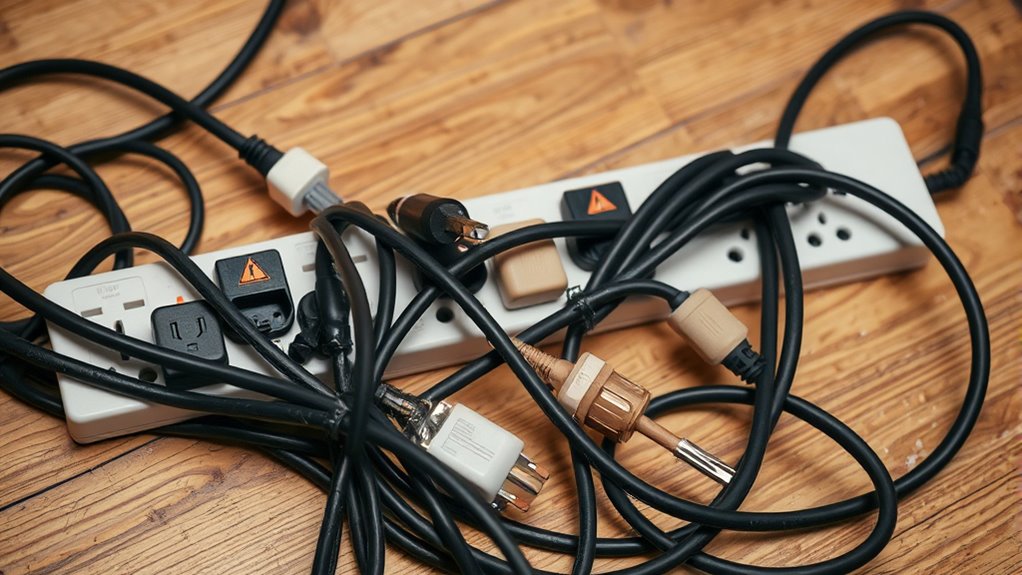
If your power setup shows signs of strain or damage, it’s a clear warning that something isn’t safe. Recognizing these signs is essential for electrical safety and proper power strip maintenance. Look out for these indicators:
- Overheating or scorch marks on power strips or outlets
- Frequent tripping of circuit breakers or blown fuses
- Frayed cords or damaged plugs that expose wires
These issues suggest your wiring or power distribution is overloaded or compromised. Ignoring them increases the risk of electrical fires or shocks. Regular power strip maintenance helps identify early problems, reducing hazards. If you notice any of these signs, avoid daisy-chaining more strips and consult a professional for safer solutions. Additionally, understanding electrical load management can help prevent overloads and ensure your setup remains safe. Proper power strip usage and avoiding unnecessary extensions are also key to maintaining electrical safety. Staying vigilant protects you and your property from unnecessary electrical dangers, especially since improper setups can compromise overall electrical safety standards.
Safer Alternatives for Expanding Power Access
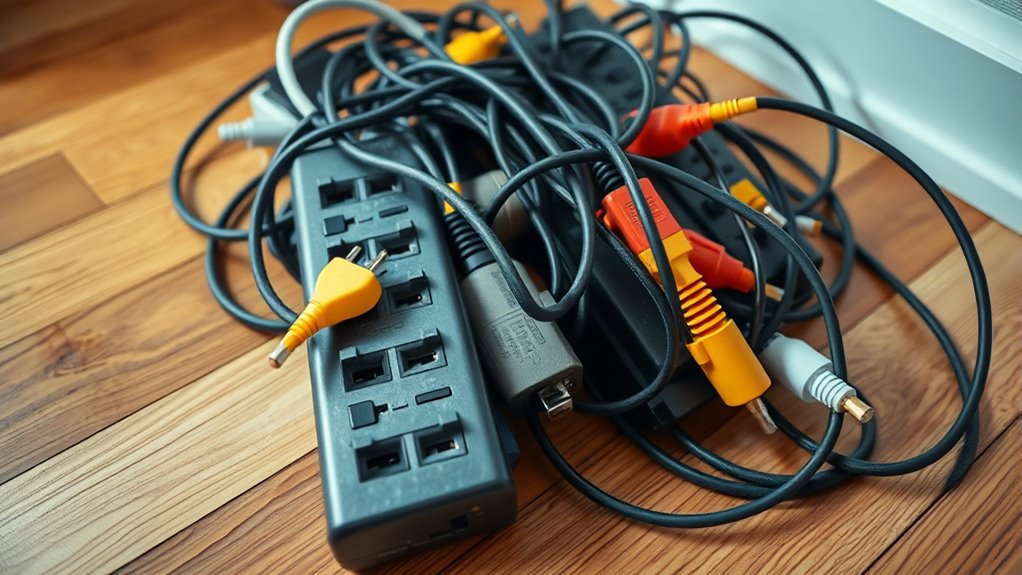
Instead of chaining multiple power strips, consider using them safely by not overloading outlets. Installing surge protectors can also shield your devices from power surges and damage. These alternatives help expand your power access without risking safety. Utilizing proper power distribution methods ensures your setup remains safe and efficient. Additionally, consulting home electrical safety guidelines can help you identify the best practices for your specific space. Remember, understanding electrical load capacity is crucial for preventing overloads and potential hazards. Being aware of power strip ratings can further help you avoid dangerous overloads and ensure safe operation. Properly managing electricity demand can also help prevent overloads and extend the lifespan of your devices.
Use Power Strips Safely
Using power strips safely is essential to prevent electrical hazards and protect your devices. To do this effectively, keep these safety tips in mind:
- Check power strip features: Choose strips with overload protection and grounded outlets to reduce risk.
- Avoid overloading: Never plug in more devices than the power strip’s rated capacity; this can cause overheating.
- Inspect regularly: Look for signs of damage such as frayed cords or scorch marks, and replace damaged strips immediately.
Employ Surge Protectors
Employing surge protectors is a smart way to expand your power access while safeguarding your devices. Surge protection helps prevent damage from voltage spikes, providing a safer environment for your electronics. Instead of daisy-chaining multiple power strips, use a high-quality surge protector with built-in power distribution features. These devices allow you to connect several electronics safely, ensuring even power distribution and reducing the risk of overloads. Look for surge protectors with sufficient outlets and a Joule rating that indicates how much energy they can absorb. Using surge protectors not only simplifies your setup but also offers peace of mind, knowing your devices are protected from electrical surges. This approach is a smarter alternative to risky daisy-chaining and helps maintain electrical safety.
Proper Use and Maintenance of Power Strips
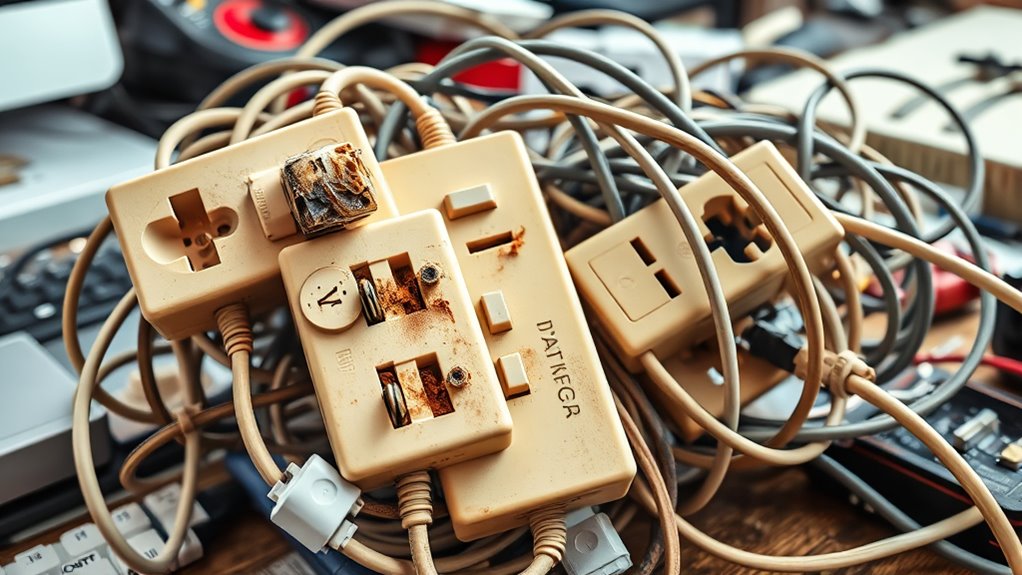
To guarantee safety and prolong the lifespan of your power strips, it’s essential to follow proper use and maintenance practices. First, avoid daisy chaining hazards by never connecting multiple power strips together, which can overload circuits. Second, regularly inspect cords and outlets for damage or wear, replacing any that show signs of deterioration to prevent electrical fires. Third, keep your power strips clean and free of dust or debris, which can cause overheating. Proper use also means not exceeding the rated wattage, as overloading shortens power strip longevity and increases fire risk. By following these steps, you minimize hazards and ensure your power strips operate safely and efficiently over time.
When to Consult a Professional Electrician
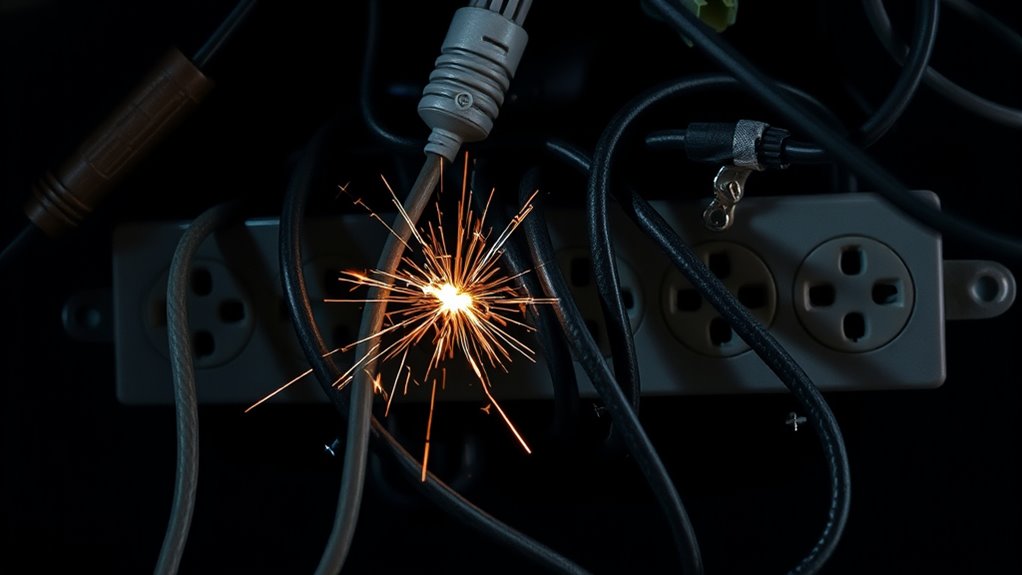
Knowing when to call a professional electrician is essential for your safety and to prevent potential electrical hazards. If you encounter electrical myths suggesting you can safely daisy-chain power strips or handle complex wiring yourself, remember safety guidelines advise otherwise. When you notice frequent circuit breaker trips, burning smells, flickering lights, or sparks, it’s time to seek expert help. Attempting to fix these issues without proper training can lead to serious risks, including fires or electric shocks. Consulting a licensed electrician ensures that your electrical system complies with safety standards and code requirements. Trust professionals to diagnose and resolve wiring problems, especially if your electrical setup feels outdated or overloaded. Prioritizing expert advice keeps your home safe and prevents costly damage.
Frequently Asked Questions
Can I Safely Connect Multiple Power Strips for My Home Office?
You shouldn’t safely connect multiple power strips in your home office. Doing so can overload circuits, creating fire hazards and damaging your equipment. Always use surge protection with a single, high-quality power strip designed for multiple devices. Prioritize power strip safety by avoiding daisy-chaining and ensuring your setup meets electrical standards. This reduces risks, protects your devices, and keeps your workspace safe.
What Are the Long-Term Risks of Daisy-Chaining Power Strips?
You risk electrical fires and overloads when you daisy-chain power strips long-term. The coincidence of multiple devices drawing power increases the chance of overheating, which can lead to dangerous fires. Over time, the strain on the wiring and outlets causes wear and tear, raising the likelihood of short circuits. To stay safe, avoid chaining power strips and use properly rated surge protectors directly connected to wall outlets.
Are There Specific Power Strip Brands That Are Safer to Use Together?
Some brands are safer to use together because they prioritize brand compatibility and have proper safety certifications. Look for power strips from reputable brands that meet UL or ETL standards, ensuring they follow safety guidelines. Avoid mixing brands or using unverified products, as this can increase risks. Always check the labels for certifications and compatibility info, and never compromise on quality to keep your electrical setup safe.
How Do I Determine the Maximum Load Capacity for My Power Strips?
To determine your power strip’s maximum load capacity, check the label or user manual for its amperage or wattage rating. Electrical safety requires you to stay within this limit to prevent appliance overload, which can cause overheating or fires. Always avoid plugging in too many devices and consider using a heavy-duty power strip for high-power appliances. Regularly inspect cords and connections to guarantee safe operation and prevent electrical hazards.
Is It Legal to Use Extension Cords With Power Strips in My Area?
Using extension cords with power strips is generally not recommended and may be illegal in your area. Electrical codes and local regulations often prohibit this practice because it can cause overloads or fires. Check your local electrical rules to guarantee compliance. To stay safe, avoid daisy-chaining extension cords and power strips, and always follow manufacturer instructions. If you’re unsure, consult a licensed electrician for guidance.
Conclusion
So, next time you think about daisy-chaining power strips, picture them as tiny, overworked fire-breathers ready to ignite your living room. Instead of playing electrician roulette, just plug into a proper outlet or call in a pro. After all, risking a fiery surprise isn’t the kind of “bright idea” you want to celebrate. Stay safe, keep the sparks in your ideas, not your walls.
Evergreen bestsellers Picks
bestsellers
As an affiliate, we earn on qualifying purchases.