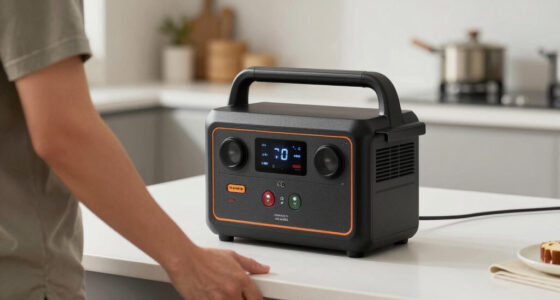

Whole-home standby generators differ most in how much of a home they can power, how they connect to the electrical system, and how much setup they require. My best overall pick is the Generac 26 kW Whole-Home Standby Generator with Transfer Switch and Cellular Connectivity, which pairs high capacity with a transfer switch and remote monitoring. The Generac 22 kW Guardian with transfer switch and Wi-Fi monitoring is a strong alternative for buyers who want an integrated setup, while the Honeywell 14 kW suits homes with more modest backup needs and a 16-circuit switch. The main tradeoffs are capacity versus fuel use and installation requirements, plus the convenience of a fixed standby unit versus the flexibility of a portable generator. Read on for the full comparison and advice on matching a generator to your home.

Get backup power and energy gear delivered free with Prime
- Fast, free delivery on millions of items
- Prime Video, Amazon Music and more included
- Member-only deals all year
Complete the kit

Key Takeaways
- The 26 kW Generac with a transfer switch stands out as the most complete high-capacity package in this lineup; the similarly sized model without a listed switch leaves more system planning to the buyer.
- Generac’s 22 kW models offer several setup paths: buyers can choose a standalone generator, a transfer-switch bundle with cellular monitoring, or the Guardian version with Wi-Fi monitoring.
- Capacity is not the only measure of fit. The 10 kW Generac and 14 kW Honeywell may suit a prioritized circuit plan better than a larger unit that is not matched to the home’s loads.
- The Westinghouse tri-fuel models are portable generators, not fixed standby systems. Their fuel flexibility and portability bring different setup, connection, and operating demands than the automatic standby units.
- Transfer-switch inclusion and monitoring type separate otherwise similar picks. Buyers should compare what is bundled and how the system is monitored, rather than choosing by generator wattage alone.
| Generac 26 kW Whole-Home Standby Generator with Cellular Connectivity |  | Best for High-Demand Homes | Power output: 26 kW | Starting wattage: 26,000 watts | Fuel: Natural gas or propane | VIEW LATEST PRICE | See Our Full Breakdown |
| Generac 10 kW Whole-Home Standby Generator with Cellular Monitoring | | Best for Essential-Circuit Backup | Wattage: 10,000 watts | Fuel compatibility: Natural gas or propane | Voltage: 120 volts | VIEW LATEST PRICE | See Our Full Breakdown |
| Generac 26 kW Whole-Home Standby Generator with Transfer Switch and Cellular Connectivity |  | Best All-in-One Standby Package | Power output: 26 kW | Starting wattage: 26,000 watts | Fuel: Natural gas or liquid propane | VIEW LATEST PRICE | See Our Full Breakdown |
| Westinghouse WGen11500TFc Tri-Fuel Portable Generator with CO Sensor |  | Best Portable Backup Alternative | Peak wattage: 14,500 watts | Running wattage: 11,500 watts | Fuel types: Gasoline, propane, natural gas | VIEW LATEST PRICE | See Our Full Breakdown |
| Generac 24 kW Whole-Home Standby Generator with Cellular Connectivity |  | Best Mid-High-Capacity Balance | Power output: 24 kW | Starting wattage: 24,000 watts | Fuel: Natural gas or propane | VIEW LATEST PRICE | See Our Full Breakdown |
| Generac 14 kW Whole Home Standby Generator with Transfer Switch and Cellular Connectivity | | Best Connected Pick for Smaller Loads | Output: 14,000 watts (14 kW) | Fuel: Natural gas or LP | Voltage: 240 volts | VIEW LATEST PRICE | See Our Full Breakdown |
| Generac 22 kW Whole-Home Standby Generator with Cellular Connectivity | | Best High-Capacity Cellular Pick | Output: 22,000 watts (22 kW) | Fuel: Natural gas or propane | Voltage: 240 volts | VIEW LATEST PRICE | See Our Full Breakdown |
| Generac 18 kW Whole-Home Standby Generator with Cellular Connectivity | | Best Middle-Ground Capacity | Output: 18,000 watts (18 kW) | Listed starting wattage: 180,000 watts | Fuel: Natural gas or propane | VIEW LATEST PRICE | See Our Full Breakdown |
| Honeywell 14 kW Home Standby Generator with 16-Circuit Transfer Switch |  | Best for Circuit-Based Backup | Output: 14,000 watts (14 kW) | Fuel: Natural gas or propane | Listed voltage: 120 volts | VIEW LATEST PRICE | See Our Full Breakdown |
| Generac Guardian 22 kW Home Standby Generator with Transfer Switch and Wi-Fi Monitoring |  | Best for an Included 200 Amp Transfer Switch | Output: 22,000 watts | Fuel: Natural gas or LP gas | Voltage: 240 volts | VIEW LATEST PRICE | See Our Full Breakdown |
| Generac 22 kW Whole-Home Standby Generator with Transfer Switch and Cellular Connectivity | | Best for Connected Automatic Backup | Running wattage: 22 kW | Fuel type: Natural gas or liquefied petroleum gas | Transfer switch: Automatic 200 amp | VIEW LATEST PRICE | See Our Full Breakdown |
| Westinghouse WGen20000TFc 28,000-Watt Tri-Fuel Portable Generator with Remote Electric Start |  | Best High-Output Portable Backup | Running wattage: 20,000 watts | Peak wattage: 28,000 watts | Fuel type: Gasoline, propane, or natural gas | VIEW LATEST PRICE | See Our Full Breakdown |
| whole home standby generator | Warranty | Voltage | Weight | Fuel |
|---|---|---|---|---|
| Generac 26 kW Whole-Home Stand | 5-year limited warranty | 240 volts | 524 pounds | Natural gas or propane |
| Generac 10 kW Whole-Home Stand | 5-year limited warranty | 120 volts | 344 pounds | — |
| Generac 26 kW Whole-Home Stand | 5-year limited warranty | 240 volts | 524 pounds | Natural gas or liquid propane |
| Westinghouse WGen11500TFc Tri- | 3-year limited residential warranty; lifetime technical support | — | — | — |
| Generac 24 kW Whole-Home Stand | 5-year limited warranty | 240 volts | 461 pounds | Natural gas or propane |
| Generac 14 kW Whole Home Stand | — | 240 volts | 391 pounds | Natural gas or LP |
| Generac 22 kW Whole-Home Stand | Five-year limited | 240 volts | 451 pounds | Natural gas or propane |
| Generac 18 kW Whole-Home Stand | — | 240 volts | 426 pounds | Natural gas or propane |
| Honeywell 14 kW Home Standby G | Three-year limited | — | — | Natural gas or propane |
| Generac Guardian 22 kW Home St | Five-year limited | 240 volts | 466 pounds | Natural gas or LP gas |
| Generac 22 kW Whole-Home Stand | 5-year limited warranty | 240 volts | 451 pounds | — |
| Westinghouse WGen20000TFc 28,0 | 3-year limited residential warranty | — | — | — |
More Details on Our Top Picks
Generac 26 kW Whole-Home Standby Generator with Cellular Connectivity
For a home with substantial electrical demand, this 26 kW output gives more headroom than the 24 kW Generac 24 kW Whole-Home Standby Generator, which may suit buyers with a more moderate load. It runs on natural gas or propane and automatically supplies backup power when utility service fails, so the owner does not need to start it manually. Cellular connectivity adds remote monitoring, though Mobile Link’s remote features require a premium subscription. Cold-weather and snow-oriented design features are useful in exposed or wintry locations, while the 5-year limited warranty adds a defined coverage period. The tradeoffs are its 524-pound weight and the added subscription cost for app monitoring; it is a substantial, permanently installed system, not a portable backup option.
Pros:- 26 kW output offers more capacity than the lineup’s 24 kW Generac standby model.
- Automatically supplies residential backup power during utility outages.
- Runs on natural gas or propane and includes features aimed at cold and snowy conditions.
- Built-in cellular connectivity and a 5-year limited warranty.
Cons:- Mobile Link remote-monitoring features require a premium subscription.
- At 524 pounds, it is a heavy unit that calls for professional installation and placement.
Best for: Owners of larger homes with high electrical demand who want automatic backup, dual-fuel flexibility, and cold-weather features.
Not ideal for: Households with modest backup needs, buyers seeking a portable unit, or anyone unwilling to pay for Mobile Link’s premium remote-monitoring features.
- Power output:26 kW
- Starting wattage:26,000 watts
- Fuel:Natural gas or propane
- Voltage:240 volts
- Connectivity:Built-in cellular; Mobile Link premium subscription required for remote monitoring
- Weight:524 pounds
- Dimensions:46.4 × 26.3 × 30.7 inches
- Warranty:5-year limited warranty
Our verdict“Choose this 26 kW model over the 24 kW alternative when your home’s load calls for extra capacity and cold-weather readiness.”
Generac 10 kW Whole-Home Standby Generator with Cellular Monitoring
This 10 kW Generac is the lineup’s lower-capacity standby choice, better matched to a plan focused on essential household loads than the 24 kW and 26 kW models. It starts automatically when utility power drops and accepts natural gas or propane, giving owners a fixed backup system without the manual setup of the Westinghouse WGen11500TFc portable generator. The smaller output can help avoid buying more capacity than a carefully planned load requires, but it does not offer the same headroom for running many large appliances at once. Cellular monitoring and control are built in, yet app features require a paid premium subscription. At 344 pounds, it remains a professionally sited standby unit rather than something intended to move around. Cold-start support, oil-level monitoring, and a 5-year limited warranty round out the package.
Pros:- Automatic outage response avoids manual starting during a power cut.
- Natural-gas or propane compatibility supports connection to an available fuel supply.
- Cellular monitoring and control are built in.
- Includes cold-start support, oil-level monitoring, and a 5-year limited warranty.
Cons:- 10 kW output offers substantially less load headroom than the larger standby models in this roundup.
- Mobile Link remote features require a premium subscription.
- Its 344-pound weight makes it a stationary installation, not a portable backup source.
Best for: Homeowners prioritizing automatic backup for selected essential circuits, with a natural-gas or propane supply and a carefully sized load plan.
Not ideal for: Owners who expect to power many major appliances simultaneously or want broad whole-home capacity comparable to the 24 kW and 26 kW Generac models.
- Wattage:10,000 watts
- Fuel compatibility:Natural gas or propane
- Voltage:120 volts
- Connectivity:Cellular monitoring through Mobile Link; premium subscription required for app features
- Weight:344 pounds
- Dimensions:46.3 × 24.6 × 30.7 inches
- Features:Automatic idle control, overload protection, oil-level monitoring, cold-start support
- Warranty:5-year limited warranty
Our verdict“Pick this model for planned essential-circuit coverage, but choose a higher-output Generac if you need more appliances running at once.”
Generac 26 kW Whole-Home Standby Generator with Transfer Switch and Cellular Connectivity
This package pairs 26 kW of standby output with an automatic 200-amp transfer switch, making it the clearest choice here for buyers who want the switching hardware included with the generator. During an outage, the unit starts automatically and the transfer switch shifts the home’s connection to backup power. Compared with the otherwise similar Generac 26 kW Whole-Home Standby Generator with Cellular Connectivity, this version makes the 200-amp switch part of the listed package; that can simplify equipment selection, though installation still needs to be planned for the home. It runs on natural gas or liquid propane and offers cellular monitoring, with a premium subscription required for Mobile Link remote monitoring. The 524-pound generator is heavy, and the subscription requirement adds an ongoing cost for app access.
Pros:- 26 kW output provides substantial backup capacity for residential loads.
- Includes an automatic 200-amp transfer switch.
- Runs on natural gas or liquid propane and starts automatically during outages.
- Built-in cellular connectivity and a 5-year limited warranty.
Cons:- Mobile Link remote monitoring requires a premium subscription.
- The 524-pound generator requires a permanent site and professional installation.
- The included transfer switch may be unnecessary for buyers who already have compatible equipment.
Best for: Homeowners seeking a high-output automatic standby system with a 200-amp transfer switch included in the package.
Not ideal for: Buyers who already have compatible transfer equipment, need a lighter or portable backup unit, or want cellular app monitoring without a premium subscription.
- Power output:26 kW
- Starting wattage:26,000 watts
- Fuel:Natural gas or liquid propane
- Transfer switch:Automatic 200-amp
- Voltage:240 volts
- Connectivity:Built-in cellular; Mobile Link premium subscription required for remote monitoring
- Weight:524 pounds
- Warranty:5-year limited warranty
Our verdict“Choose this package over the standalone 26 kW Generac when you want the 200-amp automatic transfer switch included.”
Westinghouse WGen11500TFc Tri-Fuel Portable Generator with CO Sensor
The WGen11500TFc is the lineup’s portable alternative, not a like-for-like whole-home standby system. Its 11,500 running watts and gasoline, propane, or natural-gas compatibility provide flexible backup, while electric and remote start reduce the effort of getting it running. Unlike the Generac 26 kW standby models, it does not automatically take over when utility power fails: a transfer switch is sold separately, and the owner must plan for refueling and operation. That makes it better for buyers who value portability and three fuel choices than for households seeking unattended whole-home coverage. The 9.5-gallon tank is listed for up to 19 hours of runtime, but that figure is tied to gasoline operation and should not be confused with continuous, automatic standby service. A CO sensor and low-oil shutdown add useful safeguards.
Pros:- Uses gasoline, propane, or natural gas for fuel flexibility.
- Electric and remote starting simplify startup compared with a manual-start portable unit.
- Up to 11,500 running watts and outlets designed for transfer-switch-ready home backup.
- CO sensor and automatic low-oil shutdown add safety protections.
Cons:- No automatic transfer switch is included, so it will not take over from utility power on its own.
- Portable operation requires the owner to manage setup and fuel during outages.
- Heavy-duty size can make moving and positioning the generator difficult.
Best for: Homeowners who want a movable, tri-fuel backup source and are comfortable managing startup, fuel, and transfer equipment during an outage.
Not ideal for: Buyers who need automatic outage response or hands-off whole-home standby coverage like the Generac fixed systems provide.
- Peak wattage:14,500 watts
- Running wattage:11,500 watts
- Fuel types:Gasoline, propane, natural gas
- Engine:550cc, 4-stroke OHV
- Gasoline tank capacity:9.5 gallons
- Maximum runtime:Up to 19 hours
- Starting method:Push-button electric start and remote start
- Safety features:CO sensor and automatic low-oil shutdown
- Warranty:3-year limited residential warranty; lifetime technical support
Our verdict“Choose this Westinghouse for portable, tri-fuel flexibility, but choose a fixed Generac standby model for automatic whole-home backup.”
Generac 24 kW Whole-Home Standby Generator with Cellular Connectivity
At 24 kW, this Generac sits just below the 26 kW models in this roundup, making it a strong fit for homeowners who want substantial automatic backup without choosing the lineup’s highest listed output. It runs on natural gas or propane and starts when utility service fails, unlike the Westinghouse WGen11500TFc, which needs hands-on operation and a separately purchased transfer switch. Built-in cellular connectivity supports Mobile Link monitoring, but remote app features require a premium subscription. Cold-start features and oil-level monitoring are useful additions for owners who want oversight between outages. The main tradeoff against the 26 kW Generac is less capacity headroom; the tradeoff against the 10 kW model is a much larger, heavier installation. At 461 pounds, it needs a permanent site, and its monitoring benefit carries an ongoing subscription condition.
Pros:- 24 kW output offers more capacity than the 10 kW Generac while sitting below the 26 kW models.
- Automatically starts during an outage and runs on natural gas or propane.
- Cold-start features and oil-level monitoring support ongoing readiness.
- Built-in cellular connectivity and a 5-year limited warranty.
Cons:- Offers less output headroom than either 26 kW Generac model.
- Mobile Link remote app features require a premium subscription.
- At 461 pounds, it is a heavy permanent-installation unit.
Best for: Homeowners who want automatic, dual-fuel standby power with substantial capacity, but do not need the extra output of a 26 kW model.
Not ideal for: Buyers with unusually high electrical loads who want maximum capacity, or households seeking a portable generator or subscription-free remote monitoring.
- Power output:24 kW
- Starting wattage:24,000 watts
- Fuel:Natural gas or propane
- Voltage:240 volts
- Frequency:60 hertz
- Connectivity:Built-in cellular; Mobile Link app remote features require a premium subscription
- Weight:461 pounds
- Dimensions:46.4 × 26.3 × 30.7 inches
- Warranty:5-year limited warranty
Our verdict“Choose the 24 kW Generac for substantial automatic backup when the extra capacity of a 26 kW model is not needed.”
Generac 14 kW Whole Home Standby Generator with Transfer Switch and Cellular Connectivity
For a home that needs automatic backup without stepping up to a larger-capacity unit, this 14 kW Generac pairs an automatic 200 amp transfer switch with natural gas or LP operation. Cellular connectivity lets owners check status and control the generator through Mobile Link, while oil-level monitoring and cold-start support address two practical readiness concerns. Compared with the Generac 18 kW, this model offers less output, so buyers may need to prioritize which appliances and circuits run together; its lower capacity is a sensible fit for more modest backup needs rather than a promise to power every large load at once. The main catch is that remote monitoring requires a Mobile Link premium subscription. At 391 pounds, it also calls for careful planning around delivery and installation.
Pros:- Automatic outage detection and backup power
- Includes an automatic 200 amp transfer switch
- Cellular monitoring, oil-level sensing, and cold-start support
- Compatible with ecobee by Generac thermostats and Generac PWRcell systems
Cons:- 14 kW output may require load prioritization for homes with multiple large electrical demands
- Mobile Link remote features require a premium subscription
- 391-pound weight complicates handling and installation
Best for: Homeowners with natural gas or LP service who want automatic backup for essential household loads and cellular status checks.
Not ideal for: Households expecting to run several large appliances simultaneously or buyers who want app monitoring without a recurring subscription.
- Output:14,000 watts (14 kW)
- Fuel:Natural gas or LP
- Voltage:240 volts
- Frequency:60 hertz
- Transfer switch:Automatic 200 amp
- Connectivity:Built-in cellular; Mobile Link app
- Weight:391 pounds
- Dimensions:46.4 x 26.3 x 30.7 inches
- Material:Stainless steel
Our verdict“Choose this model for connected, automatic backup of prioritized household loads, but compare it with the 18 kW Generac if you need more capacity.”
Generac 22 kW Whole-Home Standby Generator with Cellular Connectivity
This 22 kW Generac is the stronger fit than the 14 kW model for households with more simultaneous electrical demands. It runs on natural gas or propane and adds built-in cellular monitoring, cold-start support, and oil-level monitoring, so owners can check readiness without relying on a home Wi-Fi connection. A five-year limited warranty and 24/7 customer support add reassurance for buyers planning a long-term standby installation. Compared with the Generac Guardian 22 kW, its listed advantage is cellular connectivity rather than the Guardian’s specified Wi-Fi monitoring and included 200 amp transfer switch; the product data here does not list a transfer switch. Remote Mobile Link features require a premium subscription, and at 451 pounds this is a substantial unit that needs professional installation planning.
Pros:- 22 kW output offers more capacity than the 14 kW Generac model
- Runs on natural gas or propane
- Built-in cellular monitoring with cold-start and oil-level features
- Five-year limited warranty and 24/7 customer support
Cons:- Mobile Link remote monitoring requires a premium subscription
- Transfer switch is not listed in the supplied product data
- 451-pound weight makes handling and installation more demanding
Best for: Homeowners seeking 22 kW of automatic backup, cellular monitoring, and support coverage, with natural gas or propane available.
Not ideal for: Buyers who need a clearly specified included transfer switch or want remote monitoring without a subscription.
- Output:22,000 watts (22 kW)
- Fuel:Natural gas or propane
- Voltage:240 volts
- Frequency:60 hertz
- Connectivity:Built-in cellular; Mobile Link app
- Warranty:Five-year limited
- Weight:451 pounds
- Dimensions:46.4 x 26.3 x 30.7 inches
- Materials:Aluminum and steel
Our verdict“Pick this 22 kW model over the 14 kW Generac when higher output and cellular status checks matter more than a listed included transfer switch.”
Generac 18 kW Whole-Home Standby Generator with Cellular Connectivity
The 18 kW Generac sits between the 14 kW and 22 kW options for buyers who want more output than an essential-load setup but do not need to move up to 22 kW. It starts automatically when utility service fails, accepts natural gas or propane, and includes cellular connectivity alongside oil-level sensors and cold-start features. Those readiness tools can help owners keep tabs on the unit when they are away, although the Mobile Link premium subscription is required for remote monitoring and control. Compared with the Generac 22 kW cellular model, this one gives up 4 kW of listed output; in return, it may suit a home whose expected loads fall between the lower-capacity and higher-capacity choices. The supplied specs list an unusual 180,000-watt starting figure, so buyers should confirm starting-output details with the manufacturer before sizing around it.
Pros:- 18 kW output bridges the gap between the listed 14 kW and 22 kW Generac options
- Automatic operation when utility power is interrupted
- Accepts natural gas or propane
- Cellular connectivity, oil-level sensing, and cold-start features
Cons:- Remote monitoring and control require a Mobile Link premium subscription
- At 426 pounds, it is a heavy installation
- Starting-wattage figure in the supplied specs should be verified before purchase
Best for: Homeowners whose load assessment points above 14 kW but does not call for a 22 kW unit, and who want cellular monitoring.
Not ideal for: Buyers seeking the greatest listed capacity or those unwilling to pay for the Mobile Link remote-monitoring subscription.
- Output:18,000 watts (18 kW)
- Listed starting wattage:180,000 watts
- Fuel:Natural gas or propane
- Voltage:240 volts
- Connectivity:Built-in cellular
- Weight:426 pounds
- Dimensions:46.4 x 26.3 x 30.7 inches
- Materials:Aluminum and stainless steel
Our verdict“Choose this model when a load assessment supports 18 kW and you want cellular features without moving to the 22 kW Generac.”
Honeywell 14 kW Home Standby Generator with 16-Circuit Transfer Switch
The Honeywell 14 kW takes a more defined circuit-based approach than the Generac models with cellular monitoring. Its included 16-circuit transfer switch gives buyers a concrete starting point for deciding which parts of the home receive backup power, while the composite mounting pad is supplied for soil installation. A multilingual LCD panel and weather-resistant aluminum enclosure round out a practical, straightforward setup. Like the Generac 14 kW, it offers 14 kW and runs on natural gas or propane, but the supplied Honeywell details do not list cellular monitoring or a 200 amp transfer switch. Its listed voltage is 120 volts, unlike the Generac’s 240 volts, so confirm compatibility with the planned installation and electrical loads. This is not an all-load guarantee: actual coverage depends on circuit selection.
Pros:- Includes a 16-circuit transfer switch
- Composite mounting pad is included for soil installation
- Weather-resistant aluminum enclosure
- Multilingual LCD control panel and natural gas or propane compatibility
Cons:- Backup coverage depends on which circuits are selected
- No cellular monitoring is listed in the supplied product data
- Listed voltage is 120 volts, so buyers should confirm compatibility with their installation
Best for: Homeowners who want a defined 16-circuit backup plan, a supplied soil mounting pad, and natural gas or propane operation.
Not ideal for: Buyers who want cellular remote monitoring, broader whole-home coverage without circuit planning, or a listed 240-volt output.
- Output:14,000 watts (14 kW)
- Fuel:Natural gas or propane
- Listed voltage:120 volts
- Frequency:60 hertz
- Transfer switch:16-circuit; included
- Enclosure:Weather-resistant aluminum
- Dimensions:48 x 25 x 29 inches
- Warranty:Three-year limited
Our verdict“Choose the Honeywell for planned 16-circuit backup and included mounting hardware, but favor a Generac option if cellular monitoring is a priority.”
Generac Guardian 22 kW Home Standby Generator with Transfer Switch and Wi-Fi Monitoring
For buyers who want a clearly specified transfer switch in the same package, the Generac Guardian 22 kW stands out with its included 200 amp outdoor NEMA 3R switch. It starts automatically when utility power fails, runs on natural gas or LP, and uses Wi-Fi for generator-status checks and maintenance alerts. Its G-Force 1000 Series engine is designed for residential backup with reduced maintenance, and the five-year limited warranty matches the coverage listed for the cellular 22 kW Generac. The difference is the connection method: this Guardian lists Wi-Fi monitoring, while the other 22 kW model offers cellular connectivity, which may suit homes without dependable Wi-Fi. At 466 pounds and 50 inches long, it is the heaviest and longest option in this batch. Certified installation is recommended.
Pros:- 22 kW output and automatic outage response
- Includes a 200 amp outdoor NEMA 3R transfer switch
- Wi-Fi monitoring provides status and maintenance alerts
- Five-year limited warranty and an engine designed for reduced maintenance
Cons:- Wi-Fi monitoring depends on a suitable home connection
- At 466 pounds, it is the heaviest model in this batch
- Certified, licensed electrical installation is recommended
Best for: Homeowners with reliable Wi-Fi who want 22 kW capacity, an included 200 amp outdoor transfer switch, and maintenance alerts.
Not ideal for: Buyers without dependable Wi-Fi or those prioritizing cellular monitoring and a lighter, more compact unit.
- Output:22,000 watts
- Fuel:Natural gas or LP gas
- Voltage:240 volts
- Engine:Generac G-Force 1000 Series
- Engine displacement:999 cubic centimeters
- Transfer switch:200 amp, outdoor NEMA 3R
- Monitoring:Wi-Fi via Mobile Link
- Weight:466 pounds
- Warranty:Five-year limited
Our verdict“Choose the Guardian if you want 22 kW, a specified 200 amp transfer switch, and Wi-Fi alerts; choose the cellular 22 kW Generac if Wi-Fi access is unreliable.”
Generac 22 kW Whole-Home Standby Generator with Transfer Switch and Cellular Connectivity
I’d shortlist this Generac for homeowners who want automatic, whole-home backup without manually starting a portable unit. Its included 200-amp automatic transfer switch shifts the home to generator power when utility service fails, while built-in cellular connectivity supports remote monitoring and control. Unlike the Westinghouse WGen20000TFc, it is a fixed standby system rather than a wheeled generator that needs a separate transfer switch or interlock installation. It also accepts natural gas or propane, avoiding gasoline storage and refueling during a long outage.
The tradeoffs are practical: at 451 pounds, delivery and installation call for planning, and some Mobile Link features require a subscription. Its 22 kW output is substantial, but buyers with unusually high simultaneous loads may prefer a higher-capacity standby model such as the Generac 26 kW. I’d choose this when automatic operation and app-based oversight matter more than maximum capacity.
Pros:- Automatically starts and supplies backup power when utility service is lost
- Includes a 200-amp automatic transfer switch
- Runs on natural gas or liquefied petroleum gas
- Built-in cellular monitoring, maintenance alerts, and a 5-year limited warranty
Cons:- Mobile Link premium features require a subscription
- 451-pound weight makes delivery and installation less straightforward
- 22 kW capacity may not suit homes with especially high concurrent loads
Best for: Homeowners seeking automatic backup for a residence, with an included 200-amp transfer switch and remote cellular monitoring.
Not ideal for: Households with very high simultaneous electrical demand, or buyers who want a portable generator they can move between home and jobsite.
- Running wattage:22 kW
- Fuel type:Natural gas or liquefied petroleum gas
- Transfer switch:Automatic 200 amp
- Connectivity:Built-in cellular
- Voltage:240 volts
- Weight:451 pounds
- Dimensions:46.4 x 26.3 x 30.7 inches
- Warranty:5-year limited warranty
Our verdict“Choose this Generac if you want a permanently installed 22 kW system with automatic transfer and cellular oversight, but compare higher-output models if your home has heavier loads.”
Westinghouse WGen20000TFc 28,000-Watt Tri-Fuel Portable Generator with Remote Electric Start
The Westinghouse WGen20000TFc is the lineup’s flexible alternative to fixed standby systems: it supplies up to 20,000 running watts on gasoline and can also run on propane or natural gas. That output makes it a serious home-backup option, while remote and push-button starting can simplify operation compared with smaller portable models such as the Westinghouse WGen11500TFc. Its tri-fuel design gives owners more choices when one fuel is hard to obtain, and the stated runtime is up to 15 hours at 25% load.
For whole-home use, the key distinction is installation: this unit is portable, not an automatic standby generator. It lacks the Generac 22 kW model’s included automatic transfer switch, so buyers need a compatible transfer switch or interlock arrangement and must manage the connection and starting process. Its large size can also make repositioning a chore, despite wheels and handles. I’d pick it for high output and fuel flexibility, not hands-off outage coverage.
Pros:- Runs on gasoline, propane, or natural gas
- Provides up to 20,000 running watts on gasoline
- Remote and push-button electric starting
- Includes CO sensing, low-oil shutdown, and overload protection
Cons:- Transfer switch is sold separately
- Requires portable-generator setup rather than automatic standby operation
- Large size can make maneuvering difficult
Best for: Homeowners who want high-output backup with gasoline, propane, and natural-gas options, and are prepared to arrange a transfer-switch or interlock connection.
Not ideal for: Buyers who need automatic outage response, an included transfer switch, or a permanently installed whole-home standby system.
- Running wattage:20,000 watts
- Peak wattage:28,000 watts
- Fuel type:Gasoline, propane, or natural gas
- Engine:999 cc, 4-stroke OHV V-twin
- Tank capacity:17.2 gallons
- Runtime:Up to 15 hours at 25% load
- Starting method:Push-button electric start and remote start
- Safety features:CO sensor, automatic low-oil shutdown, overload protection
- Warranty:3-year limited residential warranty
Our verdict“Choose the Westinghouse for high-output, tri-fuel backup you can deploy as needed, but pick the Generac 22 kW if automatic transfer and unattended standby operation are priorities.”
How We Picked
I ranked these options by how well each aligns with the specific needs of home backup: stated power capacity, whether a transfer switch is included, monitoring approach, fuel flexibility, and the work required to make the unit part of a usable backup plan. A larger rating can support more household loads, but it does not tell a buyer whether the generator can run every appliance at once or whether the electrical connection is included. I gave added weight to clearly bundled transfer-switch systems because they make the path to a coordinated installation easier to evaluate.
The ranking also distinguishes fixed standby generators from portable units instead of treating them as interchangeable. The Generac 26 kW package ranks first for combining substantial capacity with a listed transfer switch and cellular connectivity. Other Generac models rank according to the balance of capacity and setup details, while the Honeywell is a more limited-capacity circuit-based option. The Westinghouse units remain relevant for buyers who value portability and tri-fuel flexibility, but they rank below fixed standby systems for a hands-off, automatic whole-home backup goal.
| whole home standby generator | Fuel | Connectivity |
|---|---|---|
| Generac 26 kW Whole-Home Stand | Natural gas or propane | Built-in cellular; Mobile Link premium subscription required for remote monitoring |
| Generac 10 kW Whole-Home Stand | — | Cellular monitoring through Mobile Link; premium subscription required for app features |
| Generac 26 kW Whole-Home Stand | Natural gas or liquid propane | Built-in cellular; Mobile Link premium subscription required for remote monitoring |
| Westinghouse WGen11500TFc Tri- | — | — |
| Generac 24 kW Whole-Home Stand | Natural gas or propane | Built-in cellular; Mobile Link app remote features require a premium subscription |
| Generac 14 kW Whole Home Stand | Natural gas or LP | Built-in cellular; Mobile Link app |
| Generac 22 kW Whole-Home Stand | Natural gas or propane | Built-in cellular; Mobile Link app |
| Generac 18 kW Whole-Home Stand | Natural gas or propane | Built-in cellular |
| Honeywell 14 kW Home Standby G | Natural gas or propane | — |
| Generac Guardian 22 kW Home St | Natural gas or LP gas | — |
| Generac 22 kW Whole-Home Stand | — | Built-in cellular |
| Westinghouse WGen20000TFc 28,0 | — | — |
Factors to Consider When Choosing Whole Home Standby Generators
Before choosing by wattage, I would work backward from the outage plan: which loads must stay on, how the generator will connect, and who will handle installation and upkeep. These decisions can change which product is a better fit more than a small difference in rated capacity.
Decide What “Whole Home” Means for Your Household
“Whole home” can mean powering every circuit, or it can mean keeping a selected set of essential circuits running. Make a list of loads such as heating or cooling equipment, refrigeration, lighting, water systems, and any equipment that cannot be interrupted. Ask an electrician to account for startup demand, since motors can draw more power when they begin running than during steady operation. A generator’s headline capacity alone cannot confirm that several large loads can start together. If you are willing to manage which appliances run at once, a smaller system may meet your plan. If you expect normal household use during an outage, prioritize a load calculation over a guess based on floor area.
Compare the Full Transfer-Switch Setup
A generator and a transfer switch serve different parts of a backup system: the generator supplies power, while the switch moves selected or supported circuits onto that supply. A product listing that names a switch may simplify planning, but it does not settle every installation detail. Confirm the switch’s circuit capacity, compatibility with your electrical panel, and whether the installation materials or labor are included. Avoid assuming that a bundled switch automatically powers every circuit in the house. A panel assessment can reveal whether a circuit-based arrangement or a broader service-rated setup fits your needs. This check is especially useful when comparing similarly rated models sold with and without a switch.
Match Fuel Plans to Local Availability
Fuel choice affects both outage readiness and how a system is installed. Fixed standby generators commonly connect to a home fuel supply, while portable tri-fuel models offer options that may include propane, gasoline, or natural gas, depending on the specific model and setup. Each fuel brings storage, supply, and operating considerations; stored fuel can have limits, and a utility supply may not be available during every emergency. Ask a qualified installer which fuel connection is supported at your property and what changes are needed. Do not assume that fuel flexibility means the generator can switch fuels without the correct configuration. Choose around the supply you can reliably access during the outages most likely in your area.
Treat Portable and Standby Generators as Different Plans
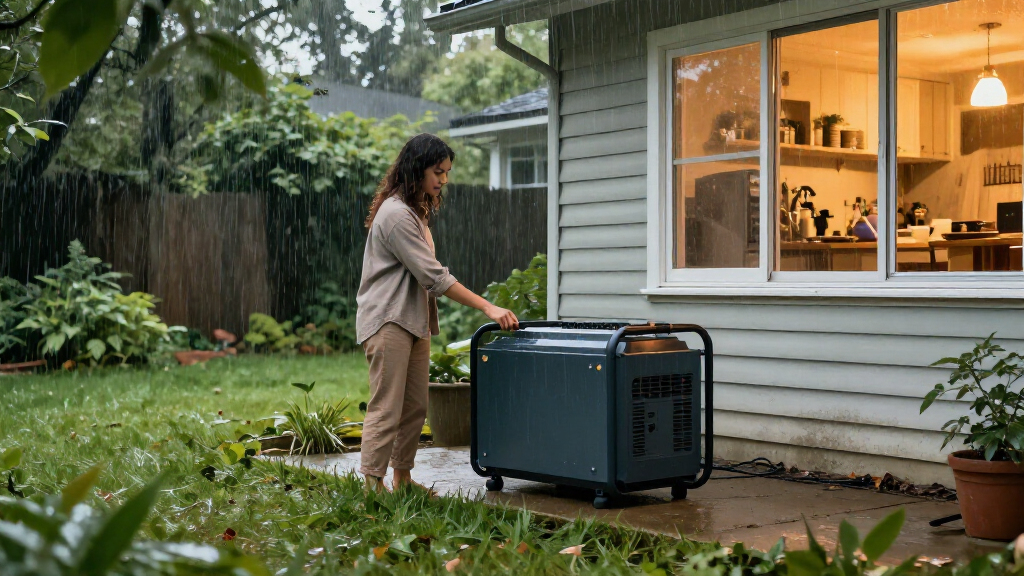
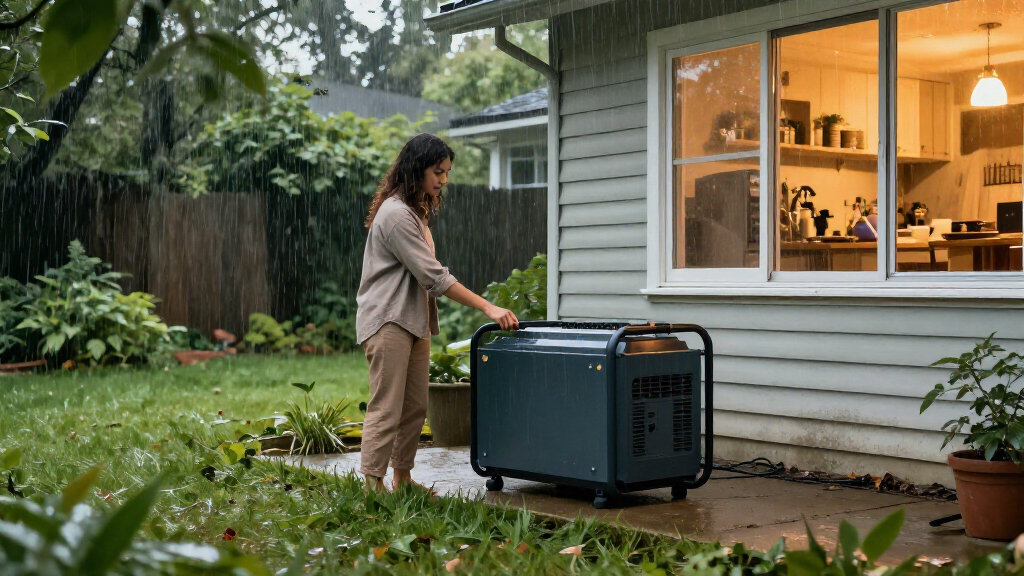
A portable generator can be useful when you want to move the unit or use it for more than home backup, but it does not provide the same fixed, automatic arrangement as a standby system. Portable units require a safe outdoor operating location, a suitable connection method, and a plan for starting and managing loads. Standby generators are installed as part of a home system and are generally better suited to buyers seeking automatic backup behavior. Never connect a portable generator directly to household wiring without an approved transfer arrangement, and never operate one indoors or in an enclosed space. If you are comparing the Westinghouse tri-fuel models with the Generac or Honeywell standby units, compare the complete operating plan—not just output figures.
Choose Monitoring for the Way You Manage Your Home
Cellular and Wi-Fi monitoring can help you check system status without standing beside the generator, but the connection method matters. Wi-Fi depends on a usable home network, while cellular monitoring depends on coverage and the product’s service arrangements. Ask what alerts are provided, whether remote status checks require an account or subscription, and what happens if the connection is unavailable. Monitoring does not replace scheduled maintenance or a professional inspection. Buyers who live near their homes and prefer a simple setup may place less value on remote alerts than people who travel often. Compare monitoring as a convenience and oversight feature, not as a substitute for capacity or installation quality.
Budget for Installation, Permits, and Ongoing Care
The generator itself is only one part of a home backup project. Site preparation, fuel-line work, electrical connections, permits, and local code requirements can shape the final scope and determine whether a particular unit is practical. Get a site review before selecting a model, especially if the proposed location is close to windows, property boundaries, or other constraints. Ask the installer about routine exercise cycles, service intervals, access for maintenance, and parts support. Paying for higher capacity can make sense when the home’s calculated loads require it, but a larger unit is not automatically a better match. A clear installation plan helps prevent buying a generator that is difficult or costly to integrate.
Frequently Asked Questions
Can a 14 kW generator power my entire home?
It depends on the home’s electrical loads and what you mean by “entire.” A 14 kW unit may support a selected group of circuits, but simultaneous use of large appliances can exceed its capacity. Have an electrician calculate both running demand and the startup needs of equipment such as pumps or air-conditioning systems. A transfer switch also affects which circuits can be supplied. If you want to use multiple large loads without changing household habits, compare the calculation with a higher-capacity model before deciding.
Should I choose a generator that includes a transfer switch?
A bundled transfer switch can make the system easier to plan because the switch is named as part of the package, but it does not guarantee that every circuit will be covered. Check the switch’s circuit count and confirm that it fits your panel and backup plan. Installation may still require separate labor, permits, fuel work, or other equipment. A generator sold without a listed switch may still be suitable, but you will need to identify a compatible switch and account for it in the project. Compare the complete installed setup rather than the product name alone.
Is a portable tri-fuel generator a substitute for a standby generator?
It can serve as a different kind of backup plan, but it is not a direct substitute for a fixed standby system. A portable unit offers flexibility and fuel options, while a standby generator is designed to be installed as part of a home system and may provide more automatic operation. With a portable model, you need a safe outdoor location, a proper connection to household circuits, and a plan for starting and managing loads. Fuel flexibility also depends on having the right supply and configuration available. Choose portable if mobility and fuel choice matter more than an integrated standby setup.
Does cellular monitoring work if my home internet is down?
Cellular monitoring uses a cellular connection rather than relying solely on the home Wi-Fi network, so it may remain available when home internet service is interrupted. Its usefulness still depends on cellular coverage at the property and the product’s service terms. Wi-Fi monitoring, by comparison, needs a working local network and internet connection for remote access. Ask the manufacturer or installer what alerts and remote functions remain available during an outage. Neither connection type replaces local system controls or regular maintenance.
How should I choose between the Generac 22 kW versions?
Start by comparing the package contents and monitoring method, since the lineup includes a standalone 22 kW model as well as versions listing a transfer switch. The Guardian model specifies Wi-Fi monitoring, while another transfer-switch option lists cellular connectivity. Choose the configuration that matches your electrical setup and the connection available where the generator will be installed. Then confirm which circuits the switch can support and whether the monitoring service fits your expectations. If you do not need the listed bundle features, compare the standalone model with the full installation plan rather than assuming one version is automatically better.
Conclusion
For the broadest fixed-standby package in this group, my best overall pick is the Generac 26 kW with transfer switch and cellular connectivity. The best value for a more modest backup plan is the Generac 10 kW, provided a load calculation confirms that its capacity fits your prioritized circuits. Buyers new to standby systems may prefer the Honeywell 14 kW with a 16-circuit transfer switch for a clearly defined circuit-based approach. For a premium, higher-capacity choice, compare the 26 kW Generac package with the 24 kW and 22 kW systems against your actual load needs and installation plan. If your priority is portability and tri-fuel flexibility, consider a Westinghouse WGen model, but choose it only if you are prepared for the different safety and connection requirements of portable backup. The best fit is the one whose capacity, switch, fuel supply, and installation plan match your home—not simply the model with the largest number.