
TL;DR

Get backup power and energy gear delivered free with Prime
- Fast, free delivery on millions of items
- Prime Video, Amazon Music and more included
- Member-only deals all year
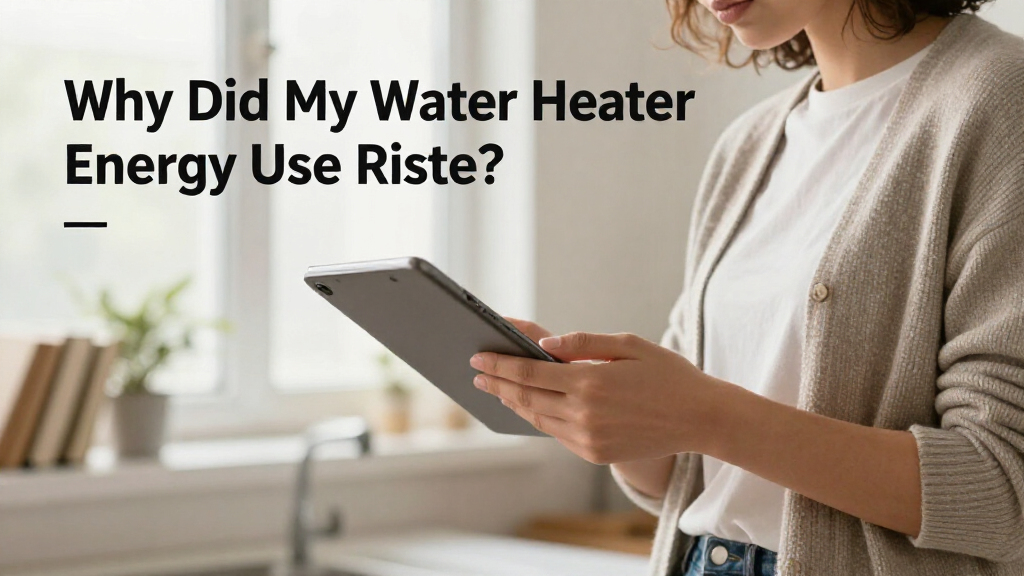
A GreenBuildingAdvisor report traced a homeowner’s unusually high heat-pump water heater energy use in 2024 and 2025 to more than one factor. Hot-water use rose after a family member moved in, while renovation dust may have reduced the heater’s efficiency; the available data cannot separate their effects.
A homeowner’s heat-pump water heater used 89% more energy in 2024 than in 2020, according to a GreenBuildingAdvisor report, but the increase was not explained by a dirty filter and coil alone. Monthly records showed energy use rose after a family member who preferred baths moved in during August 2023, then returned to normal after he left in July 2025; renovation dust was another likely contributor.
The homeowner, building-science writer Allison A. Bailes III, said he tracks household electricity bills and individual energy uses. His annual records showed a gradual increase from 2020 through 2023, followed by a much larger jump in 2024. Energy use remained unusually high in 2025. The 2026 figure in the report was an estimate for the final four months of that year, not a completed annual total.
Bailes initially suspected dust from a basement renovation that began in February 2024. The work produced dirt and airborne particles, and he said he did not always cover or turn off the water heater. A heat-pump water heater draws heat from surrounding air, and dust can collect on its filter and coil. He found the filter heavily soiled in January 2025 and later cleaned the coil.
However, the monthly data showed the increase began near the end of 2023, before the renovation started. That timing pointed to an additional factor: a stepson moved into the home in August 2023 and stayed for two years, preferring baths to showers. Energy use fell back toward its usual range after he moved out at the end of July 2025. Bailes said both increased hot-water demand and dirty equipment likely mattered, but the records did not show monthly hot-water volume, so their separate effects could not be calculated.
Demand and Maintenance Both Matter
The case shows why a rise in a water heater’s electricity use should not automatically be attributed to equipment failure. A household may be drawing more hot water, the heater may be operating less efficiently, or both changes may happen at once. Without measurements of hot-water use alongside energy consumption, a household bill alone cannot distinguish those causes.
For heat-pump water heaters, the surrounding air and the condition of the equipment can affect operation. Bailes said renovation dust likely made the filter and coil dirtier, while the change in household occupancy increased demand. He also reported that the renovation placed the heater in fully conditioned basement space. Before the winter of 2024–25, the basement was unheated; warmer surrounding air may have improved efficiency and limited winter energy use. The report does not quantify the size of any of these effects.
That distinction matters to homeowners weighing maintenance against replacement or assuming a higher bill reflects a lasting problem. Checking the filter and coil and reviewing changes in household hot-water use can help identify plausible explanations. The report describes one home, however, and does not establish that the same combination explains other households’ energy increases.
Products Worth Considering

Levoit Vital 100S-P Air Purifier for Home and Pets

Shark HydroVac MessMaster Corded Wet/Dry Vacuum, Mop & Self-Clean (WD161)

Blueair Blue Pure 211i Max Smart Air Purifier
As an affiliate, we earn on qualifying purchases.
A Two-Year Spike in the Records
Bailes said his household’s heat-pump water heater generally used about 60 kilowatt-hours per month in winter and roughly 20 to 30 kWh per month in summer from 2020 through mid-2023. Those figures describe his home’s monthly pattern, not a benchmark for all water heaters. The annual comparison cited in the report was 2024 against 2020; the source did not provide a broader population comparison.
The sequence helped revise the initial explanation. A sharp rise appeared late in 2023, before the February 2024 basement renovation. The family member moved in in August 2023, remained for two years and left at the end of July 2025. Bailes cleaned the coil in April 2025, while the graph showed a substantial drop in monthly use in July. That timing initially made coil cleaning look like the explanation, but the departure and cleaning occurred only months apart.
The basement renovation had opposing possible effects, according to Bailes: dust could foul the heater’s filter and coil, while the resulting placement in conditioned space could give it warmer air in winter. These overlapping changes make a simple before-and-after comparison difficult to interpret.
““The jolt in energy use those two years actually was caused by both things.””
— Allison A. Bailes III, in the GreenBuildingAdvisor report
The Causes Cannot Be Separated
The report does not establish how much of the additional energy use came from more baths, a dirty filter, a dirty coil or other household changes. It lacks monthly hot-water-use measurements, and the coil cleaning in April 2025 was followed by a July drop, close to the time the stepson moved out. That timing does not isolate either event as the sole cause.
Bailes described the dirty filter and coil as contributors and said the renovation likely made performance worse, but he did not provide a controlled test or a measured efficiency change. The effect of moving the heater into conditioned space also was not quantified. The report concerns one household, so its figures should not be treated as a universal expected increase for heat-pump water heaters.
Track Use and Check Components
The next step for a household seeing higher water-heater energy use is to compare bills or device-level readings across months and note changes in occupancy, bathing habits and equipment condition. Bailes recommends regularly checking and cleaning the filter, cleaning the coil and other components when they become dirty, and covering or turning off a heat-pump water heater during dust-generating work when appropriate. Homeowners should follow the manufacturer’s instructions for shutdown, cleaning and restart.
Further records could help distinguish demand from performance: tracking hot-water use as well as electricity would address the main gap Bailes identified. The report does not announce a follow-up measurement or a definitive breakdown of the two causes. Its 2026 annual figure was still an estimate for the final four months, so the report’s completed-year comparisons do not include a final 2026 total.
Key Questions
Why did the homeowner’s water heater use more energy?
The report points to two likely contributors: increased hot-water demand after a family member moved in and dust that may have made the heat-pump water heater’s filter and coil less efficient. The available records do not establish each factor’s share.
Did the basement renovation cause the energy spike?
It may have contributed, but it cannot explain the start of the increase by itself: monthly energy use rose late in 2023, before the renovation began in February 2024. Bailes said renovation dust likely affected the filter and coil.
How much did energy use rise?
In Bailes’s home, the water heater used 89% more energy in 2024 than in 2020. That is a comparison between those two years in one household, not a general rate for heat-pump water heaters.
What maintenance did the report recommend?
Bailes recommended checking the filter regularly, cleaning it when needed, and cleaning the coil and other components when dirty. During dusty remodeling, he also advised covering or turning off the unit when appropriate and following its manufacturer’s instructions.
Can energy data alone identify the cause?
Not in this case. The monthly records showed when use changed, but without monthly hot-water-volume data they could not separate increased demand from reduced equipment efficiency.
Source: greenbuildingadvisor.com