
TL;DR
Open a free Amazon Business account
Business pricing, bulk buying and tax-exempt orders.
Create a free accountAs an affiliate, we earn on qualifying purchases.
WhatsApp has launched new privacy features designed to give users more control over their data. The update is confirmed and rolling out globally, but some privacy groups question its effectiveness. This development matters as it impacts billions of users’ data security and privacy rights.
WhatsApp has officially launched a series of new privacy features, including enhanced controls over who can see users’ online status and the ability to disable read receipts, according to an announcement made on April 25, 2024. The update is part of the company’s efforts to address increasing user concerns about data privacy and comply with global privacy regulations. The features are currently being rolled out to users worldwide, with broader availability expected in the coming weeks.
The new privacy tools include options to hide online status from specific contacts, limit who can see profile photos, and control who can add users to groups. WhatsApp’s spokesperson confirmed that these features are now live for Android and iOS users, with a gradual rollout. The company stated that these updates are designed to give users more granular control over their personal data and improve privacy transparency.
Privacy advocates and some security experts have welcomed the move, noting that it aligns with broader industry trends toward user privacy. However, some critics, including representatives from digital rights groups, have expressed skepticism about the actual effectiveness of the new controls, citing concerns over data collection practices still in place and the app’s integration with Facebook’s broader data ecosystem.
Impact of WhatsApp’s Privacy Update on Users and Data Security
This update is significant because WhatsApp is used by over 2 billion people worldwide, making its privacy policies highly influential. The new features could set a precedent for other messaging platforms to enhance user privacy controls. However, critics warn that the changes may not fully address underlying data collection practices, raising ongoing concerns about user privacy and data security in digital communications.

Ailun Privacy Screen Protector iPhone 17e/16e/14/13/13 Pro, 2 Pack
- Pack Size: Includes 2 privacy screen protectors
- Device Compatibility: Fits iPhone 17e, 16e, 14, 13, 13 Pro 6.1 inch
- Protection Level: Resists scratches, scrapes, and bumps
As an affiliate, we earn on qualifying purchases.
As an affiliate, we earn on qualifying purchases.
Background of WhatsApp’s Privacy Policies and Recent Changes
WhatsApp has historically faced scrutiny over its data sharing practices, especially after its acquisition by Facebook in 2014. In recent years, the platform has introduced several privacy features, including end-to-end encryption, but has also faced criticism for data sharing with parent company Meta. The current rollout of new privacy controls follows a period of increased regulatory pressure in regions like the European Union and the United States, prompting the company to improve transparency and user controls.
“We are committed to giving our users more control over their privacy and have introduced these new features to enhance their experience.”
— WhatsApp spokesperson

App Protection and Privacy Mastery: How to Secure Mobile Apps, Control Permissions, and Stop Apps From Tracking Your Data (Mobile Security & App Protection Academy)
As an affiliate, we earn on qualifying purchases.
As an affiliate, we earn on qualifying purchases.
Limitations and Concerns About the Effectiveness of New Features
It is not yet clear how much these new privacy controls will reduce data sharing or prevent third-party access. Critics argue that despite the updates, WhatsApp’s integration with Meta’s data ecosystem may still pose privacy risks. Additionally, the extent of user awareness and adoption of these features remains uncertain, as some users may not fully utilize the new controls.

Germany-based Encrypted Messaging App Telegram Emerges as Jihadis' Preferred Communications Platform: Part V of MEMRI Series: Encryption Technology … Jihadis (September 2015 – September 2016)
As an affiliate, we earn on qualifying purchases.
As an affiliate, we earn on qualifying purchases.
Next Steps in WhatsApp’s Privacy Strategy and User Adoption
WhatsApp plans to continue expanding and promoting these privacy features over the coming months, with updates expected to include more granular controls and transparency tools. Monitoring user adoption and feedback will be crucial to assess the real-world impact of these changes. Regulators and privacy groups are likely to scrutinize the company’s ongoing efforts to balance user privacy with data-driven revenue models.
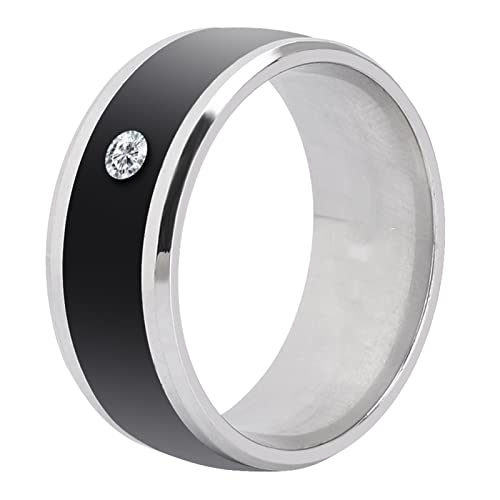
POCREATION NFC Smart Ring Size 13 – Waterproof, Battery-Free Wearable for Privacy-Focused Smartphone Users, Ultra-Sensitive Touch to Unlock Apps & Share Content
- Privacy-First Encryption: Securely stores and exchanges data
- Touch-to-Launch Convenience: Instantly unlocks apps and shares content
- Battery-Free Operation: No charging needed, maintenance-free
As an affiliate, we earn on qualifying purchases.
As an affiliate, we earn on qualifying purchases.
Key Questions
What specific privacy features has WhatsApp introduced?
WhatsApp has added options to hide online status, restrict who can see profile photos, and control who can add users to groups. These features aim to give users more control over their personal data.
Are these new features available to all users now?
The features are being rolled out gradually and are currently available to most users on Android and iOS, with full global availability expected within weeks.
Do these updates address all privacy concerns?
While they improve user controls, critics argue that underlying data sharing practices with Meta remain unchanged, so privacy risks persist.
Will these changes affect WhatsApp’s data sharing with Facebook?
The new privacy features focus on user controls but do not alter WhatsApp’s existing data sharing agreements with Meta, which remain a concern for privacy advocates.
What should users do to maximize their privacy on WhatsApp?
Users should enable the new privacy controls, review their privacy settings regularly, and stay informed about updates to better protect their data.
Source: google-trends
Pool season Picks
robotic pool cleaners
As an affiliate, we earn on qualifying purchases.