
TL;DR

Get backup power and energy gear delivered free with Prime
- Fast, free delivery on millions of items
- Prime Video, Amazon Music and more included
- Member-only deals all year
Meta has announced it is reusing older RAM modules in its new server designs, facilitated by a custom bridge chip. This approach aims to cut costs and enhance resource utilization. The development is confirmed, but the full technical impact remains under evaluation.
Meta has confirmed it is reusing older RAM modules in its new server systems, employing a custom bridge chip to facilitate compatibility and performance. This move aims to reduce hardware costs and improve resource efficiency, according to official statements. The development signals a potential shift in how large-scale data centers manage hardware lifecycle and procurement.
Meta’s latest server designs incorporate legacy RAM modules that were previously used in older hardware. The company has developed a custom bridge chip to enable these older modules to operate effectively within new server architectures. This approach is confirmed by Meta’s technical disclosures and aligns with broader industry efforts to optimize hardware reuse.
According to sources familiar with the project, the custom bridge chip acts as an interface, ensuring compatibility between the older RAM and the new server controllers. This allows Meta to extend the usable lifespan of existing hardware components, potentially reducing costs associated with procurement and manufacturing. The company has not disclosed specific performance metrics but emphasizes that the solution maintains operational efficiency.
Implications for Data Center Hardware Strategies
This development could influence how data centers approach hardware lifecycle management, especially for companies like Meta with massive infrastructure needs. Reusing older RAM modules with a custom interface may lower capital expenditure and reduce electronic waste. It also demonstrates a move toward more flexible hardware architectures that prioritize resource reuse without sacrificing performance.
Industry analysts see this as a potential trend toward modular, adaptable server designs, which could impact supply chains and hardware procurement strategies across the cloud and technology sectors.
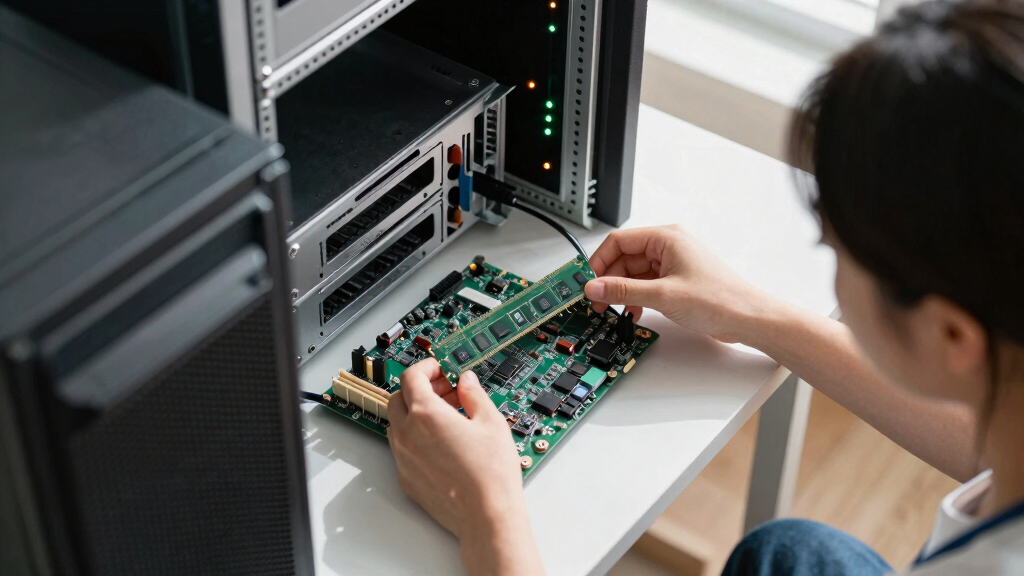
server RAM modules compatible with legacy hardware
As an affiliate, we earn on qualifying purchases.
As an affiliate, we earn on qualifying purchases.
Meta’s Hardware Reuse and Industry Trends
Meta has historically invested heavily in large-scale data centers, often seeking cost-effective and sustainable solutions. The company previously explored hardware recycling and modular designs to extend equipment lifespan. This latest initiative builds on those efforts, utilizing custom interface chips to enable legacy hardware reuse. The move aligns with broader industry trends toward sustainability and resource optimization, especially amid supply chain disruptions and rising hardware costs.
While specific technical details about the custom bridge chip remain limited, this approach is part of a wider push among tech giants to innovate within existing infrastructure and reduce environmental impact.
“We are leveraging existing hardware components through innovative interface solutions to optimize our infrastructure costs and sustainability efforts.”
— Meta spokesperson
As an affiliate, we earn on qualifying purchases.
Technical Details and Performance Impact Still Unclear
It is not yet clear how the custom bridge chip impacts overall server performance, energy efficiency, or reliability over time. Details about the chip’s design, compatibility limits, and scalability are still emerging. The long-term effects on data center operations and hardware lifecycle are also unknown at this stage.
As an affiliate, we earn on qualifying purchases.
Further Technical Disclosure and Industry Adoption Expected
Meta is likely to release more detailed technical specifications in upcoming technical briefings or publications. Industry observers will watch for independent assessments of the performance and reliability of servers utilizing reused RAM modules. Additionally, other companies may explore similar strategies if Meta’s approach proves successful.
As an affiliate, we earn on qualifying purchases.
Key Questions
Why is Meta reusing old RAM modules in new servers?
Meta aims to reduce hardware costs, extend the lifespan of existing components, and improve resource efficiency by reusing legacy RAM modules with a custom interface chip.
What is the role of the custom bridge chip?
The custom bridge chip acts as an interface, enabling older RAM modules to work effectively within new server architectures without sacrificing performance or reliability.
Does reusing RAM affect server performance?
It is not yet clear how the reuse impacts overall server performance, energy efficiency, or reliability. Further testing and disclosures are expected.
Could this approach influence other tech companies?
Yes, if Meta’s strategy proves successful, it may encourage other large-scale data center operators to adopt similar hardware reuse methods, especially with custom interface solutions.
Are there environmental benefits to this approach?
Reusing existing hardware components can reduce electronic waste and lower the environmental footprint of data center operations.
Source: hn
Halloween Picks
halloween
As an affiliate, we earn on qualifying purchases.