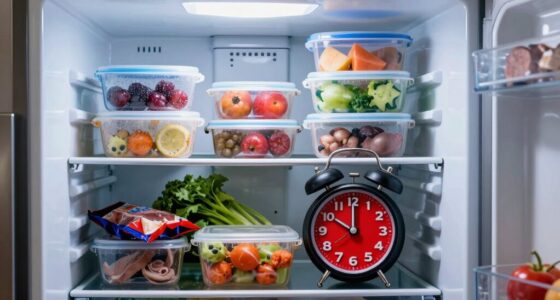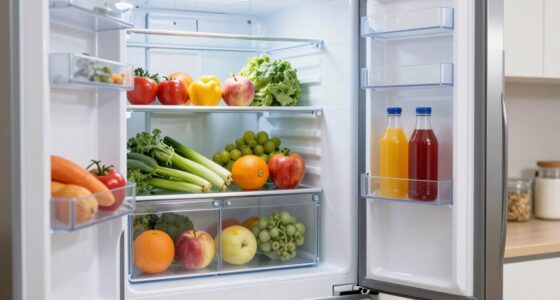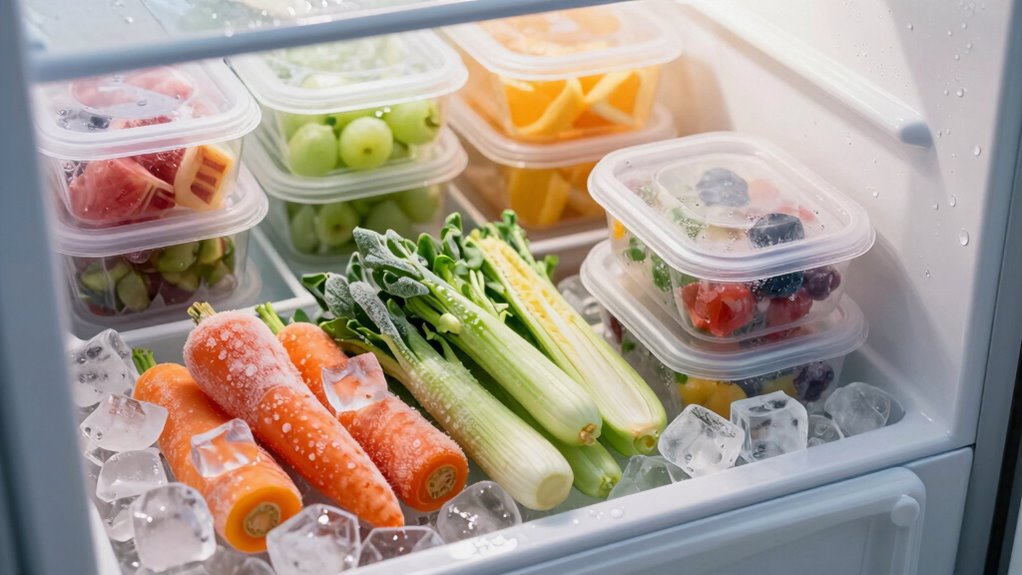

To keep ice, coolers, and frozen foods working smoothly, start by pre-chilling your cooler and filling gaps with frozen items or bottles of ice to extend cooling. Pack it tightly to reduce air circulation and keep it organized to limit warm air exposure. Place the cooler in a shaded spot and maintain clean, well-sealed lids to prevent cold air from escaping. Proper insulation and strategic placement help everything stay cold longer—continue to explore ways to maximize your cooler’s efficiency.
Get ready for Prime Big Deal Days — try Prime free
Exclusive member deals on October 6–7, plus fast free delivery. Cancel anytime.
As an affiliate, we earn on qualifying purchases.
Key Takeaways
- Pre-chill the cooler and pack it to capacity with frozen foods or bottles of ice to enhance cooling efficiency.
- Use large ice blocks and fill gaps with frozen items to reduce melting and maintain low temperatures longer.
- Position the cooler in shaded, cool environments and use reflective covers for better insulation.
- Regularly clean and dry the cooler, replace worn seals, and minimize open-door time to prevent warm air entry.
- Organize contents to limit air gaps, ensuring consistent cooling and reducing the need for frequent ice replacements.
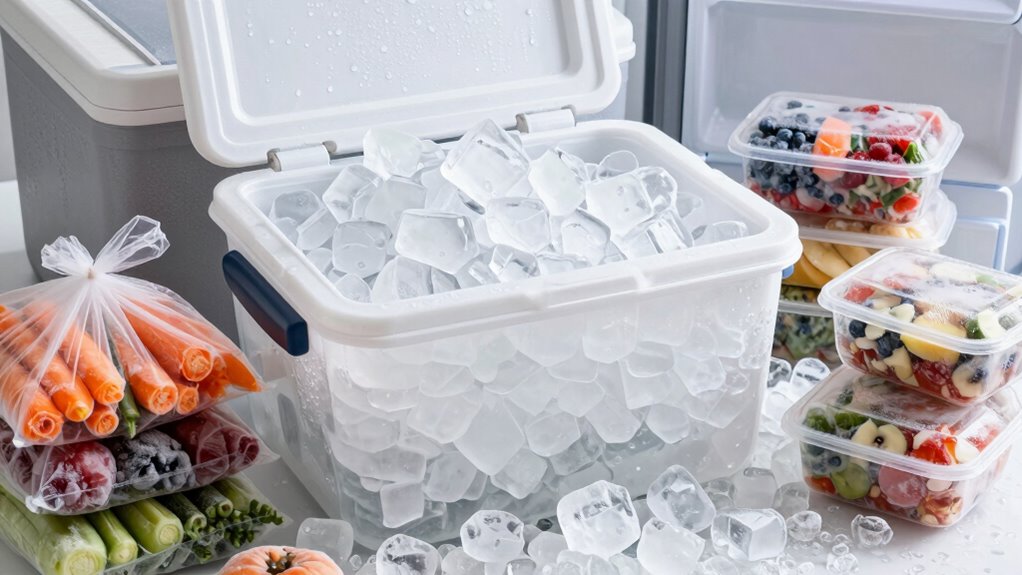
Keeping ice, coolers, and frozen foods working together effectively requires some planning and proper techniques. You want your ice to last as long as possible, your cooler to stay in top condition, and your frozen foods to stay safely frozen. The key lies in understanding how to conserve ice properly and maintain your cooler efficiently. When you focus on ice preservation, you minimize the need to add more ice frequently, which keeps your cooler organized and your food safe. Using large blocks of ice instead of small cubes can slow melting because they have less surface area exposed to warm air. Also, pre-chilling your cooler before packing it with frozen foods or ice helps lower the internal temperature, preventing rapid melting and maintaining a consistent cool environment.
Cooler maintenance is just as essential as ice preservation. Regularly cleaning your cooler prevents mold, odors, and bacteria from developing, which can compromise the quality of your stored items. When you clean it, use mild soap and water, and make sure it’s completely dry before packing it again. Inspect the seals around the lid; if they’re worn or damaged, replace them to ensure a tight fit that keeps cold air in and warm air out. The better your cooler seals, the longer your ice stays frozen and your foods stay cold. Also, avoid leaving your cooler open for extended periods, as every minute you open it, warm air enters, accelerating ice melt and raising internal temperatures.
Positioning your cooler in the shade or a cool spot is another smart move. Direct sunlight and hot environments speed up ice melting, so finding a shaded area helps keep the internal temperature low. If you’re outdoors, consider layering your cooler with reflective material or placing it under an awning for extra insulation. When it comes to packing, fill your cooler to capacity, but don’t overstuff it. Adequate packing ensures less air space, which means less room for warm air to circulate and melt ice faster. Use frozen foods or bottles of ice to fill gaps—these act as additional cooling sources, extending the life of your ice and protecting your frozen foods. Proper insulation can greatly enhance your cooler’s efficiency and help maintain lower temperatures for longer periods.
Maintaining proper insulation can significantly improve the efficiency of your cooler, helping to keep everything colder for longer. Adding insulation materials or reflective covers can further enhance cooler insulation and prolong ice life. Proper cooler organization and regular upkeep can also reduce the need for additional ice, saving you time and money. Additionally, understanding the effect of environment on your cooler’s performance can help you make better decisions about placement and packing. By taking these steps, you’ll maximize ice longevity, maintain a consistent cool temperature, and keep your frozen foods safe throughout your trip or event. Proper planning and regular upkeep make all the difference in ensuring your supplies stay cold and fresh, no matter the situation.
As an affiliate, we earn on qualifying purchases.
Frequently Asked Questions
How Long Does Ice Typically Last in a Cooler?
Ice typically lasts 24 to 48 hours in a cooler, depending on factors like ice storage and cooler insulation. To make it last longer, keep your cooler in a shaded spot and limit how often you open it. Using thick, well-insulated coolers helps retain the cold longer. Proper packing, with frozen foods and ice layered together, also maximizes ice longevity and keeps everything cool for extended periods.
Can I Reuse Frozen Foods to Keep the Cooler Cold?
You can reuse frozen foods to keep your cooler cold, but you must prioritize food safety. About 90% of foodborne illnesses are linked to improper storage, so guarantee frozen foods are in secure, insulated storage containers. Reusing frozen foods as ice packs is effective, but only if they’re kept at safe temperatures and don’t thaw completely. Always monitor the temperature to prevent bacterial growth, and remember, safety comes first.
What Is the Best Way to Prevent Freezer Burn?
To prevent freezer burn, you should focus on proper freezer maintenance and maintaining ice quality. Make sure your freezer stays at 0°F and is well-sealed to avoid moisture loss. Wrap foods tightly in airtight packaging or use vacuum-sealing methods, and avoid opening the freezer door frequently. Keeping ice stored properly also helps prevent ice crystals from developing, which can lead to freezer burn on your frozen foods.
How Do I Prevent Cross-Contamination Between Foods?
You absolutely must prevent cross-contamination between foods because it’s the difference between safe, healthy meals and a food safety nightmare! Always store raw meats separately from cooked or ready-to-eat foods. Use separate cutting boards, knives, and containers, and wash your hands thoroughly after handling raw ingredients. Practicing impeccable hygiene practices and keeping foods isolated are your best defenses against dangerous bacteria and ensuring your kitchen remains a safe haven.
Are There Eco-Friendly Options for Ice and Coolers?
Yes, you can choose eco-friendly options like biodegradable ice and eco-friendly coolers. Biodegradable ice, made from natural ingredients, melts faster but reduces plastic waste. Eco-friendly coolers are often made from recycled or sustainable materials, helping you cut down on plastic pollution. These options are perfect for environmentally conscious trips, ensuring your food stays cold while minimizing your ecological footprint. Always look for products labeled as biodegradable or made from sustainable materials.
insulated cooler cover reflective
As an affiliate, we earn on qualifying purchases.
As an affiliate, we earn on qualifying purchases.
Conclusion
Keeping your ice, coolers, and frozen foods working together guarantees your perishables stay fresh and safe. By maintaining proper temperatures, organizing items efficiently, and replenishing ice as needed, you’re in control of your food’s freshness. Don’t let neglect spoil your trip or event—are you ready to take these simple steps and keep everything perfectly chilled? With a little effort, you can enjoy a hassle-free experience and peace of mind knowing your frozen foods are always protected.
As an affiliate, we earn on qualifying purchases.
As an affiliate, we earn on qualifying purchases.
NFL season / tailgating Picks
team gear
As an affiliate, we earn on qualifying purchases.