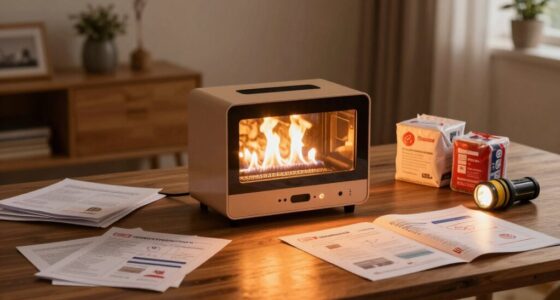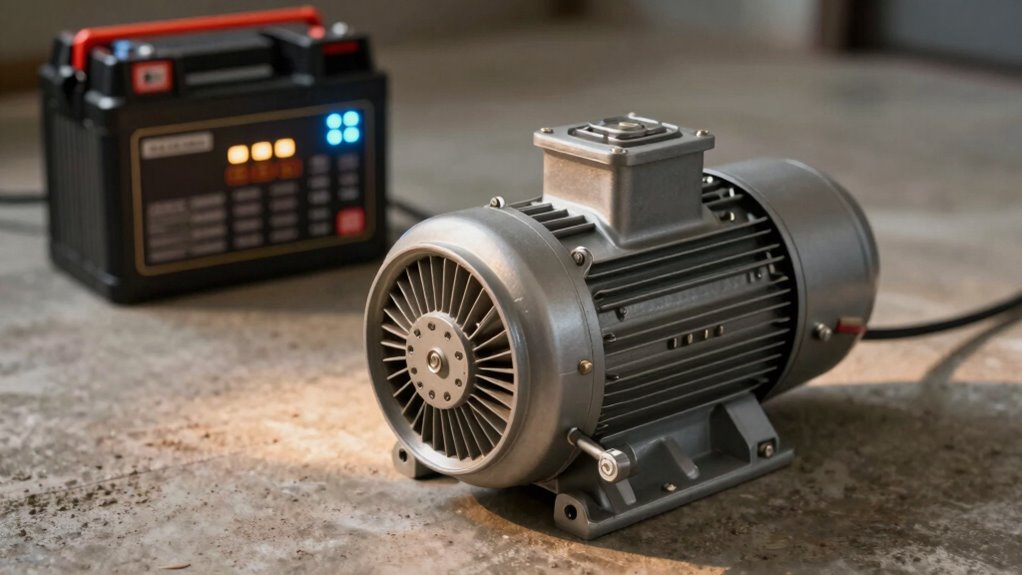

To guarantee your furnace blower stays running during a power outage, you should carefully plan your backup power options. First, assess the essential loads and pick a generator that can handle your blower’s wattage needs. Make certain to operate portable generators outdoors and store fuel safely. Regular testing and maintenance are key to reliability. If you keep these points in mind, you’ll be better prepared for winter outages and can learn more about securing your home’s power needs.
Key Takeaways
- Calculate the furnace blower’s wattage needs to select an appropriately rated backup power source.
- Choose between portable generators for manual operation or standby generators for automatic backup.
- Ensure backup power equipment is installed and maintained by qualified professionals for safety and efficiency.
- Store sufficient, approved fuel safely to ensure continuous generator operation during outages.
- Regularly test and maintain backup systems to ensure reliable operation when needed most.
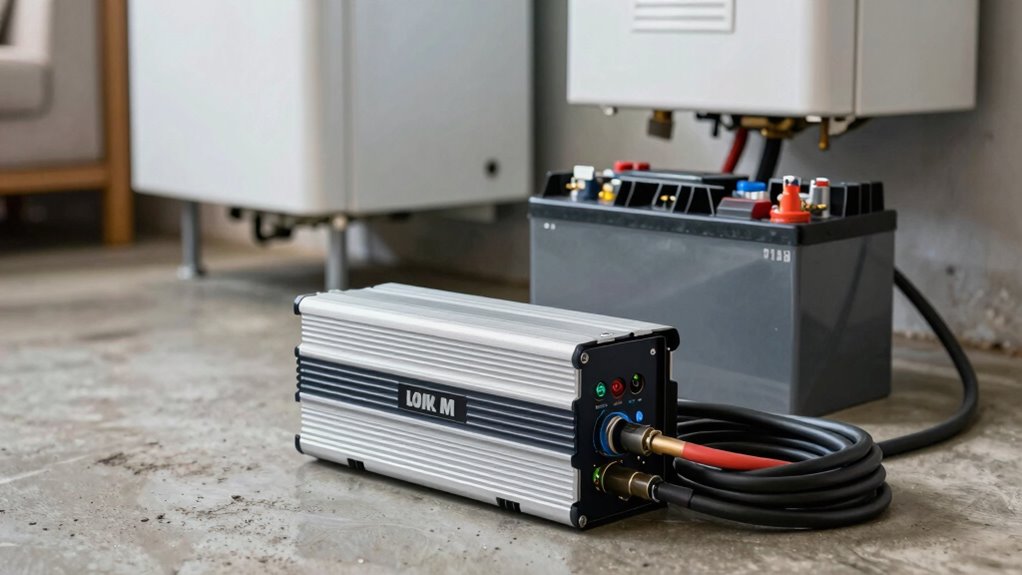
Have you ever experienced a winter power outage and realized your furnace blower stops working just when you need heat the most? It’s a jarring reminder of how vulnerable your home comfort can be during a storm or grid failure. When thinking about backup power for your furnace blower, safety should be your top priority. Generator safety isn’t just about avoiding electrical hazards; it’s about making certain your entire system operates safely and efficiently. Before you even consider plugging in a generator, familiarize yourself with the manufacturer’s instructions and local codes. Improper use can lead to carbon monoxide poisoning, electrical fires, or damage to your appliances. Always operate generators outdoors in well-ventilated areas, and never run them inside garages, basements, or enclosed spaces. Proper placement and ventilation are vital to prevent dangerous buildup of fumes.
Power outage preparedness involves more than just having a generator on hand—it’s about planning ahead. Start by calculating your essential loads, especially the power needed to run your furnace blower. Not all generators are created equal, so choose one that can handle the wattage required for your heating system. Portable generators are common, but they often need to be manually operated and refilled, which can be inconvenient during a storm. Alternatively, standby generators automatically kick in when the power goes out, providing seamless backup. Whichever option you select, make sure it’s properly installed and maintained by a qualified professional to avoid mishaps and ensure reliable operation when you need it most. Additionally, understanding generator safety is crucial to prevent accidents and ensure proper functioning during outages.
It’s also helpful to familiarize yourself with fuel management strategies to extend the reliability of your backup power system and prevent running out of fuel at critical moments. Regularly testing your generator and ensuring it has enough fuel is essential for reliable operation during an outage. Consider keeping a maintenance schedule to keep your equipment in optimal condition, especially before winter storms. Properly storing fuel in approved containers will also help prevent leaks and contamination, ensuring your system works when needed. Keep an emergency kit nearby, including extension cords rated for outdoor use and surge protectors. Remember, a generator isn’t just a convenience; it’s a critical safety device during severe winter weather. Planning ahead means you won’t be caught off guard, and your home remains warm and safe even when the grid fails. Being aware of backup power options can help you choose the most suitable system for your needs. By understanding generator safety and investing in proper power outage preparedness, you’re taking vital steps to protect yourself and your family from the dangers of winter power failures.

Oxseryn Power Equipment 4400 Watts Inverter Generator Gas Powered, Portable Open Frame Generator, Low Noise with ECO Mode, RV Ready, Emergency Home Backup
- High Power Output: 4400 peak and 3400 running watts
- Multiple Output Ports: 2 AC, 1 DC, RV port
- Long Runtime: Up to 14 hours at 25% load
As an affiliate, we earn on qualifying purchases.
As an affiliate, we earn on qualifying purchases.
Frequently Asked Questions
How Long Can a Backup Power Source Run a Furnace Blower?
A backup power source can typically run a furnace blower for several hours, depending on its capacity and your energy efficiency needs. If you choose a generator, installation considerations include proper placement and wiring to guarantee safety. Smaller UPS units may only last for 30 minutes to an hour, so plan accordingly. Regularly maintaining your backup system ensures it works efficiently when needed, providing reliable power during outages.
Are Portable Generators Safe for Powering a Furnace Blower?
Using a portable generator for your furnace blower is like trusting a wild horse—powerful but unpredictable if not handled correctly. Portable generators can be safe if you follow generator safety guidelines and guarantee proper wiring. Power source types matter, so choose one designed for indoor use with safety features. Always use transfer switches and consult pros to avoid risks like carbon monoxide poisoning or electrical damage, keeping your home safe.
What Is the Cost Difference Between Backup Power Options?
The cost difference between backup power options varies based on battery capacity and fuel efficiency. Portable generators typically cost more upfront, ranging from a few hundred to over a thousand dollars, but provide longer-lasting power with higher fuel efficiency. Battery backup systems are usually cheaper initially but may require battery replacements over time, impacting long-term costs. Consider your power needs and budget to choose the most cost-effective option.
How Often Should Backup Power Systems Be Maintained?
A stitch in time saves nine, so you should check your backup power system regularly. You need to perform maintenance scheduling at least once a year to guarantee the battery lifespan remains ideal and the system functions when needed. Regular inspections help catch issues early, preventing unexpected failures. Stay proactive by following manufacturer guidelines and scheduling professional checks, so your furnace blower stays powered during outages.
Can a Backup Power System Prevent Furnace Damage During Outages?
A backup power system can help prevent furnace damage during outages by providing continuous power to your blower. To guarantee effectiveness, you need to take into account fuel alternatives like generators or batteries and check system compatibility with your furnace. By doing so, you minimize risks of overheating or damage caused by sudden power loss, keeping your system running smoothly and protecting your investment during unexpected outages.
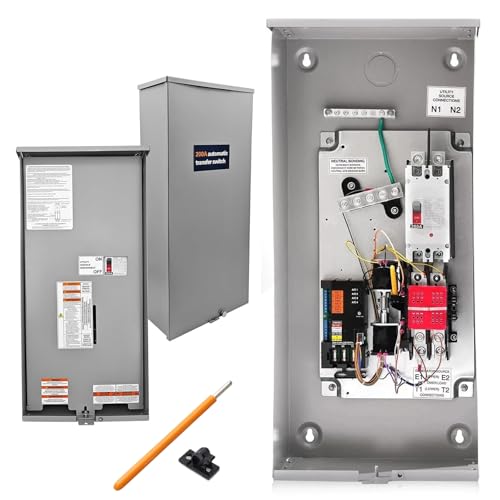
RXSW200A3 200 Amp Automatic Transfer Switch w/Power Management Replacement for Generac, Service Entrance Rated, NEMA 3R Aluminum Enclosure
- Seamless Power Transfer: Switches between utility and generator power
- Digital Load Management: Manages four HVAC loads automatically
- Generac Compatibility: Fits RXSW200A3 models and 8-24 kW generators
As an affiliate, we earn on qualifying purchases.
As an affiliate, we earn on qualifying purchases.
Conclusion
Thinking about backup power for your furnace blower isn’t just about avoiding chilly surprises; it’s about keeping your home cozy and your peace of mind intact. A reliable backup can gently catch you if the main source ever takes a break, ensuring comfort isn’t left in the cold. With a little planning and a touch of foresight, you can keep things running smoothly, even when the unexpected tries to make an appearance. Stay warm and worry-free!

Scepter Duramax Flo ’N Go 14 Gallon Gas Caddy, 53 Liter Fuel Tank, Red
- Capacity: 14-gallon (53L) fuel tank
- Portable Design: Heavy-duty with 6-inch wheels
- Durable Material: High-density polyethylene construction
As an affiliate, we earn on qualifying purchases.
As an affiliate, we earn on qualifying purchases.

POWGRN 50 ft 12/3 Outdoor Extension Cord Waterproof Heavy Duty with Lighted Indicator End 12 Gauge 3 Prong, Flexible Cold-Resistant Long Power Cord Outside, 15Amp 1875W SJTW Yellow ETL Listed
- High Power Capacity: Up to 1875W for heavy-duty use
- Lighted Power Indicator: LED lights show when powered
- Bright, Visible Jacket: Yellow PVC for easy visibility
As an affiliate, we earn on qualifying purchases.
As an affiliate, we earn on qualifying purchases.