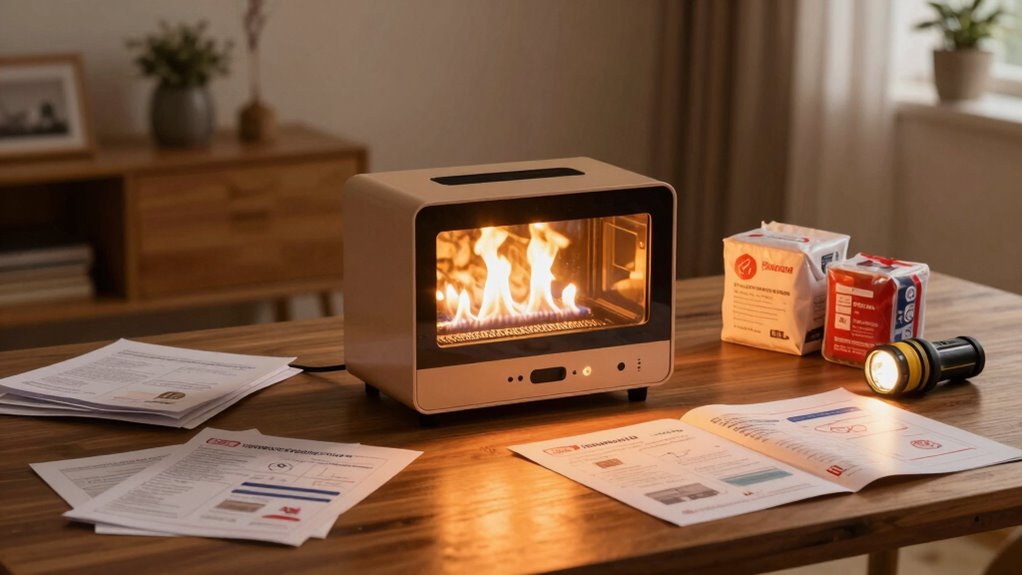
To stay warm during outages, choose indoor-safe propane heaters designed specifically for indoor use and follow safety guidelines carefully. Always guarantee proper ventilation, keep detectors nearby, and never operate the heater in enclosed spaces without fresh air. Place the heater on a stable surface away from flammable objects, and inspect it regularly for leaks or damage. Continuing will reveal essential tips to keep you safe and warm throughout extended power outages.
Open a free Amazon Business account
Business pricing, bulk buying and tax-exempt orders.
As an affiliate, we earn on qualifying purchases.
Key Takeaways
- Use indoor-specific propane heaters with safety features and proper ventilation to prevent carbon monoxide buildup.
- Regularly inspect heaters for leaks and damage; never operate if a leak or malfunction is suspected.
- Keep carbon monoxide detectors active and nearby to detect dangerous emissions early.
- Place heaters on stable surfaces, away from flammable objects, and ensure adequate airflow in the room.
- Follow manufacturer instructions for safe operation, especially during power outages, and never leave heaters unattended overnight.
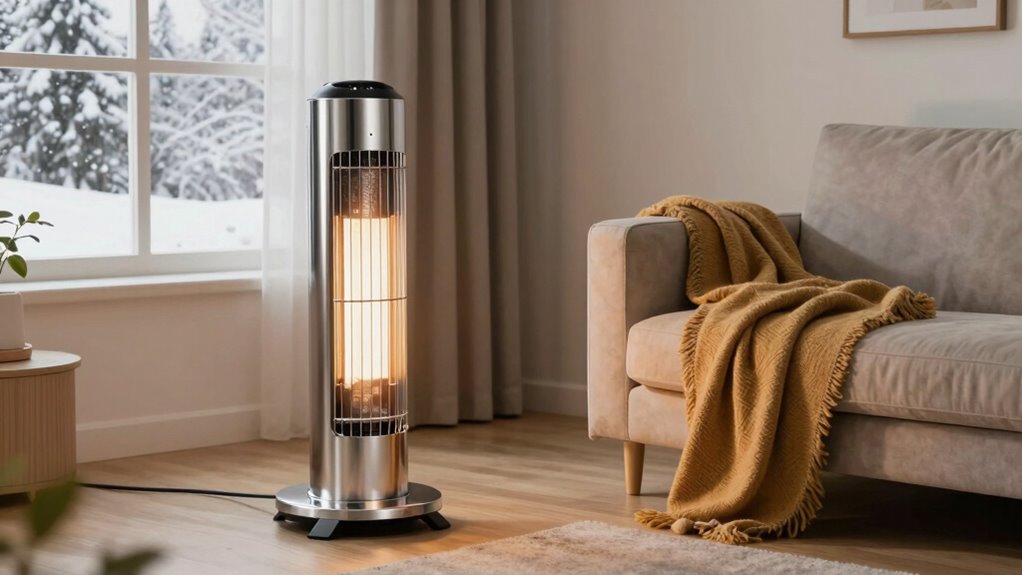
During power outages, having a reliable heating source becomes essential, and propane heaters can be a safe and effective option if used properly. However, safety is paramount when operating these heaters indoors. One of the most critical concerns is the risk of carbon monoxide buildup. This odorless, colorless gas can be deadly if it accumulates in enclosed spaces. To prevent this, always guarantee your propane heater is designed for indoor use and meets safety standards. Never use outdoor-only models inside your home, as they lack the necessary ventilation features.
Ensure your propane heater is designed for indoor use and meets safety standards to prevent dangerous carbon monoxide buildup.
Ventilation safety plays a crucial role in preventing dangerous levels of carbon monoxide. When using a propane heater indoors, you need to provide adequate airflow. This doesn’t mean leaving windows wide open, which can defeat the purpose of heating, but rather ensuring proper ventilation pathways. Many modern propane heaters come with built-in safety features like automatic shut-off if carbon monoxide levels rise. If yours doesn’t have this feature, it’s your responsibility to monitor your space carefully. Keep a carbon monoxide detector nearby, and test it regularly to confirm it’s functioning correctly. This device acts as an early warning system, alerting you before carbon monoxide reaches hazardous levels.
Another important aspect of ventilation safety is proper placement. Place your heater on a flat, stable surface away from curtains, furniture, or anything flammable. Avoid enclosed spaces like closets or small rooms without windows, where gases can quickly accumulate. If you’re using the heater in a larger room, ensure there’s enough airflow to disperse any emissions. Never leave the heater unattended for extended periods, especially overnight. During colder months, it’s tempting to keep the heater on all night, but this increases the risk of carbon monoxide buildup if ventilation isn’t adequate. Always follow the manufacturer’s instructions for safe operation and maintenance. Regular inspections and proper use can help prevent leaks and other hazards associated with propane safety.
Regularly inspect your propane heater and its components for leaks or damage. If you notice any smell of propane or suspect a leak, turn off the heater immediately, ventilate the area, and contact a professional. Maintaining good ventilation safety practices not only prevents dangerous emissions but also prolongs the lifespan of your heater. Proper maintenance and vigilance can help prevent accidents and ensure continuous warmth during outages. Being aware of safety guidelines and practicing vigilance can help prevent accidents and ensure continuous warmth during outages. Proper use and awareness can keep you warm and safe during outages. Also, educating yourself about carbon monoxide risks is key to safeguarding your household. Remember, safety isn’t just about the equipment but also about your vigilance and preparedness, especially when relying on propane heaters for indoor warmth.
indoor safe propane heater with safety features
As an affiliate, we earn on qualifying purchases.
As an affiliate, we earn on qualifying purchases.
Frequently Asked Questions
Are Propane Heaters Suitable for Small Apartments?
Yes, propane heaters can be suitable for small apartments if you choose portable heating models designed for indoor use. Make certain the heater has proper ventilation requirements to prevent harmful gas buildup. Always follow safety instructions, keep it away from flammable materials, and ensure good airflow. Proper ventilation and careful placement help you enjoy the warmth without risking safety, making propane heaters a practical option for small apartment heating needs.
How Long Can a Propane Heater Operate Safely Indoors?
You can run a propane heater indoors safely for about 4-8 hours, but ventilation is key—poor airflow can lead to dangerous buildup of carbon monoxide, which causes over 400 deaths annually. Make certain proper ventilation requirements are met, and install carbon monoxide detection to alert you early. Always follow manufacturer guidelines, and never leave the heater unattended for long periods to prevent risks.
What Are the Signs of Propane Leaks?
You should watch for signs of propane leaks, like a strong gas odor, which is the most common indicator. Conduct leak detection by listening for hissing sounds around your heater or connections. If you notice a gas smell or suspect a leak, turn off the heater immediately, ventilate the area, and avoid sparks or flames. Contact a professional for inspection and repairs before using the heater again.
Can Propane Heaters Be Used During a Power Outage?
Yes, you can use propane heaters during a power outage if they’re designed for indoor use and you follow safety guidelines. Make sure to maintain proper ventilation requirements to prevent the buildup of dangerous gases. Always monitor for carbon monoxide risks, as these heaters can produce this odorless gas. Keep a carbon monoxide detector nearby, and never leave the heater unattended to guarantee safe operation during outages.
What Safety Equipment Is Recommended for Propane Heater Use?
You should always prioritize safety when using propane heaters. Make sure you have proper ventilation requirements in place to prevent dangerous buildup of fumes. Install carbon monoxide detectors in the room to catch any leaks early—consider them your safety net. Keep a fire extinguisher nearby, and never leave the heater unattended. Think of these precautions as your safety net, ensuring you stay safe while staying cozy indoors.
carbon monoxide detector for indoor use
As an affiliate, we earn on qualifying purchases.
As an affiliate, we earn on qualifying purchases.
Conclusion
By choosing indoor-safe propane heaters and planning ahead for outages, you’re not just preparing—you’re building a fortress against the chaos. Imagine your home as a calm haven amid a storm of uncertainty, with warmth and safety radiating from every corner. With the right knowledge, you hold the power to turn a potential disaster into a minor hiccup. Stay vigilant, plan wisely, and keep your sanctuary cozy, no matter what the outside world throws at you.
ventilated propane heater for indoor safety
As an affiliate, we earn on qualifying purchases.
As an affiliate, we earn on qualifying purchases.
As an affiliate, we earn on qualifying purchases.
Flea & tick season Picks
flea and tick prevention
As an affiliate, we earn on qualifying purchases.