
TL;DR

Get backup power and energy gear delivered free with Prime
- Fast, free delivery on millions of items
- Prime Video, Amazon Music and more included
- Member-only deals all year
Washington D.C. has announced that its network of smart composting bins has achieved a major collection milestone. This development underscores the city’s commitment to innovative waste management and sustainability initiatives, though details on the scale and future plans remain limited.
Washington D.C. has announced that its network of smart composting bins has reached a significant collection milestone, reflecting advancements in the city’s waste management and sustainability efforts. This achievement underscores the city’s investment in innovative, technology-driven solutions to reduce landfill waste and promote environmental responsibility.
The milestone was officially reported by Waste Today, indicating that the city’s smart composting program has successfully collected a substantial volume of organic waste through its network of connected bins. These bins, equipped with sensors and data analytics, are designed to optimize collection routes and monitor composting activity in real time.
While specific figures regarding the total volume collected or the number of bins involved are not publicly confirmed, sources suggest that the program has expanded significantly since its inception, with the city emphasizing its role in reducing landfill contributions and promoting urban sustainability.
The program is part of Washington D.C.’s broader initiative to incorporate smart city technologies into environmental management, aiming to increase composting rates, reduce greenhouse gas emissions, and engage residents in waste reduction practices.
Implications for Urban Waste Management and Sustainability
This milestone highlights the potential for technology-driven waste solutions to transform urban environmental practices. The success of Washington D.C.’s smart composting bins demonstrates how cities can leverage sensors, data analytics, and automation to increase efficiency and participation in composting programs.
Achieving a significant collection milestone may encourage other cities to adopt similar technologies, potentially leading to broader adoption of smart waste management systems nationwide. It also reflects a growing public and governmental focus on sustainability and climate action, especially in densely populated urban areas.
However, the long-term impact depends on continued expansion, resident engagement, and integration with broader waste management strategies. The milestone signals progress but does not yet confirm the overall effectiveness or scalability of the program.
As an affiliate, we earn on qualifying purchases.
Background on Washington D.C.’s Composting Initiatives
Washington D.C. has been actively pursuing sustainability initiatives aimed at reducing waste and lowering greenhouse gas emissions. The city launched its smart composting program as part of its efforts to modernize waste collection and promote environmentally friendly practices.
The program involves deploying connected composting bins across various neighborhoods, equipped with sensors to monitor fill levels and optimize pickup schedules. The initiative aligns with national trends toward smart city solutions and increasing urban composting rates.
Prior to this milestone, the city had reported incremental growth in composting participation, but specific data on total waste diverted or program scale remained limited. The milestone indicates a significant step forward, though the overall impact and future plans are still being developed.
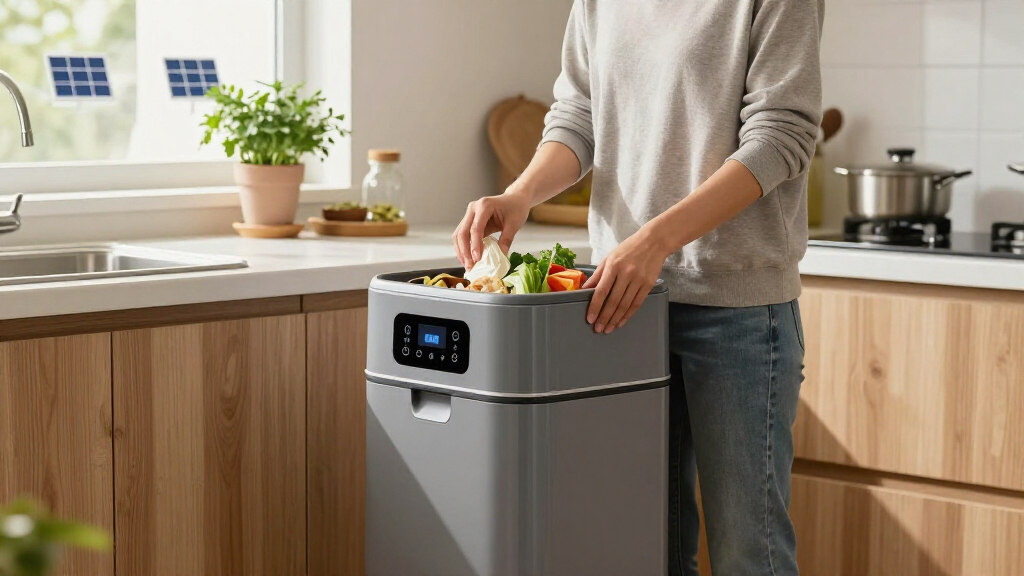
urban compost bin for recycling organic waste
As an affiliate, we earn on qualifying purchases.
As an affiliate, we earn on qualifying purchases.
Details on Total Volume and Future Expansion Plans
It is not yet clear what the exact volume of organic waste collected to date is, nor how many bins are currently operational. The long-term scalability and integration of the program with other waste management systems remain to be seen. Further details from city officials are expected but have not been publicly disclosed.
connected composting system for home use
As an affiliate, we earn on qualifying purchases.
As an affiliate, we earn on qualifying purchases.
Next Steps for Washington D.C.’s Composting Program
The city is likely to continue expanding its smart composting infrastructure, with plans potentially including increasing the number of bins, enhancing sensor technology, and integrating data analytics for better waste diversion. Officials may also aim to publish detailed performance metrics and set future collection targets. Monitoring community engagement and participation rates will be crucial to assessing long-term success.
automated compost bin with app control
As an affiliate, we earn on qualifying purchases.
As an affiliate, we earn on qualifying purchases.
Key Questions
How many smart composting bins are currently in use in Washington D.C.?
The exact number of operational smart composting bins has not been publicly confirmed, but the program has expanded significantly since its launch, with ongoing efforts to increase coverage across neighborhoods.
What is the significance of reaching this collection milestone?
This milestone indicates progress in urban composting efforts through smart technology, which could lead to increased waste diversion, reduced landfill use, and enhanced sustainability practices in the city.
Will this program expand to other cities?
While specific plans for expansion are not yet announced, the success of Washington D.C.’s initiative may serve as a model for other urban areas considering smart waste management solutions.
What challenges remain for the program’s long-term success?
Key challenges include maintaining resident participation, scaling infrastructure efficiently, and integrating the system into the broader waste management framework. Further data on performance and impact is needed.
How does this program contribute to climate goals?
By increasing composting rates and reducing organic waste sent to landfills, the program helps lower methane emissions and supports city efforts to meet climate and sustainability targets.
Source: local
Fall Picks
fall essentials
As an affiliate, we earn on qualifying purchases.