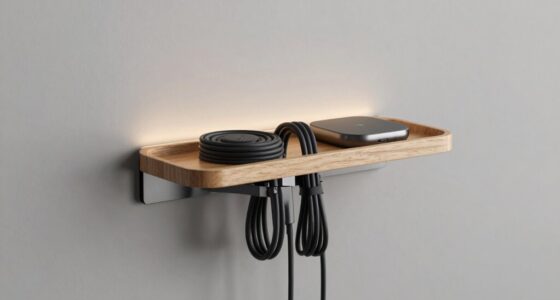
Before using heavy-duty extension cords indoors, you should check their ratings to guarantee they handle your device’s wattage safely. Avoid overstretching the cord or overstressing its capacity by daisy-chaining multiple cords. Keep the cord away from water, heat, or sharp objects, and inspect it regularly for damage. Proper storage and maintenance help keep it in good condition. If you keep these tips in mind, you’ll be better prepared—continue exploring to learn more about safe usage.

Get backup power and energy gear delivered free — and shop member deals
- Fast, free delivery on millions of items
- Access to Prime Big Deal Days deals on October 6–7
- Prime Video, Amazon Music and more included
Key Takeaways
- Ensure the cord’s rating matches the device’s wattage or amperage to prevent overloads.
- Use cords rated for indoor use, and avoid daisy-chaining multiple cords together.
- Regularly inspect for damage, fraying, or cuts, and replace damaged cords immediately.
- Keep cords uncoiled during use to prevent heat buildup and ensure safety.
- Store cords properly in a cool, dry place, loosely coiled without sharp bends or kinks.

When you need reliable power for heavy-duty indoor tasks, choosing the right extension cord is imperative. Heavy-duty cords are designed to handle high power loads, but using them improperly can lead to safety hazards. Before plugging in, it’s important to understand safety precautions. Always check the cord’s rating to guarantee it can handle the device’s wattage or amperage. Avoid overstretching the cord beyond its length specifications, as this can cause overheating or damage. Keep the cord away from water, heat sources, and sharp objects to prevent deterioration or electrical faults. Never force a damaged cord into use; replace it immediately to avoid shocks or fires. Additionally, make sure the cord’s insulation is intact with no signs of fraying or cuts. Proper safety measures also include avoiding daisy-chaining multiple extension cords together, which can overload the circuit and increase fire risk. Instead, use a single heavy-duty cord rated for the total power load. When in use, keep the cord uncoiled to prevent heat buildup and potential overheating. Regularly inspecting your cords for damage or wear is crucial for maintaining safety and performance. Ensuring a proper cord storage method can help prevent accidental damage and prolong the lifespan of your extension cords. Caring for your extension cords extends their lifespan and maintains safety. cord storage plays a key role here. When you’re finished using the cord, disconnect it properly and coil it without sharp bends or kinks. Store it in a cool, dry place away from direct sunlight, chemicals, or moisture. Proper cord storage prevents insulation damage and makes the cord easier to find and deploy next time. Avoid wrapping it tightly around objects or hooks, as this can damage internal wires over time. Instead, loosely coil the cord, following manufacturer instructions if available, to prevent unnecessary stress on the wiring. When storing, make sure the cord is not compressed under heavy objects or tangled with other equipment. Regular inspection and maintenance of your cords can help identify potential issues early and enhance safety. Proper cord maintenance and storage reduce the risk of electrical issues later on and guarantee they’re ready when needed. Using appropriate extension cords for indoor use can further enhance safety and performance.
heavy-duty indoor extension cord
As an affiliate, we earn on qualifying purchases.
As an affiliate, we earn on qualifying purchases.
Frequently Asked Questions
Can Heavy-Duty Extension Cords Be Used With All Indoor Appliances?
Heavy-duty extension cords aren’t suitable for all indoor appliances. You need to take into account appliance compatibility and cord insulation. Some appliances, especially sensitive electronics, require specific power levels or grounded cords, which heavy-duty cords may not provide. Additionally, verify the cord insulation is rated for indoor use to prevent overheating or damage. Always check the appliance’s power requirements and match them with the extension cord’s specifications for safe and effective use.
How Long Can a Heavy-Duty Extension Cord Safely Be Used Indoors?
Like a steady heartbeat, your cord length keeps power flowing safely indoors. For indoor safety, stick to a maximum of 25 feet with heavy-duty extension cords. Longer cords can cause voltage drops, risking appliance damage or fire hazards. Keep the rhythm steady by choosing the right length, ensuring your devices stay energized without compromising safety. Remember, shorter cords maintain a stronger, safer connection indoors.
Are There Safety Certifications to Look for on Heavy-Duty Extension Cords?
You should look for safety certifications like UL or ETL on heavy-duty extension cords. These certification standards guarantee the cord meets safety requirements, reducing the risk of electrical hazards. Check for clear safety labels indicating compliance, and avoid cords without proper markings. Choosing cords with recognized certifications gives you peace of mind, knowing they’re tested for durability and safety during indoor use.
What Are the Common Signs of a Damaged Heavy-Duty Extension Cord?
Ironically, your heavy-duty extension cord might seem fine until you notice signs of damage. Look for wear and tear, like frayed insulation or cracked cords, which clearly indicate trouble. Exposed wiring is a dead giveaway, risking electric shocks or fires. If you spot these signs, stop using it immediately. Damaged cords aren’t worth the risk—they compromise safety and can cause serious accidents. Replace them promptly for peace of mind.
Can Heavy-Duty Extension Cords Be Used With Sensitive Electronic Devices?
You can use heavy-duty extension cords with sensitive electronic devices, but you should be cautious. These cords can cause electromagnetic interference and voltage fluctuations, which may disrupt your devices or cause damage. To minimize risks, opt for cords designed specifically for electronics, use surge protectors, and avoid overloading the cord. Always monitor your devices for signs of instability or malfunction when connected to heavy-duty extension cords.
As an affiliate, we earn on qualifying purchases.
Conclusion
Think of heavy-duty extension cords like the backbone of your power needs—reliable but not invincible. I once watched a friend try to power an entire workshop with a single cord, only to realize too late that even the strongest can overheat. Just like a sturdy bridge, your extension cord must be used wisely to keep everything running smoothly and safely. When in doubt, always prioritize quality and proper use—your safety depends on it.
heavy-duty extension cord with safety features
As an affiliate, we earn on qualifying purchases.
As an affiliate, we earn on qualifying purchases.
heavy-duty extension cord storage reel
As an affiliate, we earn on qualifying purchases.
As an affiliate, we earn on qualifying purchases.
Halloween Picks
halloween
As an affiliate, we earn on qualifying purchases.