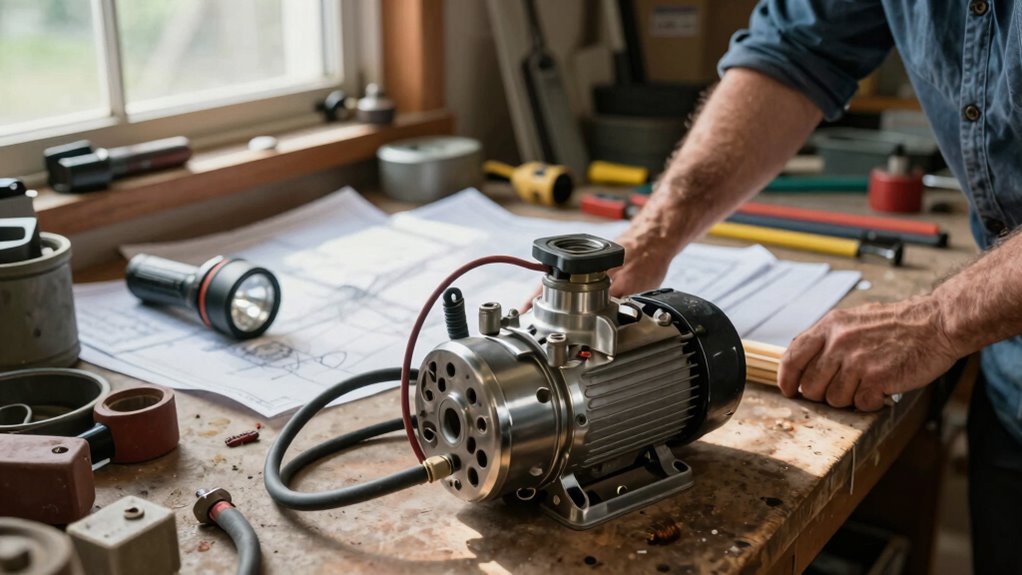

Many homeowners forget to plan for water storage, power backups, and proper system restart procedures during well pump outages. You should assess how crucial your well is, schedule repairs for low-demand seasons, and secure a backup water supply. Confirm your power sources and gather essential tools ahead of time. Don’t overlook informing your household about restrictions and safety steps. Keep these overlooked steps in mind, and you’ll be better prepared when an outage occurs. Learn more to stay fully ready.

Get backup power and energy gear delivered free — and shop member deals
- Fast, free delivery on millions of items
- Access to Prime Big Deal Days deals on October 6–7
- Prime Video, Amazon Music and more included
Key Takeaways
- Verify backup power sources like generators before starting repairs to ensure continuous water supply during outages.
- Store at least three days’ worth of clean water for drinking, cooking, and hygiene needs during pump outages.
- Communicate with household members about outage duration, water restrictions, and alternative water usage plans.
- Check and prepare all necessary tools, replacement parts, and water testing kits beforehand to avoid delays.
- Inspect electrical connections, clear debris, and monitor system pressure before restarting the well pump after power restoration.
Assessing Your Well System’s Importance Before Outages

Before scheduling a well pump outage, it’s essential to understand how crucial your well system is to your daily life. Your well system supplies water for drinking, cooking, cleaning, and irrigation, making it vital to evaluate its importance. Consider how often you use water and the role your well plays in maintaining your home’s comfort. Additionally, assess the aquifer recharge rate in your area, as this impacts how quickly your well can recover after usage or maintenance. If your well relies heavily on a slow recharge process, planned outages could cause long-term shortages. Knowing your well’s significance helps you plan outages carefully, minimizing disruptions and ensuring you’re prepared for any necessary repairs or maintenance. Familiarity with your well’s field‑of‑view and imaging‑scale can also inform you about its capacity and recharge characteristics, aiding in more accurate planning. Understanding your well’s recharge rate is especially important in areas with variable or limited aquifer replenishment, as it directly affects how soon your water supply can bounce back after outages. Being aware of the aquifer recharge rate and how it varies seasonally or due to environmental factors can help you avoid unexpected shortages. Additionally, consulting with a well specialist can provide insights into your specific system’s performance limits and optimal maintenance schedules. Recognizing the impact of seasonal changes on recharge rates can further refine your outage planning to prevent shortages during dry seasons or drought conditions.
Scheduling Repairs During Optimal Seasons
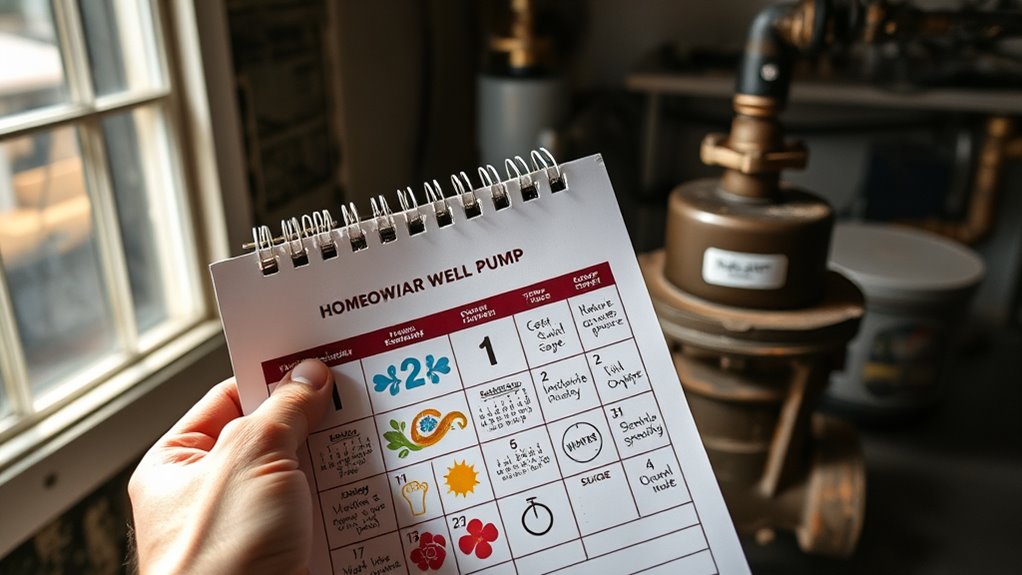
Scheduling repairs during the right seasons can considerably reduce the impact on your daily water needs. Planning for seasonal maintenance allows you to address potential issues when demand is typically lower, minimizing disruptions. The best time for repairs is during spring or fall, when water use tends to decrease and contractor availability increases. When selecting a contractor, prioritize those experienced in well systems and familiar with seasonal maintenance. A reliable contractor can advise you on ideal timing, ensuring repairs are completed efficiently and with minimal inconvenience. Additionally, understanding projected water demand patterns can help you better plan and avoid unexpected outages. Being aware of seasonal water usage trends can further assist in scheduling repairs at optimal times. Proper scheduling also involves considering weather conditions, which can impact both the repair process and the longevity of repairs made. It’s also beneficial to monitor local climate forecasts to avoid scheduling during adverse weather that could delay or complicate repairs. By choosing the right season, you also give yourself ample time to prepare for potential outages, reducing stress and avoiding emergency fixes. Proper scheduling aligns repairs with seasonal patterns, keeping your water system functioning smoothly year-round and leveraging smart maintenance strategies to optimize outcomes.
Communicating With Your Water Service Provider or Contractor
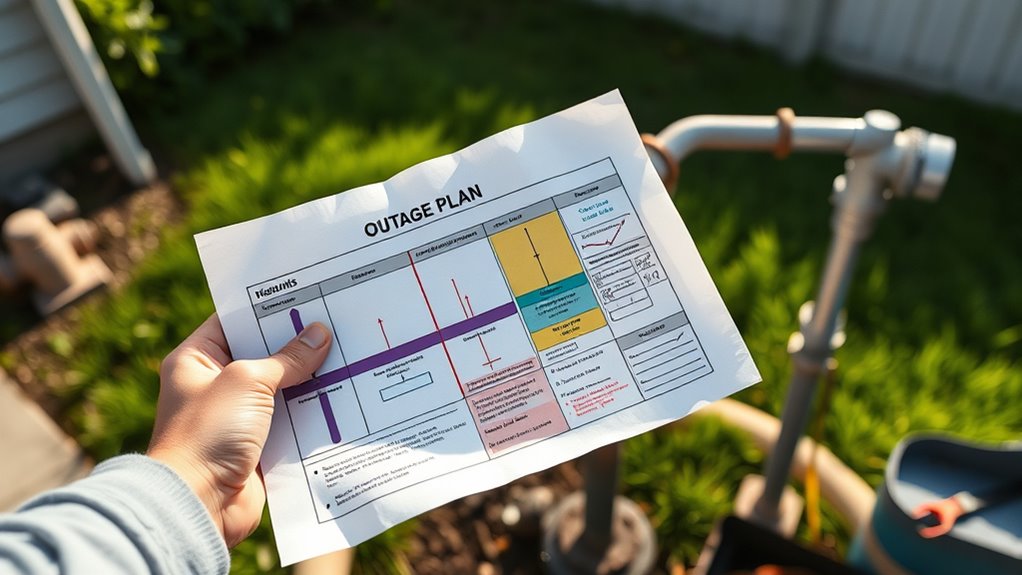
Effective communication with your water service provider or contractor is crucial to guarantee your well pump outage is handled smoothly. Clearly explain your concerns about water quality and any specific issues you’ve noticed. Ask about the contractor’s credentials to ensure they’re qualified and experienced. Keep all details about your well system accessible, so you can provide accurate information when needed. Confirm the scope of work, timeline, and any potential disruptions to your water supply. Don’t hesitate to ask questions or voice concerns—good communication prevents misunderstandings. Staying proactive ensures everyone is on the same page, reducing delays or surprises. Additionally, understanding vetted service providers can help you select reputable professionals for the job. Proper documentation and clear communication help prevent misunderstandings and ensure a smooth repair process. Being aware of ear wax odor and other unusual smells around your property can also help identify potential issues early, ensuring your water system remains safe and effective. For example, clear communication protocols can significantly improve coordination during the outage. Establishing a communication plan before work begins can further streamline the process and keep all parties informed. Ultimately, open dialogue helps protect your water quality and ensures the repair process aligns with your expectations.
Preparing a Backup Water Supply for Emergencies
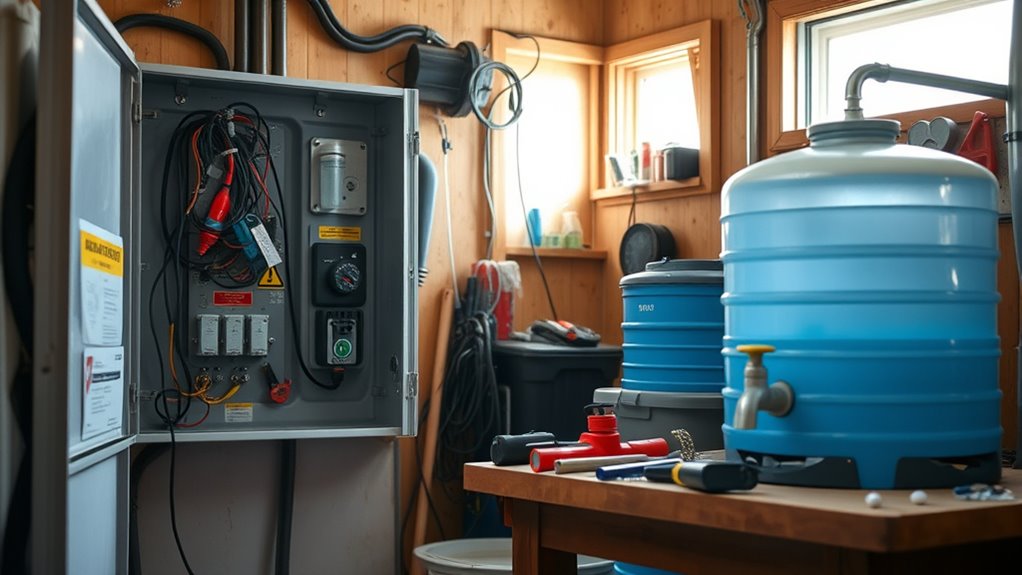
Since well pump outages can sometimes last longer than anticipated, having a backup water supply prepared is vital. Start by setting up emergency water storage—store enough clean water for at least three days for your household needs. Use large, food-grade containers that are easy to fill and label them clearly. Consider alternative water sources like nearby rivers, lakes, or community water supplies, but always guarantee water is properly treated before use. Keep a basic water filtration or purification system on hand to make untreated water safe. Regularly check your emergency water storage to guarantee it’s intact and hasn’t expired. Being proactive with your backup water supply minimizes disruption and keeps your household safe during unexpected well pump outages. Additionally, understanding the water quality factors can help you better assess the safety of alternative sources and ensure your household remains protected.
Understanding the Duration and Scope of the Outage
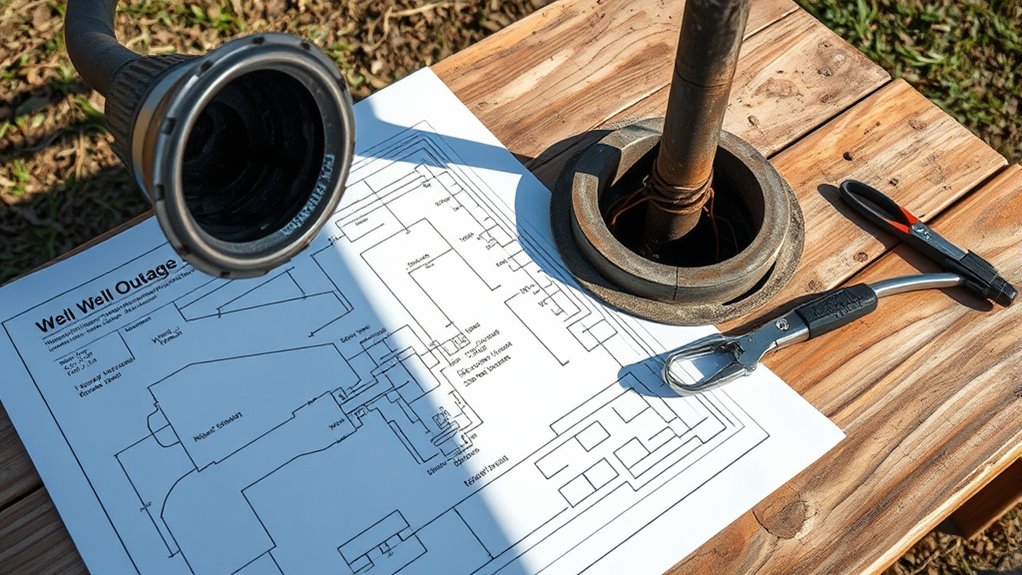
Understanding how long a well pump outage might last and what areas it will affect is essential for proper planning. The outage duration depends on factors like the well pump lifespan, which varies based on usage, maintenance, and equipment quality. Typically, repairs or replacements can take anywhere from a few hours to several days. During this time, you might lose water access in your entire household or specific zones, especially if your system includes multiple lines. Conducting a water quality analysis before and after the outage helps guarantee your water remains safe and clean once the pump is back online. Knowing these details allows you to prepare for the scope of the outage, minimizing inconvenience and ensuring you’re ready for unexpected delays or extended repairs. Additionally, understanding well pump lifespan can help you anticipate potential issues before they occur. Recognizing the average lifespan of well pumps enables proactive maintenance planning to prevent unexpected failures. Being aware of failure signs can also help you identify problems early and schedule repairs promptly.
Securing Necessary Permits and Documentation

Before starting any well pump repair or replacement, you need to secure the necessary permits and documentation required by local authorities. This guarantees your project complies with regulations and avoids future issues. Here’s what to focus on:
- Check permit requirements specific to your area, including any zoning or environmental regulations.
- Obtain the proper permits before beginning work to prevent delays or fines.
- Prepare documentation verification, such as proof of property ownership or previous maintenance records.
- Keep copies of all permits and related paperwork accessible during the project.
- Remember that understanding local regulations can help you navigate the permitting process more efficiently. Being aware of permit application procedures can also streamline your project timeline. Additionally, consulting with your local water authority can provide guidance on any specialized requirements for well pump projects. Recognizing the importance of home security measures during construction can also help protect your property from potential theft or vandalism. Staying informed about construction codes in your area can further ensure your project adheres to all safety standards.
Gathering Essential Tools and Supplies in Advance
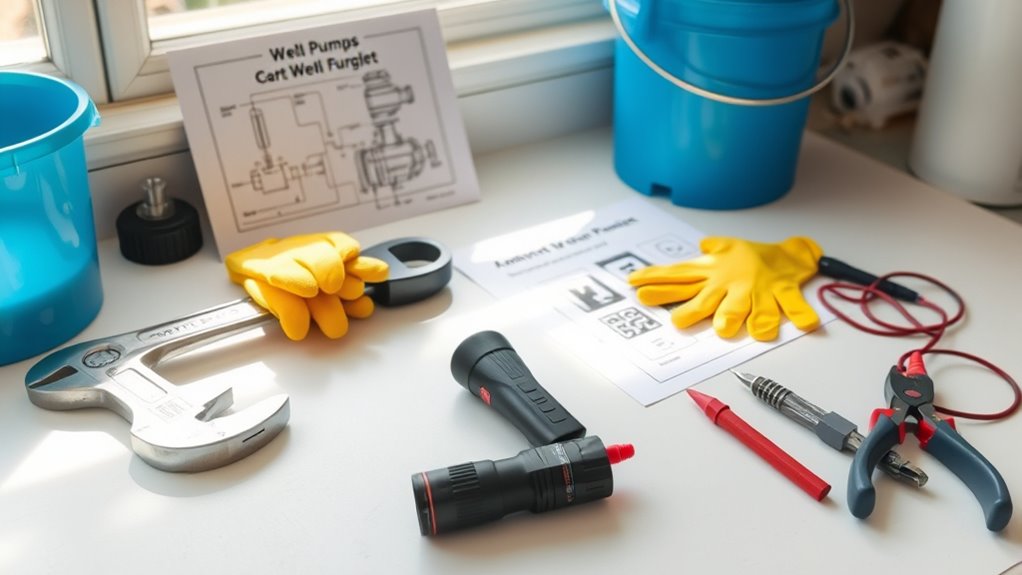
To guarantee your well pump outage goes smoothly, you need to gather all essential tools and supplies ahead of time. Check off your tool checklist to make sure you have everything from wrenches to replacement parts, and stockpile key items like lubricants and spare batteries. Being prepared minimizes delays and keeps the project on track, so start assembling your supplies now. Incorporating auditory processing awareness techniques can also help you stay organized and attentive throughout the process. Additionally, understanding hydrotherapy principles can aid in managing any physical discomfort that may arise during the project. Recognizing the importance of essential oils for relaxation and pain relief can further improve your experience during this task. Proper planning and tool organization can significantly reduce stress and prevent overlooked items.
Tool Checklist Essentials
Gathering the right tools and supplies ahead of time is essential for a smooth well pump outage. Proper tool preparation guarantees you can perform well pump maintenance effectively and conduct water quality testing when needed. Make sure you have these essentials on hand:
- Wrenches and pliers for disconnecting pipes and fittings
- A submersible pump or replacement parts for repairs
- Water testing kits to monitor water quality during and after maintenance
- A flashlight or headlamp for visibility in dark spaces
Having these items ready helps you avoid delays and frustrations. It also allows you to focus on maintaining your system, ensuring safe water quality and efficient repairs. Being prepared minimizes downtime and keeps your well system functioning smoothly.
Supply Stockpile Tips
Are you prepared with all the necessary tools and supplies before starting your well pump outage? Having a well-stocked supply of essentials guarantees you won’t face delays or emergencies. Start by gathering spare parts for your well pump, such as replacement hoses, seals, and wiring. Make sure you have enough water storage—like clean containers or a backup tank—to meet your household needs during the outage. Keep a supply of clean drinking water on hand, especially if your well supplies your primary water source. Additionally, include tools like wrenches, pliers, and a bucket for maintenance tasks. Proper planning with these supplies minimizes frustration and keeps your water flow steady, even during pump repairs or replacement. Preparing in advance is key to a smooth outage process.
Informing Household Members and Planning for Water Usage
When planning for a well pump outage, notifying everyone in the household about the temporary water restrictions is vital. Clear communication helps prevent surprises and guarantees everyone adjusts their water usage accordingly. Here are four key steps to contemplate:
Notifying household members about water restrictions ensures smooth adjustments during a well pump outage.
- Explain that well water will be unavailable during the outage, affecting all plumbing fixtures.
- Set specific guidelines for water use, like limiting showers and using water-efficient appliances.
- Designate a water storage area for essential needs, such as drinking and cooking.
- Encourage household members to plan ahead for personal hygiene and cleaning routines.
Planning for Power Outages During Pump Repairs

Since well pump repairs often require shutting off power, it’s essential to plan for potential power outages during the process. Power outages can disrupt your well water supply and complicate pump maintenance. Before starting repairs, check if your well system has a backup power source, like a generator, to keep the water flowing. If not, consider renting or purchasing one to avoid water shortages. Inform your household about the outage duration and prepare accordingly. Store enough well water for essential needs during the repair period. Also, unplug sensitive appliances and avoid using the pump until power is restored and the system is checked. Proper planning ensures your well water remains available and prevents unnecessary inconvenience during pump maintenance.
Post-Outage Inspection and System Restart Procedures
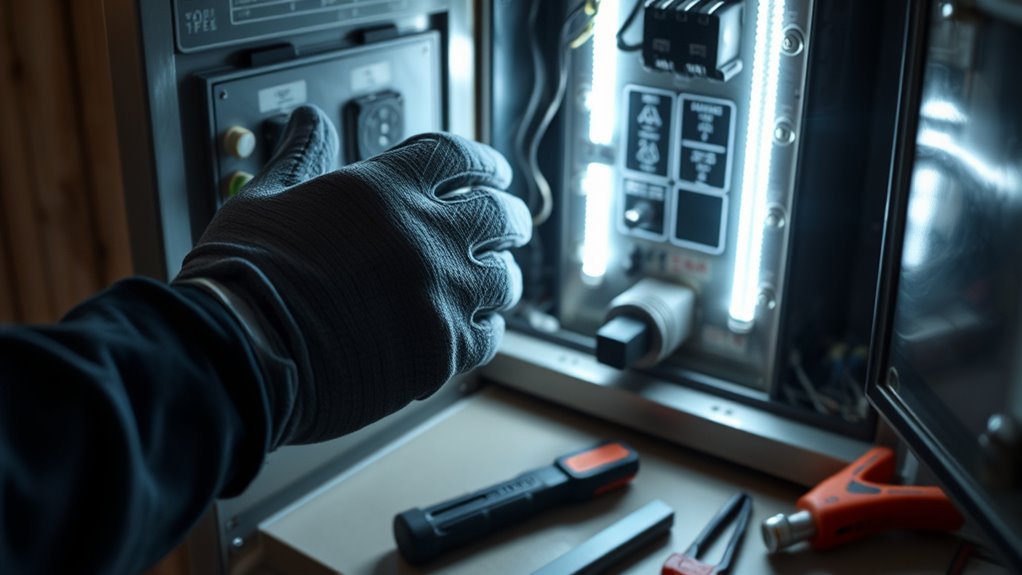
After the power has been restored, it is crucial to perform a thorough inspection of your well system before restarting the pump. This guarantees everything is in proper working order and prevents damage. Follow these system restart procedures:
- Check for visible leaks or damage around the well pump and piping.
- Perform a well pump inspection to verify proper electrical connections and operation.
- Clear any debris or obstructions from the well cap and surrounding area.
- Gradually restore power, then listen for unusual noises and monitor pressure gauges.
Frequently Asked Questions
How Often Should I Schedule Well Pump Inspections to Prevent Outages?
You should schedule well pump inspections at least once a year to prevent outages. Regular well water testing helps identify issues early, ensuring your water stays safe and clean. Monitoring your pump’s lifespan through inspections allows you to catch wear and tear before failure. Consistent maintenance keeps your pump running smoothly, reducing the risk of unexpected outages and costly repairs, so stay proactive and schedule your annual check-up.
What Are the Signs Indicating My Well System Needs Urgent Maintenance?
If your well system alerts you with unusual noises, low water pressure, or discolored water, it’s time for urgent maintenance. You should check your maintenance checklist for signs like inconsistent flow or strange smells. Don’t ignore these indicators, as they can signal a failing pump or other issues. Addressing these promptly helps prevent costly repairs and keeps your water supply safe and reliable.
Can I Perform Well Pump Repairs Myself, or Should I Hire a Professional?
You can attempt DIY repairs if you have experience and the right tools, but for complex issues, hiring professionals is the safest choice. DIY repairs might save money and time, but they also risk causing further damage if you’re not skilled. When in doubt, it’s best to hire professionals who can guarantee proper repair, prevent future problems, and keep your well system running smoothly and safely.
How Can I Estimate the Total Cost of a Well Pump Outage and Repairs?
To estimate the total cost of a well pump outage and repairs, start with cost estimation by researching prices for parts, labor, and any necessary permits. Consider repair budgeting by adding a buffer for unexpected expenses. Contact local professionals for quotes, and include potential costs for temporary water solutions if needed. Keeping track of these details helps you plan financially and avoid surprises during the repair process.
What Are Alternative Water Sources if My Backup Supply Runs Out?
Did you know over 60% of households rely on backup sources during outages? If your well runs dry, consider rainwater harvesting as a sustainable alternative, capturing rain for household use. Bottled water options are also quick fixes, but they can be costly and less eco-friendly. It’s smart to have both options ready, so you’re prepared to access safe water without interruption during a well pump outage.
Conclusion
Think of your well pump like a lifeline—when it’s down, everything pauses. I once neglected proper planning and found myself scrambling for water during a holiday weekend outage. Proper prep isn’t just a chore; it’s your safety net, ensuring smooth repairs and avoiding surprises. By staying ahead and following these steps, you keep your household flowing like a well-oiled machine, ready to handle any outage without missing a beat.
Fall Picks
fall essentials
As an affiliate, we earn on qualifying purchases.