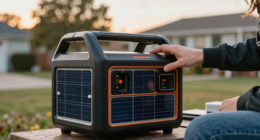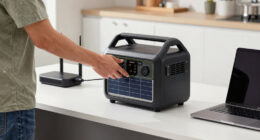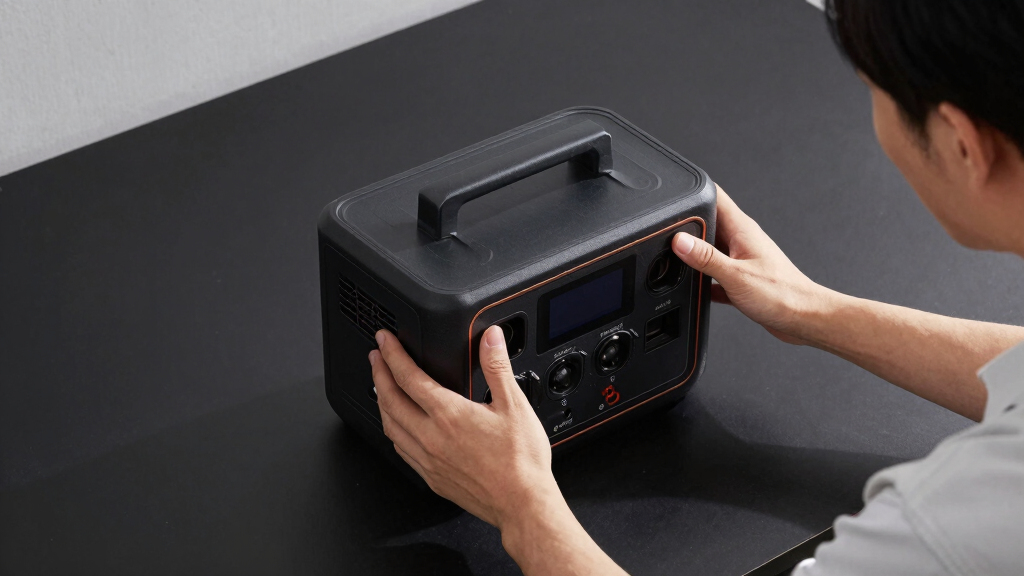

When selecting the best portable power station for home essentials, the key factors are capacity, reliability, and versatility. The Jackery Explorer 1000 v2 stands out for its robust 1070Wh capacity and fast charging, making it ideal for emergency backup. The Jackery HomePower 3000 offers higher power and longer run times for more demanding needs, while the Anker SOLIX C1000 provides a balance of power and portability. The main tradeoffs involve size, weight, and price—larger units deliver more power but are less portable, and budget options might lack the capacity or outlets needed for serious home use. Continue reading for a detailed breakdown of these options to find the best fit for your needs.
Key Takeaways
- Capacity and power output are the primary factors for running essential home devices reliably.
- LFP (LiFePO4) batteries provide longer cycle life and safer operation, favored in high-capacity models.
- Fast charging and solar compatibility can significantly reduce downtime, especially during prolonged outages.
- Portability varies greatly; larger units deliver more power but are heavier and less convenient to move.
- Price often reflects capacity, build quality, and included features—balancing these is key for long-term value.


More Details on Our Top Picks
Jackery Explorer 1000 v2 Portable Power Station, 1070Wh LiFePO4 Battery, 1500W AC/100W USB-C, Fast 1-Hour Charge, Solar Generator for Camping, Emergency, RV, Off-Grid
The Jackery Explorer 1000 v2 stands out for combining high capacity with rapid charging, making it suitable for a wide range of home essentials. Compared with the Jackery HomePower 3000, it offers a more portable form factor, but with less overall power—ideal for those who need reliable backup without bulk. Its 1070Wh LiFePO4 battery supports multiple devices simultaneously, yet the higher price and need for compatible solar panels mean it’s geared towards users who value flexibility and quick recharge times. The 1500W output handles most essential appliances, but it may fall short if someone needs to run larger power tools or multiple heavy-duty devices at once.
Pros:- Powerful 1500W output supports most household essentials
- Fast 1-hour recharge with advanced technology
- Lightweight and portable with foldable handle
Cons:- Requires compatible Jackery solar panels for solar charging
- Higher cost relative to smaller or less capable models
Best for: Small households or individuals seeking portable, fast-charging backup for critical home devices or outdoor adventures.
Not ideal for: Homes with high power demand or those needing extended backup of multiple large appliances, due to limited capacity compared to larger generators.
- Wattage:1500 watts
- Battery Capacity:1070Wh
- Output Wattage:1500 Watts
- Charging Time:1 hour
- Ports:7
- Weight:22 pounds
Bottom line: This pick is best for users who need a portable, quick-charging power station capable of handling essential devices during outages or outdoor activities.
Jackery HomePower 3000 Portable Power Station, 3600W (Surge 7200W), 3072Wh LFP Battery Solar Generator, Home Backup, RV, Emergencies
The Jackery HomePower 3000 offers an impressive 3072Wh capacity and 3600W continuous power, making it the top choice for protecting larger home essentials during outages. Compared with the Explorer 1000 v2, it’s significantly bulkier and heavier but provides much more power, ideal for whole-home backup or heavy-duty RV use. Its seamless UPS switching ensures no interruption for critical devices, while rapid charging and a long cycle life make it a dependable long-term option. The main tradeoff is its size and higher price, which may be less appealing for those seeking portability. This model is best suited for users who prioritize power capacity over portability.
Pros:- High continuous power (3600W) supports multiple appliances
- Large 3072Wh capacity for extended backup
- Seamless UPS switching ensures uninterrupted power
Cons:- Bulkier and heavier than portable models like Explorer 300
- Higher price point may be a barrier for some buyers
- Requires solar panels for optimal solar charging setup
Best for: Homeowners needing reliable backup power for multiple appliances and essential systems during outages or off-grid living.
Not ideal for: Individuals who require a lightweight, portable solution for outdoor activities or minimal use, due to its weight and bulk.
- Wattage:3600 watts
- Capacity:3072Wh
- Surge Wattage:7200W
- Charging Time:1.7 hours
- Ports:Multiple including AC, USB-C, USB-A, DC
- Weight:68 pounds
Bottom line: This generator is perfect for users seeking a robust, whole-home backup solution with long-lasting power capacity.
HOWEASY Portable Power Station, 120W (240W Peak), 88Wh Solar Generator with Multiple Outlets for Camping and Emergency
The HOWEASY Portable Power Station shines as an ultra-lightweight solution with just 88Wh capacity, making it perfect for outdoor adventures and emergency kits. Compared with the Jackery Explorer 300, it offers a slightly lower wattage but excels in portability, fitting easily into a backpack. Its multiple output ports, including AC, USB, and DC, allow for versatile device charging, but its limited capacity means it’s best suited for small electronics or short-term power needs. The absence of solar panels complicates green energy use, but the device’s compact size makes it a convenient backup for quick, essential charging.
Pros:- Extremely lightweight and compact design
- Multiple output ports for various devices
- Supports three recharging options
Cons:- Solar panel not included, increasing total cost
- Limited battery capacity restricts high-power or extended use
Best for: Campers, hikers, or emergency preppers who need a small, portable power source for basic electronics.
Not ideal for: Users looking to power larger devices or needing longer-lasting backup, due to its limited capacity.
- Wattage:120W
- Battery Capacity:88Wh
- Peak Wattage:240W
- Ports:8 including AC, USB-C, QC USB
- Weight:2.3 pounds
- Cycle Life:>1500 times
Bottom line: This is an excellent choice for those who prioritize portability and quick emergency power for small devices.
Jackery Explorer 300 Portable Power Station, 293Wh Lithium Battery, Solar Generator for Camping and Outdoors
The Jackery Explorer 300 combines portability with sufficient power for outdoor camping and emergency needs. Its 293Wh capacity supports essential small appliances and devices, making it a strong choice for outdoor enthusiasts. Compared with the HOWEASY model, it offers a slightly larger capacity and more established brand reliability, but at a small increase in weight. Its 300W output is suitable for most portable electronics but won’t handle larger appliances. The quick charging feature and solar compatibility make it appealing for green outdoor setups, though its capacity limits its use for prolonged power needs.
Pros:- Lightweight at just over 7 pounds
- Fast recharge (80% in 2 hours)
- Multiple ports including USB-C and AC outlets
Cons:- Solar panel sold separately, adding to overall cost
- Limited wattage restricts use to small devices
Best for: Campers and outdoor adventurers needing a reliable, portable power source for small devices and electronics.
Not ideal for: Users aiming to backup or power larger appliances at home or during extended outages, due to limited capacity.
- Battery Capacity:293Wh
- Weight:7.1 pounds
- Output Power:300W
- Input Charging Time:2 hours
- Ports:Multiple including USB-C and AC
- Voltage:120V
Bottom line: This is a practical, portable option for outdoor and emergency use, especially for small electronics.
Anker Portable Power Station SOLIX C300, 288Wh LiFePO4 Battery, 300W (600W Surge) Solar Generator with Fast Charging
The Anker SOLIX C300 stands out for its combination of portability and reliable power output, making it ideal for home essentials like small appliances and electronics. Compared to larger units like the Anker SOLIX C1000, it offers significantly less capacity but excels in lightweight, everyday use scenarios with quick recharging and a durable LiFePO4 battery. Its multiple versatile ports and fast recharge (80% in 50 minutes) provide a seamless experience for daily needs. However, its limited capacity and compatibility issues with certain solar panels can be drawbacks for users seeking off-grid or emergency backup for larger appliances. This pick is perfect for those who prioritize portability and fast recharge in a compact form.
Pros:- Compact and lightweight design for portability
- Multiple versatile charging options
- Fast recharge capability in 50 minutes
- Long-lasting LiFePO4 battery with 3,000 cycles
Cons:- Limited capacity may not support larger appliances
- Compatibility issues with some solar panels
Best for: Homeowners who need a portable, quick-recharge power station for essential appliances and electronics during outages or outdoor activities.
Not ideal for: Users wanting to run high-wattage appliances or larger backup systems, as the capacity and power output are limited.
- Battery Capacity:288Wh
- Battery Type:LiFePO4
- Continuous Power:300W
- Surge Power:600W
- Charging Ports:3x AC outlets, 1x car socket, 2x USB-C, 1x USB-A
- Fast Charging:Yes, 140W two-way USB-C
- Recharging Options:Wall outlet, solar panel, car
- Weight:Not specified
Bottom line: This is best suited for users seeking reliable, portable power for home essentials and outdoor use without the need for high capacity.
VTOMAN Jump 600X Portable Power Station 600W, 299Wh Solar Generator with Car Jump Start
The VTOMAN Jump 600X combines a powerful portable power station with a built-in car jump starter, making it uniquely versatile for outdoor emergencies and extended trips. Its 299Wh capacity is comparable to the Anker SOLIX C300, but with the added benefit of jump-starting vehicle batteries—a crucial feature for outdoor enthusiasts. The device supports fast recharging via wall, car, or solar, and can be expanded with additional batteries, providing flexibility for longer use. Nonetheless, its weight (~15 lbs) and the need to purchase jump cables separately may deter those seeking ultra-light portability or simplicity. It makes sense for users who want a dual-function device for camping, off-grid living, or emergency vehicle maintenance.
Pros:- Includes a built-in car jump starter
- Expandable capacity with extra batteries
- Supports multiple charging options, including solar
- Supports fast recharging in about 3 hours
Cons:- Jump cables sold separately
- Relatively heavy for frequent carrying
- Extra batteries sold separately
Best for: Outdoor enthusiasts, RV travelers, or those who want an emergency jump-start capability alongside portable power.
Not ideal for: Individuals primarily seeking a lightweight, high-capacity home backup system with no need for vehicle jump-start features.
- Capacity:299Wh (expandable to 939Wh)
- Power Output:600W continuous, 1200W surge
- AC Outlets:2 x 110V/600W
- USB Ports:3 x USB-A, 1 x USB-C (60W)
- Battery Type:LiFePO4
- Full Cycle Life:3,000 cycles
- Recharge Time:3 hours via wall or car
- Weight:Approximately 15 lbs
Bottom line: This device is ideal for users who need both portable power and vehicle emergency support in one rugged package.
Anker SOLIX C1000 Gen 2 Portable Power Station, 2000W (Peak 3000W), 1024Wh LiFePO4 Battery, Solar Generator
The Anker SOLIX C1000 Gen 2 offers a substantial 1024Wh capacity paired with a high power output of 2000W continuous, making it a strong choice for home backup or off-grid living. Its rapid 49-minute recharge time surpasses many competitors like the Anker SOLIX C300, and its multiple output ports support a wide range of devices. Compared to smaller models, it is less portable but excels in providing sustained power for larger appliances or multiple devices simultaneously. The main tradeoff is its high price and reliance on solar or AC recharging, which limits flexibility if solar isn’t available. It’s best for those who require high capacity and can accommodate a larger, heavier unit, especially for emergency home backup or extended off-grid use.
Pros:- Fast recharge in just 49 minutes
- High capacity with 1024Wh LiFePO4 battery
- Multiple device outputs for versatility
- Supports solar recharging
Cons:- High cost compared to smaller units
- Limited to solar and AC recharging options
Best for: Homeowners seeking reliable, high-capacity backup power capable of running multiple appliances during outages or off-grid situations.
Not ideal for: Individuals needing a lightweight, budget-friendly solution or those with limited space for larger units.
- Wattage:2000W
- Peak Wattage:3000W
- Battery Capacity:1024Wh
- Recharging Time:49 minutes
- Solar Recharging Time:1.8 hours
- Output Ports:10
- Material:Metals, Plastics, LiFePO4
- Warranty:30-Day Return Guarantee
Bottom line: This is best suited for users with significant power needs and space for a high-capacity, fast-recharging backup station.
Portable Power Station with AC Outlet, 99.9Wh Lithium Battery, 60W Type-C, Emergency Backup, Black
The Portable Power Station with AC Outlet offers a highly portable solution with a 99.9Wh capacity, ideal for quick, emergency power or small device charging. Its compact size and lightweight build make it perfect for travel, camping, or as a home emergency backup for essential electronics. Unlike larger units such as the Anker SOLIX C300, its limited 120W maximum output restricts use to small appliances and gadgets. The inclusion of multiple Type-C ports and a built-in fast-charging cable enhances convenience, but the modest capacity means it won’t sustain larger devices or long-term use. This makes it a good choice for minimalists or those prioritizing portability over capacity.
Pros:- High-capacity 99.9Wh battery for extended use
- Multiple versatile output ports including fast-charging USB-C
- Compact, lightweight design for portability
- Built-in fast charging cable for convenience
Cons:- Limited to 120W maximum output
- Battery capacity may not support long-term use for multiple devices
Best for: Travelers and emergency kit owners who need a compact, reliable power source for small devices and quick recharges.
Not ideal for: People looking to power high-wattage appliances or for extended off-grid use, as capacity and output are limited.
- Battery Capacity:99.9Wh
- Output Ports:1 AC, 2 Type-C PD 60W, 2 USB-C 15W, 1 DC 9-12V/10A
- AC Power:120V, 120W (max)
- Dimensions:6.5 x 3.2 x 1.9 inches
- Weight:1.65 lbs
- Battery Type:LiCoO2
Bottom line: This is ideal for users needing a portable, quick-charging backup for small devices and emergency scenarios.
Portable Solar Generator 300W with 60W Foldable Solar Panel and Multiple Outlets
The Portable Solar Generator 300W with a 60W foldable solar panel offers a complete package for outdoor use, camping, and emergency power. Its 280Wh capacity supports multiple devices simultaneously, with features like 2 AC outlets, USB ports, and protection mechanisms for safe operation. Compared to smaller units like the Portable Power Station with AC Outlet, it provides higher wattage and renewable charging options. The foldable solar panel adds a renewable energy advantage, but performance depends heavily on sunlight, and it cannot support high-power appliances over 300W. This makes it well-suited for outdoor enthusiasts who prioritize sustainable power and portability in moderate power scenarios.
Pros:- Powerful 300W capacity for multiple devices
- Includes a 60W foldable solar panel for renewable charging
- Multiple outlets and USB ports for versatility
- Built-in SOS flashlight and safety features
Cons:- Performance declines in low light or cloudy conditions
- Not suitable for devices over 300W
Best for: Campers, hikers, and outdoor lovers who want solar-powered charging for multiple devices in remote locations.
Not ideal for: Users needing to run high-wattage appliances or for extended off-grid power without consistent sunlight.
- Wattage:300 watts
- Battery Capacity:280Wh
- Solar Panel:60W foldable monocrystalline
- Output Voltage:120V AC
- Outlets:2x 300W AC, 1x DC, 3x USB
- Protection Features:Short circuit, over-current, over-voltage, overload, overheating
- Weight:Not specified
- Included Accessories:AC adapter, cigarette lighter, solar panel kit
Bottom line: This generator is ideal for outdoor users seeking a portable, solar-rechargeable power source for moderate device needs, especially in daylight.

How We Picked
These products were evaluated based on their capacity, output options, recharge speed, build quality, and versatility. Priority was given to models that can reliably power essential home devices such as refrigerators, lights, and phones during outages. We also considered ease of use, portability, and value for the price. The ranking reflects what offers the best combination of power, reliability, and affordability for home backup scenarios. Units with higher wattage and longer-lasting batteries ranked higher, provided they maintain good portability and safety standards.Factors to Consider When Choosing Best Portable Power Station For Home Essentials
Choosing the best portable power station for home essentials requires balancing capacity, portability, and features. It’s important to consider what devices you need to power and how long you want them to run. Beyond specs, factors like recharging options, build quality, and user interface impact the overall experience. Understanding these elements can prevent costly mistakes and ensure your investment meets your needs during emergencies or off-grid situations.Capacity and Power Output
The core consideration is how much power you need to keep your essential devices running. Look for a unit with at least 300Wh for basic needs, but larger capacities like 1000Wh or more are better for powering refrigerators, lights, and multiple devices simultaneously. Pay attention to the continuous watts and surge watts, ensuring they match or exceed your device requirements. Overestimating capacity can lead to unnecessary expense, while underestimating can leave you unpowered during critical moments.
Rechargeability and Solar Compatibility
Fast recharging options, such as AC wall charging or car adapters, reduce downtime, especially during prolonged outages. Solar panel compatibility adds an eco-friendly, off-grid dimension, enabling you to replenish power without grid access. When choosing a power station, verify its input wattage and whether it supports standard solar panels, as this can extend its usefulness significantly. Keep in mind that solar charging is weather-dependent and slower, so it’s best combined with other recharging methods for reliability.
Portability and Size
The weight and size of the unit directly influence how easily it can be moved around your home or taken on outdoor trips. Larger, high-capacity models like the Jackery Explorer 1000 are heavier but offer more power, making them less suitable for frequent moving. Compact units are easier to handle but may lack the capacity for continuous home use. Determine your mobility needs upfront to avoid choosing a unit that’s either too bulky or underpowered for your intended use.
Build Quality and Safety Features
Durability and safety are often overlooked but are crucial for long-term use. Look for models with high-quality batteries like LiFePO4, which offer longer cycle life and better thermal stability. Safety features such as overcharge protection, short-circuit prevention, and temperature regulation protect both the device and your household. Investing in a well-built unit can prevent failures during critical moments and prolong the device’s lifespan.
Price and Value
Higher capacity units with advanced features come with increased costs, but they often provide better long-term value by offering more reliable backup power. Cheaper models might save money initially but can fall short during extended outages or heavy use. Consider your typical power needs and how often you’ll rely on the device to find the sweet spot between affordability and capability—sometimes paying a bit more ensures peace of mind and durability over time.
Frequently Asked Questions
Can I power my refrigerator with a portable power station?
powering a refrigerator depends on its wattage and the power station’s output. Many small to medium-sized units can handle refrigerators with lower startup wattages, but larger or older models may require a unit with higher surge capacity and continuous wattage. For reliable operation, check your refrigerator’s specifications and match them with the power station’s continuous and surge ratings. In some cases, using a pure sine wave inverter is necessary to prevent damage to sensitive electronics.
How long can a portable power station run essential devices during an outage?
The runtime depends on the capacity of the station and the power draw of your devices. For example, a 1000Wh unit powering a 50W device could run for approximately 20 hours, minus some inefficiencies. Always calculate total wattage and consider surge requirements. For longer outages, having a higher-capacity unit or multiple units can provide peace of mind. Keep in mind that batteries drain faster when powering devices with high startup wattages, like refrigerators or power tools.
Is a solar-compatible power station worth the extra cost?
Solar compatibility offers the advantage of recharging without grid power, ideal for off-grid living or emergency preparedness. While solar panels do add initial expense, they can significantly reduce ongoing operational costs and extend the station’s usability. Keep in mind that solar charging is weather-dependent and slower than AC charging, so it’s best as a supplemental option rather than your primary power source. For those planning long-term off-grid use, investing in solar-compatible units can be a smart choice.
What safety features should I look for in a portable power station?
Safety features such as overcharge and over-discharge protection, short-circuit prevention, and thermal management are essential. These systems help prevent damage to the battery and ensure safe operation during extended use or in adverse conditions. Units with high-quality batteries like LiFePO4 tend to be safer and longer-lasting. Always check for certifications or safety standards compliance, especially if you’ll be using the station regularly or in critical situations.
How do I choose the right capacity for my home essentials?
Selecting the appropriate capacity involves listing your essential devices and their wattages, then calculating total power needs. For basic essentials like phones, small lights, and a Wi-Fi router, a smaller unit around 300Wh may suffice. For refrigerators, medical devices, or multiple appliances, look for units in the 1000Wh range or higher. It’s wise to choose a slightly larger capacity than your current needs to accommodate future devices or unexpected power demands, ensuring reliable backup power during outages.
Conclusion
The best overall choice for most users is the Jackery Explorer 1000 v2, balancing capacity, portability, and reliability. For those prioritizing value, the HOWEASY Portable Power Station offers solid features at a lower price point. The Jackery HomePower 3000 makes sense for users with higher power demands or longer outages, while beginners will appreciate the simplicity of smaller units like the Portable Power Station with AC Outlet. If capacity and long-term backup are your main concerns, investing in a premium model like the Anker SOLIX C1000 provides peace of mind with advanced features and durability. Tailor your choice to your specific needs, usage frequency, and budget to stay powered when it matters most.