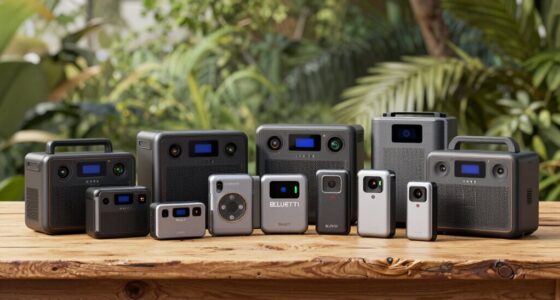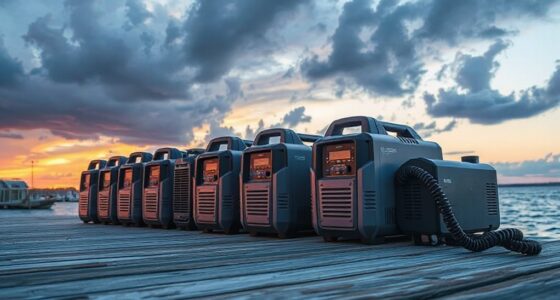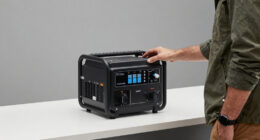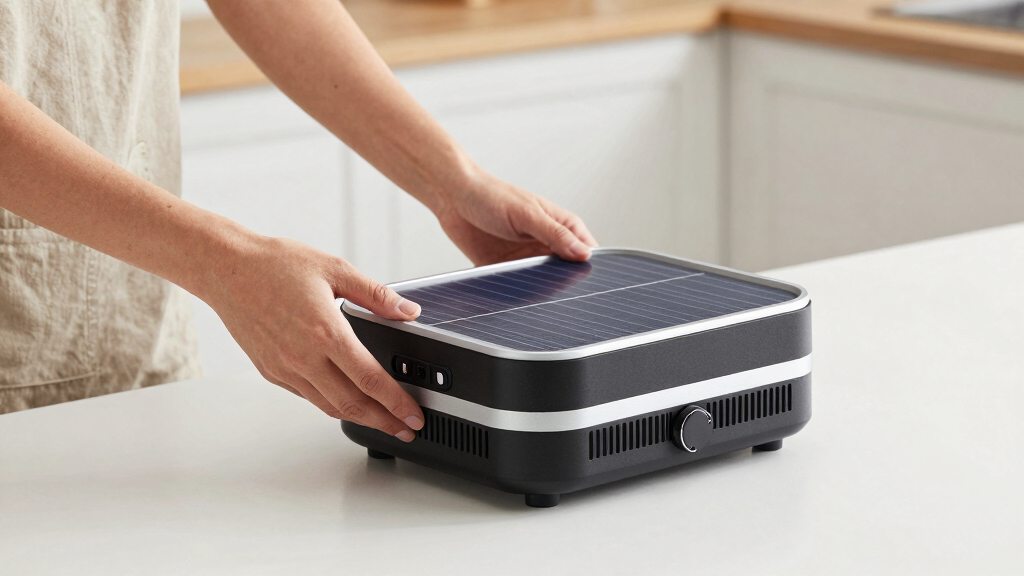

Finding the best solar generator for apartment living involves balancing size, power, and ease of use. The OSCAL PowerMax 6000 stands out for its high capacity, perfect for longer outages or multiple devices, while the Jackery Solar Generator 1000 V2 offers a portable yet powerful option ideal for small spaces. However, space constraints and limited outlet options often mean compromises between size and capacity. This guide breaks down the top choices, highlighting their strengths and tradeoffs to help you pick the best fit for your apartment’s needs. Continue reading for a detailed comparison that covers everything from usability to value.
Key Takeaways
- Most top models balance portability with sufficient power, but larger capacity often means increased size and weight.
- High-capacity units like the OSCAL PowerMax excel in backup power but may be less convenient for small apartments due to their size.
- Fast charging and expandability are common features among premium options, but come with higher price tags.
- Solar panel compatibility varies, with portable panels offering flexibility but often at a lower wattage.
- Budget-friendly options can handle basic needs but may lack features like app control or fast recharge times.


More Details on Our Top Picks
OSCAL PowerMax 6000 Solar Generator with 3×400W Solar Panels
The OSCAL PowerMax 6000 stands out for its impressive 3600Wh capacity and 6000W continuous power, making it suitable for handling multiple appliances during outages or outdoor use. Compared to the Jackery HomePower 3000, it offers a significantly larger energy reserve, though at the cost of likely increased weight and size, which are not specified but may impact portability. Its fast charging via both AC and solar inputs reduces downtime, and the LiFePO4 battery promises over 3500 cycles for long-term reliability. The uninterruptible power supply feature ensures seamless transitions during outages, ideal for home backup. However, the product’s bulk and weight are potential downsides, and the price is unclear, possibly making it less accessible for budget-conscious buyers. This model is best for those needing substantial power capacity and durability, willing to handle a heavier unit.Pros:- Large 3600Wh LiFePO4 battery with long lifespan
- Fast charging via AC and solar inputs
- Uninterruptible power supply with quick switch-over
- Remote control and monitoring via smartphone app
Cons:- Weight and dimensions not specified, potential bulkiness
- Price and cost details are not provided, possibly expensive
Best for: Homeowners seeking reliable, high-capacity backup power in emergencies or for outdoor use
Not ideal for: Apartment dwellers with limited storage space or those prioritizing portability over capacity
- Capacity:3600Wh
- Continuous Power:6000W
- Peak Power:9000W
- AC Outlets:4
- Input Charging Power:2200W (AC), 2400W (Solar)
- Battery Type:LiFePO4
- Charge Cycles:up to 3500
- Included Panels:3×400W solar panels
Bottom line: This pick makes the most sense for those who need a powerful, long-lasting backup with minimal concern for size or portability.
Jackery Solar Generator 1000 V2 with 200W Solar Panel
The Jackery Solar Generator 1000 V2 is a compact, lightweight power station with a 1070Wh LiFePO4 battery, perfect for outdoor camping or emergency situations. It offers a 1500W continuous AC output, which comfortably powers small to medium appliances, and its fast charging in just 1 hour makes it highly convenient. Compared to the larger OSCAL PowerMax 6000, it’s much easier to carry and setup, but its limited capacity restricts its use to smaller devices or short-term backup. The inclusion of multiple ports, including USB-C and USB-A, enhances versatility, though the need to enable emergency charging mode adds a small setup step. It’s shipped without solar panels, so additional purchase is necessary for solar recharging, which could be a downside for those seeking an all-in-one solution. This option is best for outdoor enthusiasts or apartment dwellers needing a portable, reliable backup for essential devices.Pros:- Lightweight and portable at just 23.8 lbs
- Fast charging in 1 hour
- Versatile port options including USB-C and AC
- Compatible with solar panels for eco-friendly recharging
Cons:- Solar panel shipped separately, additional cost
- Limited to 300W output, not suitable for high-power appliances
- Requires enabling emergency mode for fast charge
Best for: Outdoor lovers and apartment dwellers needing a portable, easy-to-carry power source for small appliances
Not ideal for: Users requiring high capacity or to power multiple large appliances simultaneously
- Battery Capacity:1070Wh
- AC Output:1500W
- Surge Peak:3000W
- Weight:23.8 lbs
- Charging Time:1 hour (fast), 1.7 hours (default)
- Ports:2 USB-C, 1 USB-A, 1 DC car port, 3 AC
Bottom line: This model is ideal for portable, small-scale power needs, especially outdoors or in small apartments.
Jackery Solar Generator 300, 293Wh Portable Power Station
The Jackery Solar Generator 300 offers a small, lightweight design with 293Wh of capacity, making it highly portable for outdoor use or emergency backup in apartments with limited space. Its dual AC outlets provide 300W pure sine wave power, suitable for small devices like phones, tablets, and small appliances. Fast recharging to 80% in just 2 hours, along with multiple charging options, enhances convenience. However, with a limited 300W output, it’s not suitable for larger appliances or sustained power needs, unlike the OSCAL PowerMax 6000. The solar panel and generator are shipped separately, which could add to the overall cost and setup complexity. This product best suits those needing quick, small-scale power without bulk.Pros:- Fast recharge time of 2 hours to 80%
- Lightweight at 7.1 pounds
- Multiple charging options including solar
- Pure sine wave AC output for sensitive electronics
Cons:- Limited to 300W output, not for high-power devices
- Solar panel and generator shipped separately
- Not suitable for continuous or large loads
Best for: Apartment residents needing a compact, emergency backup for small devices
Not ideal for: Those wanting to power larger appliances or multiple devices simultaneously
- Battery Capacity:293Wh
- AC Outlets:2, 300W
- USB-C Port:1 (60W)
- Weight:7.1 lbs
- Recharge Time:2 hours to 80%
Bottom line: This small, portable generator is perfect for quick backup of essential devices and outdoor adventures.
Jackery HomePower 3000 Portable Power Station with 2x 200W Solar Panels
The Jackery HomePower 3000 offers a substantial 3072Wh capacity and 3600W rated power with a 7200W surge, making it suitable for entire home backup or larger outdoor setups. Compared to the smaller Jackery 1000 V2, it provides more energy and higher power output, ideal for running multiple appliances simultaneously. Recharging options include fast AC, car, and solar charging, though the solar panels are shipped separately, which might be inconvenient. Its long cycle life of over 4,000 cycles and seamless UPS function make it a dependable backup for critical home circuits or outdoor events. The exact weight isn’t specified, but it’s described as lightweight and compact for its class, suitable for those with some space. This model is best for users needing serious capacity in a portable form.Pros:- High capacity of 3072Wh with reliable backup power
- Fast recharging via multiple methods including solar
- Long cycle life of over 4,000 cycles
- Seamless UPS function during outages
Cons:- Solar panels shipped separately, possibly arriving in different packages
- Exact weight not specified, portability may vary
- Requires additional purchase of solar panels
Best for: Homeowners or outdoor enthusiasts needing reliable, large-scale backup power with fast recharging
Not ideal for: Apartment dwellers with limited space or those seeking a lightweight, ultra-portable unit
- Capacity:3072Wh
- Surge Power:7200W
- Rated Power:3600W
- Cycle Life:4,000 cycles
- Recharging Time (AC/DC):1.7 hours
- Ports:AC, USB-C, USB-A, DC, RV port
Bottom line: This power station is best suited for serious backup needs, offering high capacity and fast recharge options for home or outdoor use.
OUPES Mega 1 Solar Generator with Panels Included, 2000W Power Station + 100W Panel, 1024Wh LiFePO4 Battery, Expandable to 5120Wh, APP Control, <20ms UPS for RV, Camping & Home Backup
This portable solar generator is ideal for apartment dwellers who occasionally need reliable power for outdoor activities or emergencies. Its 280Wh capacity is small compared to the OUKITEL P2001 Plus, but it excels in portability and ease of use. The 60W foldable solar panel allows for renewable charging, while multiple outlets—including AC, USB, and DC—provide versatility. The built-in protections make it safe for casual use, but it cannot support high-power appliances, limiting its role to smaller devices like phones, lights, and small electronics. Its compact size makes it perfect for balcony use or quick trips, but it’s not suited for long-term backup or powering larger appliances in an apartment setting.
Pros:- Highly portable and space-saving
- Multiple charging options including solar, AC, and car adapter
- Built-in safety protections for reliable operation
- Includes foldable solar panel for renewable recharging
Cons:- Limited to devices under 300W, not suitable for larger appliances
- Performance can decline if not regularly charged
- Junction box not waterproof, requiring dry conditions
Best for: Apartment residents who need a portable, easy-to-carry power source for small devices, outdoor adventures, or emergency outages.
Not ideal for: Users needing to run high-wattage appliances or seeking a primary backup power system for frequent use.
- Power Output:300W (peak)
- Battery Capacity:280Wh
- Solar Panel:60W foldable monocrystalline
- AC Outlets:2 x 300W max
- USB Ports:3 x 5V/3A, 1 x quick charge
- Protection Features:Short circuit, over-current, over-voltage, overload, overheating
Bottom line: This pick makes the most sense for apartment dwellers needing a lightweight, versatile device for small electronics and outdoor use.
Anker SOLIX F3000 Portable Power Station with 400W Solar Panel
The Anker SOLIX F3000 offers a substantial 3,072Wh capacity, making it an attractive choice for apartment residents who want long-term backup power. Its ability to support appliances with up to 6,000W recharging power outperforms many competitors, including the OUKITEL P2001 Plus. The fast 400W solar panel recharges this unit quickly, and its expandable design up to 24kWh ensures it can handle prolonged outages. However, at a weight that exceeds 70 pounds, portability is limited, and its high price tag may be prohibitive for some. Its size and cost make it better suited for semi-permanent setups rather than portable use, but for those needing serious backup capacity, it delivers unmatched power and longevity.
Pros:- Massive 3,072Wh capacity for multi-day backup
- Supports full-power appliances with 6,000W recharging
- Fast solar recharging with 400W panel
- Expandable up to 24kWh for continuous power
Cons:- Heavy and bulky, difficult to move
- Higher price point limits accessibility
- Requires additional accessories for expansion
Best for: Apartment dwellers who require a reliable, high-capacity backup capable of powering multiple devices over extended outages.
Not ideal for: Individuals seeking a lightweight or budget-friendly solution for occasional or casual power needs.
- Capacity:3,072Wh
- Solar Panel Power:400W
- Recharging Power:6,000W
- Expandable Capacity:Up to 24kWh
- Pass-Through Charging:Yes, 3,600W
- Output Voltage:120/240V
Bottom line: This unit is best for apartment residents who want a robust, long-term backup system and are less concerned with portability or initial cost.
OUKITEL P2001 Plus 2400W Solar Generator with 200W Solar Panel, 2048Wh Capacity, Fast Charging, App Control, Emergency Power Station
The OUKITEL P2001 Plus combines a robust 2048Wh battery with a 2400W rated output, making it suitable for emergency backup and daily use in an apartment setting. Its 80-minute full recharge via solar and AC, along with smart app control, provides convenience and efficiency. Compared to the OUPES Mega 1, it boasts a quicker charge time and a more integrated smart system, but it is slightly heavier and more expensive. The extensive outlet options support multiple devices, including larger electronics, while the fast charging reduces downtime. While not ideal for portability due to weight, its rapid recharge and app features make it excellent for those who want a reliable, tech-savvy backup system in a fixed apartment setup.
Pros:- Fast recharge time of 80 minutes to 80%
- High-capacity 2048Wh battery for multiple days of power
- Supports up to 2400W output for larger appliances
- Smart app control with Bluetooth and WiFi
Cons:- Heavy at over 22 kg, not very portable
- Higher cost compared to simpler models
- Requires separate purchase for solar panel
Best for: Apartment residents who prioritize fast recharge, smart control, and reliable backup for multiple devices.
Not ideal for: People seeking ultra-lightweight or portable solutions for occasional use or outdoor activities.
- Capacity:2048Wh
- Max Power Output:2400W
- Battery Type:LiFePO4
- Charging Time (AC):80 minutes to 80%
- Battery Cycles:Over 3500
- Connectivity:Bluetooth, WiFi
Bottom line: This generator makes sense for apartment users who want quick, smart, and reliable backup power with substantial capacity.

How We Picked
The products in this roundup were evaluated based on several key criteria crucial for apartment use. Size and weight were important, as space is limited and portability often matters most. Power capacity was a primary factor, determining how many devices or appliances could be run during an outage. We also considered recharging options, including solar input wattage and speed, to ensure quick and sustainable recharging. Build quality and safety features like surge protection were evaluated for long-term reliability. Finally, we prioritized value for money, balancing features against cost to recommend options suitable for different budgets and needs.Factors to Consider When Choosing Best Solar Generator For Apartment Living
When choosing the best solar generator for apartment living, it’s important to consider factors that align with your space, power needs, and budget. Understanding these elements can help you avoid common pitfalls, such as overestimating your power needs or selecting a model that’s too bulky for your living space. Here are the key considerations:Size and Portability
Apartment dwellers should prioritize compact, lightweight models that can fit into small storage spaces or move easily. Larger units, while offering more power, tend to be bulkier and less convenient for everyday use. Consider whether you want a portable device for occasional outages or a larger capacity for extended backup. Remember, a smaller size often limits total power output, so balance your capacity needs with space constraints.
Power Capacity and Outlets
Assess how many devices you need to run simultaneously. For basic essentials like a phone, modem, and small appliances, a smaller capacity unit may suffice. However, if you want to power a laptop, small refrigerator, or multiple devices during outages, opt for a higher capacity. Pay attention to outlet types and numbers, making sure they match your devices’ plugs. Overestimating capacity can lead to unnecessary expense, while underestimating may leave you short during an outage.
Recharging Options and Speed
Solar input wattage determines how quickly the generator recharges using sunlight, which can be limited in apartment settings due to shading or window placement. Some models support fast recharge features or AC wall charging, providing flexibility. Expandability with additional panels is a bonus but can add to the cost and complexity. Think about your typical recharge times and available sunlight, especially if you plan to rely on solar power regularly.
Build Quality and Safety Features
Durability and safety are important for devices kept in small, enclosed spaces. Look for units with built-in surge protection, thermal management, and sturdy construction. A well-made generator reduces risks of overheating or electrical faults, which are especially relevant in confined settings. Additionally, consider noise levels—quiet models are preferable in apartments to avoid disturbing neighbors.
Value and Budget
Balancing features against cost is key. Premium models offer faster charging, higher capacity, and more outlets but come at a higher price. Budget options can cover basic needs but may lack expandability or fast recharge capabilities. Consider your typical usage patterns and whether investing more upfront will save you money in the long run through durability and performance. Don’t forget to factor in the cost of solar panels if they are sold separately.
Frequently Asked Questions
Can a solar generator power my entire apartment?
Most solar generators designed for apartment use are intended for emergency backup rather than full-time power. They can run essential devices like phones, laptops, and small appliances but are unlikely to support larger appliances such as refrigerators or air conditioning units continuously. To power an entire apartment, you’d need a very high-capacity system with multiple panels and probably a dedicated setup, which may not be practical or cost-effective for typical apartment spaces.
How long does it take to recharge a solar generator fully?
The recharge time depends on the model’s solar input capacity and the available sunlight. Smaller units with lower wattage inputs might take several hours to a full day, while higher-end models with fast recharge features can do so in 4-6 hours under ideal conditions. Keep in mind that shading and weather can affect solar efficiency, so consider models with multiple charging options, including AC wall outlets, for quicker recharging.
Are portable solar panels enough for recharging a generator regularly?
Portable panels are convenient for apartments because they don’t require permanent installation, but their wattage output is usually limited. This means recharging can be slow if you rely solely on solar in cloudy weather or limited sunlight. For frequent recharging, pairing panels with a generator that supports higher input wattages or combining solar with grid charging can provide more flexibility and faster recharge times.
What safety features should I look for in a solar generator?
Safety features like surge protection, thermal management, and overload shutoff help prevent damage to both the generator and connected devices. Proper ventilation and sturdy construction are also important, especially in small apartments where overheating could pose risks. A unit with clear indicator lights and user-friendly controls can help monitor its status and avoid accidental misuse, ensuring peace of mind during power outages.
Is it worth investing in expandable solar generators?
Expandable models are a good choice if you anticipate needing more power in the future or want to adapt to changing circumstances. They typically support additional panels or larger batteries, offering flexibility as your needs grow. However, they tend to cost more upfront, so weigh the initial expense against potential future benefits. For most apartment users, a well-sized, non-expandable unit might provide sufficient power without the added complexity.
Conclusion
For those seeking a reliable backup during outages, the OSCAL PowerMax 6000 offers impressive capacity, making it the best overall choice despite its size. If portability and ease of use matter most, the Jackery Solar Generator 1000 V2 provides a balanced solution for small spaces and quick recharges. Budget-conscious buyers will appreciate the Jackery Solar Generator 300 for basic needs, while those wanting premium features and expandability should consider the OUKITEL P2001 Plus. Finally, apartment dwellers with minimal power needs might find the Jackery Solar Generator 300 perfect for everyday essentials. Select based on your specific space, power demands, and budget to enjoy reliable, eco-friendly backup power.