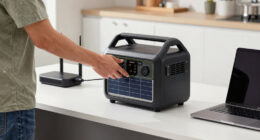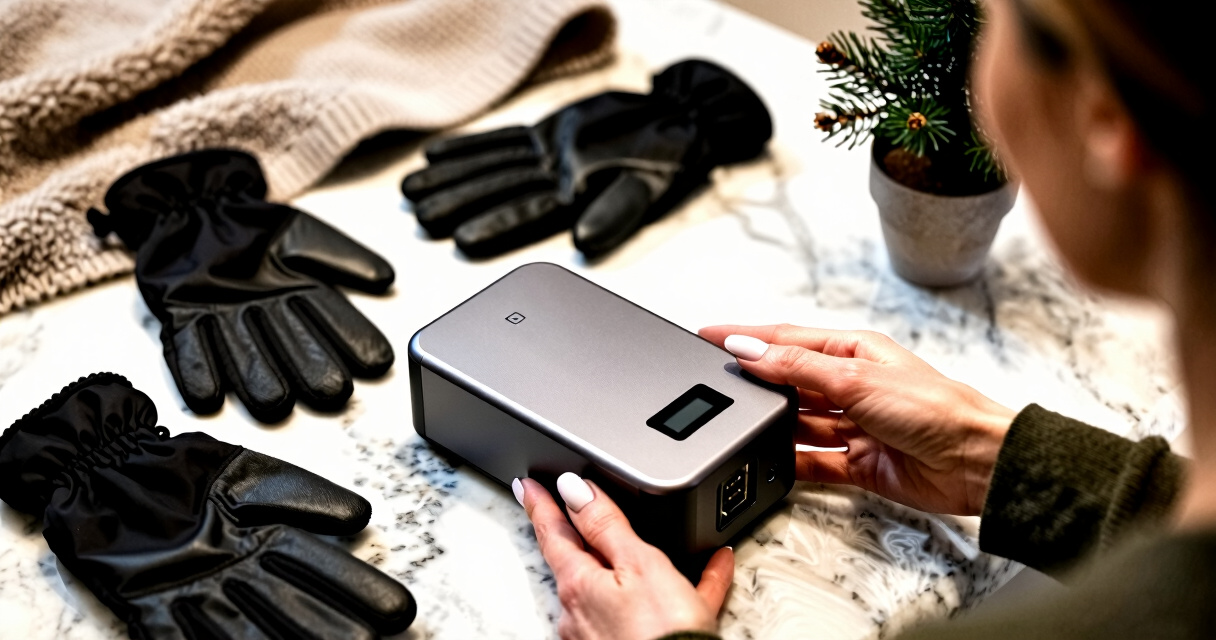
When winter outages hit, having a reliable battery backup system can be a lifesaver. The best options combine high capacity, cold-weather resilience, and ease of use, but tradeoffs often include size, cost, and complexity. The CyberPower ST425 stands out for affordability and simplicity, while the Anker SOLIX C2000 offers robust power for larger needs. These choices reflect the common dilemma of balancing capacity and portability for winter emergencies. Continue reading for a detailed breakdown of the top picks and how to choose the perfect system for your winter needs.
Key Takeaways
- High-capacity portable power stations like the Anker SOLIX C2000 excel for extended outages and larger homes.
- Cold-weather performance and battery longevity are critical factors often overlooked in general reviews.
- Budget-friendly UPS options work well for essential devices but may lack capacity for whole-home backup.
- Portability varies significantly; smaller units are easier to move but offer less power.
- Solar compatibility and fast recharging are valuable features in winter outages where grid power may be unavailable for days.


More Details on Our Top Picks
CyberPower ST425 Standby UPS Battery Backup and Surge Protector, 425VA/260W, 8 Outlets
The CyberPower ST425 stands out for its compact design and reliable surge protection, making it a practical choice for small home setups during winter outages. Compared with larger units like the Anker SOLIX C1000, it offers less backup power—adequate for a few essential devices but not high-energy appliances. Its 8 outlets cover typical needs, but the limited capacity means it won’t run high-power devices for long. The simulated sine wave output might not support sensitive electronics like medical devices, which is a consideration for some users. Its high efficiency and 3-year warranty add to its value, especially for those prioritizing space and cost-effectiveness. However, if your power needs are larger, this model may fall short, requiring an upgrade to more powerful systems.
Pros:- Compact and space-efficient design
- Includes both battery backup and surge protection
- High efficiency reduces power consumption
- 3-year warranty with connected equipment guarantee
Cons:- Limited backup power for larger devices
- Only 8 outlets may restrict device connection
- Simulated sine wave output not ideal for sensitive electronics
Best for: Small households or home office users seeking a dependable backup for essential electronics during winter outages.
Not ideal for: Users needing to run high-wattage appliances or multiple devices for extended periods, as its limited capacity cannot support such loads.
- VA Rating:425VA
- Wattage:260W
- Outlets:8 (4 backup & surge, 4 surge only)
- Input:NEMA 5-15P, 5 ft cord
- Warranty:3 years
Bottom line: This UPS suits small-scale home or office use where space and reliability are more important than high capacity.
Jackery Explorer 300 Portable Power Station, 293Wh Lithium Battery, Solar Generator for Camping and Outdoors
The Jackery Explorer 300 is ideal for outdoor enthusiasts or emergency preparedness, offering portability with a 293Wh capacity. It compares well against the larger Anker SOLIX C1000 in portability and ease of use but falls short on power output, limited to 300W, making it unsuitable for high-energy appliances during winter outages. Its fast recharge in 2 hours via wall, car, or solar makes it versatile for quick setup, especially when solar panels are available. However, the absence of a solar panel included means additional investment, and its capacity could be insufficient for extended outages or multiple devices. It’s best suited for lightweight electronics and charging small devices, but not for powering home essentials for long periods.
Pros:- Lightweight and portable at just 7.1 pounds
- Fast recharging in 2 hours
- Multiple device charging options including USB-C and car port
- Compatible with solar panels for eco-friendly recharging
Cons:- Solar panel not included, adding extra cost
- Limited to 300W output, inadequate for high-power appliances
- Battery capacity may not support extended outages
Best for: Campers, outdoor hobbyists, or those seeking portable backup for small electronics during winter outages.
Not ideal for: Home users needing to run refrigerators, space heaters, or multiple appliances during extended outages, due to its limited capacity and wattage.
- Battery Capacity:293Wh
- Weight:7.1 lbs
- AC Outlets:2 Pure Sine Wave
- USB-C Port:1 (PD 60W)
- Recharge Time:2 hours
Bottom line: This model is best for outdoor use or short-term backup of small devices, not for powering entire home essentials during winter outages.
Anker SOLIX C1000 Gen 2 Portable Power Station, 2000W (Peak 3000W), 1024Wh LiFePO4 Battery, Solar Generator
The Anker SOLIX C1000 Gen 2 offers a substantial power reserve with 1024Wh capacity and 2000W continuous output, making it a strong choice for whole-house backup during winter outages. Compared with smaller models like the CyberPower ST425, it can run multiple appliances simultaneously, including refrigerators, space heaters, and more. Rapid recharging in under an hour, thanks to its 49-minute recharge time, plus the ability to connect to solar panels, enhances its appeal for off-grid needs. Its LiFePO4 battery ensures over 4000 cycles, promising longevity. The higher price tag might deter casual users, but for those needing reliable, high-capacity backup, especially in winter, this model truly shines. It’s less suited for those with limited budgets or minimal power needs.
Pros:- Fast recharge in just 49 minutes
- High continuous power output of 2000W
- Long-lasting LiFePO4 battery with 4000 cycles
- Compact, lightweight design for its capacity
Cons:- Higher price point compared to smaller units
- Requires solar panel for off-grid recharging
- Limited to specific solar input specifications
Best for: Homeowners requiring reliable, high-capacity backup for critical appliances during winter outages or off-grid living scenarios.
Not ideal for: Budget-conscious users or those with small backup needs, as its higher cost may outweigh the benefits for simple electronics.
- Battery Capacity:1024Wh
- Power Output:2000W (3000W peak)
- Recharge Time:49 minutes
- Solar Recharging Time:1.8 hours
- Battery Type:LiFePO4
Bottom line: This power station is best for those needing dependable, high-capacity backup for essential home appliances during winter outages.
Jackery Solar Generator 1000 V2 with 200W Solar Panel, Portable Power Station with 1070Wh Capacity, Fast Charging, Off-Grid and Emergency Use
The Jackery Solar Generator 1000 V2 combines a high-capacity 1070Wh battery with a 1500W AC output, making it a robust option for extended outages and outdoor adventures. Compared with the CyberPower ST425, it provides far more power and versatility, capable of running multiple appliances simultaneously, including refrigerators and space heaters. Its fast one-hour recharge via the included 200W solar panel or AC outlet makes it highly adaptable for off-grid conditions. The durable LiFePO4 battery ensures over 10 years of reliable use, which is ideal for long-term emergency preparedness. However, the unit’s 23.8-pound weight and the need to purchase the solar panel separately might limit portability for some. It’s tailored for those who want a high-capacity, fast-charging solution for extensive outdoor or backup use.
Pros:- High capacity of 1070Wh
- Fast 1-hour recharge with included panel
- Supports multiple devices simultaneously with 1500W output
- Durable LiFePO4 battery with over 10 years lifespan
Cons:- Requires separate purchase of solar panel
- Relatively heavy at 23.8 pounds
- Fast charging mode needs to be enabled, adding setup step
Best for: Preppers, RV travelers, or families seeking a large, fast-charging power station for extended outages and outdoor activities.
Not ideal for: Users with limited budgets or those needing a lightweight, purely indoor solution, as its size and additional solar panel costs can be drawbacks.
- Capacity:1070Wh
- AC Output:1500W
- Surge Peak:3000W
- Charging Time:1 hour
- Battery Type:LiFePO4
Bottom line: This generator is ideal for those needing extensive, rapid outdoor power with high capacity and quick recharging, especially for emergency preparedness.
EnginStar Portable Power Station 300W 296Wh Battery Bank with 110V Pure Sine Wave AC Outlet for Outdoors, Camping, Emergency, and CPAP
This compact power station stands out for its lightweight design and multiple charging options, making it an ideal companion during winter outages when portability matters most. Unlike the larger Jackery Explorer 300, it offers a similar capacity but weighs less at 6.5 pounds, easing transport in cold weather conditions. The pure sine wave AC outlet ensures safe operation of sensitive devices like CPAP machines, a critical feature for emergency use. However, its 296Wh capacity may fall short for extended outages compared to larger models like the Anker SOLIX C2000. The absence of a solar panel included means extra investment if solar recharging is desired, and its 300W limit restricts high-wattage device use. This pick makes the most sense for users needing a lightweight, flexible backup for essential electronics on the go, but not for powering larger appliances over long periods.
Pros:- Lightweight and easy to carry at only 6.5 pounds
- Multiple charging methods including solar, wall, and car
- Pure sine wave outlets protect sensitive electronics
Cons:- Solar panel not included, requiring extra purchase
- Limited to 300W output, unsuitable for high-wattage devices
- Battery capacity may be insufficient for extended outages
Best for: Hikers, campers, or emergency preppers who prioritize lightweight, portable power for essential devices during winter outages.
Not ideal for: Homeowners expecting prolonged outages or needing to power high-wattage appliances, as the capacity and wattage are limited.
- Wattage:296 Watt-hours
- Power Output:300 Watts
- Voltage:110 Volts
- Additional Outputs:2 AC outlets, 2 DC outputs, USB, USB-C
- Battery Type:Lithium-Ion
- Weight:6.5 pounds
Bottom line: This portable station is best suited for those needing lightweight, reliable power for essential devices in outdoor or emergency settings.
BLUETTI Elite 30 V2 Portable Power Station 600W, 288Wh LiFePO4 Battery with UPS for Emergency and Outdoor Use
The BLUETTI Elite 30 V2 excels in delivering a high continuous power of 600W from a portable unit weighing only 9.4 pounds, making it suitable for powering multiple devices during winter outages. Compared to the EnginStar, it offers nearly double the capacity and a more robust surge capacity, plus the advanced LiFePO4 chemistry ensures longer cycle life and safer operation. Its rapid 45-minute charging time allows quicker replenishment, which is critical during unpredictable outages. The built-in UPS feature with a 10ms response time adds reliability for sensitive electronics. The main tradeoff is its limited 288Wh capacity, which may not sustain prolonged outages without supplemental charging. This makes it perfect for those who need a powerful, durable backup for short-term emergencies or outdoor activities.
Pros:- Lightweight at only 9.4 pounds for portability
- High continuous power output of 600W
- Fast charging and reliable UPS system
Cons:- Limited capacity for extended outage durations
- Requires compatible solar panel for solar recharging
- Cannot power larger household appliances
Best for: Preppers or outdoor enthusiasts needing a lightweight, high-power station that can reliably support essential devices during winter outages.
Not ideal for: Home users expecting extended outages or aiming to power large appliances for days, due to its modest capacity.
- Capacity:288Wh
- Weight:9.4 lbs
- Continuous Power:600W
- Surge Power:1500W
- Charging Time (0-80%):45 mins
- Battery Type:LiFePO4
Bottom line: This model suits users needing quick, reliable backup power for critical devices in outdoor or short-term emergency scenarios.
APC 600VA / 330W UPS Battery Backup & Surge Protector with 7 Outlets and USB Charging Port
The APC 600VA offers a dependable backup for small electronics during winter outages, with a runtime of up to 23 minutes at 100W load, which is sufficient for shutting down or saving work on critical devices. Its multiple outlets, combining surge protection and battery backup, make it versatile for home or office setups. Compared to the EnginStar or BLUETTI, its smaller capacity limits prolonged use but provides quick, automatic power during brief outages with minimal fuss. The user-replaceable battery extends its lifespan, yet replacing batteries adds ongoing costs. This model is well-suited for those needing a simple, reliable backup for computers and routers but isn’t ideal for powering high-wattage or multiple large appliances during extended outages.
Pros:- Provides up to 23 minutes of backup at 100W
- Multiple outlets with surge and battery backup
- User-replaceable battery for extended use
Cons:- Battery replacement requires purchasing a separate model
- Limited runtime for higher loads
- Number of outlets may be insufficient for large setups
Best for: Home users or small office workers seeking a simple, reliable backup for essential electronics during brief winter outages.
Not ideal for: Individuals expecting long outages or needing to power large appliances, as its runtime is limited and capacity modest.
- Capacity:600VA / 330W
- Outlets:7 (5 battery backup + surge, 2 surge-only)
- USB Charging Port:Yes
- Runtime at 100W load:Up to 23 minutes
- Warranty:3 years
- Protection Coverage:$75,000
Bottom line: This UPS is best for short-term backup needs in home or office environments but isn’t suitable for prolonged outages or high-wattage devices.
Anker SOLIX C2000 Gen 2 Portable Power Station, 2400W (Peak 4000W), 2048Wh LiFePO4 Battery, Fast Recharge, Solar Compatible
The Anker SOLIX C2000 Gen 2 stands out for its impressive combination of high capacity, rapid recharge, and portability, making it a top choice for winter outages. Compared to the Jackery Explorer 300, which offers a smaller 293Wh capacity, this model provides enough energy to power essential appliances like refrigerators and space heaters for several hours. Its fast 58-minute recharge via AC or solar ensures you’re not left vulnerable during prolonged outages. While it’s more portable than larger, heavier units, at 41.7 pounds, it may still challenge some users to carry, especially during emergencies. The ability to expand capacity up to 4kWh with additional batteries adds flexibility for longer outages, but the higher price and limited solar compatibility details mean you’ll need to consider your specific solar setup. This pick works best for those seeking a reliable, all-in-one power source that can handle multiple appliances without sacrificing mobility.
Pros:- Fast recharge time of just 58 minutes, minimizing downtime
- High peak power of 4000W suitable for large appliances
- Lightweight and portable at 41.7 lbs for its capacity
- Expandable capacity for extended backup durations
Cons:- Relatively high price compared to smaller or less powerful models
- Limited detailed info on specific solar panel compatibility, which could hinder solar recharging setup
Best for: Homeowners needing a robust, expandable power solution for prolonged winter outages and outdoor adventures
Not ideal for: Users prioritizing ultra-lightweight equipment or seeking a budget-friendly, basic backup option
- Battery Capacity:2048Wh
- Peak Power:4000W
- Rated Power:2400W
- Recharge Time:58 minutes
- Weight:41.7 lbs
- Battery Type:LiFePO4
- Expansion Capacity:Up to 4kWh
- Recharging Methods:AC, solar, car alternator
Bottom line: This model is ideal for users who need a powerful, portable, and expandable backup system capable of handling multiple appliances during winter outages.

How We Picked
Products were selected based on their ability to provide reliable power during winter outages, focusing on capacity, cold-weather performance, and usability. We prioritized units with high watt-hour ratings, robust battery chemistry (preferably LiFePO4), and features that facilitate cold-weather operation, such as insulation or low-temperature performance. Ease of use, portability, and safety features also influenced rankings. We compared performance data, user reviews, and technical specs to ensure each product offers real-world value for winter emergency scenarios, with the top picks balancing power and practicality.Factors to Consider When Choosing Best Battery Backup System For Winter Outages
Choosing the best battery backup system for winter outages involves more than just capacity. Key factors include battery chemistry, cold-weather resilience, size, and recharging options. Understanding these elements helps prevent common mistakes like overestimating your power needs or selecting units that won’t perform well in low temperatures. A well-chosen system provides peace of mind during prolonged outages, especially when grid power is unreliable or unavailable for days at a time.Capacity and Power Output
Assess how much power your essential devices require and select a system with sufficient watt-hour capacity and surge power. Larger homes or multiple appliances demand higher capacity units like the Anker SOLIX C2000, while smaller setups can rely on compact models. Overestimating capacity can lead to unnecessary expense and bulk, but underestimating risks incomplete backup and frustration during outages.
Cold-Weather Performance
Battery chemistry matters significantly in winter conditions. Lithium Iron Phosphate (LiFePO4) batteries perform better in low temperatures, maintaining capacity and safety. Some units include insulation or heating elements, which can extend usability in extreme cold. Ignoring cold-weather resilience may result in reduced runtime or even battery failure during critical outages.
Portability and Size
Decide whether portability or power capacity takes priority. Smaller, lightweight units are easier to move around, ideal for quick deployment or backup for a few essential devices. Larger units like the Anker SOLIX C2000 or BLUETTI Elite 30 are better suited for stationary use or extended outages but can be cumbersome to handle. Consider storage space and your mobility needs when choosing.
Recharging Options and Speed
Fast recharging via AC or solar panels is valuable during multi-day outages, especially in winter when grid power may be unstable. Solar compatibility enhances independence, allowing recharging with sunlight, which is often more reliable than grid power in severe weather. Be mindful of panel compatibility and charging times to ensure your system remains ready for use.
Safety and Usability Features
Look for units with safety certifications, overload protection, and user-friendly interfaces. Features like multiple outlets, USB ports, and app controls improve usability. During winter outages, safety features such as low-temperature operation and thermal protection are vital to prevent damage or hazards. A user-friendly design minimizes setup errors and maximizes reliability when it matters most.
Frequently Asked Questions
Can a portable power station really power my entire home during a winter outage?
While some high-capacity units like the Anker SOLIX C2000 can run essential appliances and small devices, powering an entire home typically requires a dedicated whole-house system or a generator. Portable power stations are best suited for critical electronics, small heating devices, or charging batteries. For full-home backup, investing in a professionally installed system may be necessary, but portable units offer flexibility and immediate backup for key needs.
How do cold temperatures affect battery backup systems?
Cold temperatures can reduce battery efficiency and runtime, especially for units with lithium-ion chemistry. LiFePO4 batteries perform better in low temperatures and are less prone to capacity loss. Some units include insulation or built-in heating features to mitigate cold effects. It’s wise to store your backup system in a warmer location when not in use and choose models rated for cold-weather operation for reliable performance during winter outages.
Is solar recharging necessary for winter outage preparedness?
Solar recharging adds significant resilience by enabling your backup system to top up without grid power, which can be unreliable during storms or extreme cold. In winter, shorter days and cloud cover reduce solar efficiency, so pairing solar panels with a high-capacity power station ensures continuous recharging. This feature is especially valuable if outages are prolonged or if you live in remote areas with limited access to power sources.
What size backup system should I choose for my needs?
The right size depends on your essential devices and anticipated outage duration. For small setups—like charging phones, laptops, and a few lights—a compact unit suffices. Larger needs, such as running a heater or refrigerator, require higher capacity models. It’s important to calculate your total wattage and select a system with a comfortable margin to ensure reliable operation without overpaying for unused capacity.
Are there any safety concerns with using portable power stations in winter?
Safety is paramount when operating portable power stations in cold weather. Avoid exposing units to snow or freezing temperatures unless specified by the manufacturer, as this can damage internal components. Ensure proper ventilation during use, and follow all safety instructions regarding charging and operation. Choosing units with thermal protection and low-temperature operation features reduces the risk of hazards and prolongs device lifespan during harsh winter conditions.
Conclusion
For most users seeking reliable winter outage backup, the CyberPower ST425 offers an affordable and straightforward solution for essential devices, making it ideal for small households or apartment dwellers. Those with larger needs or looking for extended resilience should consider the Anker SOLIX C2000 or BLUETTI Elite 30, which deliver higher capacity and better cold-weather performance. Beginners should prioritize simplicity and safety, while experienced users may benefit from solar compatibility and advanced features. Ultimately, your choice depends on your power needs, budget, and how severe your winter outages tend to be.