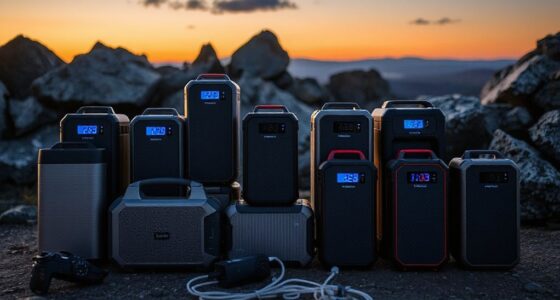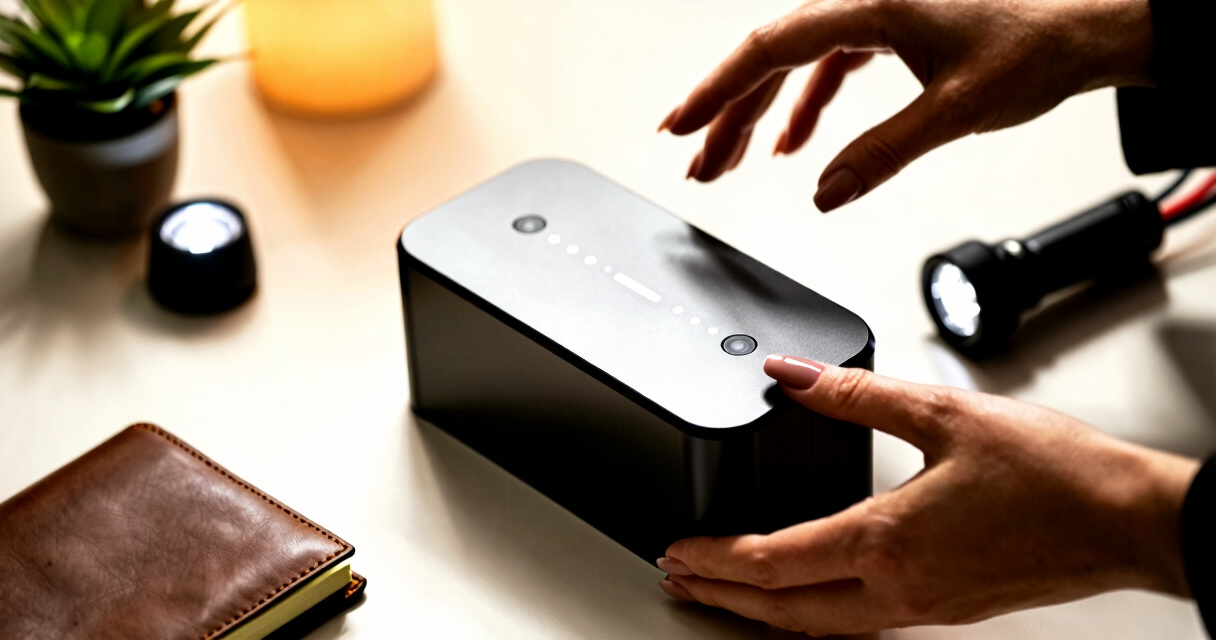

When searching for the best whole house battery backup system, the goal is to find a reliable, scalable solution that can power your entire home during outages. The EF ECOFLOW 12kWh Power Station stands out as the top overall pick thanks to its impressive expandability and high capacity. For those prioritizing ease of use and fast setup, the Anker SOLIX F3800 offers a compelling balance of power and simplicity. Meanwhile, the Generac Guardian 22kW is ideal for buyers seeking a seamless generator alternative. Each option involves tradeoffs between cost, capacity, and complexity, which I’ll explore further. Continue reading for a detailed comparison that helps you choose the best fit for your home’s backup needs.
Key Takeaways
- Scalability and expandability are key factors for long-term home backup solutions.
- High-capacity systems like the ECOFLOW 12kWh can power entire homes but come at a higher price.
- Ease of installation and app control significantly improve user experience for many buyers.
- Tradeoffs often exist between upfront cost and ongoing maintenance or upgrade potential.
- Traditional generators remain relevant but are sometimes less flexible than battery-based alternatives.


More Details on Our Top Picks
EF ECOFLOW 12kWh Power Station: DELTA Pro Ultra with Extra Battery, 120/240V 7200W AC Output, Expandable to 90kWh, Solar Generator for Home, Emergency, Camping, RV
The EF ECOFLOW DELTA Pro Ultra stands out for its remarkable power output and expandable capacity, making it a top choice for those who need both reliable home backup and off-grid flexibility. Unlike the Anker SOLIX F3800, which offers high capacity but less expandability, the DELTA Pro Ultra can grow to meet future needs, up to 90kWh. However, this comes with a higher initial cost and the inconvenience of multiple packages arriving separately. Its 7200W inverter can handle large appliances, but during extended outages, runtime may be limited unless fully expanded. This makes it ideal for homeowners seeking a scalable, all-in-one system, but less suited for those with tight budgets or limited space.
Pros:- High power output capable of running heavy household appliances
- Expandable capacity up to 90kWh for long-term backup needs
- Supports solar charging for energy independence
- Multiple circuits and app control for convenience
Cons:- High upfront cost and complexity of expansion
- Multiple packages can be inconvenient to set up
- Runtime may be limited during heavy use without full expansion
Best for: Homeowners wanting a highly expandable backup system with solar support and the ability to run heavy appliances during outages
Not ideal for: Budget-conscious buyers or those with limited space who prefer simpler, plug-and-play solutions
- Wattage:7200 watts
- Fuel Type:Electric
- Power Source:Battery Powered
- Voltage:120/240V
- Additional Features:Expandable Capacity, Dual Voltage, App Control
- Runtime:30 minutes (heavy load)
Bottom line: This pick suits homeowners seeking a scalable, powerful backup with renewable energy options, despite a higher cost and setup complexity.
Anker SOLIX F3800 Portable Power Station, 3840Wh, LiFePO4 Batteries, 6000W AC Output, Solar Generator for Home Backup, RVs, Emergencies, Camping
The Anker SOLIX F3800 offers a compelling balance of capacity and portability, making it more suitable for users who want substantial backup power without the bulk of larger systems like the EF ECOFLOW. Its 3.84kWh capacity can be expanded to nearly 27kWh with additional batteries, but this requires extra investment and space. Compared to the DELTA Pro Ultra, it doesn’t match the maximum output or full home integration, but its LiFePO4 batteries provide a 10-year lifespan and safer, longer-lasting performance. This makes it ideal for RV owners, campers, or homeowners who desire a durable, long-term solution that can directly charge EVs and power multiple appliances, though it’s less suited for full-home, high-power needs.
Pros:- High capacity with expandable batteries for long-term use
- Durable LiFePO4 batteries with a 10-year lifespan
- Powerful dual-voltage AC output (6000W)
- Can directly charge EVs and run multiple appliances
Cons:- Heavy and bulky for portable use
- Additional batteries increase overall cost
- Limited maximum capacity compared to larger systems
Best for: Outdoor enthusiasts, RV owners, or those needing reliable portable backup with long battery life
Not ideal for: Homeowners requiring a fully integrated, large-scale system for entire house backup
- Capacity:3.84kWh (expandable to 26.9kWh)
- AC Output:6000W
- Battery Type:LiFePO4
- Charge Ports:NEMA 14-50, L14-30
- Lifespan:10 years
- Connectivity:Wi-Fi, Bluetooth
Bottom line: This model makes the most sense for outdoor, mobile, or long-term backup needs where durability and expandability matter most.
OUPES Guardian 6000 Dual Battery System 9216Wh Power Station with 6000W Output and App Control
The OUPES Guardian 6000 delivers a massive 9216Wh capacity, making it ideal for critical home backup during prolonged outages. Its rapid recharge capability, recharging to 80% in just one hour, and seamless integration with home transfer switches, give it an edge over smaller or less integrated systems like the Anker SOLIX. However, the high initial investment and weight make it less practical for portable applications. Compared to the EF ECOFLOW, which offers larger expandability, the OUPES system emphasizes quick recharging and home automation, but at a higher setup complexity and cost. This choice fits those who prioritize long-term reliability, smart management, and support for 240V appliances, but not if portability is a primary concern.
Pros:- Massive 9216Wh capacity for long outages
- Supports 240V appliances and home transfer switches
- Fast recharge technology for quick restoration
- App control for remote management
Cons:- High initial cost and weight
- Requires professional setup for transfer switch
- Less portable due to size and weight
Best for: Homeowners needing a robust, quick-recharge system with seamless transfer switch integration for critical loads
Not ideal for: People seeking portable backup solutions or those with limited space and budget
- Capacity:9216Wh
- Power Output:6000W
- Voltage:120V/240V
- Recharge Time:80% in 1 hour
- Outlets:5 AC, USB-C PD 140W, USB-A, 12V car port
- Warranty:5 years
Bottom line: This system is best for homeowners who need a reliable, large-capacity backup with fast recharge and smart features, despite the higher investment and setup complexity.
Anker SOLIX F3800 Portable Power Station with Home Power Panel, 120V/240V Dual Voltage, 7680Wh Capacity, 12000W AC Output, Solar Generator for Home, RV, Emergencies
The Anker SOLIX F3800 stands out for its impressive capacity and expandable design, making it a strong contender for those seeking a versatile, whole-home backup solution. Unlike the Generac Guardian 22kW, which is permanently installed but offers higher power output, the SOLIX F3800’s portability and capacity expansion make it ideal for both emergency power and RV use. The use of EV-class LFP batteries ensures a long 10-year lifespan, but its weight and size can be a drawback for smaller spaces or frequent relocation. While the initial cost is higher than smaller units, the capacity and longevity justify the investment for larger households or those prioritizing clean energy. Its dual-voltage outlets accommodate a wide range of appliances, making it adaptable for various needs. Overall, it’s best suited for homeowners who want a scalable, renewable backup that can serve beyond just emergencies, but might be less ideal for those seeking a compact, permanently installed system.
Pros:- High capacity with expandable options up to 26.9kWh
- Dual-voltage outlets for versatile appliance compatibility
- Long-lasting 10-year battery lifespan with EV-class LFP technology
- Clean energy source reduces pollution
Cons:- Heavy and large, making it less portable for frequent moves
- Requires additional batteries for full capacity, increasing upfront costs
- Higher initial investment compared to smaller backup units
Best for: Homeowners needing a scalable, portable backup with long-term sustainability and flexibility.
Not ideal for: Small homes or apartments with limited space, or users seeking a permanently installed, high-power generator.
- Capacity:7680Wh (expandable to 26.9kWh with additional batteries)
- Voltage:120V/240V dual voltage
- AC Output:12000W maximum (6000W continuous)
- Battery Type:EV-class LFP batteries
- Lifespan:10 years
- Dimensions:27.64″ L x 15.28″ W x 15.55″ H
Bottom line: This pick is ideal for homeowners seeking a scalable, eco-friendly backup that balances capacity with portability, but it’s less suited for small spaces or those wanting a simple plug-and-play solution.
Generac Guardian 22kW Home Standby Generator with 200 Amp Transfer Switch, WiFi Enabled, Natural Gas or Liquid Propane
The Generac Guardian 22kW is designed as a permanent, high-capacity backup generator that covers entire homes with ease. Its high wattage surpasses most portable options, including the Anker SOLIX F3800, making it ideal for large households or homes with high power demands. The Wi-Fi monitoring capability adds convenience, allowing remote status checks, while its durable aluminum enclosure ensures resilience outdoors. However, the need for professional installation, along with a higher initial cost, makes it less suitable for DIY enthusiasts or those with simple backup needs. While it offers excellent reliability and simplicity once installed, this generator is best suited for homeowners who want a set-and-forget system and are willing to invest in a permanent fixture. It’s less appealing for renters or those seeking portable solutions.
Pros:- Whole house coverage with 22,000-watt power output
- Wi-Fi connectivity for remote monitoring
- Durable outdoor aluminum enclosure
- Runs on natural gas or propane for flexible fuel options
Cons:- Requires professional installation by a licensed electrician
- Higher upfront cost compared to portable units
- Complex setup process that may be challenging in some homes
Best for: Homeowners wanting a dependable, permanently installed backup system with minimal ongoing maintenance.
Not ideal for: Renters or those with limited space who prefer portable or plug-and-play solutions, or DIYers without electrical expertise.
- Power Output:22,000 watts
- Transfer Switch:200 Amp NEMA 3R
- Fuel Type:Natural Gas or Liquid Propane
- Connectivity:Wi-Fi Enabled
- Warranty:5-Year Limited Warranty
- Engine:G-Force Engine
Bottom line: This generator is best for homeowners seeking a reliable, permanent backup with remote monitoring, but it demands professional installation and a larger budget.

How We Picked
I evaluated these products based on their capacity, scalability, usability, build quality, and integration features. Performance during outages, ease of setup, and the ability to expand capacity were primary considerations. Value for the price, brand reputation, and maintenance requirements also influenced the rankings. Products that balanced high power output with user-friendly features ranked higher, as they better serve a broad range of homeowners seeking reliable backup solutions. The selection process aimed to identify options suitable for different budgets and technical comfort levels, ensuring a diverse list that addresses various needs.Factors to Consider When Choosing Best Whole House Battery Backup System
Choosing the right whole house battery backup system involves more than just capacity. You need to consider your home’s energy demands, future expansion plans, and how much you’re willing to invest. Beyond initial costs, think about ease of installation, maintenance, and compatibility with existing electrical systems. Scalability can be a deciding factor if you anticipate needing more backup power down the line. Additionally, consider the system’s control interface and monitoring features, which can simplify operation during emergencies. Avoid common mistakes like underestimating your home’s power needs or overlooking long-term costs, which can lead to insufficient backup or costly upgrades later.Capacity and Scalability
Capacity determines how much power your system can store and deliver during an outage. Larger homes or those with high energy needs benefit from systems that can be expanded over time, such as the ECOFLOW 12kWh, which can grow to 90kWh. Be cautious about choosing a system with insufficient capacity, as it may only power critical loads or require frequent recharging. Assess your total energy consumption and consider future growth—scalability options can save money and hassle long-term.
Ease of Installation and Use
Some systems, like the Anker SOLIX models, offer plug-and-play designs with app controls, making them ideal for homeowners without extensive electrical experience. Others may require professional installation, adding to initial costs. User-friendly interfaces and remote monitoring help manage backup operation smoothly. Remember, complicated setups can delay deployment during emergencies, so prioritize intuitive operation if ease of use is paramount.
Cost and Long-Term Value
While upfront costs vary widely—from affordable portable options to premium integrated systems—consider the long-term value. Cheaper systems may lack scalability or durability, leading to higher replacement or upgrade costs. Investing in a more robust system can provide peace of mind and lower total ownership costs over time. Balance your budget with the importance of reliability, capacity, and future expansion potential.
Compatibility and Integration
Ensure your chosen system integrates seamlessly with your existing electrical infrastructure. Some products, like the Generac Guardian, are designed as whole-home solutions with transfer switches, making installation straightforward. Others may require custom wiring or additional equipment. Compatibility with solar panels or renewable energy sources can also enhance flexibility and reduce reliance on grid power, especially important for off-grid or eco-conscious homeowners.
Maintenance and Support
Battery systems, especially lithium-based ones, need periodic checks to maintain optimal performance. Look for brands with solid warranties and responsive customer support. Consider the ease of access for routine inspections and whether remote diagnostics are available. Proper maintenance can extend the lifespan of your backup system and prevent unexpected failures during critical moments.
Frequently Asked Questions
How do I know if a battery backup system can power my entire house?
To determine if a system can cover your whole house, first calculate your total power consumption, including appliances, HVAC, and lighting. Check the system’s capacity in watt-hours or kilowatt-hours, and compare it with your needs. Many systems specify their maximum output and runtime, helping you gauge if they can meet your demands during an outage. For larger homes, look for scalable solutions that can expand capacity as needed.
Can I install a whole house battery backup system myself?
While some portable or simplified systems may be suitable for DIY installation, most whole-house solutions typically require professional wiring and integration with your electrical panel. Incorrect installation can pose safety risks and void warranties. Consulting a licensed electrician ensures compliance with local codes and guarantees safe, reliable operation. Investing in professional installation often results in better performance and peace of mind.
How long will a battery backup system typically last during an outage?
The runtime depends on your home’s energy consumption and the system’s capacity. Larger systems like the ECOFLOW or Anker models can power essential loads for several hours or even days, depending on usage. For continuous full-home backup, systems need to be very large or combined with generators. Understanding your critical loads and setting priorities can maximize the effectiveness of your backup power.
What are the advantages of a lithium-ion battery system over a traditional generator?
Lithium-ion batteries generally operate more quietly, require less maintenance, and can be integrated with renewable sources like solar panels. They also offer faster response times during outages and can be scaled gradually. However, batteries typically have higher initial costs and finite lifespans, whereas generators may be cheaper upfront but involve fuel costs and ongoing upkeep. The right choice depends on your budget, environmental preferences, and reliability expectations.
Is it worth investing in a backup system if I have a generator?
Backup batteries can complement or partially replace generators by providing silent, emission-free power during outages, especially for shorter durations. They are ideal for quiet operation and lower running costs. However, for prolonged outages or high power demands, generators might still be necessary. Combining both offers a versatile backup setup, but consider your specific needs, budget, and space constraints before making the investment.
Conclusion
For most homeowners seeking a reliable, scalable, and user-friendly solution, the EF ECOFLOW 12kWh Power Station offers excellent versatility and capacity. Those prioritizing affordability and ease of setup may prefer the Anker SOLIX F3800, especially for smaller homes or supplemental backup. If you want a seamless, professionally installed whole-home solution, the Generac Guardian 22kW stands out. Beginners or those on a budget should start with portable units, while larger households or eco-conscious buyers should consider expandable battery systems or hybrid setups involving solar integration. Your choice ultimately depends on your home’s size, backup expectations, and long-term plans.