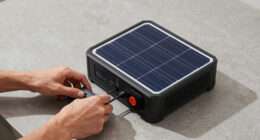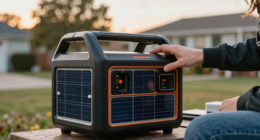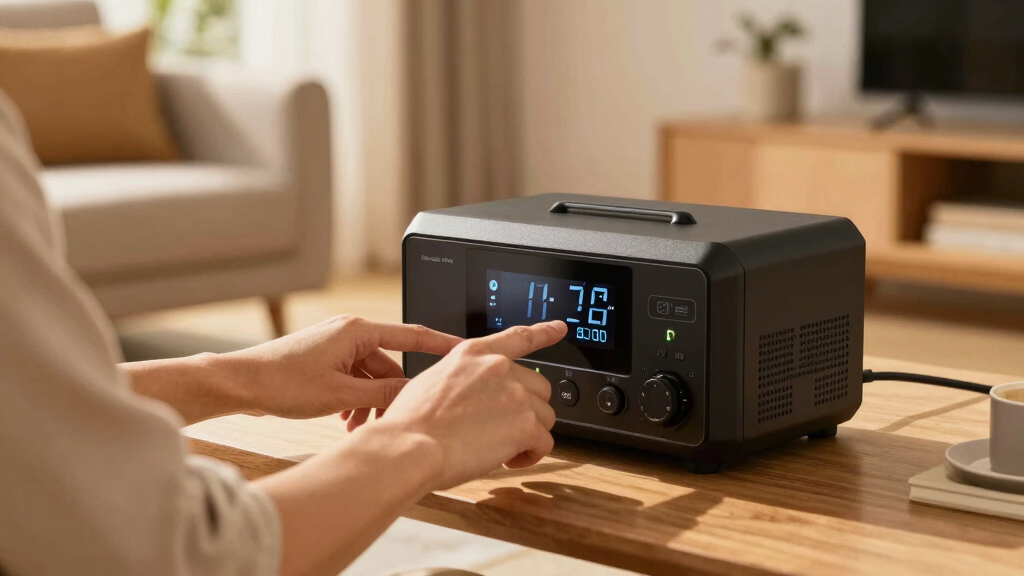

When searching for the best battery backup system with expandable capacity, the options vary widely in size, features, and price. The AFERIY 3840Wh Portable Power Station stands out for its large capacity and quick recharging, making it ideal for emergencies and outdoor use. The OUPES Guardian 6000 offers massive power with seamless home integration, perfect for extended outages. For those prioritizing reliability and ease of use, the APC Back-UPS Pro 1500VA provides dependable backup power with upgradeable batteries, though it lacks expansion for very high capacities. This guide compares these options based on capacity, expandability, portability, and advanced features to help you choose the right system for your needs.
Key Takeaways
- Expandable capacity is most practical for prolonged outages or high power demands; consider models like OUPES Guardian or AFERIY for large-scale needs.
- Portability varies significantly; lightweight options like AFERIY suit outdoor activities, while heavy systems like OUPES are geared toward stationary home backup.
- Battery type impacts lifespan and safety; LiFePO4 batteries offer longer durability, but may come at a higher initial cost.
- Many systems support multiple recharging methods, including solar, which is advantageous for off-grid or emergency use.
- Built-in monitoring and app control enhance user experience, especially on larger or more complex systems.


More Details on Our Top Picks
AFERIY 3840Wh Portable Power Station with 120V AC Outlets, LiFePO4 Battery, Fast Charging, and App Control
The AFERIY 3840Wh Power Station offers a compelling blend of capacity and portability, with an expandable capacity up to 11.5kWh. Its fast charging ability reduces downtime, and multiple recharging options—including solar—make it highly versatile. Compared to larger stationary units, it remains manageable despite its weight, but it is still bulky for casual outdoor use. The app control adds convenience for monitoring. However, its high price and weight mean it’s best for users who prioritize capacity and expandability over absolute portability.
Pros:- High capacity with expandable battery options
- Fast charging in 1.5 hours
- Multiple recharging methods including solar
- App control for monitoring
Cons:- Heavy and bulky for portable use
- Expensive compared to smaller units
- Runtime varies depending on load
Best for: Home backup, camping, emergency preparedness
Not ideal for: Lightweight outdoor adventurers or those seeking ultra-portable solutions
- Capacity:3840Wh (expandable to 11.5kWh)
- Battery Type:LiFePO4
- Continuous Power:3600W
- Peak Power:7200W
- AC Outlets:5
- Charging Time:1.5 hours (fast charge)
Bottom line: A powerful, expandable portable system ideal for users needing large capacity and versatile recharging, despite its weight and cost.
APC Back-UPS Pro 1500VA UPS, 900W Battery Backup & Surge Protector, LCD, 10 Outlets
The APC Back-UPS Pro 1500VA excels at providing dependable power for sensitive electronics like computers and routers. Its user-replaceable battery extends its lifespan and allows for ongoing use without replacing the entire unit. While it does not support true expandability beyond the battery replacement, its automatic voltage regulation and surge protection make it a solid choice for typical home use. It’s less suitable for very high or long-term backup needs due to its limited runtime and fixed capacity.
Pros:- Reliable backup power during outages
- User-replaceable battery
- Automatic voltage regulation
- Energy Star certified
Cons:- Battery replacement incurs additional cost
- Limited runtime at higher loads
- No true expandability for capacity
Best for: Home electronics, small office setups
Not ideal for: Extended outages or high power appliances
- VA Capacity:1500VA
- Wattage:900W
- Backup Runtime:Up to 19 minutes at 300W
- Outlets:10
- Surge Protection:Yes
Bottom line: A dependable, upgradeable UPS for everyday home electronics, though not suited for extensive backup requirements.
APC Back-UPS Pro 1500VA Sinewave UPS, 900W Battery Backup & Surge Protector, LCD, USB-C & USB-A Charging Ports
This Sinewave UPS version from APC provides cleaner power, ideal for sensitive equipment like servers or audio systems. Its LCD display offers real-time status updates, and USB-C ports enable fast device charging. The runtime is comparable to the previous APC model but with better wave output quality. It’s a good choice for users who need reliable power for delicate electronics, though the capacity still limits its suitability for larger loads or long outages. Price is higher due to sinewave technology, which can be a concern for budget-conscious buyers.
Pros:- Provides clean sinewave power
- LCD status display
- Fast charging USB ports
- Reliable backup for sensitive devices
Cons:- Limited runtime at higher loads
- Bulkier size
- Higher price point
Best for: Sensitive electronics, home office
Not ideal for: High-demand appliances or extended outages
- VA Capacity:1500VA
- Wattage:900W
- Backup Runtime:Up to 11 minutes at 500W
- Outlets:10
- Power Output Type:Sinewave
Bottom line: Excellent for protecting sensitive electronics, with clean power and real-time monitoring, but not designed for high loads or long backup durations.
GOLDENMATE 1000VA/800W Lithium UPS Battery Backup and Surge Protector, Sinewave, 8 Outlets, LCD Display
The GOLDENMATE Lithium UPS stands out for its long lifespan — over 10 years — thanks to its LiFePO4 battery. It provides sufficient backup for typical home devices and offers real-time system monitoring with an LCD. Its compact size makes it suitable for smaller spaces, but runtime at full load is limited to around 30 minutes. It’s ideal for those who want a reliable, safe, and low-noise backup solution for essential electronics, although it’s less suited for high-power or long-duration needs.
Pros:- Long-lasting LiFePO4 battery
- 8 surge-protected outlets
- Real-time LCD monitoring
- Quiet operation
Cons:- Limited runtime (~30 minutes)
- Cooling fan noise during heavy use
- Requires careful handling
Best for: Small home electronics, network equipment
Not ideal for: High power appliances or extended outages
- Battery Type:LiFePO4
- Battery Capacity:230.4 Wh
- Power:800 Watts
- VA Rating:1000 VA
- Runtime:30 minutes
Bottom line: A reliable, space-saving backup with long battery life, perfect for critical small electronics but not for extended outages.
OUPES Guardian 6000 Dual Battery System: 9216Wh Power Station with 6000W Output, 120V/240V Dual Voltage, Expandable Home Backup with Transfer Switch Ready & App Control
The OUPES Guardian 6000 offers a massive 9216Wh capacity when combined with an extra battery, making it a formidable choice for prolonged outages. Its fast 90-minute charging and seamless integration with home transfer switches make it ideal for critical appliances and extended power needs. Its expandability up to 41kWh ensures it can grow with future demands, but its weight at nearly 200 pounds and high cost make it less practical for portable applications. This system is best suited for permanent installation in homes seeking a reliable, scalable backup solution.
Pros:- Massive 9216Wh capacity
- Fast recharge in 1 hour
- Expandable up to 41kWh
- Seamless home integration
Cons:- Heavy at 191 pounds
- High upfront investment
- Requires proper setup
Best for: Extended home backup, critical appliances
Not ideal for: Portable outdoor use or small spaces
- Wattage:6000W
- Total Power Outlets:5
- Expandable Capacity:Up to 41kWh
- Fast Charging:90 minutes
- Weight:191 lbs
Bottom line: A high-capacity, scalable backup system designed for permanent home installation, ideal for long-term power security despite its weight and cost.

How We Picked
We evaluated battery backup systems based on capacity, expandability, recharging options, portability, and safety features. Priority was given to models offering true expandability, either through modular batteries or large integrated systems, suitable for prolonged or high-demand use. We also considered user-friendliness, reliability, and support, ensuring each option fits different scenarios from outdoor adventures to critical home power backup. Tradeoffs such as size, weight, and price were factored to match various buyer priorities.
Factors to Consider When Choosing Best Battery Backup System With Expandable Capacity
Selecting the right expandable battery backup system depends on your specific needs—whether for home, outdoor, or emergency use—and on how much capacity you require. Key factors include capacity, expandability, portability, and recharge options. Understanding these will help you find a system that balances power, convenience, and cost effectively.
Capacity and Expandability
For extended outages or high-demand appliances, look for systems that can be expanded with additional batteries or modules. Systems like the OUPES Guardian and AFERIY offer true scalability, allowing you to grow your capacity as needs increase. Smaller, integrated units are better suited for temporary or lighter use, where portability and simplicity matter more.
Portability vs. Stationary Use
If you need power on the go, lightweight options like the AFERIY stand out, despite their limited runtime. Conversely, for permanent home backup, heavier systems like OUPES provide massive capacity and seamless integration but are less portable. Consider where and how often you’ll need to move your system.
Recharging Options and Safety
Multiple recharging methods—including solar—offer flexibility for off-grid or emergency scenarios. Battery type influences lifespan and safety; LiFePO4 batteries tend to last longer and are safer but may cost more upfront. Ensure your system supports fast recharging if you need quick turnaround times.
User-Friendliness and Monitoring
Built-in LCD displays, app controls, and real-time monitoring can significantly enhance your experience, especially for larger systems. These features help you manage power usage and plan recharging, contributing to safer and more efficient operation.
Frequently Asked Questions
What is the benefit of an expandable battery backup system?
An expandable system allows you to start with a smaller capacity and add more batteries over time, scaling your backup power according to evolving needs. This flexibility is especially valuable for homeowners seeking long-term reliability or users who anticipate increasing power demands, such as adding new appliances or devices.
Are LiFePO4 batteries better than traditional lithium-ion batteries?
LiFePO4 batteries generally offer longer lifespans—often over 10 years—and enhanced safety due to their stable chemistry. They also tolerate deeper discharges without damage, making them ideal for long-term backup solutions. However, they tend to be more expensive initially, so weighing cost against durability is important.
Can I use solar power to recharge these backup systems?
Many of these systems support solar recharging, providing an off-grid option and reducing dependence on grid power. This feature is especially useful during extended outages or for outdoor use, but ensure your solar setup is compatible and capable of delivering the necessary power input.
How much runtime can I expect during an outage?
Runtime varies depending on the load and capacity of the system. Smaller units like the GOLDENMATE offer about 30 minutes at full load, while larger systems like OUPES can power essential appliances for hours. Always consider your critical devices and their power needs when choosing a system.
What safety features should I look for?
Look for systems with built-in safety protections such as overload, overvoltage, and short-circuit safeguards. Battery chemistry also matters; LiFePO4 batteries are inherently safer due to their stable chemistry. Certifications and UL listing are additional signs of a safe, reliable product.
Conclusion
If you need a portable, high-capacity backup for outdoor adventures or short-term emergencies, the AFERIY Power Station offers excellent expansion and quick charging. For reliable, everyday home electronics backup, the APC Back-UPS Pro series provides dependable, upgradeable power with surge protection. Larger households or those seeking long-term, scalable power should consider the OUPES Guardian system, despite its weight and higher cost. Ultimately, your choice depends on your specific power demands, budget, and whether portability or capacity is your priority.