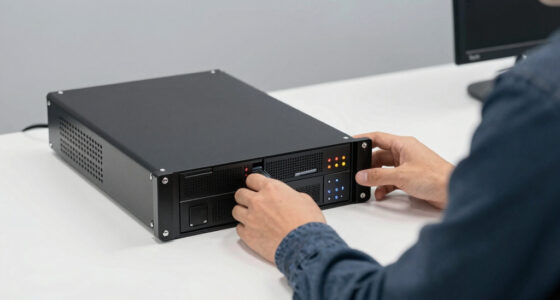
When searching for the best portable power station with a 3000 watt inverter, the goal is to find a unit that delivers reliable, high-capacity power in a compact form. The DJI Power 2000 stands out as the best overall choice, offering a robust 2048Wh battery and quick recharge capabilities for versatile use. The BLUETTI Elite 100 V2 is a strong contender for those seeking a more portable yet powerful option, with a 1024Wh capacity and fast charging. On the other hand, budget-conscious buyers might lean toward the Jackery Explorer 300 for lighter outdoor use, despite its lower inverter capacity. The main tradeoffs involve balancing size, capacity, and price, as larger units tend to be heavier and more expensive. Continue reading for a detailed breakdown of each model and how to choose the best fit for your needs.
Key Takeaways
- The DJI Power 2000 offers the highest inverter capacity and battery size, making it ideal for heavy-duty use or backup power at home.
- The BLUETTI Elite 100 V2 strikes a balance between portability and power, with rapid charging features that benefit frequent travelers.
- Many units in this category feature fast recharge capabilities, but the size and weight often increase with power capacity.
- Choosing between capacity and portability is crucial; larger batteries mean more power but less ease of transport.
- Price varies significantly; premium models provide more features and durability, but budget options can suffice for light outdoor use.


More Details on Our Top Picks
DJI Power 2000 Portable Power Station, 2048Wh LFP Battery, 3000W Output, Fast Recharge, Off-Grid & Home Backup
The DJI Power 2000 stands out for its remarkable 2048Wh capacity, making it ideal for extended off-grid use or backup scenarios where longer runtime is essential. Compared to the Jackery 1000 v2, it offers nearly double the capacity and a faster recharge time of just 55 minutes to 80%, which can be critical during emergencies. While it is heavier and bulkier, the extensive port selection and low noise level enhance its versatility for camping, RV trips, or home backup. The ability to expand up to 22.5kWh offers scalability that few portable stations match, though this requires purchasing additional batteries separately. Its quiet operation and multiple charging options make it a flexible choice for users who prioritize performance and expandability over portability alone.
Pros:- High-capacity 2048Wh battery for extended power supply
- Fast recharge in just 55 minutes to 80%
- Multiple ports including dual SDC ports for versatile device charging
- Quiet operation suitable for nighttime or sensitive environments
Cons:- Relatively heavy and bulky, limiting portability
- Expansion batteries sold separately, increasing overall cost
Best for: Adventure travelers, RV owners, or emergency prep enthusiasts needing high capacity and expandability
Not ideal for: Lightweight hikers or those seeking a compact, easy-to-carry unit for quick trips, due to its weight and size
- Battery Capacity:2048Wh
- Battery Type:LFP (Lithium Iron Phosphate)
- Power Output:3000W
- Recharge Time:0-80% in 55 minutes
- Expansion Capacity:Up to 22.5kWh
- Noise Level:As low as 30 dB
Bottom line: This model is best for those who need substantial power capacity and expandability, accepting some weight for extended off-grid use.
Jackery Solar Generator 1000 v2 with 200W Solar Panel, Portable Power Station with 1070Wh Capacity and Fast Charging
The Jackery Solar Generator 1000 v2 offers a practical balance of portability and power, with a 1070Wh LiFePO4 battery and a 1500W continuous AC output, making it suitable for powering multiple small to medium appliances. Compared to the DJI Power 2000, it is significantly more portable at just 23.8 pounds, ideal for backpackers or short-term camping. Its fast charging capability in just 1 hour and durable battery technology make it a reliable choice for quick setup and long-term use, though its capacity is lower, limiting runtime for larger appliances. The inclusion of multiple ports—including USB-C, USB-A, and AC outlets—adds versatility, but the solar panel and power station are shipped separately, which can complicate setup. This pick makes the most sense for users prioritizing lightweight design and quick recharge over maximum capacity.
Pros:- Lightweight at 23.8 lbs for easy transport
- Fast charging in 1 hour for quick deployment
- Powerful 1500W AC output for multiple appliances
- Long lifespan with over 4,000 charge cycles
Cons:- Limited capacity compared to larger stations like DJI Power 2000
- Solar panel shipped separately, adding to initial setup effort
Best for: Outdoor enthusiasts, backpackers, or emergency responders needing a portable, quick-charging power source
Not ideal for: Users requiring high-capacity backup for extended power outages or large appliances, due to its 1070Wh limit
- Capacity:1070Wh
- AC Output:1500W
- Surge Peak:3000W
- Battery Type:LiFePO4
- Weight:23.8 lbs
- Charging Time:1 hour (fast charge)
Bottom line: This is ideal for outdoor lovers and emergency users seeking a compact, fast-charging station for moderate power needs without excessive weight.
Jackery Explorer 300 Portable Power Station, 293Wh Lithium Battery, Solar Generator for Camping and Outdoors
The Jackery Explorer 300 stands out as the best overall choice for outdoor enthusiasts who need portability without sacrificing power. Its 293Wh capacity is modest compared to larger units like the BLUETTI Elite 100 V2, but its lightweight design — just 7.1 pounds — makes it easy to carry during hikes, camping, or emergency situations. While it offers a 300W continuous output, this limits its ability to run high-power appliances, unlike the BLUETTI, which can handle up to 1800W. The fast recharging via wall, car, or solar (with the SolarSaga 100 panel) adds to its convenience, although the solar panel isn’t included, which may increase initial costs. Its multiple outlets—including USB-C, USB-A, AC, and DC—allow for versatile device charging. The main tradeoff is its limited capacity and power output, making it unsuitable for larger appliances or prolonged backup needs. Overall, this pick makes the most sense for users prioritizing portability, quick recharges, and outdoor versatility over high power or capacity.
Pros:- Lightweight and highly portable at just 7.1 pounds
- Fast recharging options via wall, car, or solar
- Multiple device charging ports including USB-C and AC outlets
Cons:- Limited to 300W continuous output, restricting high-power device use
- Solar panel not included, adding to overall cost for solar recharging
Best for: Hikers, campers, or emergency prepper who need a lightweight, portable power source for small devices and quick recharges.
Not ideal for: Users needing to run high-wattage appliances like refrigerators or power tools over extended periods, as the 300W limit and small battery capacity won’t suffice.
- Wattage:300 watts
- Battery Capacity:293Wh
- Weight:7.1 pounds
- Output Voltage:120 Volts
- Number of Outlets:2 AC, 1 USB-C, 1 USB-A, 1 DC car port
- Recharging Time:2 hours (80%) via wall
- Supported Recharging Methods:Wall, car, solar
- Power Source:Battery and optional solar panel
Bottom line: Ideal for outdoor enthusiasts and emergency users seeking lightweight, quick-charging power for small devices.
BLUETTI Elite 100 V2 Portable Power Station, 1024Wh LFP Battery Backup with 4 AC Ports (3600W Surge), Compact and Fast Charging for Camping and Home Backup
The BLUETTI Elite 100 V2 is tailored for users who need substantial capacity and robust power output in a portable format. Its 1024Wh LiFePO4 battery surpasses the Jackery in capacity, enabling longer runtimes and the ability to power up to 11 devices simultaneously, unlike the smaller model. With an 1800W continuous output and a surge capacity of 3600W, it can handle larger appliances, making it suitable for off-grid living or emergency backup, unlike the Jackery which is limited to small electronics. Its fast 70-minute recharge time via AC or solar ensures minimal downtime. While it is more compact and lightweight than many large generators, it still carries a higher price and fewer ports—limiting simultaneous device connections. The main tradeoff is its higher cost and limited number of outlets, which could be restrictive for multi-device setups. This makes it a great choice for those who prioritize capacity, backup reliability, and fast charging in a portable form.
Pros:- Large 1024Wh capacity for extended use
- Fast charging in just 70 minutes
- High 1800W continuous output with 3600W surge capacity
Cons:- Higher price point may be prohibitive for some users
- Limited ports for simultaneous device connections, only 4 outlets
Best for: Preppers, off-grid dwellers, or small business owners needing reliable emergency power and high device capacity in a portable unit.
Not ideal for: Casual campers or users with tight budgets, since the higher price may not justify the capacity needs for small-scale outdoor use.
- Wattage:1800 watts
- Battery Capacity:1024Wh
- Weight:about 23 pounds
- Output Voltage:120 Volts
- Number of Outlets:4 AC ports
- Charge Time:70 minutes to 80%
- Supported Recharging Methods:Solar, AC, car
- Battery Type:LiFePO4
Bottom line: Best suited for those who need serious capacity and fast, reliable backup power in a portable form factor.
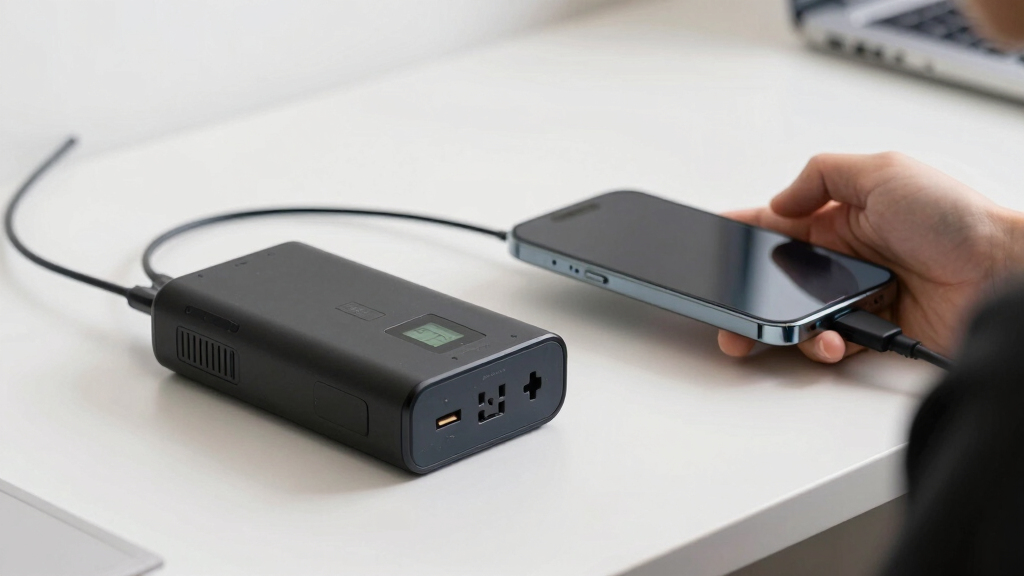
How We Picked
Each product was evaluated based on its inverter capacity, battery size, recharge speed, build quality, and versatility. We prioritized units with true 3000W inverters that can handle demanding appliances and devices. Portability and ease of use were also key, especially for outdoor or emergency scenarios. We compared customer reviews, technical specs, and brand reliability to determine which models balance performance and value. The ranking reflects a combination of power output, feature set, and practical usability, ensuring each option addresses different buyer needs effectively.Factors to Consider When Choosing Best Portable Power Station With 3000 Watt Inverter
Selecting the best portable power station with a 3000 watt inverter requires understanding key factors beyond just wattage. Buyers should consider capacity, size, recharge options, and durability to match their specific use cases, whether for camping, home backup, or off-grid projects. Making an informed choice involves weighing upfront costs against long-term reliability and convenience.Power Output and Inverter Quality
While a 3000 watt inverter is essential for running heavy appliances, not all inverters are created equal. Look for true sine wave inverters that provide stable, clean power, protecting sensitive electronics. The inverter’s surge capacity and efficiency can significantly impact performance, so consider models that handle sudden power demands without strain. Cheaper inverters may cut corners, leading to noise, inefficiency, or potential damage over time.
Battery Capacity and Runtime
Battery size directly affects how long your devices can run. Larger capacities like 2000Wh or more enable extended use, but also increase weight and size. Think about your typical power needs and choose a capacity that covers your essential devices without overloading portability. Keep in mind that battery chemistry and quality influence longevity and safety, with lithium iron phosphate (LFP) batteries offering longer cycles and higher stability.
Recharging Options and Speed
Fast recharge features — such as AC wall charging, solar input, or car charging — can save valuable time, especially in emergency or remote scenarios. However, higher charging speeds often come with higher costs or increased wear on the battery. Consider whether the unit supports multiple recharging methods, including solar, which can be important for off-grid use. Compatibility with solar panels can extend your power independence but verify panel specifications and input limits first.
Portability and Size
The weight and dimensions of a power station are critical if you plan to carry it frequently or take it on outdoor trips. Units with larger batteries tend to be heavier, which can compromise portability. Look for models with ergonomic handles or compact designs if mobility is a priority. Balance your power needs with how much weight you’re willing to carry, especially if you’ll be hiking or camping with the unit.
Build Quality and Durability
Durability matters more than ever for portable units exposed to outdoor conditions. Check for rugged housings, water resistance, and secure port covers. Reliable brands often offer better warranties and customer support, giving peace of mind during heavy use. Remember that a well-built unit may cost more initially but can save money long-term through fewer repairs and replacements.
Frequently Asked Questions
Can a portable power station with 3000W inverter run my home appliances?
Yes, a power station with a 3000W inverter can handle many home appliances, such as refrigerators, microwaves, or power tools, provided their startup surge requirements are within the inverter’s capacity. However, it’s important to check each device’s wattage and surge ratings before connecting, as some appliances draw more power at startup. For continuous use, ensure the power station’s capacity exceeds the total running wattage of all devices combined for safe operation.
How long can I run my devices with a 2000Wh battery?
The runtime depends on your devices’ power consumption. For example, a 100W device can run approximately 20 hours on a 2000Wh battery, while a 300W device would last around 6-7 hours. Always account for surge capacities and efficiency losses, which can slightly reduce actual usage time. Planning for longer durations may require larger capacity units or supplementary power sources like solar panels.
Is it worth paying extra for fast charging features?
Fast charging can be highly beneficial if you need quick turnaround times between uses, especially in emergency situations or when traveling. However, fast chargers may increase wear on the battery over time and can add to the initial cost. If you typically recharge your power station overnight or have ample solar input, investing in faster chargers might not be necessary. Evaluate your usage patterns to determine if the convenience justifies the extra expense.
How do I choose between portability and capacity?
Balancing portability and capacity depends on your primary use case. If you need a lightweight unit for outdoor adventures, smaller capacities with lighter weights are preferable. Conversely, if you want reliable backup power at home, larger, more powerful models may be worth the extra weight. Consider how often you’ll need to transport the unit and how much power you require, aiming for a model that offers the best compromise for your needs.
Are solar panels necessary for these power stations?
While not strictly necessary, solar panels can greatly extend your off-grid capabilities by providing renewable recharging options. They are especially useful for prolonged outdoor trips or emergency backup scenarios where grid power isn’t available. Compatibility and input limits vary by model, so verify that the power station supports your chosen solar panel setup. Investing in solar input can reduce dependency on grid electricity and improve sustainability.
Conclusion
For most users, the DJI Power 2000 offers the best overall combination of high capacity, reliable inverter performance, and fast recharge, making it ideal for home backup or demanding outdoor use. Those prioritizing portability and quick charging might prefer the BLUETTI Elite 100 V2, which balances power with ease of transport. Budget-conscious buyers or light outdoor enthusiasts may find the Jackery Explorer 300 sufficient, despite its lower inverter capacity. For heavy-duty, long-term off-grid power, investing in premium models with larger capacities and rugged build quality will be most rewarding. Tailor your choice based on your specific power needs, mobility requirements, and budget constraints.