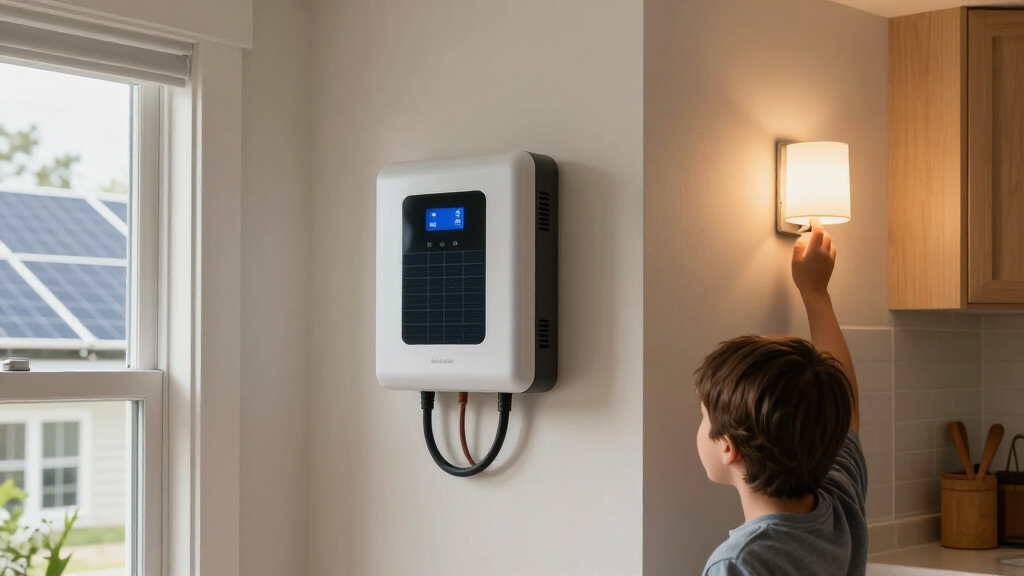

For most homes needing split-phase backup, I’d put the SUNGOLDPOWER 10,000W 48V inverter with dual MPPT first for its combination of substantial output and two solar inputs. The POWLAND 12,000W stands out for buyers interested in battery-free operation, while the ECO-WORTHY PowerMega is a more integrated option with a 10kW inverter and LiFePO4 storage. The main tradeoffs are 24V versus 48V battery systems, single-phase versus split-phase output, and whether you want a standalone inverter or a bundled storage system. A higher wattage label alone does not confirm that an inverter can run your largest loads or connect appropriately to your home. Read on for the full breakdown of all 15 options and what separates them.

Get backup power and energy gear delivered free — and shop member deals
- Fast, free delivery on millions of items
- Access to Prime Big Deal Days deals on October 6–7
- Prime Video, Amazon Music and more included
Key Takeaways
- The SUNGOLDPOWER 10,000W 48V model is my overall pick because dual MPPT inputs and split-phase output make it a flexible fit for a wider range of home solar layouts than the smaller 24V choices.
- 48V models dominate the high-output end of this lineup. For substantial household loads, their system voltage is a better starting point than a 24V inverter, though batteries, wiring, and installation still need to match.
- Split-phase output is a deciding feature, not a bonus. The 10,000W and 12,000W models that specify 120/240V or split phase are more relevant to homes with compatible 240V circuits than 120V-only options.
- The POWLAND’s battery-free design is a specialized advantage. It may suit a buyer prioritizing solar operation without storage, but it is not a substitute for a battery-backed system when nighttime or outage power is the goal.
- The ECO-WORTHY PowerMega is the clearest bundled-system choice. Its 10kW inverter and 48V 314Ah LiFePO4 storage reduce component-matching work, while buyers seeking only an inverter may prefer a standalone model.




| hybrid solar inverters for home | AC output |
|---|---|
| VEVOR Hybrid Solar Inverter 30 | 120V AC |
| HumsiENK 12000W 48V Hybrid Sol | 120/240V split phase |
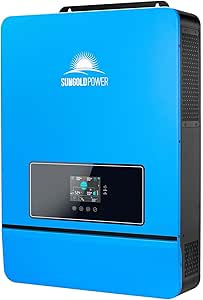
| SUNGOLDPOWER 10,000W 48V Split | 120V or 120/240V split phase |
| SUMRY 4000W Hybrid Solar Inver | 120V AC |
| SUNGOLDPOWER 5000W 48V Hybrid | 110/120V AC |
| 6500W Hybrid Solar Inverter 48 | 220–230 V, single phase |
| POWLAND 12,000W Hybrid Solar I | 120/240 V split phase |
| AMPINVT 5000W Solar Inverter 4 | 120 V AC |
| SUMRY 3600W Hybrid Solar Inver | 110/120 V AC |
| 4200W 24V Solar Hybrid Inverte | — |
| 4000W 24V Hybrid Solar Inverte | 120V pure sine wave |
| 12000W Hybrid Solar Inverter 4 | 120V single-phase or 240V split-phase |
| ECO-WORTHY PowerMega 48V 314Ah | — |
| 48V 3600W Hybrid Solar Inverte | 120V |
| WattCycle 48V 12kW Hybrid Sola | 120V AC and split-phase 240V |
More Details on Our Top Picks
VEVOR Hybrid Solar Inverter 3000W Single Phase Pure Sine Wave Power Inverter 24V DC to 110/120V AC Built-in 100A MPPT Solar Charge Controller for Off-Grid Lead Acid Lithium Battery
The VEVOR is the most approachable fit here for a modest off-grid setup: its 3,000W pure sine wave output and built-in 100A MPPT controller combine two core components in one unit. That can simplify system planning compared with the larger, separate high-capacity choices, such as the HumsiENK 12,000W, which is aimed at whole-home split-phase loads. VEVOR also accepts 24V lead-acid or lithium batteries and offers Wi-Fi monitoring, giving smaller cabins or essential-load systems useful flexibility.
The tradeoff is capacity and installation convenience. Its 24V architecture and 120V output are a narrower match than the HumsiENK’s 48V, 120/240V arrangement, and device connections require external wiring because there is no built-in AC outlet. App data updates every five minutes, so monitoring is not real-time. I’d choose it for moderate loads, not a home requiring split-phase service or frequent high-demand appliance use.
Pros:- Combines a 3,000W inverter and 100A MPPT controller in one unit.
- Pure sine wave output suits sensitive electronics.
- Works with 24V lead-acid and lithium batteries.
- Wi-Fi monitoring and selectable charging and output modes add system flexibility.
Cons:- 120V-only output and 3,000W capacity limit suitability for larger household loads.
- External wiring is needed because there is no built-in AC outlet.
- Wi-Fi data refreshes every five minutes rather than in real time.
Best for: Owners of small off-grid homes or cabins with a 24V battery bank, moderate 120V loads, and a preference for an integrated inverter and solar charger.
Not ideal for: Households needing 120/240V split-phase service, high whole-home output, or immediate app updates; the 3,000W rating and five-minute refresh interval may not fit those needs.
- Peak output:4,000W
- Battery voltage:24V DC
- AC output:120V AC
- Solar charge controller:100A MPPT
- Waveform:Pure sine wave
- DC input range:60–500V DC
- Weight:15.2 lb
Our verdict“Choose the VEVOR for a compact 24V off-grid system with moderate 120V loads, but look to a split-phase model for broader home backup.”
HumsiENK 12000W 48V Hybrid Solar Inverter, 120/240V Split Phase
For a home that needs both 120V and 240V circuits, the HumsiENK is the strongest match in this group. It combines a 10,000W continuous inverter, 12,000W MPPT solar charging, and a 220A battery charger, while its native 120/240V split-phase output suits a broader range of household equipment than the VEVOR’s 120V-only design. A transfer time of 10ms or less also helps keep connected loads supported when utility or generator power drops.
This capacity comes with real installation demands: the unit weighs 51.8 lb, requires a 48V battery system, and is a much larger commitment than the 5,000W SUNGOLDPOWER. Dual MPPT channels and support for up to six parallel units leave room for a growing system, but many modest homes won’t need that scale. I’d shortlist it for substantial backup loads and split-phase needs, not a small cabin or a simple 120V essentials circuit.
Pros:- Native 120/240V split-phase output supports a wider range of home circuits.
- Combines a 10,000W inverter, 12,000W MPPT charger, and 220A battery charger.
- UPS switchover is specified at 10ms or less.
- Dual MPPT channels and support for up to six parallel units allow system expansion.
Cons:- Requires a 48V battery system.
- At 51.8 lb, it calls for a sturdy mounting location and careful installation.
- Its capacity and feature set may be excessive for small or essentials-only systems.
Best for: Homeowners building a 48V backup system for substantial household loads, including equipment that requires 240V, with a plan for professional installation.
Not ideal for: Owners of small 120V-only systems or anyone who needs a light, simple-to-mount inverter; its 51.8 lb weight and high system capacity may be unnecessary.
- Battery voltage:48V
- Continuous output:10,000W
- Surge output:12,000W
- AC output:120/240V split phase
- MPPT solar charger:12,000W, dual channels
- Battery charger:220A
- UPS switchover:≤10ms
- Parallel operation:Up to 6 units
- Weight:51.8 lb
Our verdict“Choose the HumsiENK when your home needs substantial 120/240V backup and you can accommodate a large, heavy 48V inverter.”
SUNGOLDPOWER 10,000W 48V Split-Phase Solar Inverter with Dual MPPT
The SUNGOLDPOWER stands apart for offering battery-free operation alongside 10,000W output, dual MPPT controllers, and selectable 120V or 120/240V output. That makes it a flexible choice for buyers who want to run compatible loads from solar without making battery storage a prerequisite. The ability to accept AGM, gel, flooded, lithium, or user-defined battery settings also gives it more battery-configuration options than the 24V VEVOR, while its 500V DC maximum PV open-circuit voltage allows a high-voltage solar array design.
Compared with the HumsiENK, this model’s standout is operational flexibility rather than a specified 220A battery charger or parallel expansion. It supports up to 200A battery charging and time-slot scheduling, but weighs 54 lb and has a stated two-year warranty. Battery-free operation also doesn’t mean every solar configuration or load will work without storage; check system conditions before relying on it for backup.
Pros:- Supports battery-free operation as well as battery-based systems.
- Offers 10,000W rated output with a stated 20,000W peak.
- Dual MPPT controllers and up to 200A battery charging support substantial solar and storage setups.
- Selectable 120V or 120/240V output and broad battery compatibility provide configuration flexibility.
Cons:- The 54 lb unit may require substantial mounting support.
- Battery-based operation requires a 48V system.
- The stated warranty is two years, and battery-free use depends on system conditions.
Best for: Homeowners planning a 48V solar installation who want the option to operate without batteries and need a choice of 120V or split-phase output.
Not ideal for: Buyers who need a lightweight inverter, extensive stated parallel expansion, or guaranteed battery-backed operation regardless of solar conditions.
- Peak output:20,000W
- Battery input:48V DC
- AC output:120V or 120/240V split phase
- Solar controllers:2 MPPT
- Maximum PV open-circuit voltage:500V DC
- Maximum battery charging current:200A
- Battery-free operation:Supported
- Weight:54 lb
Our verdict“Pick this SUNGOLDPOWER if battery-free solar operation and flexible output options matter more than a lighter installation or a specified parallel setup.”
SUMRY 4000W Hybrid Solar Inverter, 24V DC to 120V AC, Pure Sine Wave
The SUMRY suits a particular household need: using solar for daytime power before investing in battery storage. It supports battery-free daytime operation under specified PV voltage and grid conditions, and its 140A MPPT controller is a stronger charging component than the VEVOR’s 100A unit. With 4,000W rated output, pure sine wave AC, and support for several 24V battery types, it can also form the center of a modest battery-backed setup.
That extra output does not make it a substitute for the HumsiENK when 240V circuits or high whole-home capacity are needed: the SUMRY is a 24V, 120V-only inverter. Its 8,000W peak figure should not be treated as continuous capacity, so buyers need to match both normal and startup loads to the rated output. Battery-free use also has conditions, and the unit’s three fans may matter if it will sit near living space.
Pros:- Can operate without a battery during daytime under specified conditions.
- Includes a 140A MPPT charge controller.
- Supports several 24V battery chemistries, including LiFePO4.
- Pure sine wave output and a 6.25-inch LCD aid appliance compatibility and setup.
Cons:- 120V output and 24V battery architecture limit fit for split-phase home circuits.
- Battery-free operation depends on PV voltage and grid conditions.
- Three cooling fans may be a poor fit for noise-sensitive indoor locations.
Best for: Homeowners with a 24V system who want daytime solar operation without a battery, or a mid-capacity 120V inverter with room for later battery use.
Not ideal for: Households needing 240V output, quiet placement near living areas, or battery-free operation outside the stated PV and grid conditions.
- Peak output:8,000W
- Battery input:24V DC
- AC output:120V AC
- Charge controller:140A MPPT
- Maximum PV input:5,600W, 350V DC
- Maximum conversion efficiency:98%
- Display:6.25-inch LCD
- Cooling:Three fans
Our verdict“Choose the SUMRY for a 24V, 120V household system where daytime battery-free solar use and a 140A MPPT controller are priorities.”
SUNGOLDPOWER 5000W 48V Hybrid Solar Inverter with 80A MPPT
This SUNGOLDPOWER lands between the small 24V units and the much larger split-phase models. Its 5,000W rated output, 80A MPPT solar charger, and 40A AC charger make it a practical integrated option for a 48V system supplying selected 120V home circuits. A transfer time within 10ms helps it respond quickly when mains or generator power fails. Compared with the VEVOR, it offers more rated output and a 48V battery platform; compared with the 10,000W SUNGOLDPOWER, it is a less ambitious choice for households that don’t need split-phase service.
The main limitation is that its output is 110/120V only, not 120/240V, and it does not support parallel operation. That rules it out for buyers expecting to expand capacity by linking units. It accepts multiple battery types and can take up to 5,500W of PV input, but its 28 lb weight is still a meaningful installation consideration.
Pros:- Combines a 5,000W inverter, 80A MPPT solar charger, and 40A AC charger.
- Transfer to battery power is specified within 10ms.
- Supports AGM, gel, flooded, lithium, and user-defined battery settings.
- Accepts a PV array up to 5,500W and 500V.
Cons:- Designed for 48V battery systems.
- 110/120V output does not provide 120/240V split phase.
- Does not support parallel operation for capacity expansion.
Best for: Homeowners with a 48V battery bank who want an integrated inverter, solar charger, and AC charger for selected 120V backup circuits.
Not ideal for: Buyers who need 240V appliances, plan to scale output with parallel inverters, or want a lighter unit for a straightforward installation.
- Peak output:10,000W
- Battery input:48V DC
- AC output:110/120V AC
- Solar charging:80A MPPT
- AC battery charging:40A
- Maximum PV array:5,500W, 500V
- Transfer time:Within 10ms
- Weight:28 lb
Our verdict“Choose this model for moderate 120V backup on a 48V system, but select a split-phase inverter if your home needs 240V circuits or parallel expansion.”
6500W Hybrid Solar Inverter 48V DC to 220V AC Home Backup
I’d put this 6.5kW model on the shortlist for homes that already use 220–230V single-phase power and need more output than a typical 24V unit. Its built-in 120A MPPT controller, battery charger, and pure sine-wave output combine several system components, while multiple charging and output modes give buyers flexibility across backup and off-grid setups. Compared with the POWLAND 12,000W, it lacks split-phase output and parallel expansion, so it is a simpler, lower-capacity choice rather than a platform for a larger home system. The main tradeoff is regional fit: its output is not standard US 110V, and installation may call for professional help. I’d verify appliance voltage and local electrical requirements before choosing it.
Pros:- 6.5kW output suits more demanding loads than many smaller home backup inverters.
- Built-in 120A MPPT controller combines solar charging and inversion in one unit.
- Pure sine-wave output is suited to sensitive electronics and household equipment.
- Multiple charging and output modes support varied backup and off-grid arrangements.
Cons:- 220–230V output does not directly suit standard US 110V appliances.
- No stated split-phase or parallel capability limits expansion in some regions.
- Its size and system complexity may make professional installation appropriate.
Best for: Households with compatible 220–230V appliances that want a 48V inverter with 6.5kW output and an integrated MPPT charger.
Not ideal for: US households relying on 110V appliances or buyers who need split-phase service, parallel expansion, or a straightforward DIY installation.
- Battery input:48 V DC
- AC output:220–230 V, single phase
- MPPT charge controller:120 A
- Battery capacity listed:120 Ah
- Waveform:Pure sine wave
- Display:LCD
- Frequency:60 Hz
Our verdict“Choose it for compatible 220–230V homes needing 6.5kW backup, but skip it if you require US 110V or expandable split-phase output.”
POWLAND 12,000W Hybrid Solar Inverter with WiFi, Battery-Free Design, Dual MPPT, and 48V Battery Support
For a home that needs 120/240V split-phase output and room to expand, this POWLAND has the broadest stated system architecture in this group: dual MPPT, battery-free operation under configured conditions, and parallel connection for up to six units. That makes it a more flexible large-system candidate than the 6,500W 220–230V inverter, which is limited to single-phase output and has no stated parallel support. One detail deserves a close check before planning around it: the title says 12,000W, but the specifications list 10,000W output. Grid feed-in also needs an optional CT sensor, and its 46-pound body needs suitable mounting space. I’d confirm the actual output rating and local interconnection requirements with the seller or installer before sizing a home system.
Pros:- 120/240V split-phase output fits many North American home circuits.
- Dual MPPT and support for up to six parallel units allow system expansion.
- Battery-free operation can support solar use without adding storage at the outset.
- Supports both 48V LiFePO4 and lead-acid batteries.
Cons:- The title claims 12,000W while the listed output specification says 10,000W.
- Grid feed-in requires an optional CT sensor.
- At 46 pounds and over 24 inches long, it needs substantial mounting space.
Best for: Homeowners planning a 48V split-phase solar-and-storage system who value dual MPPT inputs and the option to parallel multiple units.
Not ideal for: Buyers who need a clearly verified 12kW rating, integrated grid-feed-in sensing, or a compact and lightweight inverter.
- Listed output power:10,000 W
- Battery input:48 V
- AC output:120/240 V split phase
- Solar input voltage:90–500 V DC
- MPPT controllers:Dual
- Battery compatibility:48 V LiFePO4 and lead-acid
- Parallel capacity:Up to 6 units
- Dimensions and weight:24.41 × 17.13 × 5.12 in; 46 lb
- Warranty:2 years
Our verdict“Pick the POWLAND for an expandable split-phase system only after verifying its output rating and the extra equipment needed for grid feed-in.”
AMPINVT 5000W Solar Inverter 48V to 120V with 100A MPPT Charger, 5500W PV Input, Off-Grid Pure Sine Wave, Parallel Up to 6 Batteries
I’d consider the AMPINVT for a 48V, 120V off-grid system that may need more capacity later. It combines an inverter, AC battery charger, MPPT controller, and automatic transfer switch, while support for up to six parallel units gives it a clear growth path. Its 5kW rated output is below the POWLAND’s listed 10kW, but the AMPINVT is a more focused fit for 120V loads rather than a split-phase whole-home design. A 100A MPPT charger and 5,500W maximum PV input provide useful solar capacity, and RS485 and USB offer local monitoring and configuration; Wi-Fi is optional. The tradeoff is installation effort: the multiple operating modes and parallel setup can be demanding, and its relatively large enclosure needs a suitable location.
Pros:- Combines inverter, AC charger, MPPT controller, and automatic transfer switch.
- Supports up to six parallel units for larger off-grid systems.
- Accepts lead-acid and LiFePO4 batteries across several battery types.
- RS485 and USB provide configuration and monitoring options, with optional Wi-Fi.
Cons:- 120V output does not provide the split-phase service needed by many 240V household loads.
- Wi-Fi monitoring requires an optional module.
- Multiple modes and parallel configuration may call for professional setup.
Best for: Off-grid homeowners using 120V loads who want a 48V system with integrated charging and the option to add parallel inverter capacity.
Not ideal for: Buyers who need 120/240V split-phase output, built-in Wi-Fi, or a compact unit with minimal setup.
- Peak output:10,000 W
- Battery input:48 V DC
- AC output:120 V AC
- MPPT charge current:100 A
- Maximum PV input power:5500 W
- PV input voltage range:60–500 V DC
- Parallel support:Up to 6 units
- Battery types:Lead-acid and LiFePO4
Our verdict“Choose the AMPINVT for a scalable 48V off-grid system built around 120V loads, not for a split-phase home or a plug-and-play installation.”
SUMRY 3600W Hybrid Solar Inverter Charger, 24V DC to 120V AC
The SUMRY suits a smaller 120V home backup setup where buyers want integrated charging without moving to a 48V battery bank. It combines a 3,600W inverter, 120A MPPT controller, and 100A AC charger, and it can run without a battery under specified solar-input conditions. That battery-free option sets it apart from the AMPINVT 5000W, which offers higher rated output and a 48V platform but is aimed at larger systems. The SUMRY’s 24V design and 4,200W maximum PV input can work for modest household loads, though they leave less room for high-power appliances than the 6.5kW model. Buyers should also plan around its conditional battery-free mode; remote monitoring is an additional module rather than a built-in feature.
Pros:- Integrates inverter, 120A MPPT controller, and 100A AC battery charger.
- Supports AGM, gel, lead-acid, lithium-ion, and LiFePO4 batteries.
- Battery-free operation is available under specified solar conditions.
- Pure sine-wave output suits compatible household electronics.
Cons:- The 3,600W rating is lower than the 4,200W and 5,000W options in this batch.
- Battery-free operation depends on specific solar-input conditions.
- Remote monitoring requires a separate optional module.
Best for: Homeowners building a modest 24V, 120V backup system who want integrated solar and AC charging plus the possibility of battery-free daytime operation.
Not ideal for: Households with large simultaneous loads, 240V equipment, or buyers who want included remote monitoring and uncomplicated battery-free operation.
- Peak output power:7200 W
- Battery input:24 V DC
- AC output:110/120 V AC
- MPPT controller:120 A
- AC battery charger:100 A
- Maximum PV input power:4200 W
- Battery compatibility:AGM, gel, lead-acid, lithium-ion, and LiFePO4
- Dimensions and weight:13.8 × 4.3 × 16.5 in; 8.5 kg
Our verdict“Choose this SUMRY for modest 24V loads and conditional battery-free solar use, but look to a higher-output model for heavier household demand.”
4200W 24V Solar Hybrid Inverter with 120A MPPT Controller
This 4.2kW unit stands out for buyers pairing a 24V battery bank with a comparatively large solar array. Its 120A MPPT controller supports up to 6,200W of PV, and it can operate without a battery once PV input reaches 130V DC. That gives it a stronger stated solar-array ceiling than the SUMRY 3600W, whose maximum PV input is 4,200W, while offering more continuous output as well. The tradeoff is that battery-free use has a defined voltage threshold, and Wi-Fi monitoring requires an optional module. It is still a 24V, 120V-oriented choice, not a substitute for the POWLAND’s 120/240V split-phase setup. I’d check array configuration and household load requirements before selecting it.
Pros:- 120A MPPT controller supports up to 6,200W of solar array capacity.
- 4,200W continuous output with 8,400W surge capacity covers a range of moderate loads.
- Battery-free operation is supported when PV input is at least 130V DC.
- RS485, RS232, and dry-contact interfaces provide system communication options.
Cons:- Battery-free operation requires at least 130V DC PV input.
- Wi-Fi monitoring requires an optional module.
- 24V battery architecture and no stated split-phase output limit fit for larger whole-home systems.
Best for: Homeowners planning a 24V system with a larger PV array, moderate household loads, and interest in battery-free daytime operation.
Not ideal for: Buyers needing split-phase 120/240V output, built-in Wi-Fi, or battery-free operation from low-voltage PV input.
- Continuous output power:4200 W
- Surge power:8400 W
- Battery voltage:24 V DC
- MPPT charging current:120 A
- Maximum PV array power:6200 W
- Maximum PV input voltage:500 V DC
- MPPT voltage range:60–450 V
- Minimum PV input for battery-free operation:130 V DC
- Interfaces:RS485, RS232, dry contact
Our verdict“Pick this model for a solar-heavy 24V system with moderate loads, but choose a split-phase inverter for homes with 240V requirements.”
4000W 24V Hybrid Solar Inverter Charger, 120V AC Pure Sine Wave
This model is a practical middle ground for a 24V home backup setup: it combines a 4,000W pure sine wave inverter, a 140A MPPT charger, and utility or generator input in one unit. Its built-in transfer switch can shift supported loads between sources, while configurable priorities let owners favor solar, battery, or AC input. Batteryless daytime operation may suit solar-powered loads when sunlight is sufficient, but it does not replace battery storage for evening use or cloudy periods.
Compared with the 48V 3600W Hybrid Solar Inverter, this unit offers more continuous output and a higher PV ceiling, but its 24V battery bank calls for substantial current at high loads. I’d choose it for a moderate backup system, not a whole-home installation. Battery and BMS settings need careful matching, and installation requires suitable circuit protection and a dry, ventilated location.
Pros:- Combines a 4,000W pure sine wave inverter, MPPT charger, and AC input in one unit.
- Built-in automatic transfer switch supports switching between available power sources.
- Accepts several 24V battery chemistries, including lithium-ion and LiFePO4.
- Batteryless daytime operation can serve loads when solar conditions are sufficient.
Cons:- A 24V bank draws substantial current under heavy loads, making battery and cabling choices important.
- Charging parameters and BMS compatibility require careful configuration.
- Installation needs appropriate circuit breakers and a dry, well-ventilated space.
Best for: Homeowners building a 24V backup system for selected 120V circuits who want solar, battery, and generator or utility charging in one unit.
Not ideal for: Buyers planning high-power whole-home or 240V split-phase service, or anyone unwilling to size and configure a 24V battery bank carefully.
- Continuous power:4000W
- Surge power:8000W
- DC input:24V
- AC output:120V pure sine wave
- Solar charge controller:140A MPPT
- Maximum PV input:5600W
- Maximum solar input voltage:350VDC
- Battery compatibility:24V AGM, Gel, lead-acid, lithium-ion, and LiFePO4
Our verdict“Choose this for a carefully configured 24V system serving selected 120V home loads, but skip it for split-phase or whole-home power.”
12000W Hybrid Solar Inverter 48V DC to 110/220V AC, Pure Sine Wave Single Phase Split Phase Power Inverter, Built-in 2 MPPT Controller, Max. 220A Battery Charging, Parallel 6 Units, UL1741
For a home with substantial 120V and 240V loads, this inverter’s standout advantage is its 12,000W continuous split-phase output, backed by two MPPT controllers and support for up to six parallel units. That makes it a more scalable starting point than the 4000W 24V Hybrid Solar Inverter Charger, whose 120V-only output and lower capacity suit smaller backup systems. A 48V battery platform and stated 220A charging capability also fit a larger storage plan, while batteryless operation can serve direct solar loads when conditions allow.
The tradeoff is that this much capacity brings greater system-design demands: batteries, wiring, protection, and parallel configuration must all match the intended loads. The listing states UL1741 and IP65, but buyers should verify the specific model’s certification and installation requirements for their jurisdiction. I’d favor it for a technically planned home system, not a simple plug-in backup.
Pros:- 12,000W continuous output supports more demanding household loads than the smaller 24V options.
- Provides 120V single-phase or 240V split-phase output from one unit.
- Two MPPT controllers and up to 500VDC PV input allow flexible array design.
- Supports up to six units in parallel and lists UL1741 certification.
Cons:- High output and 220A charging call for a substantial, carefully matched battery and electrical system.
- Parallel and split-phase setup is more involved than configuring a smaller single-output inverter.
- The listed dimensions appear unusual for this class of equipment, so buyers should confirm physical measurements before planning a mounting location.
Best for: Homeowners and system installers planning 48V storage, 120/240V split-phase loads, and a possible future expansion through parallel inverters.
Not ideal for: Buyers with modest 120V backup needs, limited battery capacity, or no qualified help for configuring a large split-phase system.
- Continuous output:12000W
- Peak output:24000W
- DC system voltage:48V
- AC output:120V single-phase or 240V split-phase
- Solar controllers:2 MPPT
- Maximum PV voltage:500VDC
- Maximum battery charging current:220A
- Parallel capability:Up to 6 units
- Listed certification:UL1741
Our verdict“Pick this for a scalable 48V home system that needs split-phase output, provided the battery bank and installation are designed for its capacity.”
ECO-WORTHY PowerMega 48V 314Ah LiFePO4 Energy Storage System with 10kW Hybrid Inverter
Unlike the inverter-only choices here, the ECO-WORTHY PowerMega pairs a 10kW hybrid inverter with a 48V, 314Ah LiFePO4 battery rated for 16.1kWh of usable energy. That bundled storage makes it easier to plan a backup system around a defined battery capacity instead of sourcing components separately. Its 120V and 240V output also makes it a closer fit for mixed household loads than the 4000W 24V Hybrid Solar Inverter Charger, which is limited to 120V.
Monitoring over WiFi and Bluetooth, multiple communication protocols, and active battery balancing add useful system visibility and coordination options. The compromise is logistics and installation: at 293.2 pounds, the battery arrives as a serious freight-handling job, and the inverter exterior version is selected randomly. I’d put this ahead of standalone units for buyers who want matched core components, but not for anyone needing a light or easily relocated setup.
Pros:- Includes a 10kW inverter and a 16.1kWh usable LiFePO4 battery as a coordinated system.
- Supports 120V single-phase and 240V split-phase output for different home loads.
- WiFi, Bluetooth, and several wired communication protocols provide monitoring and integration options.
- Battery includes active balancing and lists a 10-year warranty.
Cons:- The 293.2-pound battery requires careful delivery planning, placement, and installation.
- The inverter exterior version is selected randomly, limiting control over the supplied appearance.
- Bundled storage makes this less flexible for buyers who already own a compatible battery bank.
Best for: Homeowners who want a bundled 48V battery and inverter system with substantial stored energy for backup or off-grid use.
Not ideal for: Renters, buyers with restricted access or limited installation space, and anyone who needs to move or carry the battery without freight equipment.
- Battery chemistry:LiFePO4
- Battery voltage and capacity:51.2V, 314Ah
- Usable energy:16.1kWh
- Inverter power:10kW
- Output voltage:120V single-phase or 240V split-phase
- Cycle life:9000+ cycles at 80% DoD
- Communication:RS485, CAN, RS232, WiFi, and Bluetooth
- Weight:293.2 lb
- Certification:UL 1973
Our verdict“Choose the PowerMega if you want a defined battery-and-inverter package with split-phase output and have a suitable permanent installation site.”
48V 3600W Hybrid Solar Inverter with 80A MPPT Charger and WiFi
This is the more restrained 48V option in the group: 3,600W continuous output, 120V AC, an 80A MPPT charger, and WiFi monitoring in an all-in-one unit. It makes more sense for a few household circuits than a high-demand service upgrade. Compared with the 4000W 24V Hybrid Solar Inverter Charger, it gives up some inverter and charging capacity but moves to a 48V battery system, which can suit buyers already building around that voltage.
Priority modes let the owner choose how solar, battery, and utility power are used, while batteryless operation and support for up to six parallel units add flexibility. Those options do not remove the setup work: battery charging and output settings can be complex, and battery-free operation needs at least 80V PV. I’d choose it for modest loads and a compact installation, not for 240V appliances or whole-home backup.
Pros:- Combines a 3,600W pure sine wave inverter and 80A MPPT charger.
- 48V DC input suits buyers standardizing on a 48V battery bank.
- WiFi/GPRS monitoring and selectable power priorities support remote oversight and system control.
- Supports batteryless operation and parallel connection of up to six units.
Cons:- 120V output does not directly serve 240V split-phase household loads.
- Battery-free operation requires a minimum PV operating voltage of 80VDC.
- Configuration settings may require technical knowledge to match batteries and operating priorities.
Best for: Homeowners with a 48V battery bank who want a modest 120V backup inverter with WiFi monitoring and room to parallel units later.
Not ideal for: Buyers who need 240V split-phase output, high continuous power, or a setup that works without configuring charging and output modes.
- Continuous power:3600W
- Peak power:7200W
- DC input:48V
- AC output:120V
- MPPT charge current:80A
- Maximum PV input voltage:300VDC
- Connectivity:WiFi/GPRS
- Dimensions:16.33 × 11 × 3.9 in
Our verdict“Choose this for a compact 48V system serving selected 120V circuits, but look elsewhere for split-phase or high-load backup.”
WattCycle 48V 12kW Hybrid Solar Inverter with 200A Bypass, Split Phase
The WattCycle is the heavy-load pick for homes that need 12kW continuous split-phase output and a 200A bypass. Its dual MPPT inputs, 250A charger, built-in ATS generator control, and touchscreen with WiFi-enabled EMS monitoring put substantial control and charging capacity in one inverter. Compared with the Aninerel 12000W Hybrid Solar Inverter, it also lists a 200A bypass and a 250A charger, which may better suit systems built around large loads and fast charging; the Aninerel listing, however, spells out UL1741 and IP65.
Six-unit parallel support gives this model an expansion path, but its capacity makes installation and battery selection a serious design task. The listing describes 24kW dual MPPT solar inputs, with a 32A maximum per string, so array design needs close attention to those limits. I’d shortlist it for a professionally planned home system, not a small backup installation or a tight equipment space.
Pros:- 12kW continuous split-phase output and 18kVA surge capacity suit demanding household loads.
- 200A bypass and built-in ATS generator control support a high-capacity backup design.
- Dual MPPT inputs are listed for up to 24kW of solar input.
- 250A charging and parallel support for up to six units allow a scalable system.
Cons:- Complex installation and high system capacity can call for a qualified electrician and careful battery sizing.
- Large physical size and weight may restrict placement options.
- The listed 32A maximum per string requires attention when matching the solar array.
Best for: Homeowners planning a high-capacity 48V system for substantial 120V and 240V loads, with professional installation and potential parallel expansion.
Not ideal for: Buyers with modest backup needs, limited installation space, or no plan for professional system design and electrical work.
- Continuous power:12kW
- Peak output power:18,000W
- System voltage:48V DC
- AC output:120V AC and split-phase 240V
- Bypass capacity:200A
- Solar input:24kW dual MPPT; 32A maximum per string
- Charger current:250A
- Parallel capability:Up to 6 units
- Frequency:60Hz
Our verdict“Choose WattCycle for a professionally designed 48V split-phase system with high household loads and a need for substantial bypass and charging capacity.”
How We Picked
I ranked these hybrid solar inverters for homes by how well their stated specifications map to real residential decisions: output capacity, 24V or 48V battery compatibility, AC output type, solar charge capability, and whether battery storage is included or optional. I gave more weight to models that specify useful home-system details—such as split-phase output, dual MPPT, or a clearly stated battery arrangement—than to a large wattage figure without enough context to judge system fit.
The order also reflects usability and system flexibility. Models with features that address common planning needs rank ahead of narrower 120V or lower-output options, while bundled storage earns a distinct role rather than an automatic win. Product names and provided specifications do not confirm certification, grid-interconnection approval, surge performance, or compatibility with every battery and appliance; I treat those as items buyers must verify in the current manufacturer documentation and with a qualified installer before purchase.
Factors to Consider When Choosing Hybrid Solar Inverters For Homes
Choosing an inverter starts with the home’s electrical plan, not the biggest number in a product title. I’d first identify which circuits need backup, how the solar array and battery will connect, and whether the system is intended to operate off-grid, during outages, or alongside the utility. These broader checks can rule out an otherwise appealing model before you buy.
Match AC Output to the Circuits You Need to Run
List the appliances and circuits you want powered at the same time, then check both their running demand and their startup needs. Motors, pumps, and compressors can briefly draw more than their normal operating wattage, so a headline continuous-output figure does not tell the whole story. A home with 240V equipment also needs an inverter with compatible output; a 120V model may be a poor fit even if its wattage seems adequate. Avoid sizing around an imagined whole-house load if you only need a few essential circuits backed up. Ask an electrician to map those circuits and confirm how the inverter will connect to the panel.
Choose 24V or 48V as a Whole-System Decision
Battery voltage affects more than the inverter: it shapes battery selection, current, cable sizing, and the layout of the full storage system. The 24V models in this lineup can suit smaller, more limited setups, while the 48V options are more common among the higher-output choices. Do not choose voltage based on inverter cost or output alone; check that the battery bank, charge settings, and wiring are designed for the same system voltage. Higher current can mean thicker conductors and greater attention to connection quality. Confirm battery compatibility in writing rather than assuming that a general lithium or lead-acid label covers your exact battery.
Treat Battery Backup and Battery-Free Solar as Different Goals
A battery-ready or hybrid label does not tell you exactly what happens when the grid fails or the sun goes down. If you need evening power or outage backup, plan for adequate storage and verify the inverter’s supported battery types, charging limits, and backup behavior. A battery-free design may be useful for a solar-first arrangement, but it does not provide stored energy when solar production drops. Also check whether the inverter can operate with the battery configuration you plan to add later. Buying an inverter now and leaving storage for later can work, but only if the future battery is compatible and the system is sized around that plan.
Check Solar Input Capacity and MPPT Layout
MPPT count matters when it gives you more flexibility for solar strings with different orientations or shading patterns. Dual MPPT does not automatically mean a larger or better-performing array, so compare the inverter’s permitted PV voltage and current limits with the proposed panel-string design. A mismatch can prevent the system from using its solar capacity as intended or create an unsafe installation. Do not rely on a single maximum-wattage claim without checking the full electrical limits in the manual. Have the installer confirm panel count, string voltage across local temperature conditions, and whether separate roof areas should use separate inputs.
Verify Grid, Transfer, and Local-Code Requirements
Residential backup and utility interconnection have different requirements, and product descriptions may not settle whether a particular installation is allowed where you live. Check the exact model’s current certification documents, permitted operating modes, and local utility rules before treating it as a grid-connected solution. If the inverter will feed a home panel, ask how it handles transfer, neutral bonding, grounding, and isolation from utility power during an outage. These details affect both safety and whether the planned wiring is approved. A qualified installer can identify code or permitting issues before equipment arrives, rather than after the design has been built around it.
Compare a Bundled System With a Separate Inverter and Battery
A bundled inverter-and-battery system can simplify component matching and give buyers a more defined starting point. A standalone inverter offers more freedom to select storage capacity, battery brand, and future upgrades, but it also makes compatibility checks your responsibility. Compare the included battery’s usable energy and power limits with your backup plan; amp-hours alone do not show how long it can run your loads. Check warranty coverage for each component and clarify who supports the system if an inverter and battery come from different suppliers. Paying more for a bundle can make sense when integration and fewer sourcing decisions matter, while a standalone unit may suit buyers with a carefully specified system already in progress.
Frequently Asked Questions
Do I need a 48V inverter to power a typical home?
Not every home needs a 48V inverter, but the 48V options in this lineup are generally the more relevant starting point for higher-output systems. Your choice should follow the loads you plan to back up, battery design, and wiring plan rather than a general idea of what a typical home requires. Smaller 24V models may suit limited circuits or modest systems, while larger loads call for a system designed to handle their demand. Confirm the inverter’s output and surge specifications against your appliances. Have an installer verify that the battery bank and conductors match the chosen voltage.
Can a hybrid inverter power 240V appliances during an outage?
Only if the specific inverter provides compatible 240V output and the system is wired for that use. This roundup includes models described as split phase or 120/240V, alongside 120V-only options, so the product title matters. Check whether 240V is available in backup mode, not just in a general output description. You should also confirm that the inverter can support the appliance’s running and startup loads. A qualified electrician can check the panel and circuit arrangement before you buy.
Is a battery-free hybrid inverter a good choice for home backup?
A battery-free design is not the right choice if your main goal is stored power after sunset or during a grid outage when solar production is unavailable. It may suit buyers focused on using solar while it is being generated, depending on the inverter’s documented operating modes. Before choosing one, confirm what happens when clouds pass, household demand exceeds solar output, or the utility fails. If you plan to add batteries later, check the supported battery voltage and compatibility now. For dependable backup, size storage around the circuits and hours you want covered.
Should I choose a dual-MPPT inverter if my roof has panels on different sides?
Separate MPPT inputs can help when solar strings have different orientations or face different shading conditions. They are not automatically needed for every roof, and the number of inputs alone does not confirm that a particular panel layout will work. Compare the inverter’s PV voltage and current limits with the proposed strings, then ask an installer to model the layout. A poorly matched string can limit solar production or fall outside the unit’s permitted operating range. Dual MPPT is most useful when it solves a real layout difference, not as a feature to buy without a plan.
What should I verify before connecting one of these inverters to my home panel?
Confirm the exact model’s certifications, local code acceptance, and utility requirements for the operating mode you intend to use. Have an electrician check transfer equipment, isolation from the grid during outages, grounding, neutral handling, and panel compatibility. Then verify battery and solar-array limits against the equipment manuals rather than relying only on summary listings. Ask how the system will be permitted, inspected, and supported after installation. A suitable inverter on paper may still be unsuitable for a specific home if its installation requirements do not match local rules or the existing electrical panel.
Conclusion
For the broadest residential fit in this group, my best overall pick is the SUNGOLDPOWER 10,000W 48V split-phase model with dual MPPT, subject to checking its exact electrical limits and installation requirements. The best value direction is a standalone 48V model such as the SUNGOLDPOWER 5000W when your backed-up loads are modest and you do not need a bundled battery. For buyers prioritizing a packaged system, the ECO-WORTHY PowerMega is my premium-style pick because it pairs a 10kW inverter with 48V LiFePO4 storage. I’d steer beginners toward that more integrated system only after confirming its fit with an installer; a simpler 24V SUMRY unit may be easier to match to a small, clearly defined setup. For specific needs, choose the POWLAND if battery-free operation fits your solar plan, or a split-phase 12,000W model if your design calls for higher output and 120/240V service. My final choice would come from matching the inverter to your circuits, solar strings, battery plan, and local installation rules—not from wattage alone.
Fall Picks
fall essentials
As an affiliate, we earn on qualifying purchases.