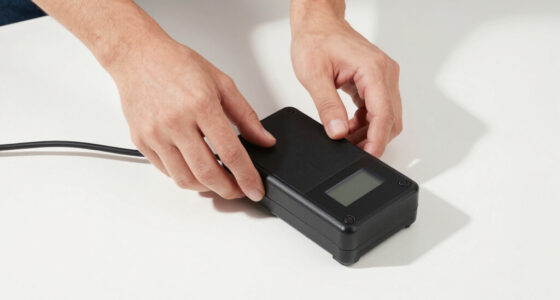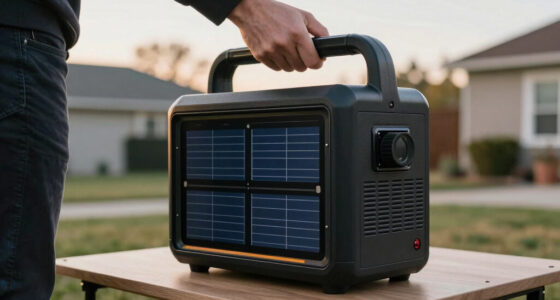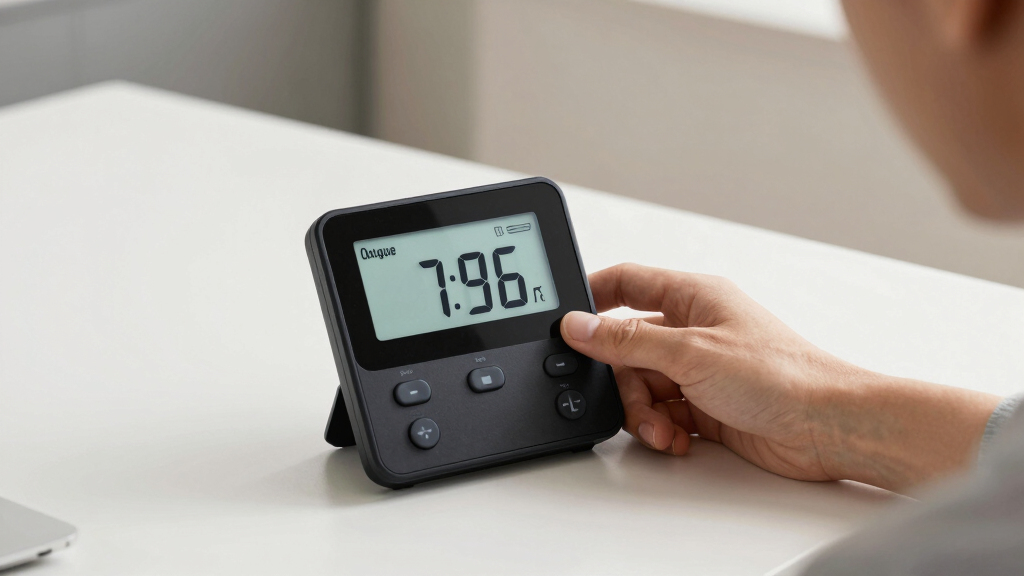

Planning for power outages requires a reliable home energy monitor that offers real-time insights into your electrical system. The Emporia Vue 3 stands out as the overall best choice thanks to its detailed data and automation features, while the Eyedro Home Energy Monitor excels for solar net metering and monitoring multiple circuits. The Govee Smart Plug offers a simple, no-hub solution perfect for quick outage awareness. However, each option comes with tradeoffs—some focus on detailed whole-home data, others on ease of setup or additional features. Keep reading for a detailed breakdown of each product and what to consider when choosing the best energy monitor for outage planning.

Get backup power and energy gear delivered free with Prime
- Fast, free delivery on millions of items
- Prime Video, Amazon Music and more included
- Member-only deals all year
Key Takeaways
- The best monitors balance detailed real-time data with ease of use, especially for outage preparedness.
- Products with multiple circuit sensors provide more comprehensive insights, crucial during outages.
- Compatibility with smart home systems can enhance outage notifications but may increase complexity.
- Affordable plug-in models are ideal for quick setup but lack extensive circuit monitoring capabilities.
- Higher-end systems often include automation features that can preemptively manage power during outages.
| Smart Home Energy Monitor with 16 50A Circuit Sensors, Real-Time Power & Cost Tracking, Compatible with Home Assistant |  | Best Overall for Comprehensive Outage Planning | Model: SEM-Meter | Weight: 4.02 pounds | Dimensions: 3.1 x 1.2 x 4.18 inches | VIEW LATEST PRICE | See Our Full Breakdown |
| Meross Smart Energy Consumption Monitor with Circuit Monitoring |  | Best for Home Automation and Privacy | Certification: ETL, UL 61010 | Supported Systems: Single-phase, 3-phase Wye | Main Circuits: 200A | VIEW LATEST PRICE | See Our Full Breakdown |
| Govee Smart Plug with Energy Monitoring, WiFi & Bluetooth, Alexa & Google Assistant Compatible | 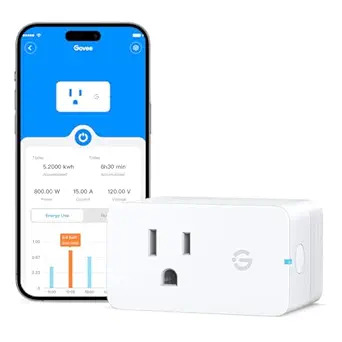 | Best for Simple Appliance-Level Outage Alerts | Connectivity: WiFi and Bluetooth | Compatibility: Alexa and Google Assistant | Max Current: 15A | VIEW LATEST PRICE | See Our Full Breakdown |
| Smart Home Energy Monitor with 2 x 120A CTs, Wi-Fi, and Bi-Directional Power Tracking |  | Best for Solar-Integrated Outage Management | Current Transformers: 2 x 120A CTs | Connectivity: Wi-Fi 2.4GHz | System Support: Single-phase 3-wire | VIEW LATEST PRICE | See Our Full Breakdown |
| Eyedro Home Energy Monitor with 2 Sensors – Real-Time Electricity Usage and Solar Net Metering |  | Best for Outage Planning with Solar and Grid Monitoring | Sensors: 2 x 200A sensors | Connectivity: WiFi (2.4 GHz) and Ethernet | Compatibility: Supports solar, grid, and net metering | VIEW LATEST PRICE | See Our Full Breakdown |
| Refoss Smart Home Energy Monitor with 16x60A Circuit Sensors |  | Best for Multi-Circuit Outage and Energy Analytics | Number of Circuit Sensors: 16 | Main Circuit Capacity: 200A | Branch Circuit Capacity: 60A | VIEW LATEST PRICE | See Our Full Breakdown |
| Emporia Vue 3 Home Energy Monitor – Smart Home Automation Module and Real-Time Electricity Usage Monitor |  | Best for Automated Outage Response and Solar Management | Model: EMV3A-2P-16 | Supported Systems: Single phase, split phase, 2-wire, 3-wire, 3-phase, 4-wire Wye | Sensor Capacity: 16 branch sensors (50A each) | VIEW LATEST PRICE | See Our Full Breakdown |
| Emporia Vue 3 Home Energy Monitor – Real-Time Electricity Usage and Power Consumption Meter |  | Best for Accurate, Compact Outage Monitoring | Certification: UL Listed | Installation: Clamp-on sensors in circuit panel | Supported Systems: Single phase, split phase, 2-wire, 3-wire, 3-phase, 4-wire Wye | VIEW LATEST PRICE | See Our Full Breakdown |
| Upgraded Watt Meter Power Meter Plug Home Energy Monitor with Backlight and Overload Protection |  | Best for Simple, Portable Outage Monitoring and Appliance Tracking | Power Source: Corded Electric | Measurement Type: Electrical | Display Modes: 8 | VIEW LATEST PRICE | See Our Full Breakdown |
| SIEMENS Inhab Smart Home Energy Monitor with Circuit Sensors |  | Best Overall for Detailed Circuit-Level Monitoring and Outage Planning | Model Number: INHEM1216 | Item Weight: 5.26 pounds | Product Dimensions: 1.1 x 5.71 x 2.76 inches | VIEW LATEST PRICE | See Our Full Breakdown |
| Upgraded Watt Power Meter Plug Home Electrical Usage Monitor with Backlight and Overload Protection |  | Best for Simple Appliance-Level Outage Monitoring and Usage Tracking | Monitoring Parameters: Power (W), Energy (kWh), Voltage, Amps, Hertz, Power Factor, Cost, Min/Max Power | Display Size: 2.36 inch x 1.85 inch | Backlight Options: 10 minutes, 1 hour, 4 hours, 8 hours, always on | VIEW LATEST PRICE | See Our Full Breakdown |
More Details on Our Top Picks
Smart Home Energy Monitor with 16 50A Circuit Sensors, Real-Time Power & Cost Tracking, Compatible with Home Assistant
This monitor stands out for its ability to track multiple circuits simultaneously, offering a detailed picture of your home’s energy flow—crucial for outage planning. Compared with the Meross Energy Consumption Monitor, which also supports circuit-level data, the Smart Home Energy Monitor excels in scalability and integration options, including MQTT and privacy controls. Its detailed real-time data can help identify circuit-specific outages quickly, giving it an edge in outage scenarios. However, its technical setup and need for familiarity with LAN configurations might deter less experienced users. This pick makes the most sense for homeowners who want granular, circuit-by-circuit outage insights but are comfortable with some technical configuration.Pros:- Supports monitoring of up to 16 circuits for detailed outage detection.
- Real-time power and cost tracking aid quick outage response.
- Supports multiple monitoring protocols including MQTT for advanced automation.
Cons:- Requires technical knowledge for LAN/MQTT setup.
- Limited to single-phase and certain three-phase configurations, which may restrict use.
Best for: Technically inclined homeowners or small business owners who need detailed outage insights across multiple circuits.
Not ideal for: Less technical users or renters who prefer plug-and-play solutions without complex setup.
- Model:SEM-Meter
- Weight:4.02 pounds
- Dimensions:3.1 x 1.2 x 4.18 inches
- Sensors:16 50A Circuit Sensors, 2 200A Sensors
- Supported Voltages:Up to 415Y/240VAC
- Connectivity:WiFi (2.4GHz), MQTT
Bottom line: Ideal for users who need detailed circuit-specific outage monitoring and are comfortable with network configuration.
Meross Smart Energy Consumption Monitor with Circuit Monitoring
The Meross energy monitor provides detailed circuit-level data similar to the Smart Home Energy Monitor, but with a focus on integration within smart home systems like Home Assistant. Its local data storage enhances privacy, a key feature when monitoring outage points without external cloud dependencies. Compared to the Govee Smart Plug, which is more suitable for appliance-level control, this device offers a broader view of home energy flow, making it better suited for outage detection across multiple circuits. Its more complex setup and focus on automation might be a hurdle for casual users. This model makes the most sense for tech-savvy homeowners wanting detailed, private outage insights integrated into their broader home automation system.Pros:- Supports multiple circuits with detailed energy data.
- Local storage ensures data privacy and long-term record keeping.
- Integrates smoothly with Home Assistant for automation.
Cons:- Requires technical setup for optimal use.
- Limited to US electrical systems, restricting international use.
Best for: Home automation enthusiasts seeking detailed outage monitoring with privacy controls.
Not ideal for: Users who prefer plug-and-play devices or have limited technical skills.
- Certification:ETL, UL 61010
- Supported Systems:Single-phase, 3-phase Wye
- Main Circuits:200A
- Branch Circuits:16 circuits (60A each)
- Data Storage:Up to 5 years
- Connectivity:WiFi, Home Assistant, Open API
Bottom line: Best suited for automation-focused users who prioritize privacy and detailed outage tracking.
Govee Smart Plug with Energy Monitoring, WiFi & Bluetooth, Alexa & Google Assistant Compatible
The Govee Smart Plug offers a straightforward way to monitor individual appliances, making it useful for detecting outages at the device level. While it doesn’t provide circuit-wide data like the Smart Home Energy Monitor or Meross Monitor, it excels in quick setup and remote control, giving homeowners an easy tool for basic outage alerts on critical devices. Its scheduling and grouping features support automation but lack the granularity needed for whole-home outage planning. Compared to more advanced monitors, its simplicity is a major plus for non-technical users but limits its usefulness for comprehensive outage management. This device makes sense for those needing immediate, appliance-specific outage alerts without complex installation.Pros:- Real-time energy monitoring at the appliance level.
- Easy setup with app and voice control via Alexa and Google Assistant.
- Supports scheduling and group control for automation.
Cons:- Limited to 2.4GHz Wi-Fi, restricting some network environments.
- Designed for individual appliances, not whole-home outage detection.
Best for: Homeowners wanting quick, appliance-focused outage detection with voice control and scheduling.
Not ideal for: Users aiming for whole-house outage insights or detailed circuit monitoring.
- Connectivity:WiFi and Bluetooth
- Compatibility:Alexa and Google Assistant
- Max Current:15A
- Voltage:120V
- Energy Monitoring:Yes
- Support:Scheduling, Group Control
Bottom line: Perfect for users seeking simple, appliance-based outage alerts without complex installation.
Smart Home Energy Monitor with 2 x 120A CTs, Wi-Fi, and Bi-Directional Power Tracking
This monitor offers high-accuracy, bi-directional power tracking, making it ideal for homes with solar or complex energy flows. Its precise data on voltage, current, and export power enhances outage detection, especially when combined with the Smart Home Energy Monitor with multiple circuits. Its installation is straightforward with split-core CTs, but its advanced features might be overwhelming for casual users. Compared to the Govee Smart Plug, it provides a comprehensive view of entire home energy dynamics, crucial during outages involving solar or grid interactions. This device is best for users who want detailed, real-time outage insights and are comfortable with more technical setup.Pros:- Highly accurate energy tracking and reporting.
- Supports solar export measurement and load balancing.
- Easy to install with split-core CTs for minimal wiring.
Cons:- Requires Wi-Fi network and some technical configuration.
- Limited to single-phase systems, restricting broader application.
Best for: Solar owners and energy-aware users needing detailed, bi-directional outage detection.
Not ideal for: Less technical homeowners or those only interested in basic appliance monitoring.
- Current Transformers:2 x 120A CTs
- Connectivity:Wi-Fi 2.4GHz
- System Support:Single-phase 3-wire
- Accuracy:Class 1
- Features:Bi-directional power, load balancing
- Installation:Split-core CTs, pluggable terminals
Bottom line: Ideal for energy-conscious users with solar systems seeking detailed outage and export monitoring.
Eyedro Home Energy Monitor with 2 Sensors – Real-Time Electricity Usage and Solar Net Metering
The Eyedro Home Energy Monitor stands out for its dual-sensor setup, ideal for households with solar panels or those seeking detailed grid versus solar consumption insights. Unlike the Emporia Vue 3, which simplifies installation in the main panel but offers less detailed solar net metering features, Eyedro supports solar net metering explicitly, making it advantageous for outage planning that considers solar output. The requirement of two sensors adds complexity but allows precise separation of solar and grid energy, essential during outages involving solar energy. However, its reliance on North American standards limits international use, and its setup can be daunting for less technical users. This monitor is perfect for households actively managing solar and grid use, especially when outages impact renewable energy sources. Tradeoffs include increased complexity versus detailed solar outage insights.
Pros:- Supports detailed solar net metering for outage planning
- Real-time data via WiFi or Ethernet for immediate insights
- Enables precise separation of solar and grid consumption
Cons:- Requires two sensors for accurate solar/grid differentiation
- Limited to North American safety standards, restricting international use
- Setup complexity may overwhelm non-technical users
Best for: Homeowners with solar panels or grid-dependent households needing detailed outage and solar management
Not ideal for: Renters or users without solar systems seeking simple outage alerts, as setup complexity may be unnecessary
- Sensors:2 x 200A sensors
- Connectivity:WiFi (2.4 GHz) and Ethernet
- Compatibility:Supports solar, grid, and net metering
- Power Supply:Power adapter included
- Standards:North American safety standards
Bottom line: Best suited for solar-active households that need detailed outage planning data with comprehensive solar support.
Refoss Smart Home Energy Monitor with 16x60A Circuit Sensors
The Refoss Smart Home Energy Monitor offers extensive monitoring across 16 circuits, making it ideal for large or complex homes where outages could affect multiple zones. Compared to the Emporia Vue 3, which focuses on fewer circuits but emphasizes automation and remote control, Refoss excels in providing detailed analytics for each circuit, useful during outages for pinpointing affected areas. Its local data storage and open API support privacy and customization, but installation can be intricate for those unfamiliar with electrical work. It doesn’t support three-phase systems, which limits its use in some larger setups. This product is best for technically inclined users who want comprehensive outage management and detailed energy data across many circuits. Tradeoffs include higher installation effort versus granular outage insights.
Pros:- Supports real-time monitoring for multiple circuits
- Local data storage with open API for customization
- Excellent for detailed outage localization
Cons:- Installation can be complex for non-technical users
- Does not support three-phase systems
- Requires compatible smart home platform for full features
Best for: Homeowners or small business owners managing multiple circuits and needing detailed outage data
Not ideal for: Users seeking plug-and-play solutions or with minimal electrical experience, due to installation complexity
- Number of Circuit Sensors:16
- Main Circuit Capacity:200A
- Branch Circuit Capacity:60A
- Data Storage Duration:Up to 5 years
- Accuracy:±1% (200A), ±2% (low current)
- Certification:ETL, UL 61010
Bottom line: Ideal for tech-savvy users who need granular outage tracking across many circuits in a large home or small business.
Emporia Vue 3 Home Energy Monitor – Smart Home Automation Module and Real-Time Electricity Usage Monitor
The Emporia Vue 3 combines real-time energy data with smart automation, making it particularly useful for outage scenarios where prompt response is needed. Its seamless app integration allows remote control to turn off or optimize loads during outages, unlike the more static Watt Meter Plug. While it supports solar and net metering, its installation in the main panel and need for additional sensors in some cases might complicate setup. Its data retention is limited when the app is closed, which could hinder outage tracking over longer periods. This product is best for homeowners seeking automation coupled with outage management, especially when combined with solar systems. Tradeoffs include reliance on WiFi and app usage versus automation capabilities.
Pros:- Supports real-time energy monitoring and automation
- Compatible with solar and net metering systems
- UL-certified for safety and reliability
Cons:- Requires WiFi for full functionality
- Additional sensors needed for three-phase systems
- Limited data retention when app is closed
Best for: Homeowners seeking automated outage responses and solar energy management
Not ideal for: Users who prefer simple, standalone outage alerts without automation or app reliance
- Model:EMV3A-2P-16
- Supported Systems:Single phase, split phase, 2-wire, 3-wire, 3-phase, 4-wire Wye
- Sensor Capacity:16 branch sensors (50A each)
- Connectivity:2.4 GHz WiFi
- Safety Certification:UL Listed, CE Listed
- Warranty:1 year
Bottom line: Perfect for users wanting automated outage responses integrated with solar management through a reliable mobile app.
Emporia Vue 3 Home Energy Monitor – Real-Time Electricity Usage and Power Consumption Meter
The Emporia Vue 3 provides straightforward, real-time energy data with a focus on accuracy and simplicity, making it suitable for outage situations where quick, reliable info matters. Compared with the Watt Meter Plug, which is more limited to individual appliances, Vue 3 offers a broader view of household consumption, ideal for outages affecting multiple systems. Its installation involves clamp-on sensors, which are less invasive than panel-based monitors but may be less detailed for complex systems. Data retention is decent for short-term outage tracking but limited when the app is closed. This model is best for users who want reliable, easy-to-read outage data without extensive automation. Tradeoffs include ease of installation versus detailed circuit-level insights.
Pros:- UL-certified for safety and reliability
- Provides real-time, accurate energy data
- Easy clamp-on installation process
Cons:- Limited data retention when app is closed
- Requires WiFi for full features
- Additional sensors may be needed for certain systems
Best for: Households that need quick, accurate outage data with minimal setup
Not ideal for: Users seeking detailed automation or long-term outage data retention without app access
- Certification:UL Listed
- Installation:Clamp-on sensors in circuit panel
- Supported Systems:Single phase, split phase, 2-wire, 3-wire, 3-phase, 4-wire Wye
- Connectivity:2.4 GHz Wi-Fi
- Data Retention:7 days for 1-minute data
- Warranty:1 year
Bottom line: Ideal for users who prioritize quick, dependable outage data with minimal technical fuss.
Upgraded Watt Meter Power Meter Plug Home Energy Monitor with Backlight and Overload Protection
The Watt Meter Plug is a straightforward choice for monitoring individual appliances during outages, offering immediate power consumption info directly at the socket. Unlike panel-based monitors like Emporia Vue 3, which provide whole-house data, this device excels in simplicity and portability—ideal for quick outage checks or appliance-specific data. Its overload warning and backlight improve safety and readability, but it lacks circuit-level granularity or long-term data storage, limiting outage tracking over extended periods. It’s best suited for users who want quick insights into specific devices rather than comprehensive outage management for the entire home. Tradeoffs include ease of use versus limited scope and data depth.
Pros:- Simple plug-in operation for immediate readings
- Backlit display for visibility in dark areas
- Overload protection warning enhances safety
Cons:- Limited to individual outlets, not whole-house monitoring
- No long-term data storage or detailed circuit info
- Restricted to US outlets, limiting international use
Best for: Individuals needing quick, portable outage checks on specific appliances
Not ideal for: Households seeking detailed, whole-home outage data or automation features
- Power Source:Corded Electric
- Measurement Type:Electrical
- Display Modes:8
- Overload Threshold:1800W
- Backlight:Yes, automatic and manual
- Memory Function:Records data when unplugged or power fails
Bottom line: Great for quick, appliance-specific outage checks but not suited for whole-house outage management.
SIEMENS Inhab Smart Home Energy Monitor with Circuit Sensors
The SIEMENS Inhab Energy Monitor stands out for its ability to provide granular, real-time data directly from individual circuits, making it ideal for outage planning where pinpointing the source of power issues is critical. Unlike simpler plug-in monitors such as the Watt Power Meter, this system integrates with a mobile app to alert users about peak demand and solar production, offering a comprehensive view of your home’s energy flow. While installation requires some electrical knowledge and it’s more costly, its support for up to 50 Amp circuits and dual main sensors makes it well-suited for larger or more complex electrical systems. Its main tradeoff is limited functionality outside North America, which could restrict international users. Overall, this monitor is best for homeowners who want detailed circuit insights to troubleshoot outages and optimize energy use, but it’s not ideal for those seeking a simple plug-and-play device or less technical setup.
Pros:- Provides detailed, real-time circuit-level energy data
- Mobile app integration for remote alerts and management
- Supports advanced features like peak demand and solar management
- Easy to install in existing electrical panels
Cons:- Requires electrical knowledge for installation
- Limited to North American app functionality
- Higher cost compared to basic energy monitors
Best for: Homeowners with advanced electrical systems seeking detailed outage diagnostics and energy management.
Not ideal for: Renters or users unfamiliar with electrical wiring, since installation requires technical skills.
- Model Number:INHEM1216
- Item Weight:5.26 pounds
- Product Dimensions:1.1 x 5.71 x 2.76 inches
- Supports Circuits:16-50 Amp Circuit Sensors, 2 x 200 Amp Main Sensors
- Connectivity:WiFi
- Standards:CE marked, UL Listed
Bottom line: This monitor is best suited for technically inclined homeowners who need precise outage detection and energy management at the circuit level.
Upgraded Watt Power Meter Plug Home Electrical Usage Monitor with Backlight and Overload Protection
The Upgraded Watt Power Meter Plug offers straightforward electrical parameter monitoring at the device level, making it a practical choice for those wanting to identify outages or high consumption appliances without complex setup. Compared to the Siemens Inhab system, it provides a clear, large backlit display that makes reading data easy, even in low light. Its adjustable overload protection and memory function allow users to set thresholds and track usage trends over time, but it’s limited to monitoring individual outlets rather than entire circuits. This makes it less suitable for diagnosing complex outages or managing distributed solar systems. Its main tradeoff is that manual setup is required for backlight duration, and overload settings may need adjustment for different appliances. It’s best for users who want simple, appliance-specific outage alerts and consumption monitoring without technical wiring.
Pros:- Provides comprehensive monitoring of electrical parameters
- Large, easy-to-read backlit display
- Adjustable backlight and overload settings
- Memory function for tracking usage over time
Cons:- Limited to individual outlets, not whole-house circuits
- Default overload setting may not suit all appliances
- Requires manual setup for backlight duration
Best for: Homeowners or renters seeking easy-to-use outlets for outage detection and appliance-level energy insights.
Not ideal for: Homeowners with complex electrical systems or solar setups that require circuit-level monitoring.
- Monitoring Parameters:Power (W), Energy (kWh), Voltage, Amps, Hertz, Power Factor, Cost, Min/Max Power
- Display Size:2.36 inch x 1.85 inch
- Backlight Options:10 minutes, 1 hour, 4 hours, 8 hours, always on
- Overload Protection:Default 3680W, adjustable 0-3680W
- Memory Function:Records last usage data
- Power Range:0-3680W
Bottom line: This plug-in monitor is ideal for users who want simple, appliance-specific outage alerts and energy tracking without complex installation.
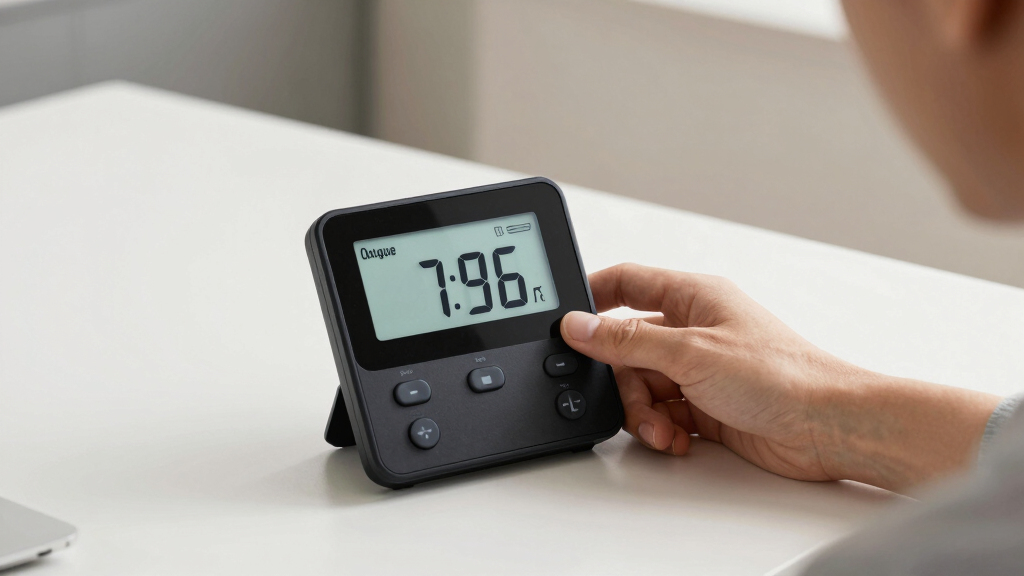
How We Picked
To determine the best home energy monitors for outage planning, I focused on key factors such as real-time data accuracy, circuit coverage, ease of installation, integration with smart home systems, and overall value. Devices that provide comprehensive insights into your electrical system during outages ranked higher, especially those with multiple sensors and reliable connectivity. Simplicity and cost-effectiveness were also considered, ensuring options suit different user needs—from DIY enthusiasts to those seeking detailed analytics. The ranking reflects a balanced assessment of performance, usability, and potential for proactive outage management.Factors to Consider When Choosing Best Home Energy Monitor For Outage Planning
Choosing the right home energy monitor for outage planning involves understanding several key factors. The ideal system should deliver real-time, accurate data and be easy to install and interpret during stressful outage situations. Compatibility with your existing smart home setup can enhance alerts and automation. Consider the number of circuits monitored—more sensors typically mean better outage awareness. Price and maintenance are also important, especially if you plan to rely on the device for long-term outage preparedness. Keep these factors in mind to select a monitor that fits your technical comfort level and outage planning needs.Real-Time Monitoring and Data Accuracy
During an outage, real-time data becomes critical for understanding which circuits are affected and managing your power sources effectively. Look for monitors with fast, reliable data updates and high accuracy; some models offer instant insights, while others have slight delays. Inaccurate or delayed data can hinder your ability to respond quickly, making this a top priority for outage preparedness. Advanced models also include solar net metering, which can be vital if you rely on solar power during outages.
Circuit Coverage and Sensor Count
The number of circuits a monitor can track directly influences how well you can pinpoint issues during outages. Devices with multiple sensors provide a detailed map of your electrical system, helping you identify specific problem areas or sources of power loss. However, more sensors often mean higher costs and more complex installation. Balance your need for detailed monitoring with setup complexity and budget considerations, especially if you want to monitor critical circuits like HVAC or refrigeration.
Ease of Installation and Use
In outage situations, a monitor that’s straightforward to set up and operate can make a big difference. Some models require professional installation, while others are plug-and-play, suitable for DIY setup. User-friendly interfaces, clear displays, and straightforward app controls help you interpret data quickly during stressful moments. Avoid overly complex systems if you need rapid, reliable insights without technical hurdles, but don’t sacrifice necessary features for simplicity.
Compatibility and Smart Home Integration
Many monitors integrate with smart home systems like Alexa, Google Assistant, or Home Assistant—adding automation and alert capabilities during outages. This can enable proactive notifications or automatic shutdowns to prevent damage. However, integration often adds complexity and setup time, and not all systems work seamlessly. Consider your existing setup and whether you prefer a dedicated monitor or a smart plug with energy monitoring for quick outage alerts.
Cost and Maintenance
Price varies widely, from affordable plug-in models to sophisticated systems with multiple sensors. While higher-cost monitors offer more detailed data and automation, they may be overkill if you only seek basic outage awareness. Maintenance is generally minimal, but consider long-term costs, especially for systems that require calibration or software updates. Budget-conscious buyers should weigh whether the added features justify the expense, or if simpler models suffice for their outage planning needs.
Frequently Asked Questions
Can a home energy monitor help me predict power outages?
While a home energy monitor isn’t designed to predict outages, it can detect abnormal power fluctuations or circuit issues that may precede a failure. By monitoring real-time data, you can identify irregularities that suggest an upcoming problem, giving you time to prepare or troubleshoot. Devices with automation features can also trigger alerts or preemptive shutdowns, helping mitigate outage impacts.
What is the most important feature for outage planning?
The most critical feature is real-time, accurate data with multiple circuit sensors. This combination allows you to identify the specific areas affected during an outage quickly. Easy setup and clear alerts are also vital, especially if you’re managing power failure under stressful conditions. The ability to integrate with smart home systems adds an extra layer of proactive management, but core data accuracy remains paramount.
Are plug-in energy monitors sufficient for outage planning?
Plug-in monitors are convenient and quick to set up, making them suitable for basic outage awareness—such as monitoring a specific device or appliance. However, they lack the comprehensive circuit coverage needed to understand your entire home’s electrical status during an outage. For more detailed insights, especially in larger homes or complex systems, monitors with multiple sensors are preferable.
How does smart home integration improve outage management?
Integration with smart home systems enables automatic alerts and controls during outages, such as shutting down non-essential circuits or powering critical devices. Automation can help prevent damage or data loss and improve your response time. However, it requires compatible devices and some setup effort. For those wanting a hands-off approach, smart integrations significantly enhance outage preparedness.
Is it worth investing in high-end home energy monitors?
High-end monitors typically offer detailed circuit analysis, solar net metering, and automation features, making them valuable for thorough outage planning. However, they come at a higher cost and may require professional installation. If you rely heavily on renewable energy or have complex electrical needs, investing in a premium system can provide peace of mind and more precise outage management. For simpler needs, more affordable options may be sufficient.
Conclusion
For most homeowners seeking reliable outage awareness, the Emporia Vue 3 offers a comprehensive solution with detailed data, multiple sensors, and automation options—making it ideal for serious outage planning. Those on a budget or with simpler needs will find the Govee Smart Plug or Upgraded Watt Meter models effective for quick insights. If you prioritize solar integration, the Eyedro Home Energy Monitor stands out. For beginners, easy setup and intuitive interfaces are key, making plug-in monitors a good starting point. Ultimately, your choice depends on your complexity needs, budget, and whether you want automation features for proactive outage management. As an affiliate, we earn on qualifying purchases.Halloween Picks
halloween