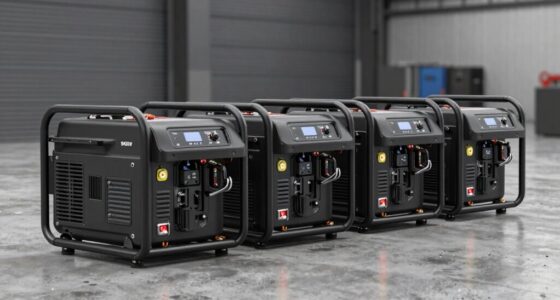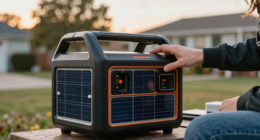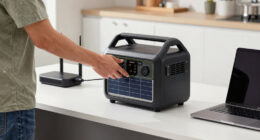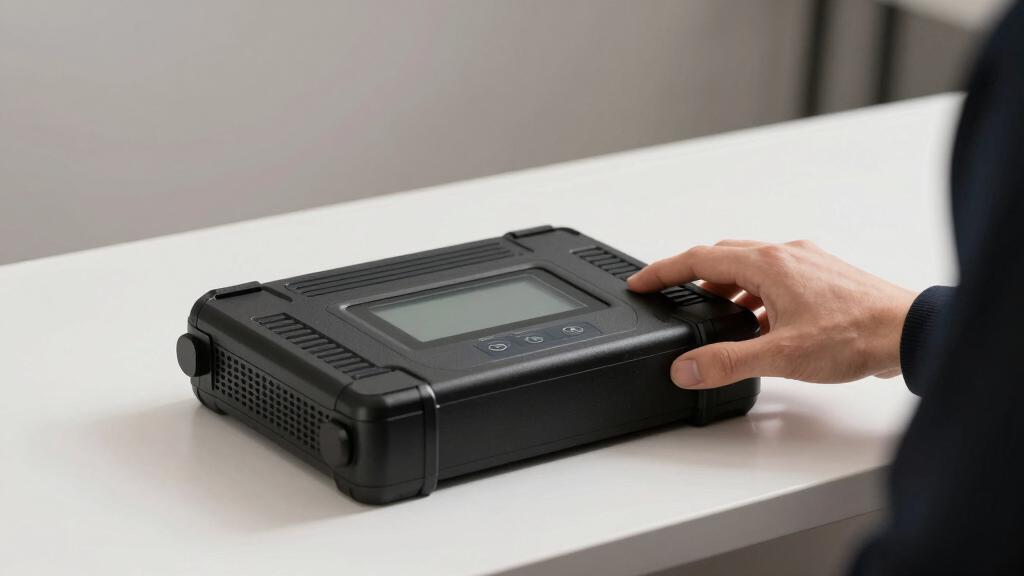

When winter outages strike, having a reliable battery backup system can keep your essential devices running and provide peace of mind. The best options vary from portable power stations to larger, more robust units, each suited to different needs. The Anker SOLIX C2000 stands out for its high capacity and fast recharge, making it ideal for prolonged outages. Meanwhile, the APC Back-UPS Pro offers an affordable, straightforward solution for backup power in a home setting. The key tradeoffs involve balancing capacity, portability, and price. Keep reading for a detailed breakdown of the top picks and what makes each one unique.
Key Takeaways
- High-capacity portable power stations like the Anker SOLIX C2000 excel for extended outages, but come at a higher cost and size.
- Larger UPS units such as the APC Back-UPS are more affordable and simple, suited for essential devices but limited in capacity.
- Fast recharge times and solar compatibility are major advantages for off-grid and emergency use, especially in winter conditions.
- Battery chemistry like LiFePO4 offers longer lifespan and safety, critical for winter outages where reliability matters.
- Portability versus capacity remains the key tradeoff—smaller units are easier to move but less capable of powering whole homes.


More Details on Our Top Picks
Anker SOLIX C2000 Gen 2 Portable Power Station, 2,400W (Peak 4,000W), 2048Wh LiFePO4 Battery, Fast Recharge in 58 Min, Solar Generator for Home Backup, Camping, and Power Outages
The Anker SOLIX C2000 Gen 2 stands out for its impressive 2048Wh capacity combined with a high peak power of 4000W, making it a versatile choice for winter outages where running multiple appliances or a furnace is necessary. Compared with the Jackery Solar Generator 1000 v2, it offers nearly double the capacity and faster recharging in just 58 minutes, though it carries a higher price tag and weighs over 41 pounds. Its high peak power ensures it can handle demanding devices, but its limited number of outlets may restrict simultaneous use. The lightweight design for such capacity is a plus, but some users might find it less portable than smaller models. Overall, this pick makes the most sense for those who need substantial backup power and quick recharge times, despite the premium cost and weight.
Pros:- Fast recharging in just 58 minutes via AC or solar
- High peak power of 4000W suitable for multiple appliances
- Expandable capacity up to 4kWh for longer runtime
- Relatively lightweight for its capacity
Cons:- Limited number of output outlets for simultaneous device use
- Higher price point may be prohibitive for some users
- Weight may be challenging for portability
Best for: Homeowners needing high capacity and fast recharge during winter outages
Not ideal for: Campers or users seeking ultra-lightweight portable power without high capacity
- Wattage:2400 watts
- Peak Power:4000 watts
- Battery Capacity:2048Wh
- Battery Type:LiFePO4
- Recharging Time:58 minutes
- Weight:41.7 lbs
Bottom line: Best suited for users who need a robust, fast-recharging power station capable of supporting essential appliances during winter outages.
Jackery Solar Generator 1000 v2 with 200W Solar Panel, 1070Wh Portable Power Station, LiFePO4 Battery, 1500W AC/100W USB-C, Fast 1-Hour Charging, Off-Grid & Emergency Use
The Jackery Solar Generator 1000 v2 is ideal for users prioritizing portability and eco-friendly charging, with a capacity of 1070Wh and a solid 1500W continuous output. Compared to the Anker SOLIX C2000 Gen 2, it offers less capacity but is significantly lighter at under 24 pounds, making it easier to move during winter outages or outdoor emergencies. Its fast 1-hour charging is a major advantage, especially when paired with its 200W solar panel, though the solar panel and generator are shipped separately, adding setup complexity. It’s best suited for small households or individuals who need reliable backup power without the bulk. Its limited outlet count, however, restricts simultaneous device use, and its smaller capacity may not sustain larger appliances for long.
Pros:- Lightweight and portable at 23.8 lbs
- Fast 1-hour recharge with advanced ChargeShield technology
- Includes a 200W solar panel for renewable energy
- Long battery lifespan with over 10 years of use
Cons:- Solar panel and generator shipped separately, requiring extra setup
- Limited capacity for supporting multiple or high-demand appliances
- Requires app activation for optimal charging
Best for: Individuals or small households needing portable, renewable backup power
Not ideal for: Homes with high power demands or those requiring extended backup durations
- Power Output:1500W
- Capacity:1070Wh
- Battery Type:LiFePO4
- Charging Time:1 hour
- Weight:23.8 lbs
Bottom line: Best for users seeking lightweight, renewable backup power for outdoor or emergency use with quick recharge times.
BLUETTI Elite 100 V2 Portable Power Station, 1024Wh LFP Battery Backup with 4 AC Ports (3600W Surge), Compact and Fast Charging for Camping and Home Backup
The BLUETTI Elite 100 V2 offers a balanced mix of capacity and portability, with 1024Wh capable of powering multiple devices simultaneously—up to 11 at once—making it a smart choice for winter outages where multiple appliances or devices need backup. Compared with the Anker SOLIX C2000, it provides less capacity but excels in compactness and ease of handling, weighing only 25 pounds. It features fast charging in about 70 minutes and performs seamless switch-over during outages, which is essential for home backup. Its limited device ports and slightly lower capacity mean it’s better suited for smaller households or outdoor activities, not prolonged outages involving high-power appliances.
Pros:- 1024Wh capacity supports multiple devices
- Supports 11 devices simultaneously with 3600W surge capacity
- Compact and lightweight at 25 lbs
- Fast charging in about 70 minutes
Cons:- Limited to smaller-scale backup needs
- Relatively high weight compared to ultra-portable options
- Requires specific accessories for optimal charging
Best for: Small households or outdoor users needing reliable, multi-device support in a compact form
Not ideal for: Large households or situations requiring very long runtime or high wattage support
- Capacity:1024Wh
- AC Output:1800W (2700W Surge)
- Ports:11
- Charging Time:70 minutes
- Weight:25 lbs
Bottom line: Ideal for small households or outdoor users who need reliable multi-device backup in a portable package.
APC UPS 600VA / 330W Battery Backup & Surge Protector, 7 Outlets, USB Charging, BE600M1
The APC UPS 600VA / 330W offers reliable backup for critical electronics like routers, modems, and computers during brief outages, especially in winter when power fluctuations are common. Its 330W capacity is suitable for small electronics but cannot handle larger appliances or heating devices. Compared to larger battery backups like the APC Back-UPS Pro 1500VA, it’s more compact and affordable but limited in capacity, making it ideal for protecting essential electronics rather than whole-house backup. Its user-replaceable battery extends its lifespan, but the absence of an LCD display means less detailed status information. It’s best suited for users who need a simple, affordable safeguard for critical small devices.
Pros:- Provides up to 23 minutes of backup for small devices
- User-replaceable battery extends lifespan
- Multiple outlets with surge protection
- Compact and easy to set up
Cons:- Limited to 330W, unsuitable for high-power devices
- No detailed status display
- Not suitable for whole-home backup
Best for: Small households or office setups needing backup for essential electronics
Not ideal for: Homes with high winter power demands or heating needs
- Voltage:120V
- Maximum Power:330W
- Battery Charge Time:10 hours
- Outlets:7
- Form Factor:Compact
Bottom line: Best for safeguarding critical small electronics during brief power outages or fluctuations.
EnginStar Portable Power Station 300W 296Wh Battery Bank with 110V Pure Sine Wave AC Outlet for Outdoors Camping, Hunting, and Emergency
The EnginStar Portable Power Station stands out for its size and versatility, making it ideal for those needing reliable power on the go. Compared with larger models like the Anker SOLIX C1000 Gen 2, it offers a much lighter and more portable design, though at the expense of lower capacity and power. Its 296Wh battery and 300W AC output are sufficient for charging phones, laptops, and small devices, but not for high-energy appliances—meaning it’s best suited for emergencies or outdoor activities rather than running a fridge or heater. The multiple charging options (solar, wall, car) provide flexibility, but the absence of a solar panel limits off-grid independence unless you purchase one separately. Regular charging is necessary to keep the battery healthy, especially if used frequently. This pick is perfect for campers, hikers, or emergency kits where space is limited, but not for those needing sustained power for larger devices.
Pros:- Lightweight and compact for easy portability
- Multiple charging options including solar, wall, and car
- Pure sine wave AC outlets ensure safe device operation
- Over 1000 charge cycles for long-term use
Cons:- Solar panel not included, adding extra cost
- Limited to 300W output, unsuitable for high-power devices
- Requires regular charging to maintain readiness
Best for: Individuals who need a highly portable backup for small devices during outdoor activities or short-term emergencies.
Not ideal for: Homeowners relying on backup power for high-wattage appliances like space heaters or refrigerators during extended outages.
- Capacity:296Wh
- Power Output:300W
- AC Outlets:2 (110V pure sine wave)
- Dimensions:9 x 5.5 x 7.5 inches
- Weight:6.5 pounds
- Battery Type:Lithium-ion
- Charge Cycles:Over 1000
Bottom line: This power station is ideal for those needing lightweight, portable backup power for small devices during outdoor activities or short outages.
APC Back-UPS Pro 1500VA UPS, 900W Battery Backup & Surge Protector, LCD, BX1500M
The APC Back-UPS Pro 1500VA offers a solid solution for protecting home electronics during outages, with up to 19 minutes of runtime at 300W—comparable to the EF ECOFLOW DELTA 3 but with a focus on surge protection and voltage regulation. Its 1500VA capacity and 900W output provide enough power for computers, networking gear, and essential appliances, although it struggles to support high-wattage devices like space heaters. The user-replaceable battery extends the device’s lifespan, but the need to purchase replacements separately adds ongoing costs. Its bulkier size may not suit small spaces or portable needs, but it excels at providing stable, reliable backup power in a home setting. Automatic voltage regulation ensures sensitive equipment isn’t damaged by power fluctuations, making it an excellent choice for electronics prone to surges or outages.
Pros:- Reliable backup with up to 19 minutes runtime at 300W
- Automatic voltage regulation stabilizes power supply
- Multiple outlets with surge protection cover all essential devices
- User-replaceable battery extends lifespan
Cons:- Battery replacement cost is separate
- Size and weight may be inconvenient for small spaces
- Limited runtime at higher loads
Best for: Homeowners seeking dependable surge protection and backup power for critical electronics during outages.
Not ideal for: Users needing portable power for outdoor or off-grid activities, due to its size and limited mobility.
- VA Capacity:1500VA
- Wattage:900W
- Outlets:10 (5 battery backup + 5 surge-only)
- Backup Runtime:Up to 19 minutes at 300W
- Surge Protection:Yes, coaxial and Ethernet
- Battery Type:Replaceable (APCRBC124)
- Efficiency:Energy Star certified (92%)
Bottom line: This UPS is suited for homeowners wanting stable, surge-protected backup for essential electronics during outages.
Anker SOLIX C1000 Gen 2 Portable Power Station, 2000W (3000W Peak), 1024Wh LiFePO4 Battery, Solar Generator
The Anker SOLIX C1000 Gen 2 is tailored for users who need substantial power in a portable package, especially during extended outages or off-grid scenarios. Its 1024Wh LiFePO4 battery and 2000W continuous power capacity make it suitable for running multiple devices simultaneously, including small appliances, unlike the Jackery Explorer 300 which is limited in output. Fast recharging in under 50 minutes and the ability to handle 3000W peak power set this apart for those requiring quick turnaround and high energy demands. Its compact design, weighing less than similar models, enhances portability. However, it relies heavily on solar recharging, which can be a limitation if sunlight is scarce, and the higher price reflects its advanced features. This model makes the most sense for serious off-grid users or households with high energy needs who can invest in solar infrastructure.
Pros:- Fast recharge in 49 minutes
- High continuous power (2000W) supports multiple devices
- Lightweight and compact design
- Long-lasting LiFePO4 battery with 4000 cycles
Cons:- Requires solar panel for off-grid recharging
- Limited solar input capacity (600W)
- Higher price point, less accessible for casual users
Best for: Off-grid enthusiasts or homeowners needing high power and fast recharge times for multiple devices or appliances.
Not ideal for: Casual users or those unable to invest in solar panels, due to its reliance on solar recharging and higher cost.
- Battery Capacity:1024Wh
- Power Output:2000W (3000W peak)
- Recharging Time:49 minutes
- Solar Recharging Time:1.8 hours
- Portability:Lightweight, compact
- Battery Type:LiFePO4
- Number of Ports:10
Bottom line: This power station is ideal for off-grid users or households with substantial power needs who prioritize fast recharging and portability.
Jackery Explorer 300 Portable Power Station, 293Wh Lithium Battery, Solar Generator for Camping and Outdoors
The Jackery Explorer 300 offers a practical solution for outdoor enthusiasts needing reliable, portable power. Its 293Wh battery and 300W output are comparable to the EnginStar, but with a slightly larger size and more output ports, including USB-C and car ports for versatile device charging. Its quick 2-hour recharge to 80% makes it convenient for short trips, but it’s limited by its capacity, which may not suffice for high-power devices or prolonged outages. Solar recharging is supported but not included, adding to the overall cost if off-grid recharging is needed. It’s best suited for camping, outdoor events, or short-term emergency use, where portability matters most over capacity. Its small size and ease of use make it a popular choice for casual users.
Pros:- Very portable and lightweight
- Fast recharge in 2 hours to 80%
- Multiple ports including USB-C and car outlet
- Supports solar panel recharging
Cons:- Limited capacity for high-power appliances
- Solar panel sold separately
- Battery may not last long under heavy use
Best for: Outdoor lovers needing lightweight, easy-to-carry backup power for small devices during trips or short outages.
Not ideal for: Users requiring backup for high-energy appliances or extended outages, due to its limited capacity.
- Battery Capacity:293Wh
- Power Output:300W
- AC Outlets:2 Pure Sine Wave
- Weight:7.1 pounds
- Recharge Time:2 hours to 80%
- Additional Ports:USB-C PD 60W, USB-A, DC car
- Recharge Method:Wall, solar (panel not included)
Bottom line: This power station suits outdoor adventurers or casual users looking for lightweight, portable backup for small devices during short trips or outages.
EF ECOFLOW DELTA 3 Portable Power Station, 1024Wh LiFePO4 Battery, Fast Charging, 1800W AC/100W USB-C, Solar Generator for Home Backup, Camping & RVs
The EF ECOFLOW DELTA 3 has earned its place through impressive features like 1024Wh capacity, quick 56-minute full recharge, and support for powering up to 13 devices simultaneously. Its 1800W AC output makes it more capable than smaller models like the Jackery Explorer 300, especially for home backup or RV use. Its durable LiFePO4 battery supports 4000 cycles, promising longevity, and its expandable capacity up to 5kWh adds future-proofing. While the weight isn’t specified, it’s designed for portability and resilience, with a high IP65 rating for weather resistance. However, the price and the need for an optional solar panel for solar recharging could deter casual users. It’s best for those seeking a reliable, expandable power source for larger appliances or prolonged outages in outdoor or home settings.
Pros:- Fast full charge in 56 minutes
- Supports powering 13 devices simultaneously
- Expandable capacity up to 5kWh
- Long cycle life of 4000 cycles
Cons:- Price may be high for casual users
- Weight not specified, affecting portability considerations
- Requires additional solar panel for solar recharging
Best for: Homeowners or RV travelers needing a durable, fast-charging, expandable backup power solution for multiple appliances.
Not ideal for: Users with limited budgets or those who do not plan to expand capacity, due to its higher price and reliance on optional solar panels.
- Battery Capacity:1024Wh
- Battery Type:LiFePO4
- Full Charge Time:56 minutes
- AC Output:1800W
- USB-C Output:100W
- Expansion Capacity:up to 5kWh
- Cycle Life:4000 cycles
Bottom line: This station is best for users seeking a durable, fast-recharging, and expandable backup for home or RV use, willing to invest in long-term reliability.
BLUETTI Elite 30 V2 Portable Power Station 600W, 288Wh LiFePO4 Battery with UPS for Emergency & Outdoor Use
The BLUETTI Elite 30 V2 stands out for its portability and quick charging, making it ideal for outdoor enthusiasts and emergency scenarios where mobility is key. Compared with the Anker SOLIX C2000, which offers a much larger capacity, the Elite 30 V2 sacrifices volume for weight, weighing just 9.4 pounds—perfect for camping or quick home outages. Its 288Wh capacity limits its ability to run heavy appliances during winter outages, but it quickly recharges via AC, solar, or car, with a 45-minute boost from 0-80%. The built-in UPS responds in 10ms, providing seamless power during outages—crucial for sensitive electronics. However, it’s less suited for prolonged outages or powering multiple devices simultaneously. The need for compatible solar panels for optimal solar charging adds to the upfront cost and setup complexity.
Pros:- Lightweight and portable at just 9.4 lbs
- Fast charging with AC, solar, and car options
- Reliable UPS response time of 10ms
- Supports multiple device types with 600W continuous power
Cons:- Limited capacity for heavy-duty or prolonged outages
- Higher price point relative to capacity
- Requires compatible solar panel for optimal solar charging
Best for: Outdoor enthusiasts or small household users who need a portable, quick-charging backup for essential electronics during brief outages.
Not ideal for: Homeowners facing multi-day power outages or running high-wattage appliances, as capacity and runtime are limited.
- Capacity:288Wh
- Weight:9.4 lbs
- Continuous Power:600W
- Surge Power:1500W
- Charging Time (0-80%):45 mins
- Battery Type:LiFePO4
- Charging Modes:AC wall, solar, car
- UPS Response Time:10ms
Bottom line: This pick is best suited for users who prioritize portability and quick recharge for essential devices during short power interruptions.
How We Picked
To determine the best battery backup systems for winter outages, I evaluated each product based on performance, capacity, recharge speed, build quality, and usability in cold conditions. Reliability and safety features, such as battery chemistry and surge protection, were also prioritized. Price-to-performance ratios helped distinguish models that offer real value, especially in emergency scenarios. The ranking reflects a balance between capacity, portability, and user-friendliness, ensuring options for different needs—from home backup to outdoor camping. Consideration of how each system handles cold temperatures and solar compatibility was key to capturing winter-specific performance.Factors to Consider When Choosing Best Battery Backup System For Winter Outages
Choosing the right battery backup system for winter outages involves understanding several critical factors. Capacity determines how long your devices can run during an outage, but larger units tend to be heavier and more expensive. Cold weather can impact battery performance, so selecting models with proven cold-weather resilience is essential. Solar compatibility can extend runtime and recharge options, especially when grid power is unavailable. Portability is another consideration: do you need a system that can be moved easily, or is stationary backup sufficient? Finally, safety features like robust surge protection and reliable battery chemistry ensure the system’s longevity and safety in harsh conditions.Capacity and Power Output
Capacity, measured in watt-hours (Wh), determines how long your devices can run during an outage. For winter outages, consider a system with at least 1,000Wh if you want to power essential devices like a refrigerator or heating elements. Larger capacity units can run longer but tend to be bulkier and more expensive. Remember, peak power output matters if you’re powering high-wattage appliances—look for surge ratings that exceed your needs. Balancing capacity with portability is vital, especially if you’ll need to move the system frequently or store it in cold conditions.
Cold Weather Performance
Many batteries, especially lithium-ion types, lose efficiency in low temperatures, which can reduce runtime and recharge speed. For winter outages, select models with proven cold-weather performance, such as LiFePO4 batteries, known for stability in cold environments. Some units include built-in heating elements or insulation to mitigate cold effects. Failing to account for cold weather can lead to unexpected power failures when you need backup most. Always check manufacturer specifications or reviews that note cold performance before making a purchase.
Recharge Options and Speed
Fast recharge capabilities become crucial when outages last multiple days, especially if grid power returns intermittently. Many models support fast wall charging, and solar compatibility offers a way to recharge off-grid. Solar panels add flexibility but depend on weather conditions—winter sun may be less intense, so choosing panels that work efficiently in low light is wise. A system with quick recharge features can restore power faster, reducing downtime during extended outages. Remember to consider how easily the unit can be recharged in cold weather, as some may be slower or less reliable in low temperatures.
Portability and Size
Portability varies widely among these systems—from compact units suitable for camping to larger, stationary options for home backup. For winter outages where mobility might be necessary—such as moving the system to shelter or different rooms—lighter, easier-to-carry models are advantageous. Conversely, if you’re setting up a dedicated backup station, size and weight matter less. Keep in mind that larger capacity units tend to be bulkier and may require more effort to reposition or store in cold environments. Balancing capacity with ease of handling is key to ensuring the system remains accessible during emergencies.
Safety and Battery Chemistry
Battery safety is paramount, especially in winter when cold temperatures and power surges can pose risks. LiFePO4 batteries are favored for their stability, longer lifespan, and thermal safety, making them ideal for winter outage scenarios. Surge protection and built-in safety features prevent damage to connected devices and extend system longevity. Cheaper units with inferior battery chemistry or lacking safety protections may fail prematurely or pose hazards. Prioritize systems with reputable safety standards and proven cold-weather durability to ensure reliable performance when it counts most.
Frequently Asked Questions
Will these backup systems work during extremely cold temperatures?
Most modern lithium-based backup systems, especially those with LiFePO4 batteries, perform well in cold temperatures if rated for such conditions. Some units include built-in heating elements or insulation to maintain optimal battery performance. It’s important to check the manufacturer’s specifications for cold-weather operation. If a system isn’t rated for low temperatures, its capacity and recharge rate may drop significantly, reducing its effectiveness during winter outages. Proper storage in a sheltered, insulated environment can also help maintain performance.
Can I recharge these systems with solar panels in winter?
Yes, many of these systems support solar recharging, which is especially useful when grid power is unavailable or unreliable. However, solar efficiency decreases in winter due to lower sun angles and shorter days. To get the best results, choose systems compatible with high-efficiency, cold-weather solar panels. Be aware that some units may have slower recharge times in low-light conditions, so pairing them with appropriately rated panels or increasing panel size can help maintain rapid recharging during winter months.
How long can I run essential appliances during a winter outage?
The runtime depends heavily on the system’s capacity and the power draw of your devices. For example, a 1,000Wh system can typically run a refrigerator or small heater for several hours. Larger systems with 2,000Wh or more can sustain these appliances for much longer. To estimate your needs, total the wattage of your essential devices and divide the battery capacity accordingly. Remember, high-wattage appliances will drain power faster, so selecting a system with ample capacity is wise for extended outages.
Are portable power stations suitable for whole-home backup in winter?
While some high-capacity portable power stations can support critical circuits or appliances, they generally aren’t designed to replace a full home backup system. They are best suited for powering essential devices like communication tools, small heaters, or medical equipment during outages. For whole-home backup, a dedicated home generator or large, stationary battery system would be more appropriate. Consider the size and output of portable units carefully; most are limited in total power and runtime, especially in colder conditions where efficiency drops.
Is it worth investing in a system with solar compatibility for winter outages?
Absolutely, especially if you face frequent or prolonged outages during winter. Solar compatibility allows you to recharge your system off-grid, reducing reliance on grid power that may be unstable or unavailable. Even in winter, available sunlight can be harnessed, especially with high-efficiency panels. Although initial setup costs may be higher, the ability to sustain your backup power with renewable energy can be a significant advantage in cold, prolonged outage scenarios, providing added independence and peace of mind.