
To quickly gauge your outage readiness, perform a 2-minute self-audit by checking your backup power systems, ensuring generators are tested, and batteries are fully charged. Review your data recovery processes and backup frequency to confirm critical data is protected. Verify network redundancy and failover systems work properly. Assess your incident response plans and staff training by running simulated scenarios. Finally, confirm vendors have contingency plans in place. Continue for expert tips to strengthen your resilience.
Key Takeaways
- Conduct quick checks on backup power systems, failover tests, and redundancy configurations to ensure readiness.
- Review backup frequency, scope, and recovery objectives like RPO to minimize data loss.
- Perform routine outage drills, verify data restoration, and update incident response plans.
- Confirm network redundancy, staff training, and vendor contingency plans are current and effective.
- Regularly evaluate overall resilience, identify gaps, and document improvements to enhance outage preparedness.

Anker SOLIX C1000 Gen 2 Portable Power Station, 2,000W (Peak 3,000W) Solar Generator, Full Charge in 49 Min, 1,024Wh LiFePO4 Battery for Home Backup, Power Outages, and Camping (Optional Solar Panel)
49 Min UltraFast Recharging: With upgraded HyperFlash tech, fully recharge at 1,600W—for outage prepping, camping trips, or tailgating…
As an affiliate, we earn on qualifying purchases.
As an affiliate, we earn on qualifying purchases.
Assess Your Backup Power Solutions

To guarantee you’re prepared for any outage, you need to critically evaluate your backup power solutions. Start by checking your battery capacity; verify your batteries can hold enough charge to sustain essential operations during an outage. If you rely on generators, regular generator maintenance is vital—they need routine inspections, oil changes, and testing to ensure they’ll start when needed. Confirm that your backup systems are functioning properly and that their capacity matches your power needs. Don’t overlook outdated or underperforming batteries or neglected maintenance routines, as these can lead to failures when power is most critical. Regularly testing your backup power solutions gives you confidence that they’ll perform reliably during an outage, minimizing downtime and protecting your operations. Additionally, understanding the safe operation of backup systems helps prevent accidents and ensures continuous power supply when it matters most. Conducting routine checks on your backup equipment is essential for maintaining reliability and peace of mind, especially when you incorporate natural and sustainable backup solutions like natural gas generators or renewable energy sources. Being aware of fuel choices and their availability can also impact your backup readiness during extended outages. Moreover, staying informed about local regulations regarding backup power installation and use can prevent legal complications and ensure compliance.
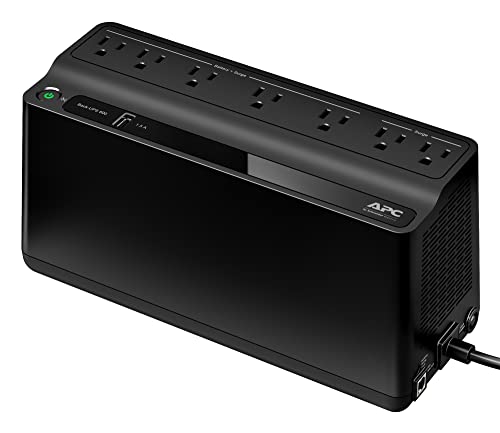
APC UPS 600VA / 330W UPS Battery Backup & Surge Protector, 7 Outlets (NEMA 5-15R), USB Charging Port, BE600M1 Uninterruptible Power Supply for Computers, Wi-Fi Routers, and Home Office Electronics
600VA / 330W RELIABLE BACKUP POWER: Supplies short‑term battery power during outages to maintain internet connectivity and allow…
As an affiliate, we earn on qualifying purchases.
As an affiliate, we earn on qualifying purchases.
Evaluate Your Data Recovery Capabilities

To guarantee your data recovery is effective, you need to review your backup frequency and scope to confirm they meet your needs. You should also establish clear Recovery Point Objectives (RPO) to minimize data loss during outages. Additionally, implementing smart backup strategies can enhance your recovery readiness by automating and optimizing backup processes. Regular testing and practicing recovery drills helps identify gaps and strengthen your response plans. Incorporating projector technology insights can further optimize your disaster preparedness strategies. Understanding data management best practices is essential for maintaining a resilient data recovery system. Leveraging European cloud innovation can also contribute to more sustainable and secure backup solutions. Exploring network infrastructure considerations can ensure your backup environment remains reliable and scalable during critical times.
Backup Frequency and Scope
Evaluating your backup frequency and scope is crucial to guaranteeing effective data recovery during outages. Your backup scope determines what data is included in each backup, safeguarding critical files and systems. If your scope is too narrow, you risk losing important information; if too broad, backups may become inefficient. Backup frequency is equally important, as it dictates how often you create copies of your data. Frequent backups reduce the risk of data loss but can strain resources, while infrequent backups increase exposure to data gaps. Striking the right balance ensures your backups are thorough and current enough to support quick recovery efforts. Regularly review and adjust both your backup scope and frequency to stay aligned with your organization’s evolving needs and minimize downtime risks. Incorporating backup validation practices can further ensure your recovery plans are effective and reliable.
Recovery Point Objectives (RPO)
How quickly you can restore data after an outage depends largely on your Recovery Point Objectives (RPO). RPO defines the maximum amount of data you’re willing to lose, shaping your disaster recovery and business continuity strategies. A smaller RPO means you back up data more frequently, minimizing potential loss and speeding up recovery. Conversely, a larger RPO allows for less frequent backups, which might save resources but risks more data loss. Understanding your RPO helps you align your backup processes with your organization’s resilience needs. It’s essential to set realistic RPO targets that balance recovery speed with operational costs. Clear RPOs ensure your disaster recovery plan is effective, helping you resume normal operations swiftly and maintain your business continuity during and after outages.
Testing and Drill Practices
Regularly testing your backup and recovery processes guarantees your disaster recovery plan works when it’s needed most. Conduct simulation exercises to mimic real outage scenarios, revealing gaps and strengthening your response. These drills help you verify that backup data restores correctly and that recovery time objectives are achievable. Incorporate scenario planning to prepare for different types of disruptions, ensuring your team is familiar with procedures under pressure. By routinely practicing these exercises, you identify weaknesses before a real event occurs, reducing downtime and data loss. Consistent testing also improves your confidence in your recovery capabilities and keeps your team sharp. Make simulation exercises and scenario planning a regular part of your outage readiness routine to maintain robust, proven data recovery processes.

Nero BackItUp – Data Backup Software | Automatic Backup, Data Recovery, Cloud Backup, Fully Automated | Lifetime License | 1 PC | Windows 11/10/8/7
✔️ One-time Payment, Lifetime Use: Unlike subscription-based services, pay once and enjoy lifetime use without recurring costs.
As an affiliate, we earn on qualifying purchases.
As an affiliate, we earn on qualifying purchases.
Review Your Network Redundancy Measures

You need to guarantee your network has multiple pathways to prevent outages. Check that your failover configurations are set up correctly and tested regularly. This proactive approach ensures ongoing network stability even during unexpected disruptions. Regularly reviewing your redundancy protocols can help identify potential vulnerabilities before they impact your network. This will help keep your network running smoothly even if one connection fails. Incorporating smart appliances that communicate over your network can further enhance reliability and performance. Additionally, consider monitoring electric bike charging stations and energy sources to ensure continuous operation during outages. Implementing network redundancy strategies can provide an extra layer of resilience for your connected devices.
Redundant Network Pathways
Redundant network pathways are essential for maintaining reliable connectivity during outages or network failures. To guarantee your network’s resilience, review your cabling redundancy and network topology. First, verify that multiple physical routes exist between critical devices. Second, check that your cabling redundancy prevents a single cable failure from disconnecting essential systems. Third, assess whether your network topology supports multiple paths, such as ring or mesh configurations. Fourth, confirm that backup links automatically activate when primary pathways fail. These steps help prevent a single point of failure and keep your network operational. By proactively reviewing these areas, you strengthen your outage response and minimize downtime, keeping your organization connected even during disruptions.
Failover Configuration Checks
Ensuring that your failover configurations are properly set up is essential to maintaining network resilience during outages. You should regularly perform failover testing to confirm that your backup systems activate seamlessly when primary connections fail. This process helps identify potential issues and confirms that your configuration validation procedures are effective. Double-check that all redundancy settings are current and correctly implemented across your network devices. Verify that automatic failover triggers correctly and that the switchovers happen without data loss or significant downtime. Document your test results and address any discrepancies promptly. Additionally, understanding the principles of Rhythm Failure can provide insights into designing more robust failover systems that adapt effectively to network disruptions. Consistently reviewing and updating your failover configurations guarantees your network remains protected, minimizing the impact of unexpected outages and keeping your operations running smoothly.

Ubiquiti Enterprise Security Gateway and Network Appliance with 10G SFP+
Embedded UniFi Network Application
As an affiliate, we earn on qualifying purchases.
As an affiliate, we earn on qualifying purchases.
Check Your Incident Response Planning

To effectively prepare for outages, it’s crucial to regularly check your incident response planning. Confirm your plan clearly outlines communication protocols to keep teams informed and coordinated during crises. Review escalation procedures so issues are promptly elevated to the right personnel, preventing delays. Here are four key areas to evaluate:
- Confirm that contact lists are up-to-date and accessible.
- Test communication protocols with simulated outage scenarios.
- Verify escalation procedures guide the team effectively.
- Ensure response roles and responsibilities are well-defined and known.
- Regularly update your incident response plan to incorporate lessons learned and changes in team structure. Additionally, verifying that your communication tools are reliable and functional ensures swift information flow during emergencies. Conducting regular plan audits helps identify gaps before an incident occurs. Staying informed about incident response best practices can further enhance your preparedness efforts. For example, understanding the lifecycle and performance metrics of your response strategies can guide continuous improvement. A solid incident response plan minimizes downtime and confusion, enabling you to act swiftly and confidently when outages happen. Keep your plan current and practiced to boost your outage readiness.
Analyze Your Staff Training and Awareness

Having a solid incident response plan is only part of the puzzle; your team’s training and awareness determine how effectively that plan gets executed. Assess whether your staff awareness is high, meaning employees understand their roles during outages and can act quickly. Review your training programs—are they regular, thorough, and engaging enough to keep everyone prepared? Well-trained staff can identify potential issues early, follow protocols accurately, and communicate effectively during crises. Consider if your team has participated in simulated drills or refresher courses recently. Gaps in training or low staff awareness can delay response times and worsen outages. Ensuring continuous education and awareness is vital for a resilient outage response, reducing downtime and limiting damage. Incorporating training assessments into your process helps identify specific areas for improvement. Regular staff awareness evaluations can also help maintain a high level of readiness. Promoting ongoing education ensures your team stays sharp and responsive when it matters most. Strong staff preparedness is a key pillar of your overall outage readiness score, especially when aligned with employee training best practices in risk management.
Examine Your Vendor and Supplier Contingencies

Are your vendors and suppliers prepared to support your operations during an outage? Evaluating their contingency plans is crucial. Here are four steps to ensure vendor preparedness and effective supplier communication:
Ensure your vendors are prepared with tested contingency plans and clear communication channels.
- Confirm that vendors have documented contingency plans for outages.
- Verify that your suppliers regularly test and update their backup procedures.
- Establish clear communication channels for rapid information exchange during disruptions.
- Request evidence of recent contingency drills or audits from key vendors.
- Ensure that your vendors adhere to best practices for contingency planning to minimize risks during outages. Additionally, understanding the security measures in place can help prevent breaches that might exacerbate outage impacts.
Calculate Your Overall Resilience Score

Calculating your overall resilience score provides a clear snapshot of your organization’s preparedness for outages. It helps you assess how well your business continuity plans are integrated and effective. To do this, evaluate key areas such as backup systems, staff training, and response protocols. Consider how quickly you can restore operations and communicate with stakeholders during a crisis. A high resilience score indicates strong readiness, ensuring minimal disruption and clear stakeholder communication. Conversely, a lower score highlights gaps that need addressing. Regularly calculating this score keeps you aware of your progress and highlights areas for improvement. By maintaining a focus on resilience, you strengthen your ability to withstand outages and protect your reputation. Ultimately, this self-audit empowers you to make informed, strategic decisions for better outage preparedness.
Frequently Asked Questions
How Often Should I Update My Outage Preparedness Plans?
You should update your outage preparedness plans at least annually, or whenever there’s a significant change in operations, technology, or personnel. Regular updates ensure your risk assessment stays accurate and relevant. Incorporate ongoing employee training into your updates to keep everyone prepared and knowledgeable. This proactive approach minimizes downtime and enhances your response effectiveness, making sure your outage readiness remains strong and dependable over time.
What Tools Can Help Monitor My Business Continuity Metrics?
You can use monitoring dashboards and alert systems to effectively track your business continuity metrics. Monitoring dashboards provide real-time visuals of key performance indicators, helping you identify issues quickly. Alert systems notify you immediately when thresholds are breached or anomalies are detected, allowing prompt action. Combining these tools guarantees you stay ahead of potential disruptions, maintain resilience, and improve your outage readiness consistently.
How Can I Involve Executive Leadership in Outage Planning?
You can involve executive leadership in outage planning by actively seeking their engagement through regular updates and strategic discussions. Emphasize leadership commitment by highlighting how outages impact business goals and customer trust. Encourage their participation in testing and decision-making processes, making them stakeholders rather than observers. When leadership is engaged and committed, outage plans gain authority and alignment, ensuring your team responds swiftly and effectively during disruptions.
What Are Common Pitfalls in Disaster Recovery Testing?
Did you know that 60% of organizations fail disaster recovery tests? The biggest pitfalls include insufficient business continuity planning and unrealistic disaster simulations. You often overlook critical dependencies or don’t update plans regularly. To improve, make certain your testing reflects real-world scenarios and involves all key teams. Regular, thorough drills help identify gaps early, so you can respond swiftly during actual outages, keeping business continuity intact.
How Do I Prioritize Recovery Actions During an Outage?
You should start with prioritization strategies that focus on critical systems first, ensuring essential operations resume quickly. Use recovery sequencing to map out the order of actions based on business impact. Assess dependencies to avoid delays, and communicate your plan clearly to your team. This approach helps you restore crucial services efficiently, minimizes downtime, and keeps recovery efforts organized amidst chaos.
Conclusion
Now that you’ve reviewed each area, you’re closer to uncovering your true outage readiness. But don’t relax just yet—there’s one critical step that could reveal hidden vulnerabilities. Will your resilience hold when it’s tested? Take the final moment to tally your score and find out. The results might surprise you, and the future of your operations depends on it. Are you ready to face what’s next? Your preparedness could make all the difference.