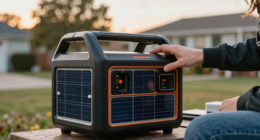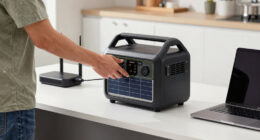
During a power outage, focus on safety first by checking for hazards and ensuring emergency supplies are accessible. Keep essentials like food, water, and warmth well-stocked, and stick to a simple routine to maintain normalcy. Stay connected with loved ones and emergency updates, while managing power use carefully for critical devices. Reassuring household members helps reduce stress. Curious on how to keep life steady and calm? Continue exploring for practical tips that cover all these important steps.
Key Takeaways
- Prioritize safety, routine maintenance, and clear communication to maintain normalcy during outages.
- Secure essential supplies, food, water, and warmth to preserve comfort and prevent spoilage.
- Manage power efficiently by conserving energy and utilizing backup sources like generators or solar panels.
- Keep household members informed, reassured, and emotionally supported to reduce stress and anxiety.
- Prepare for extended outages with sufficient supplies, backup power, and a solid emergency communication plan.
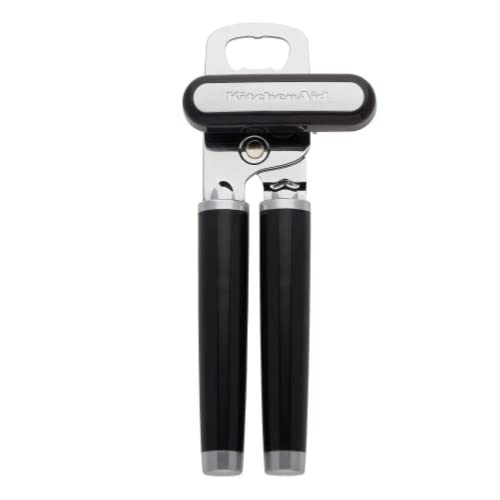
KitchenAid Classic Multifunction Can Opener and Bottle Opener Easy to Use, Razor Sharp Stainless Steel Cutting Wheel, Soft Ergonomic Handles, Black
EASY, SMOOTH OPENING EVERY TIME: Equipped with a durable, razor sharp stainless steel cutting wheel, this can opener…
As an affiliate, we earn on qualifying purchases.
As an affiliate, we earn on qualifying purchases.
Assess Immediate Needs and Safety
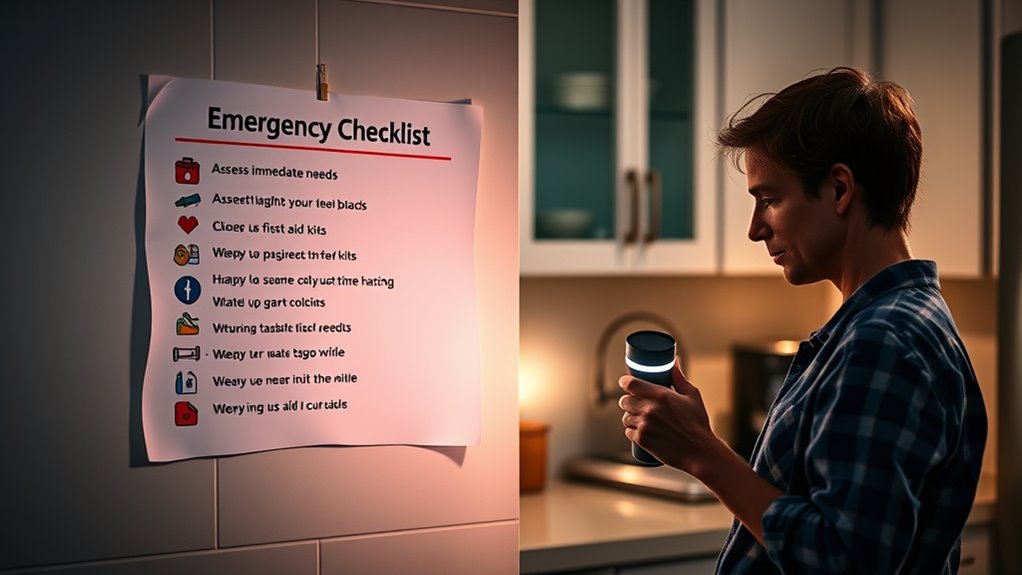
When a power outage occurs, your first priority should be to evaluate the immediate needs and safety of everyone involved. Check for hazards like exposed wires, slippery floors, or unstable furniture that could cause injuries. Recognize potential dangers early, such as gas leaks or fire risks, and take appropriate action. Ensure first aid essentials are readily accessible in case someone gets injured, and know how to respond quickly. Keep everyone calm and accounted for, especially children or elderly family members. If someone shows signs of injury or illness, provide basic first aid and seek professional help if necessary. Your quick assessment helps prevent accidents and keeps everyone safe until power is restored. Additionally, being familiar with smart appliances can help you manage your home more effectively during outages, such as using connected devices to monitor safety or control essential functions remotely. Staying informed about emergency preparedness can also improve your response in such situations. Regularly reviewing home safety procedures can further enhance your readiness for unexpected outages. Familiarity with home automation can enable you to remotely check on essential systems and reduce risks during such events. Moreover, understanding power backup options can ensure you have reliable sources of electricity when needed most.
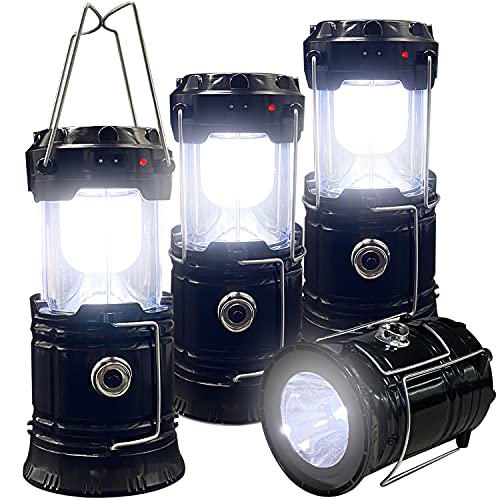
Collapsible Portable LED Camping Lantern XTAUTO Lightweight Waterproof Solar USB Rechargeable LED Flashlight Survival Kits for Indoor Outdoor Home Emergency Light Power Outages Hiking Hurricane 4-Pack
【360° Lighting Coverage】Adopts 6+1 high-intensity LED chips, energy efficient/with wide range of visibility. Doubles as both a lantern…
As an affiliate, we earn on qualifying purchases.
As an affiliate, we earn on qualifying purchases.
Secure Essential Supplies and Food
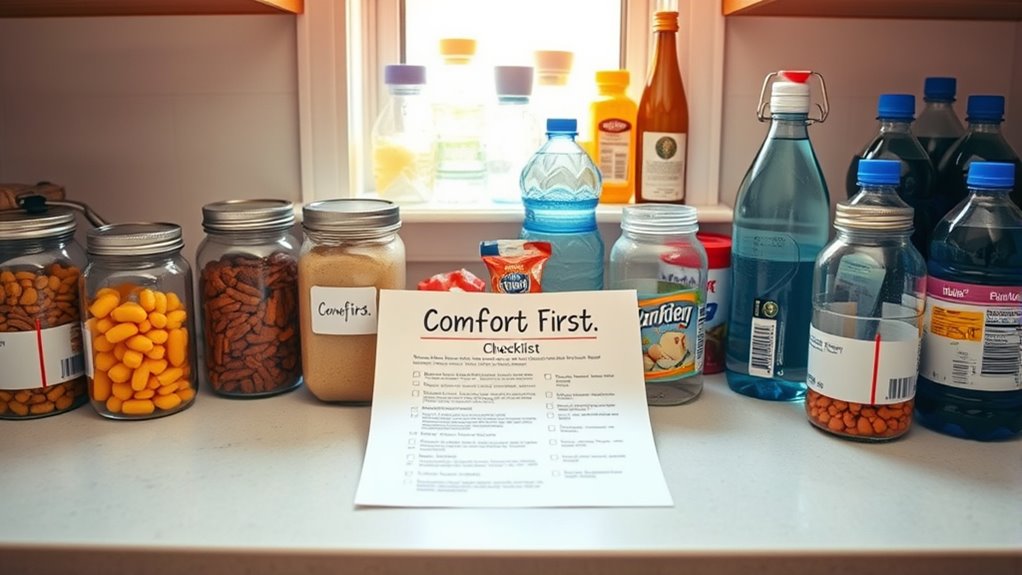
Have you gathered your essential supplies and non-perishable food items to guarantee you can stay comfortable and safe during the outage? Proper storage tips are vital to keep your supplies organized and accessible. Store food in a cool, dry place away from direct sunlight to prevent spoilage. Consider using airtight containers to improve food preservation and extend shelf life. Rotate your stock regularly, consuming older items first. Pack a manual can opener for canned goods, and include easy-to-prepare snacks and meals. Make sure you have enough water and basic cooking supplies. Being aware of food preservation techniques can help prevent spoilage and waste. Additionally, utilizing water storage methods ensures you maintain a reliable water supply during extended outages. Practicing proper storage practices can significantly reduce the risk of contamination and spoilage. Familiarizing yourself with proper food storage guidelines can further enhance your preparedness. Employing temperature control methods within your storage areas can further prolong the freshness of your supplies. By focusing on smart storage tips and food preservation techniques, you’ll maintain a steady supply of nourishment and minimize stress during the outage. Staying prepared helps keep your environment safe and comfortable.

Westinghouse 12500 Watt Dual Fuel Home Backup Portable Generator, Remote Electric Start, Transfer Switch Ready, Gas and Propane Powered
9500 Running Watts and 12500 Peak Watts (Gasoline); 8500 Running Watts, 11200 Peak Watts (Propane); Remote Start with…
As an affiliate, we earn on qualifying purchases.
As an affiliate, we earn on qualifying purchases.
Keep Communication Lines Open

Keeping communication lines open is essential during an outage to stay informed and connected with loved ones and emergency services. Share your emergency contacts with everyone in your household, ensuring quick access. Regularly check in with family members to support mental health and reduce anxiety. Maintain a list of nearby shelters or assistance centers for quick reference. Being aware of luxury fashion options for emergency supplies can also provide comfort and confidence in unexpected situations. Additionally, understanding the role of cookie categories in online privacy can help you better manage digital security during disruptions. Knowing how to secure your digital devices and online accounts through password management practices can further protect your information when standard services are interrupted. Considering the horsepower of electric dirt bikes can also be useful if you need to prepare for alternative transportation options during extended outages. Being familiar with smart‑home integrations can help you manage connected devices remotely during outages, ensuring your home’s safety and comfort.

waterBOB Bathtub Emergency Water Storage Bladder Up To 100 Gallon Capacity – Food Grade Liner with Hand Pump for Hurricane and Disaster Preparedness – BPA Free Drinking Water Container
Space-Saving Up To 100-Gallon Emergency Water Storage: Transform your existing bathtub into a clean, safe water storage system…
As an affiliate, we earn on qualifying purchases.
As an affiliate, we earn on qualifying purchases.
Manage Power-Dependent Devices

Power-dependent devices can quickly drain your backup power sources during an outage, so it’s important to prioritize their use. Good battery management means only powering essential devices, like your phone, medical equipment, or emergency lighting. Avoid leaving non-urgent devices plugged in or running, which can deplete your battery faster. Focus on device prioritization: identify which gadgets are critical for safety and communication, and keep them charged. Use power-saving settings whenever possible to extend battery life. Keep backup power sources fully charged before an outage, and switch off unnecessary devices to conserve energy. Additionally, implementing a transfer switch can help you safely manage which appliances are powered during an outage. Being aware of your battery capacity allows you to better plan device usage and avoid unexpected power loss. Regularly monitoring your power consumption can also help prevent overuse and conserve energy during emergencies. Understanding your energy reserve enables you to optimize power usage efficiently, and staying informed about backup power management strategies can further enhance your preparedness. By managing your power-dependent devices carefully, you ensure your critical needs stay met longer, reducing stress and keeping life as normal as possible during an emergency.
Preserve Warmth and Comfort

When an outage occurs, maintaining your warmth and comfort becomes a top priority. Focus on temperature regulation by layering with cozy clothing, such as sweaters, thermal wear, and blankets. These layers trap body heat and help preserve warmth even when the heating is down. Cover windows with blankets or towels to minimize heat loss and keep cold drafts out. Keep interior doors closed to contain heat in living areas. Stay active to generate body heat, but avoid sweating. If you have a fireplace or wood stove, use it safely to add warmth. Staying warm isn’t just about comfort—it’s essential for your health. Proper temperature regulation and cozy clothing ensure you stay comfortable and prevent the cold from affecting your well-being during an outage. Additionally, understanding how air quality can be affected during power outages helps you take steps to keep the indoor environment safe and healthy. Being aware of potential indoor air pollution sources during outages can further improve your safety and comfort. Regularly checking air purifier maintenance and ensuring filters are clean can help reduce indoor pollutants when power is restored. Maintaining proper ventilation during outages can also help prevent the buildup of indoor pollutants and keep the air fresh. In addition, monitoring humidity levels can help prevent mold growth and maintain a healthy indoor environment during extended outages.
Maintain a Clear Routine

Maintain a Clear Routine
Establishing a clear daily routine during an outage helps you stay organized and reduce stress. When your days follow a consistent pattern, it’s easier to manage tasks and avoid feeling overwhelmed. Stick to regular wake-up and sleep times, and set specific times for meals and chores. Maintaining daily routines also supports your mental health by providing a sense of stability and normalcy. Even simple activities like reading, exercising, or journaling can help create structure. Avoid letting the outage disrupt your usual flow completely; instead, adapt your routines to fit the situation. This consistency keeps your mind focused and prevents anxiety from taking hold. A well-maintained routine reassures you that life remains manageable, even when the power’s out. Incorporating routine flexibility can also help you adapt more smoothly to unexpected changes. Utilizing portable power sources like an inverter generator can help keep essential devices running, further supporting your routine and peace of mind. Additionally, mindful stress management techniques can enhance your resilience during disruptions.
Stay Informed With Updates

Staying informed with updates is essential during an outage to guarantee your safety and well-being. Keep an eye on community alerts sent via local authorities or emergency apps; they provide crucial information about current conditions and safety measures. If you have solar panels, monitor your system’s status through its app or interface—these updates can help you understand when power might be restored or if there are safety precautions to follow. Sign up for notifications from your utility company so you receive real-time updates directly. Staying connected ensures you’re aware of any changes, helps you make informed decisions, and reduces stress. Being proactive with updates keeps you in control and ensures you’re prepared for any developments during the outage.
Prepare for Extended Outages

To prepare for extended outages, you should stock up on essential supplies like food, water, and medications. It’s also vital to have backup power options, such as generators or batteries, ready to keep critical devices running. Finally, establish an emergency communication plan with family and neighbors so everyone stays connected during an extended blackout.
Stock Up on Essentials
During an extended outage, having a well-stocked supply of essentials guarantees you can stay safe and comfortable. Focus on inventory management by organizing your supplies and using smart shopping strategies to avoid shortages. Keep enough non-perishable food, bottled water, medications, and hygiene items to last several days. Regularly check your inventory to prevent running out at the worst moment.
| Essential Item | Quantity to Stock |
|---|---|
| Canned Goods | 7-10 days’ worth |
| Bottled Water | 1 gallon per person daily |
| Medications | 2-week supply |
| Hygiene Supplies | 2 weeks’ worth |
| Batteries/Chargers | Multiple sets |
Being prepared minimizes stress and guarantees your needs are met during unpredictable outages.
Backup Power Options
When power outages extend beyond a few hours, having reliable backup power sources becomes essential. Portable generators are a practical option, providing immediate electricity to keep essential devices running. Choose a generator with enough wattage to power your refrigerator, lights, and other critical appliances. Solar panels offer a clean, renewable energy solution, especially if you have the space and sunlight. They can charge batteries or power small devices directly, reducing reliance on fuel or batteries. Combining solar panels with a portable generator gives you flexibility and sustainability during extended outages. Ascertain your backup power setup is well-maintained, stored safely, and ready to deploy when needed. Having these options in place means you can maintain comfort and normalcy, even when the power grid goes down.
Emergency Communication Plans
Extended power outages can disrupt your ability to communicate, leaving you isolated and unprepared. To stay connected, establish an emergency communication plan with clear procedures and trusted emergency contacts. Keep a list of emergency contacts, including family, friends, and local authorities, in a secure, accessible location. Invest in reliable communication devices like portable chargers, battery-powered radios, or satellite phones to guarantee you can reach out even when the power is out. Practice using these devices regularly so you’re comfortable operating them during stressful situations. Share your plan with loved ones so everyone knows how to get in touch or check in if needed. Having a well-thought-out emergency communication plan keeps you connected, reassures your loved ones, and helps you respond effectively during extended outages.
Reassure and Support Household Members

Even in stressful situations like a power outage, your calm and reassuring presence can make a significant difference. Offering emotional reassurance helps household members feel safe and understood, easing their anxiety. Speak calmly, listen actively, and validate their feelings—this strengthens family bonding and creates a sense of normalcy. Let everyone know that it’s okay to feel uneasy and that you’re there to support them. Sharing regular updates and staying positive can help reduce fear and confusion. Your reassurance shows that you’re in control, which encourages others to stay calm as well. Remember, your support isn’t just about words—it’s about showing you care through your actions and presence, helping everyone navigate the outage together with confidence and resilience.
Frequently Asked Questions
How Often Should I Check for Updates During an Outage?
You should check for updates regularly during an outage, ideally every 30 minutes to an hour. Routine monitoring helps you stay informed about the situation’s progress and any changes. Keep an eye on trusted sources like utility company websites or social media pages for the latest update frequency. By doing so, you stay prepared, avoid unnecessary worry, and can respond quickly if the situation shifts unexpectedly.
What Are the Best Ways to Prevent Food Spoilage?
To prevent food spoilage, focus on proper food storage techniques. Keep perishable items refrigerated at or below 40°F and freeze excess food to extend shelf life. Store dry goods in airtight containers away from sunlight and moisture. Regularly check expiration dates and discard spoiled items promptly. This spoilage prevention approach guarantees your food stays fresh longer, reduces waste, and keeps your kitchen organized during outages or normal days.
How Can I Keep Children Calm During a Power Outage?
Picture a gentle lighthouse guiding ships through a storm—your calm presence can do the same. Keep children calm during a power outage by sticking to familiar routines and offering calming activities like storytelling or puzzles. Maintain a sense of normalcy, reassure them with gentle words, and create a cozy space. Your steady approach helps children feel safe, turning chaos into calm and uncertainty into comfort.
What Emergency Contacts Should I Have Readily Available?
You should have an emergency contact list with essential phone numbers, including local authorities, medical facilities, and trusted family or friends. Store these numbers in a readily accessible spot, like your phone or a printed sheet, to avoid scrambling during an outage. Make sure your phone number storage is up-to-date and easy to find so you can quickly reach out for help or update contacts if needed.
How Do I Handle a Power Outage in Extreme Weather Conditions?
Did you know that extreme weather causes over 1,300 power outages annually? During a power outage in severe weather, prioritize storm preparedness by staying indoors and avoiding downed power lines. Use blankets and wear layers for heating safety, and keep emergency supplies handy. Keep your phone charged, and if needed, use a generator carefully outside to prevent carbon monoxide poisoning. Stay calm and follow your outage plan to stay safe.
Conclusion
Remember, staying calm and following this checklist helps you navigate outages smoothly. Coincidentally, the simple act of keeping routines and communication open often brings unexpected comfort, making the situation feel less overwhelming. By focusing on your immediate needs and supporting each other, you can maintain normalcy and even find moments of calm amid the chaos. After all, sometimes the smallest steps make the biggest difference — turning a stressful outage into a shared moment of resilience.