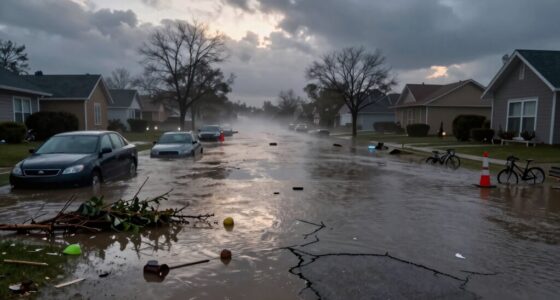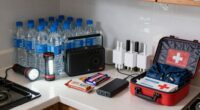
During wildfire smoke events and power outages, you can keep indoor air clean by using portable HEPA air purifiers with rechargeable batteries or DIY units made from box fans and high-quality filters. Seal gaps around windows and doors with tape and plastic sheeting to prevent smoke infiltration. Consider creating a sealed, airtight clean room for added protection. To discover more ways to maintain safe indoor air without HVAC, explore the options outlined here.
Key Takeaways
- Use battery-powered HEPA purifiers or DIY filtration units to maintain indoor air quality during outages.
- Seal gaps around windows, doors, and vents with plastic sheeting, tape, and door sweeps to prevent outdoor smoke entry.
- Construct or deploy DIY filtration solutions like Corsi-Rosenthal boxes with battery-operated fans for portable smoke filtration.
- Create a sealed, designated clean room equipped with portable filters for effective indoor air quality during power loss.
- Monitor indoor air quality with sensors to optimize filtration efforts and identify when additional measures are needed.

Pure Enrichment PureZone Mini Portable Air Purifier – Cordless True HEPA Filter Cleans Air & Eliminates 99.97% of Dust, Odors, & Allergens Close to You – Cars, School, & Office (Black)
PERSONAL AIR PURIFIER: Designed for small space use, this convenient, portable travel air purifier cleans 6ft² of air…
As an affiliate, we earn on qualifying purchases.
As an affiliate, we earn on qualifying purchases.
Selecting Portable Air Cleaners for Wildfire Smoke

When choosing portable air cleaners for wildfire smoke, it’s vital to focus on units that effectively remove fine particulate matter (PM2.5) and gases. Look for HEPA filters rated for your room size; True HEPA captures at least 99.97% of particles ≥0.3 µm, which includes most wildfire soot. For gases and odors, select models with activated carbon or molecular filters, as they adsorb VOCs and chemicals from smoke. Ensure the Clean Air Delivery Rate (CADR) matches your room’s square footage—aim for a CADR roughly equal to the room size. Position the purifier centrally in occupied spaces, keep doors and windows closed, and run at the highest safe setting during smoke events. Properly sized and placed units can considerably reduce indoor smoke levels and protect your health. Effective air filtration can significantly improve indoor air quality during wildfire events, especially when combined with proper ventilation techniques and air exchange strategies. Maintaining ventilation without bringing in outside smoke can be challenging, so using these filtration methods is essential. Additionally, understanding air quality indicators can help you monitor indoor conditions and optimize your filtration efforts. Using a reliable air quality monitor can help you assess indoor conditions and determine when filtration is most needed.
DIY Corsi-Rosenthal box kit
As an affiliate, we earn on qualifying purchases.
As an affiliate, we earn on qualifying purchases.
DIY Solutions: Building Effective Box Fan Filters
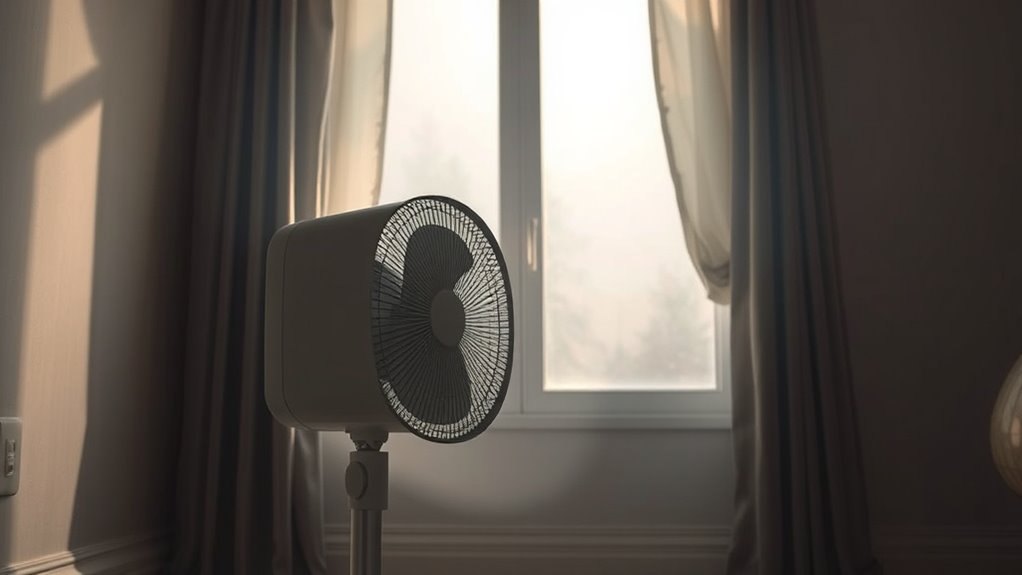
Building your own high-efficiency air filter with a box fan offers an affordable and customizable way to improve indoor air quality during wildfire smoke events. Start by attaching a MERV-13 or higher filter to a standard box fan, ensuring a snug fit to prevent air bypass. For greater performance, consider creating a Corsi-Rosenthal box by stacking multiple filters around the fan, which boosts airflow and filtration capacity. Use tape or shrouds to seal gaps and maximize efficiency. Choose a fan rated for continuous operation and verify the filter size matches. During power outages, power the setup with a battery or inverter to keep clean air circulating. Regularly replace filters to maintain ideal performance, especially during prolonged smoke episodes. This DIY approach offers a flexible, low-cost solution for cleaner indoor air, especially when considering Free Floating options that can be customized for your space. Additionally, selecting the right air filtration methods can significantly enhance the effectiveness of your DIY system during peak smoke periods. Incorporating air quality monitoring tools can help you optimize your filtration setup and ensure healthier indoor environments. Implementing proper sealing techniques further ensures that the system operates efficiently and maximizes filtration without leaks. To improve overall effectiveness, consider integrating additional filtration devices that target specific pollutants or odors.

Air Purifiers for Home with H13 Quiet HEPA Filter Up to 1076 Ft² for Pet Hair, Odors, Pollen, Smoke, Compact Air Cleaner with 3 Speeds, Timer, Aroma Quiet 360°Intake Filter, White
Effortless Operation: Simplified control panel with intuitive design makes it easy to operate. No complicated setup—just one tap,…
As an affiliate, we earn on qualifying purchases.
As an affiliate, we earn on qualifying purchases.
Enhancing Gaseous and Odor Removal With Activated Carbon

To effectively reduce gases, odors, and volatile organic compounds (VOCs) in your indoor air during wildfire smoke events, incorporating activated carbon filters is essential. These filters adsorb gaseous contaminants that particle-only filters cannot capture, considerably improving air quality. Choose air purifiers equipped with substantial activated carbon media or add activated carbon panels to existing units. Look for filters with a high carbon load and longer contact time for better removal of VOCs and odors. Regularly replace or recharge the carbon media, especially during prolonged smoke events, to maintain effectiveness. Position these filters centrally in occupied rooms and run them at high or maximum settings to maximize gas removal. Combining activated carbon with HEPA filtration offers all-encompassing protection against both particulate and gaseous pollutants. Additionally, selecting energy-efficient air purification systems can help reduce overall power consumption while maintaining high performance during extended use. Incorporating proper maintenance practices, such as timely replacement of activated carbon media, ensures sustained filtration efficiency over time. Considering the adsorption capacity of activated carbon can further optimize filtration performance during extended periods of smoke exposure. Moreover, selecting activated carbon with a high porosity enhances its ability to trap a wider range of volatile compounds effectively. To maximize performance, it is also beneficial to ensure proper airflow within the room to facilitate thorough purification.
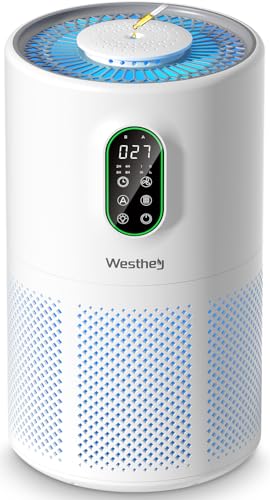
Air Purifiers for Home Large Room up to 1650 ft², WESTHEY H13 True HEPA Air Purifier for Bedroom with Night Light, Air Quality Monitor, Fragrance Sponge, Air Cleaner for Wildfire Smoke Dander Dust
WESTHEY AP02 AIR PURIFIER FOR HOME: The air purifiers feature a 360°surround air intake design with a high-efficiency…
As an affiliate, we earn on qualifying purchases.
As an affiliate, we earn on qualifying purchases.
Maintaining Indoor Air Quality During Power Failures
During power outages, you need alternative ways to keep indoor air clean. Battery-powered filtration options and sealing your home can help maintain air quality with minimal power. By preparing these strategies in advance, you can better protect yourself from wildfire smoke when the power goes out. Additionally, understanding and implementing ventilation techniques can further improve indoor air quality without relying on the HVAC system. Incorporating air quality awareness can help you monitor and respond to indoor pollution levels effectively. Utilizing filter maintenance knowledge can also assist in selecting appropriate lighting solutions that minimize indoor air disturbance and improve visibility. Being familiar with portable air purifiers can provide an extra layer of protection during outages.
Battery-Powered Filtration Options
When power outages strike, maintaining indoor air quality becomes a challenge, but battery-powered filtration options offer a practical solution. You can rely on small, portable units that run on batteries or portable inverters, ensuring continuous filtration during outages. Here are some effective options:
- Use portable HEPA air purifiers with rechargeable batteries for quick deployment.
- Create DIY units like Corsi‑Rosenthal boxes powered by battery-operated box fans.
- Incorporate battery-powered fans with activated carbon filters to remove gases and odors.
- Connect portable inverter systems to run high-CADR purifiers during short outages.
Keep spare batteries and portable power sources ready, and position these units centrally in occupied rooms. This approach helps maintain cleaner air when mains power is unavailable, reducing health risks from wildfire smoke.
Sealing for Passive Control
Sealing your home effectively limits the infiltration of wildfire smoke when power is out, reducing the load on your air-cleaning devices. Start by sealing gaps around windows, doors, and vents with weatherstripping or caulk. Use plastic sheeting and tape to cover larger openings or create a barrier over vents and exhaust fans. Install door sweeps to block drafts underneath doors. Focus on the room you plan to use as a clean refuge, ensuring it’s as airtight as possible. Keep vents closed or sealed to prevent outside air from entering. The tighter your home, the less outdoor smoke enters, which decreases indoor pollutant levels and makes your filtration efforts more effective during power outages. Proper sealing is a simple but critical step in maintaining indoor air quality during wildfire events. Floating on Water techniques can also be used to help cool indoor spaces naturally when HVAC systems are unavailable.
Practical Supplies and Preparations for Smoke Events and Outages
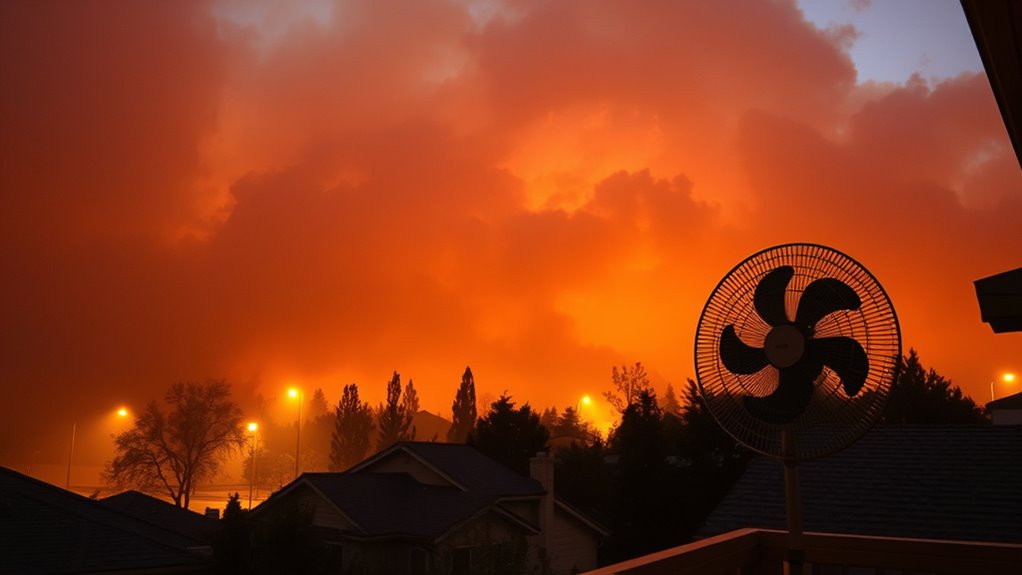
Preparing for wildfire smoke events and power outages requires assembling essential supplies and establishing a clear plan ahead of time. To stay prepared, consider these key items:
- Stock MERV-13 filters and replacement HEPA and activated-carbon cartridges for portable purifiers. Verify sizes and lead times.
- Acquire spare box fans, battery packs, inverters, or small UPS units to power air-cleaners during outages.
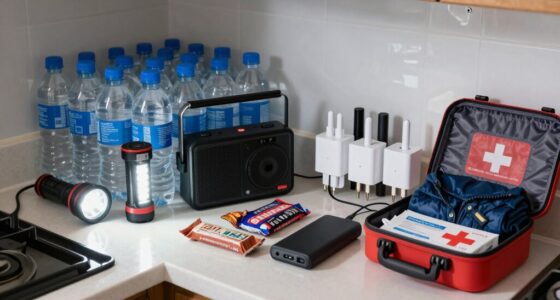
- Keep sealing materials like plastic sheeting, tape, and door sweeps to quickly create a clean room and block leaks.
- Assemble a toolkit with measurements, tape, spare cords, and instructions for building DIY units like the Corsi-Rosenthal box.
- Select high-quality air purifier options and ensure they are suitable for your room sizes to maximize effectiveness during smoke events.
- Regularly check and maintain your filters and equipment to ensure optimal performance when needed, especially considering the importance of performance cookies in tracking system efficiency.
- Consider using Glycolic Acid treatments to help improve skin resilience and reduce irritation from smoke exposure, especially for sensitive skin types. Additionally, understanding the net worth of yourself and others can help in planning for emergencies and resource allocation.
Having these supplies ready guarantees you can quickly improve indoor air quality and respond effectively during smoke and power outage events.
Balancing Safety, Performance, and Energy Use in Air Filtration
To effectively protect your indoor air during wildfire smoke events, you need to balance filtration performance with energy use and safety. Running high-CADR purifiers continuously can improve air quality but also increases power demands and potential safety risks. By selecting the right filters, managing operational settings, and ensuring proper safety measures, you can optimize your air-cleaning strategy for both effectiveness and efficiency.
Optimizing Filtration Efficiency
Balancing safety, performance, and energy use in air filtration requires careful selection and operation of your devices to maximize benefits while minimizing risks and costs. To enhance efficiency:
- Match your purifier’s CADR to your room size—aim for a rating roughly equal to the room’s square footage to ensure effective smoke removal.
- Use True HEPA filters rated H13 or H14 for maximum particulate capture, especially for wildfire soot.
- Incorporate activated carbon filters with sufficient load and contact time to target gases and odors.
- Run purifiers at high settings during peak smoke periods, then lower settings when air quality improves, conserving energy while maintaining safety.
This approach ensures optimal filtration with minimal waste and maximum protection.
Managing Power Consumption
Effective air filtration during wildfire smoke events requires not only selecting the right devices but also managing their power consumption to prevent overloads and guarantee continuous operation. To balance safety, performance, and energy use, run purifiers at high during peak smoke exposure and lower when conditions improve. Use battery-powered or inverter-compatible units for outages, and consider creating a passive clean room by sealing a single space to reduce filtration demands. Prioritize critical areas like bedrooms. Monitor power draw to avoid overloads, and size generators appropriately.
| Power Management Strategy | Application | Benefits |
|---|---|---|
| Intermittent operation | Run at high during smoke peaks, lower otherwise | Saves energy, prolongs device life |
| Battery backup | Use portable or DIY units during outages | Ensures continuous filtration |
| Passive sealing | Isolate a clean room | Reduces filtration needs |
| Generator sizing | Match to total purifier load | Prevents overload and ensures safety |
Ensuring Safe Operation
How can you guarantee that your indoor air filtration setup remains safe, efficient, and effective during wildfire smoke events? First, ensure filters are properly rated and installed—use True HEPA and activated carbon filters suited for your room size. Second, match your purifier’s CADR to your space, running it at the highest safe setting to maximize removal. Third, position units centrally, keeping doors and windows closed to prevent smoke infiltration. Fourth, during power outages, use battery-powered or generator-backed purifiers, and create a sealed “clean room” to concentrate filtration efforts. Regularly check filter replacements and avoid overloading units to prevent overheating or inefficiency. Balancing these steps keeps your air clean without compromising safety or draining energy.
Frequently Asked Questions
How Do I Choose the Best Portable Purifier for My Specific Room Size?
To select the best portable purifier for your room, start by matching the Clean Air Delivery Rate (CADR) to your room size—aim for a CADR roughly equal to the square footage. Choose a unit with True HEPA filters rated for smoke particles and significant activated carbon for gases and odors. Make certain it’s energy-efficient, quiet enough for your space, and easy to maintain. Proper placement centrally in the room maximizes effectiveness.
What Safety Precautions Should I Follow When Building DIY Air Purifiers?
When building DIY air purifiers, you should verify all components are rated for safe use, especially fans and filters. Always follow manufacturer instructions, guarantee proper sealing, and avoid overheating by not overloading the fan. Use non-flammable materials and work in a well-ventilated area. Test your unit for stability before use, and keep it away from water or moisture to prevent electrical hazards.
How Often Should Activated Carbon Filters Be Replaced During Heavy Smoke Events?
You should replace activated carbon filters every 1 to 3 months during heavy smoke events. The exact timing depends on the filter’s size, carbon load, and smoke intensity. If you notice a strong odor or VOCs lingering, replace the filter sooner. Regularly check for reduced airflow or visible dirt, and follow the manufacturer’s recommendations for replacement intervals to maintain effective gas and odor removal.
Can I Run Multiple DIY Units Simultaneously Without Overloading My Power Supply?
Think of your power supply as a delicate balancing act—overloading it is like trying to juggle too many balls at once. You can run multiple DIY units simultaneously, but only if your power source can handle the total wattage. Check each unit’s power draw and compare it to your generator or battery capacity. Prioritize critical units, and run them in shifts to avoid overwhelming your system, ensuring continuous, safe filtration.
Are There Portable Power Options Suitable for Continuous Operation During Outages?
Yes, you can use portable power options like batteries, inverters, and generators for continuous operation during outages. Select a deep-cycle battery or inverter that matches your purifier’s wattage needs, and consider a portable generator-sized appropriately to handle multiple devices. Guarantee safety by running generators outdoors and away from windows. Keep spare batteries, fuel, and necessary adapters on hand to maintain consistent filtration and protect your indoor air quality during power interruptions.
Conclusion
By preparing ahead and choosing the right solutions, you can keep your indoor air fresh even when wildfire smoke and power outages strike. DIY filters and activated carbon can be your trusted allies, helping you breathe easier without relying solely on HVAC. Remember, it’s better to be safe than sorry—don’t wait until the smoke is thick in the air. Stay proactive, and you’ll weather any storm with clear skies in your home.