During power outages, small mistakes like overloading extension cords, using damaged wires, or improper generator setup can quickly lead to fires. Candles, flammable materials near outlets, or ignoring electrical issues increase risks even more. Recognizing these hazards and following safety tips can prevent big problems. If you want to stay safe and avoid costly mistakes, understanding how to handle equipment and hazards properly is essential—you’ll discover more tips to protect your home and family.
Key Takeaways
- Overloading extension cords and using damaged cords can cause overheating and sparks during outages.
- Improper generator use, such as indoor operation or poor grounding, increases fire and carbon monoxide risks.
- Exposed or damaged wiring can lead to electrical arcing and fires if not inspected and repaired promptly.
- Keeping flammable materials near electrical sources or open flames heightens fire hazards during outages.
- Failing to detect and address gas leaks or electrical faults after power restores can cause fires and explosions.
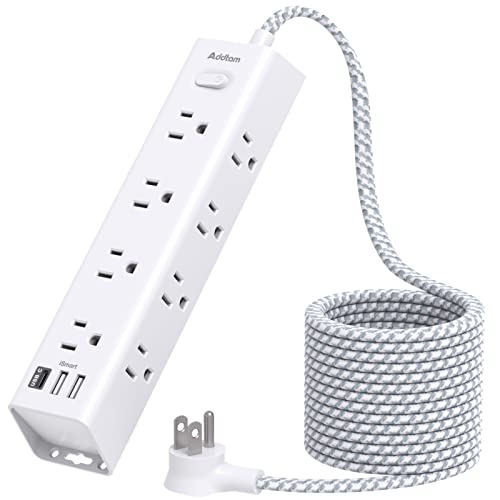
Surge Protector Power Strip – 10 FT Extension Cord, Power Strip with 12 Widely AC Outlet 3 USB, Flat Plug, Wall Mount Overload Protection, 1050J, Desk Charging Station for Home Office, ETL Listed
【15 IN 1 Power Strip】- 12 widely AC outlets power strips(1875W/15A Max)with 3 USB charing ports, the flat…
As an affiliate, we earn on qualifying purchases.
As an affiliate, we earn on qualifying purchases.
Common Mistakes During Power Outages That Can Lead to Fires

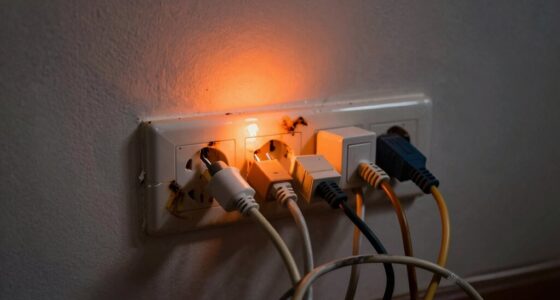
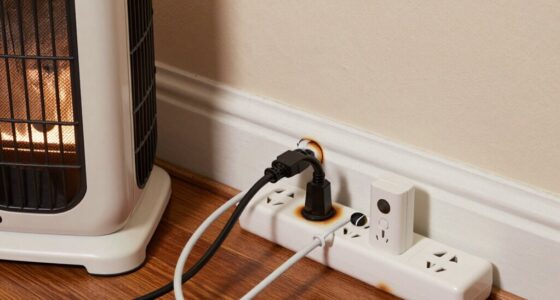
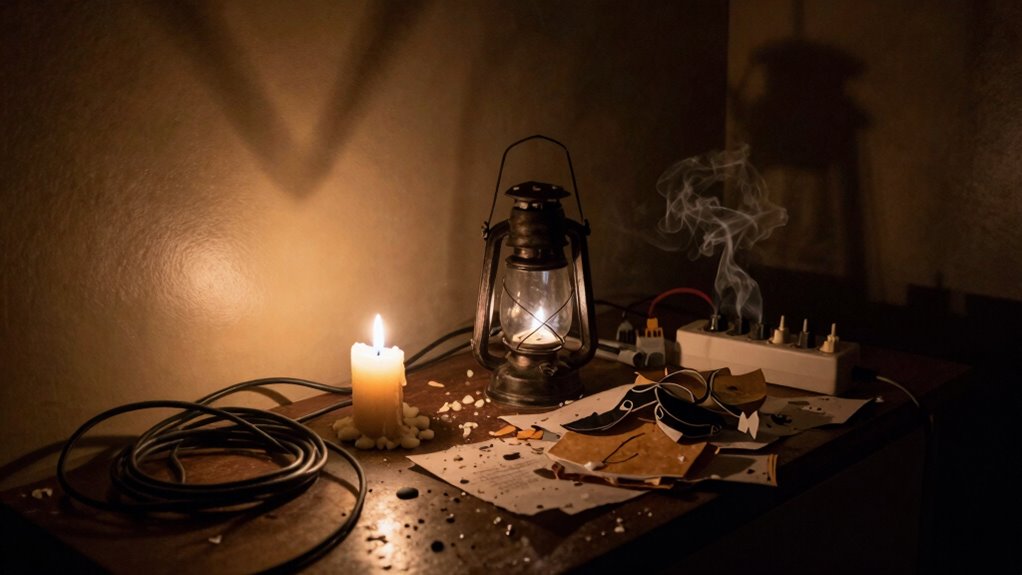
During a power outage, it’s easy to make mistakes that can spark fires if you’re not careful. Prioritizing electrical safety is vital to prevent accidents. Avoid overloading extension cords or plugging multiple appliances into a single outlet, which can cause overheating and fires. Using damaged or frayed cords also increases risk, so inspect them regularly. Never bypass safety features or overload your generator, as this compromises fire prevention efforts. Keep flammable materials away from electrical outlets and appliances, and don’t use candles or open flames for lighting—these are common fire hazards. Properly turn off appliances and unplug devices before power is restored. Staying vigilant about electrical safety during outages helps you prevent small mistakes from escalating into serious fire hazards. Incorporating energy-efficient appliances can further reduce electrical risks associated with power fluctuations. Being aware of fire safety tips during outages can also help you respond promptly in case of emergencies, and understanding proper wiring practices can prevent electrical faults that lead to fires. Regularly practicing emergency preparedness is essential to ensure quick and safe responses if a fire does occur. Additionally, knowing how to detect electrical faults early can help prevent dangerous situations from developing.
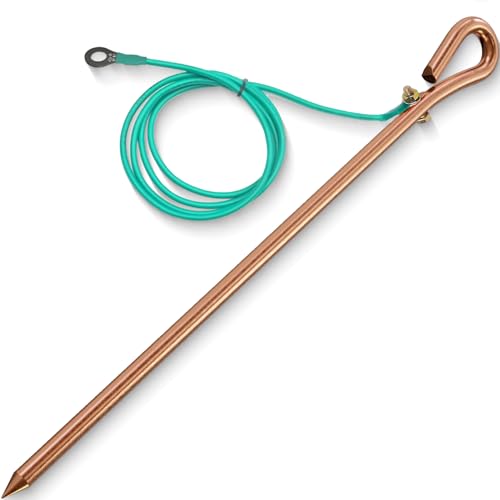
Generator grounding kit with 6ft Female Ground Cord,grounding rod for generator,Grounding Wire with Crocodile Clip for Electric Fences,Antennas (17.4 inch Ground Rod + 6.2ft Lugs Wire)
This 1/2” diameter, 17.4” long ground rod is designed for durability and precision,ensuring easy compatibility with wires up…
As an affiliate, we earn on qualifying purchases.
As an affiliate, we earn on qualifying purchases.
How Improper Use of Portable Generators Creates Hazards
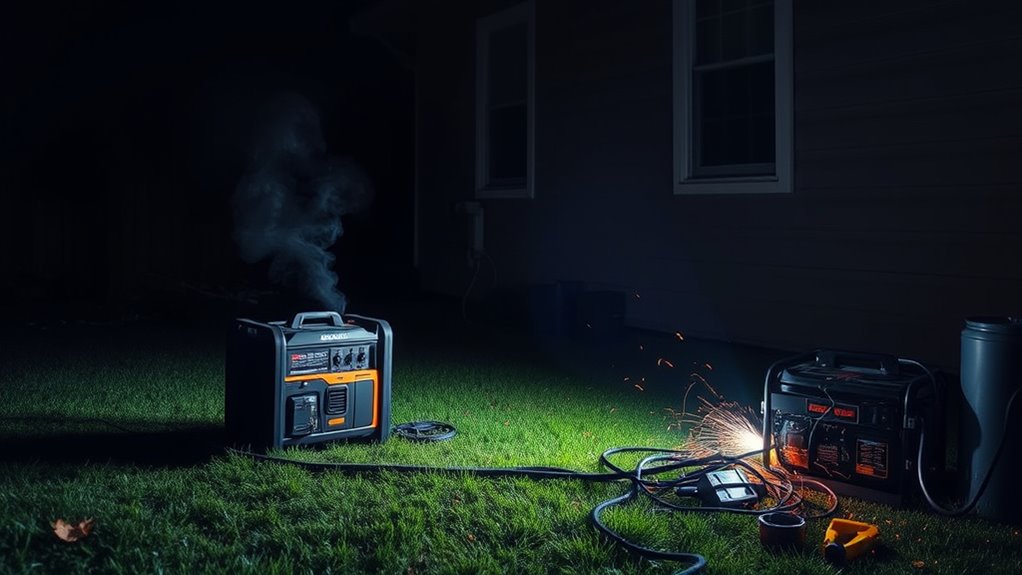
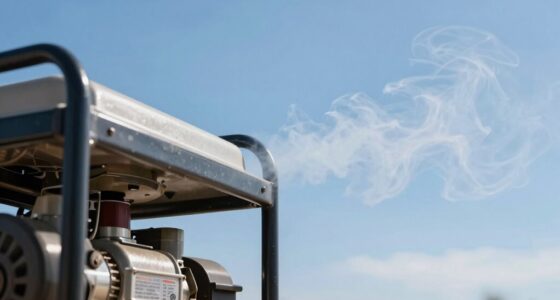
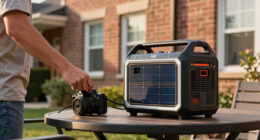
Improper use of portable generators can quickly turn a helpful device into a serious fire hazard. To guarantee portable generator safety, always operate the generator outdoors in a well-ventilated area, away from windows and vents. Never run it inside your home or garage, as carbon monoxide buildup can cause deadly poisoning and fire risks. Proper grounding is essential; failing to ground your generator can lead to electrical shocks or fires. Use a grounding rod and connect it according to the manufacturer’s instructions. Avoid using damaged cords or overloaded circuits, which can spark fires. Keep the generator dry and away from puddles or rain to prevent electrical shorts. Following these safety tips minimizes hazards and keeps your home and family safe during power outages. Additionally, regularly inspecting your generator’s transfer switch fundamentals ensures safe and reliable operation during outages. Ensuring the generator is properly grounded according to safety standards also reduces the risk of electrical fires. Always perform routine maintenance as recommended by the manufacturer to identify potential issues before they become serious fire hazards. Conducting regular safety checks helps to identify and address potential problems early, preventing fire risks before they escalate. To further prevent fire hazards, always adhere to the manufacturer’s guidelines for maintenance and inspection of your generator.

Rokeach 24 Hour Tin Candles (12 Pack) | Emergency Candles for Blackouts, Storms & Hurricanes
HIGH QUALITY – Crafted with precision, these memorial candles are encased in tin tumblers, adding a touch of…
As an affiliate, we earn on qualifying purchases.
As an affiliate, we earn on qualifying purchases.
The Dangers of Overloading Electrical Circuits in Emergency Situations
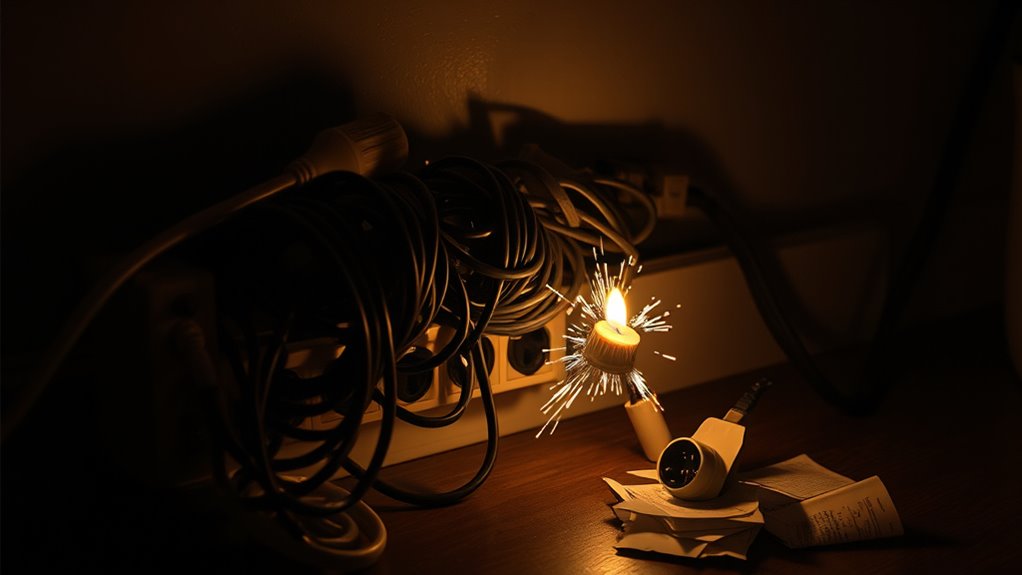
During a power outage, overloading electrical circuits can quickly become dangerous. When you push circuits beyond their limits, they can overheat and cause fires. Understanding the risks of emergency power strains helps you stay safe during outages. Additionally, using smart gear designed for emergency situations can help monitor load capacity and prevent overloads. Properly setting up your electrical system with load management technology can further reduce the chance of dangerous overloads during unexpected power disruptions. Implementing proper safety procedures when managing electrical devices during outages is essential to minimize risks and ensure safety. Being aware of circuit overload thresholds can help you avoid pushing systems beyond safe limits. Incorporating nanotechnology-based sensors can enhance the monitoring of electrical systems, providing early detection of overload conditions and preventing fires.
Circuit Overload Risks
When electrical circuits are overloaded, the risk of fire and damage increases considerably, especially in emergency situations when quick actions are necessary. A circuit overload occurs when too many devices draw power from a single circuit, causing wires to overheat. This overheating can ignite insulation or nearby materials, leading to fires. Electrical surges often accompany overloads, adding stress to your wiring and appliances. If you attempt to run multiple high-power devices simultaneously, you may unknowingly overload the circuit. Recognizing the signs—frequent tripped breakers, flickering lights, or warm outlets—can help prevent disaster. Staying mindful of your circuit’s capacity and avoiding overloading minimizes fire risks and keeps your electrical system safe during power outages or emergencies. Additionally, understanding the importance of circuit ratings can help you make informed decisions and prevent overload situations. Being aware of your home’s electrical capacity and installing appropriate protection devices can further reduce the risk of fire caused by overloads.
Emergency Power Strains
In emergency situations, the urgency to restore power can lead you to connect multiple devices to a single circuit, but this often results in dangerous overloads. Overloading circuits can cause wires to heat up quickly, increasing fire risks. To avoid this, use backup batteries for essential devices instead of overloading outlets. Surge protectors are also helpful—they can prevent power surges that damage electronics and reduce strain on circuits. However, don’t rely solely on surge protectors to handle multiple devices; they aren’t designed for heavy loads. Always distribute power across different outlets and circuits when possible. If you need to power many devices, consider professional assessment or portable power solutions to prevent dangerous overloads and keep your home safe during outages. Additionally, understanding home electrical safety practices can help you better manage emergency power needs and minimize fire risks.

VDIAGTOOL V210 Wire Tracer Electrical Automotive Open & Short Finder Circuit Tester Circuit Breaker Finder Fault Probe Wire Tracker Electrical DC 6-42V
【OPEN&SHORT CIRCUIT FINDER&TRCING WIRE】VDIAGTOOL V210 automotive open & short finder circuit tester powered by 2pcs 9V batteries performs…
As an affiliate, we earn on qualifying purchases.
As an affiliate, we earn on qualifying purchases.
Risks Associated With Damaged or Exposed Wiring Post-Blackout
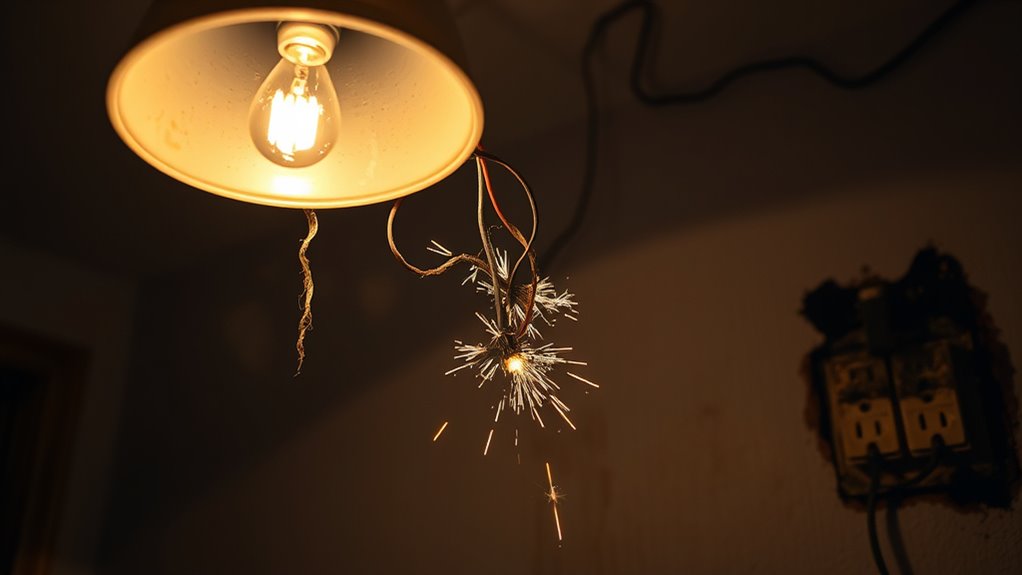
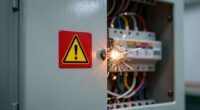
After a blackout, damaged or exposed wiring can pose serious fire hazards, especially if it’s left uninspected or unrepaired. Exposed wiring increases the risk of sparks coming into contact with flammable materials, which can ignite fires. Damaged insulation makes it difficult to identify faulty connections or broken wires, increasing the chance of short circuits. When wiring is compromised, electrical arcing can occur, releasing heat and sparks that ignite nearby objects. If you notice frayed or exposed wiring after a blackout, don’t ignore it. Always have a qualified electrician inspect and repair any damaged wiring before restoring power. Proper electrical system maintenance and prompt repairs are vital to preventing post-blackout fire risks. Ignoring these hazards can lead to fires that spread quickly, causing property damage and endangering lives. Regular inspection and testing can help uncover hidden issues that might not be immediately visible. Additionally, understanding the importance of environmentally conscious maintenance practices can minimize long-term risks associated with electrical hazards.
Safety Tips for Handling Flammable Materials During Power Outages

During a power outage, handling flammable materials with care is essential to prevent fires and injuries. Keep these materials away from heat sources, open flames, or electrical outlets to reduce fire risks. Store fuels, cleaning supplies, and aerosols in cool, well-ventilated areas, out of reach of children. Use flashlights instead of candles to illuminate your home, avoiding the risk of accidental fires. Always read labels for proper storage instructions and safety warnings. Maintain good home safety practices by organizing flammable items and disposing of expired or unused products responsibly. Regularly check the air quality in your home, especially during power outages, to identify and reduce potential fire hazards linked to poor ventilation or accumulated fumes. Monitoring home ventilation can help prevent dangerous buildup of fumes that may ignite. Being aware of fire safety protocols during emergencies can further help prevent accidents. Additionally, having a fire extinguisher accessible and knowing how to use it can be vital in controlling small fires before they escalate. Staying informed about fire prevention strategies and maintaining your safety equipment ensures you’re prepared to respond effectively. Remember, fire prevention starts with cautious handling and proper storage of flammable materials, especially during power outages when emergency response might be delayed. Staying vigilant helps protect your home and loved ones from preventable fires.
Recognizing and Responding to Fire Hazards in the Aftermath of a Power Loss

After a power outage, you need to stay alert for signs of electrical fires, like sparks or burning smells. Make sure to check for gas leaks around appliances and pipelines before using anything that could ignite a spark. Respond quickly to any hazards you find to keep everyone safe. Staying informed about ESG considerations and sustainability can also help you understand the importance of responsible energy use and safety measures during outages.
Check for Electrical Fires
When power is restored, it’s crucial to carefully check for signs of electrical fires. Look for visible smoke, sparks, or burning odors around outlets or appliances. Pay attention to flickering lights or unusual buzzing sounds, which can signal wiring issues. Use the following checklist to stay vigilant:
| Signs of Electrical Fires | Immediate Actions | Fire Safety Tips |
|---|---|---|
| Burning smell | Turn off power | Keep a fire extinguisher nearby |
| Smoke or sparks | Unplug affected devices | Avoid using water on electrical fires |
| Discolored outlets | Call a professional | Install smoke alarms in key areas |
Being aware of these hazards helps prevent small issues from turning into big fires, ensuring your fire safety remains intact after a power outage.
Preventing Gas Leaks
Power outages can increase the risk of gas leaks, as damaged appliances or faulty connections may go unnoticed without proper inspection. After power is restored, carefully check your gas line for signs of leaks, such as hissing sounds or the smell of gas. Use a leak detection solution—mix soap and water and apply it to connections and fittings. If bubbles form, you have a leak. Never ignore the smell of gas; if detected, evacuate immediately and call your gas company or emergency services. Regularly inspecting your gas line and ensuring all connections are tight can prevent leaks from developing. Taking these precautions helps protect your home from fire hazards caused by unnoticed gas leaks after a power outage.
Frequently Asked Questions
How Can I Prevent Fire Hazards From Unattended Appliances During Outages?
To prevent fire hazards from unattended appliances during outages, always unplug appliances when not in use. This enhances appliance safety and reduces the risk of electrical sparks or overheating. Use surge protectors for essential devices, and avoid leaving unattended devices plugged in for long periods. Regularly inspect cords and outlets for damage, and never leave appliances running when you’re not around. Staying vigilant helps keep your home safe from fire hazards.
What Are the Signs of Electrical System Damage After a Blackout?
Imagine your electrical system as a delicate web, and after a blackout, cracks appear signaling trouble. You might notice flickering lights, frequent breaker trips, or burning smells—these are signs of electrical damage and system failure. Discolored outlets or scorch marks indicate wiring issues. Ignoring these signs risks further damage or fire. Check your system carefully, and if you see these signs, call an electrician promptly to prevent bigger problems.
Are There Specific Fire Risks Associated With Emergency Lighting Equipment?
Emergency lighting equipment does pose specific fire risks if not properly maintained. Faulty wiring, damaged bulbs, or overheating can ignite fires, increasing danger during outages. You should regularly inspect your emergency lighting for signs of wear, verify batteries are functioning, and replace any damaged parts promptly. Proper maintenance reduces fire risk, keeps your emergency lighting reliable, and ensures safety when power goes out. Taking these steps helps prevent small issues from turning into big problems.
How Does Weather Influence Fire Risks During Power Outages?
Weather conditions can subtly influence fire risks during power outages. You might notice that temperature fluctuations cause electrical equipment to work harder, increasing the chance of overheating or sparks. Storms and high winds can also damage power lines or ignite dry vegetation nearby, creating unsafe conditions. Staying vigilant during extreme weather helps prevent small issues from turning into larger, more dangerous fires, protecting both your home and community.
What Safety Measures Should Be in Place for Community Power Restoration Efforts?
You should prioritize community communication and safety training during power restoration. Make certain everyone knows how to stay safe, avoid fire hazards, and report issues. Set up clear communication channels, like alerts or meetings, for updates. Conduct safety training sessions beforehand, emphasizing the importance of small mistakes that can lead to big problems. This proactive approach helps prevent fire risks and keeps residents informed and prepared during the restoration process.
Conclusion
Remember, a small mistake can snowball into a big disaster when it comes to power outages. Stay vigilant, follow safety tips, and don’t cut corners with electrical equipment or flammable materials. By paying attention and acting cautiously, you can prevent fires before they start. It’s better to be safe than sorry—sometimes, a little extra effort saves a lot of trouble down the road. Stay alert and keep your home and loved ones protected.