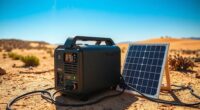
To create an outage power zone that keeps cords off the floor, start by evaluating your space and power needs. Choose an accessible location near essential devices, then install wall-mounted outlets or elevated power strips to avoid clutter. Secure cords with cable clips and covers, organizing them neatly along walls. Use surge protectors with grounding and safety features, and regularly inspect your setup. Continue exploring for tips to optimize safety and accessibility in your power zone.
Key Takeaways
- Mount power strips or surge protectors on walls or elevated surfaces near essential devices.
- Use cable clips and cord covers to secure and conceal cords along walls and furniture.
- Choose wall-mounted USB chargers and outlets to reduce floor clutter and improve access.
- Keep cords organized and off the floor to prevent tripping and damage during outages.
- Install circuit protection and grounding to ensure safety and prevent overloads in the outage zone.

Philips 6-Outlet Extender Surge Protector, 2 Pack, Wall Tap, 900 Joules, 3-Prong, Space Saving Design, Protection Indicator LED Light, ETL Listed, White, SPP3466WA/37
Power More – Turn 2 grounded AC outlets into 6 and power all of your home or office…
As an affiliate, we earn on qualifying purchases.
As an affiliate, we earn on qualifying purchases.
Assess Your Space and Identify Power Needs

Before setting up your outage power zone, you need to evaluate your space carefully. Start by assessing your power consumption needs—identify which devices you’ll connect and how much energy they require. This helps you determine the number of outlets or power strips you’ll need, ensuring your setup can handle your devices safely. Check device compatibility too; some electronics may need surge protectors or specific outlets. Consider the wattage ratings and whether your power sources can sustain multiple devices without overloading. Mapping out your power needs now prevents issues during outages and keeps cords off the floor. Being precise in this stage ensures your power zone functions efficiently, safely, and meets all your device requirements. Additionally, consulting a reliable backup power guide can help you select the right generator and safety equipment for your needs. Proper planning also involves understanding your European cloud infrastructure to ensure your setup aligns with energy-efficient and secure solutions. Incorporating smart energy management technologies can further optimize your power use during outages and improve overall home safety. Recognizing the importance of power distribution helps you design a system that minimizes risks and maximizes efficiency. Moreover, understanding power system design principles can aid in creating a resilient and reliable outage power zone.

120 Pcs XHF Adhesive Cable Wire Clips White, Cable Staples Outdoor Cable Management Wire Organizer Cord Holder for Under Desk, Car, Wall, TV PC Ethernet Cable
High quality material:XHF Adhesive Cable Clips are manufactured from Strong Adhesive and PA66 nylon
As an affiliate, we earn on qualifying purchases.
As an affiliate, we earn on qualifying purchases.
Choose the Right Location for Your Power Zone

You need to pick a spot that’s easy to access and close to your essential devices. Make sure it’s near a safe power source to avoid hazards during outages. Choosing the right location guarantees your power zone is both practical and secure. Additionally, consider incorporating smart appliances to automate and monitor your power management effectively. Incorporating energy-efficient devices can also help reduce power consumption and improve safety during outages. To optimize safety and efficiency, selecting a location with proper electrical wiring is crucial to prevent potential hazards and ensure reliable power delivery during emergencies. Ensuring the area has adequate grounding helps protect your devices and users from electrical faults during power fluctuations. Proper circuit protection should also be installed to safeguard against overloads and short circuits.
Accessibility and Convenience
Choosing the right location for your Power Zone is essential to guarantee easy access and maximum convenience. You want a spot that’s within reach for daily use, so plugging in devices feels quick and effortless. Consider an area that minimizes strain, promoting ergonomic comfort during frequent connections or adjustments. It should also blend seamlessly into your space, enhancing aesthetic appeal without cluttering or disrupting your decor. Placing the Power Zone near common activity hubs ensures you don’t have to stretch or bend awkwardly to reach outlets. Keep it accessible but out of the way, avoiding high-traffic zones that could cause accidents or cord tangles. A well-chosen location simplifies your routine, helping cords stay off the floor while keeping everything within easy reach. Incorporating a designated power management area can further improve safety and organization, especially when considering ergonomic design principles that reduce strain during use. Additionally, selecting a spot with sufficient outlet accessibility enhances your ability to manage multiple devices efficiently. Ensuring your setup adheres to safety guidelines can also prevent potential hazards and streamline your workspace. Properly planning your Power Zone can also help you incorporate smart outlet features for added convenience and control.
Proximity to Devices
Placing your Power Zone close to the devices you use most guarantees quick, effortless connections. Focus on cord proximity when choosing a spot, ensuring cords don’t stretch across walkways or clutter your space. Proper device placement reduces strain on cords and prevents accidental disconnections or damage. Position your Power Zone near essential electronics like computers, chargers, or entertainment systems, so cords stay organized and accessible. Keep in mind that distance matters; the closer your devices are to the Power Zone, the less slack you need to manage. This setup minimizes tangled cords and keeps your space tidy. Remember, strategic placement helps streamline your setup and makes power access convenient without sacrificing safety or order. Additionally, considering the role of contrast ratio can help ensure your devices and cables are clearly visible and accessible in various lighting conditions. Recognizing the importance of connected equipment in your setup can further optimize your home gym’s organization and safety. Proper cable management techniques are essential to maintaining a safe and efficient space, especially when considering the style and organization of your setup. Incorporating ergonomic design principles can also improve ease of use and reduce clutter over time.
Safe Power Source
Selecting the right location for your Power Zone guarantees a safe and reliable power supply. To ensure this, consider these key points: 1. Choose a spot near a dedicated circuit breaker to prevent overloads. 2. Ensure access to power redundancy, so if one source fails, another kicks in seamlessly. 3. Avoid areas prone to moisture or heat, which can damage cords and outlets. 4. Position your Power Zone where you can easily unplug devices without stretching cords or tripping hazards. 5. Additionally, power distribution planning helps optimize safety and efficiency in your setup. Proper placement also considers home accessibility to make managing cords easier and safer for everyone. This setup minimizes risks and keeps cords off the floor, reducing accidents. A well-placed Power Zone with proper circuit breakers and power redundancy guarantees consistent power, protecting your devices and maintaining safety. Incorporating electrical safety principles ensures your setup remains secure and reliable over time. For added peace of mind, regularly inspecting your setup and following maintenance schedules can help prevent potential hazards before they occur. Additionally, implementing proper wiring techniques can further enhance safety and reduce the risk of electrical issues.

Jgstkcity Desk Clamp Power Strip USB C,40W Total Fast Charging Station,4 PD 20W USB C Ports,Desk Edge Mount Surge Protector,5 Outlets,Fit 1.96" Tabletop Edge,ETL Listed
Office Organizers for Desk: Versatile power dock and USB charger mount to the desk surface with an edge…
As an affiliate, we earn on qualifying purchases.
As an affiliate, we earn on qualifying purchases.
Select Appropriate Power Strips and Surge Protectors
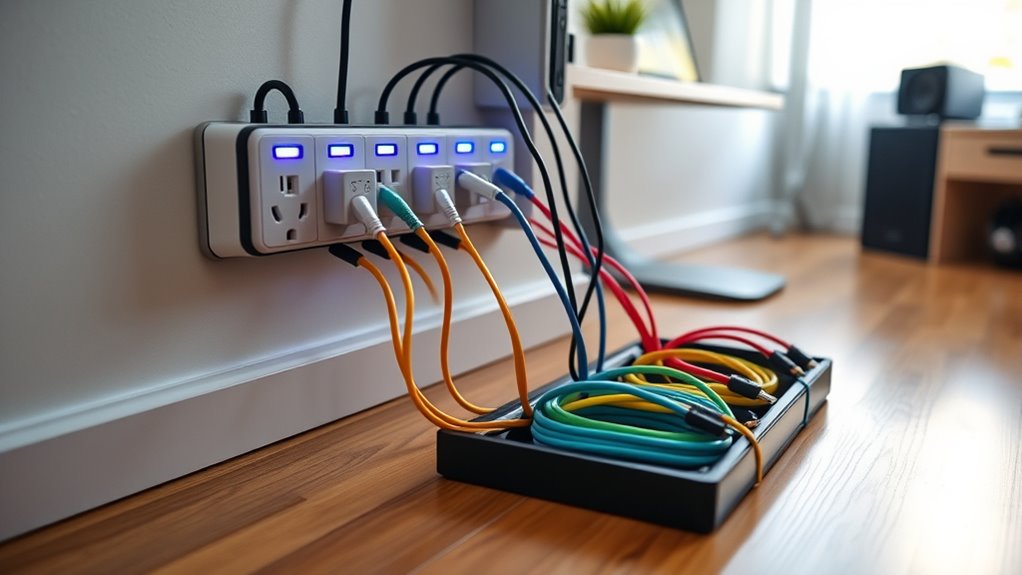
When choosing power strips and surge protectors, make sure they’re fire-resistant to enhance safety. You’ll also want to match the power strip’s capacity to your devices’ needs to prevent overloads. Selecting the right models helps protect your equipment and keeps your outage zone secure. Additionally, opting for professional-grade surge protectors can provide more reliable protection for your valuable electronics.
Choose Fire-Resistant Models
To guarantee safety during outages, choosing fire-resistant models is essential. Fire-resistant power strips and surge protectors with proper safety certifications help prevent fires caused by electrical faults. When selecting these devices, consider: 1. Look for models labeled with recognized safety certifications like UL or ETL. 2. Opt for fire-resistant materials designed to withstand high heat. 3. Check for built-in overload protection to avoid overheating. 4. Choose surge protectors with stable grounding features for added safety. Additionally, selecting devices with fire-resistant materials can further enhance safety during power outages, especially when used in outage power zones where cords are kept off the floor.
Match Power Needs
Making sure your power strips and surge protectors match your energy needs is essential to maintaining safety and efficiency during outages. First, check the power capacity of each strip to make sure it can handle the total wattage of your devices without overload. Avoid plugging too many high-demand appliances into a single strip. Additionally, consider the cord length to ensure your devices reach the power source comfortably without creating a tangled mess or tripping hazard. Longer cords provide flexibility, but don’t sacrifice safety by using extension cords improperly. Choose power strips and surge protectors with adequate capacity and appropriate cord lengths to keep your setup organized and safe. Proper matching prevents overloads, protects your electronics, and keeps your outage power zone running smoothly.

Surge Protector Outlet Extender – with Rotating Plug, 6 AC Multi Plug Outlet with 4 USB Ports (2 USB C), 1800J Wall Charger, 3-Sided Power Strip with Spaced Outlet Splitter for Home, Office, Travel
【10 IN 1 USB Wall Outlet Extender】- 6 AC outlet adapter (3 side, 15A/125V/1875W) with built-in 1800 Joules…
As an affiliate, we earn on qualifying purchases.
As an affiliate, we earn on qualifying purchases.
Install Wall-Mounted or Elevated Power Solutions

Installing wall-mounted or elevated power solutions can considerably improve your outage power zone by keeping essential devices accessible and organized. This setup reduces clutter and makes it easier to connect devices like wireless chargers or battery backups quickly during outages. Consider these options:
- Mount power strips on the wall near your work or charging area.
- Install outlets at elevated positions to avoid floor hazards.
- Use wall-mounted USB charging stations for wireless charging devices.
- Incorporate battery backups directly into your elevated power setup for quick, reliable power during outages.
These solutions keep cords off the floor, streamline device access, and ensure your critical electronics stay powered and organized when you need them most.
Organize and Secure Cords With Cable Management Tools
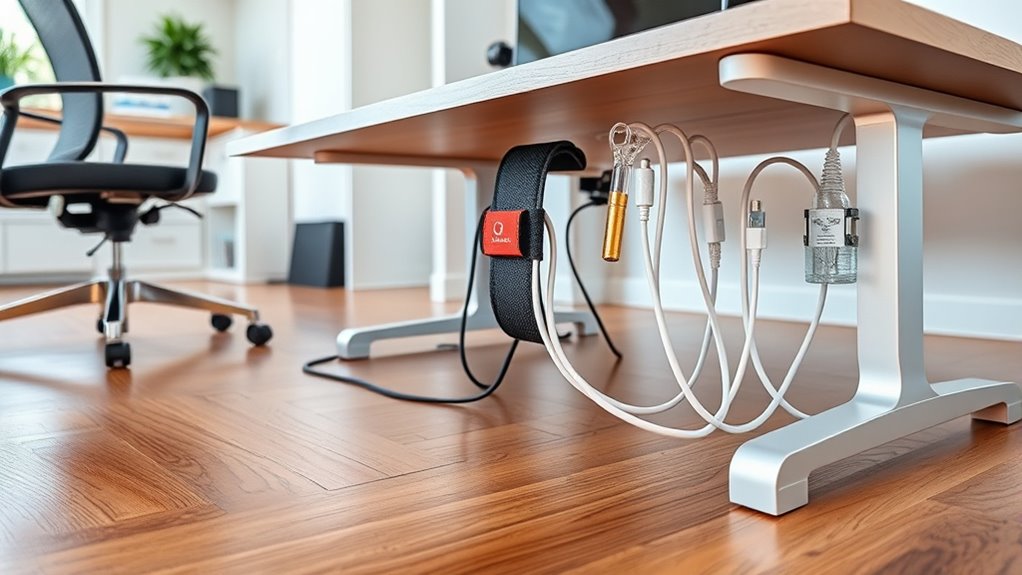
Once you’ve set up your power sources, keeping cords organized becomes key to maintaining a safe and efficient outage power zone. Use cable clips to secure cords along walls or furniture, preventing tripping hazards and keeping cables neat. These clips hold cords in place and make access easier during power outages. Additionally, employ cord covers to protect and conceal exposed cords running across floors. Cord covers not only prevent damage but also keep cords off the ground, reducing the risk of accidents. Regularly check that clips and covers stay secure and in good condition. By properly organizing and securing cords, you create a safer, more accessible outage power zone that minimizes clutter and enhances safety during power disruptions.
Create a Centralized Power Hub Using Power Strips or Blocks
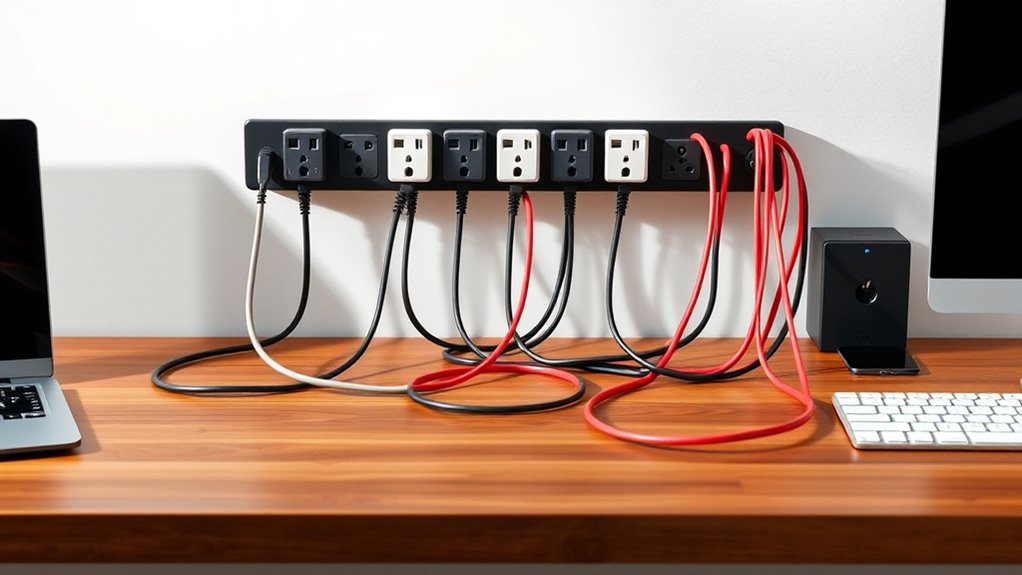
Creating a centralized power hub with power strips or blocks helps streamline your outage setup and keeps essential devices easily accessible. Proper cable organization and strategic power strip placement prevent clutter and tripping hazards. To optimize your setup:
Create a central power hub with organized cords and strategic placement for safer, more accessible devices during outages.
- Choose a sturdy power strip or block with enough outlets for your devices.
- Place it in a central location, close to where your devices are used most.
- Use cable organizers to keep cords tidy and prevent tangling.
- Avoid overloading outlets to reduce fire risk and ensure safety.
Implement Safety Measures and Proper Grounding
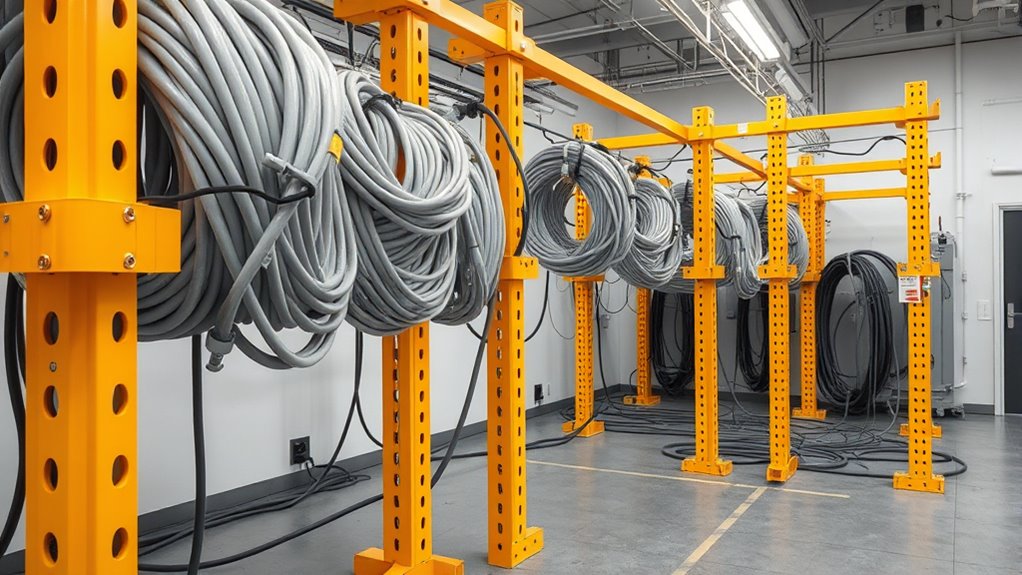
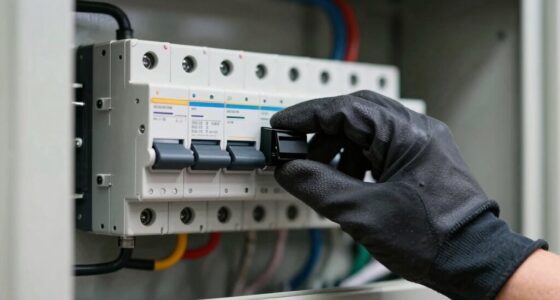
To guarantee your outage power zone remains safe and reliable, it’s crucial to implement proper safety measures and grounding techniques. Grounding safety helps prevent electrical shocks and equipment damage by directing stray current safely into the ground. Make sure all power strips, outlets, and extension cords meet electrical codes, which specify proper grounding methods. Use grounded outlets with three-prong plugs whenever possible, and verify that your grounding connections are secure and intact. Avoid daisy-chaining multiple power strips, as this can create overloads and safety hazards. Regularly inspect cords and connections for damage or wear. By following electrical codes and prioritizing grounding safety, you minimize the risk of electrical incidents and maintain a safe, functional outage power zone.
Test the Setup and Adjust for Accessibility
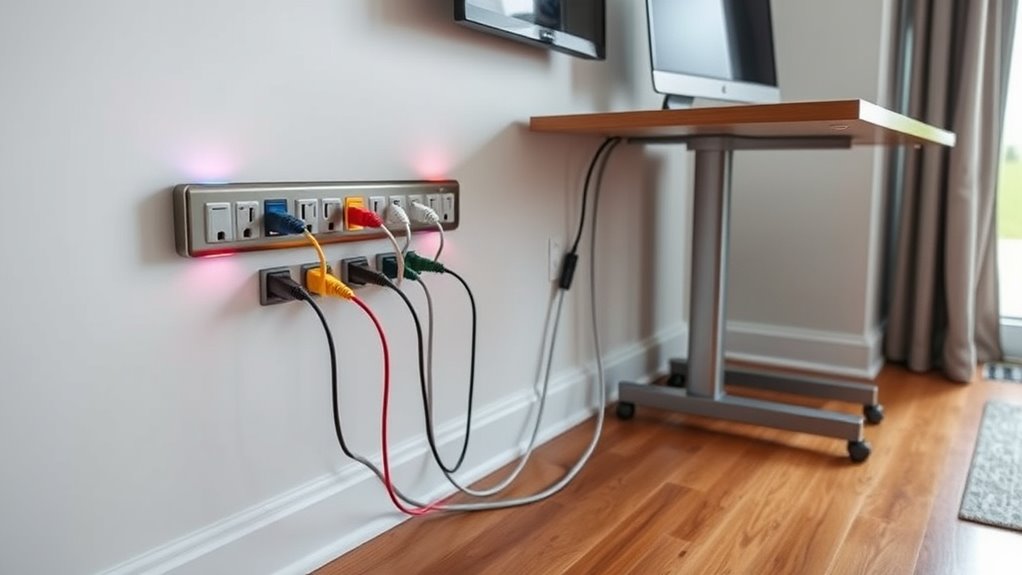
Have you tested your outage power zone setup to make certain everything works smoothly? Testing accessibility is vital to guarantee cords are off the floor and easy to reach. First, check that power sources are correctly connected and functioning. Next, walk through your setup to identify any tight spots or obstacles. Third, adjust the height or placement of cords and strips for maximum accessibility. Finally, test the entire system by plugging in devices, ensuring cords don’t interfere with movement. This process helps you spot issues early and fine-tune your setup for convenience. Remember, adjusting setup based on testing feedback guarantees your power zone remains safe, accessible, and efficient during outages.
Maintain and Periodically Review Your Power Zone

Regularly maintaining and reviewing your power zone guarantees it stays safe, functional, and efficient over time. Periodic checks help you spot tangled cords, loose connections, or wear that could compromise power safety. Keep your cord organization tidy by rerouting cords and securing them properly. This minimizes tripping hazards and prevents damage. Use the table below to track your maintenance:
| Task | Frequency |
|---|---|
| Inspect cords for damage | Monthly |
| Re-secure loose cords | Weekly |
| Clear clutter from zone | Bi-weekly |
Frequently Asked Questions
How Do I Prevent Children From Accessing the Power Zone?
You can prevent children from accessing the power zone by implementing child-proofing measures like installing safety lock options on outlets or power strips. Use outlet covers or safety caps to block access, and consider mounting the power strip higher or behind furniture to keep it out of reach. Regularly check that safety devices are securely in place, ensuring your power zone stays safe and child-proofed at all times.
What Are the Best Materials for DIY Wall-Mounted Power Solutions?
You want a DIY wall-mounted power solution that’s both sturdy and safe. Use materials like plywood or MDF for the base, then add cable management clips or conduit to keep cords organized. make certain your setup meets safety compliance standards by securing outlets and wiring properly. These materials are durable, easy to work with, and help prevent a chaotic tangle of cords—making your power zone safer and more efficient than a superhero’s lair.
How Do I Hide Cords for Aesthetic Appeal?
To hide cords for aesthetic appeal, focus on effective cord concealment techniques. Use cable raceways or decorative conduit to run wires along walls, keeping them out of sight. You can also install wall panels or use furniture to hide wiring, creating seamless aesthetic wiring. Velcro straps or cord covers help organize and secure cords, preventing clutter. These methods make your space look clean and stylish while keeping cords safely concealed.
Can I Add Multiple Power Zones in One Room?
Yes, you can add multiple power zones in one room by strategically placing power strips. Make sure to position power strip placement near your devices and avoid overloading outlets for safety precautions. Use surge protectors, keep cords organized, and guarantee each zone has proper ventilation. This setup helps prevent tripping hazards and keeps cords off the floor, creating a safe, efficient, and clutter-free environment.
What Are Common Mistakes to Avoid During Installation?
When installing your outage power zone, avoid common mistakes like neglecting proper cable management, which can cause tripping hazards and damage. Make certain you follow safety precautions by turning off power before working and securing cords to prevent accidental disconnections or injuries. Don’t overcrowd outlets, and double-check connections for stability. Taking these steps keeps your setup safe, organized, and efficient, minimizing risks during and after installation.
Conclusion
Creating an outage power zone is like building a safe harbor for your cords—organized, secure, and out of harm’s way. By evaluating your space, choosing the right solutions, and staying vigilant with maintenance, you keep everything tidy and safe. Think of it as turning a tangled mess into a sleek, streamlined station. With a little planning, you’ll enjoy a clutter-free area that’s as reliable as a lighthouse guiding ships safely home.