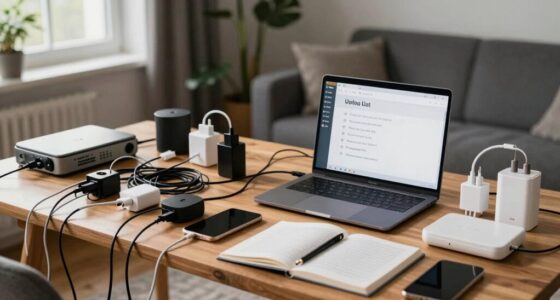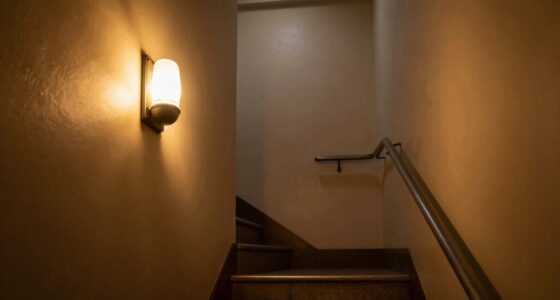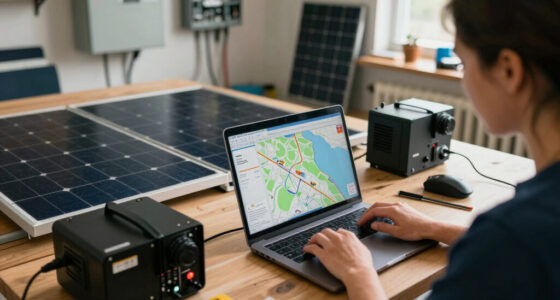
To reduce trip hazards in your home backup setup, organize and secure all cables along walls or ceilings using clips, raceways, or cable ties. Keep pathways clear of loose cords and clutter, and avoid bunching cords into knots on the floor. Use proper lighting to improve visibility, ensuring every corner is well-lit and shadows are minimized. Regularly inspect cords and connections for damage. Continuing will reveal even more effective ways to keep your workspace safe and secure.
Prime for Young Adults — start your free trial
Fast free delivery, streaming and member deals for eligible 18–24 year olds.
As an affiliate, we earn on qualifying purchases.
Key Takeaways
- Secure all cables along walls or ceilings using cable clips and raceways to keep pathways clear.
- Use cable ties or Velcro straps to bundle excess cord length and prevent tangling.
- Avoid running cords across walkways; instead, route them along baseboards or behind furniture.
- Regularly inspect cords for damage or wear and replace any frayed or loose connections promptly.
- Keep pathways free of clutter and obstacles to minimize tripping risks around backup equipment.

Setting up a home backup system is essential for ensuring your data stays safe, but it can also create trip hazards if not organized properly. To keep your space safe, you need to pay attention to how you set up your equipment and cables. One of the most important aspects is guaranteeing electrical safety. Avoid overloading outlets or using damaged extension cords, as these can increase the risk of electrical fires or shocks. Always use cords rated for the power load and make sure they are in good condition. Proper grounding of backup batteries and surge protectors is critical to prevent electrical accidents. Secure all cords and cables along walls and baseboards, rather than leaving them loose on the floor, to reduce the chance of tripping.
Proper lighting plays a key role in minimizing trip hazards. A well-lit area allows you to see cables, equipment, and potential obstacles clearly. Install bright, energy-efficient lighting around your backup setup to illuminate every corner. Avoid relying solely on overhead lights if they cast shadows; instead, consider additional task lighting, such as desk lamps or under-shelf lights. This makes it easier to spot loose cords or clutter before you accidentally trip over them. When arranging your backup system, keep pathways clear and guarantee that cables run along walls or ceilings whenever possible. Use cable clips or raceways to keep cords neatly bundled and out of walkways. Regular cable inspection helps identify potential damage or wear that might lead to hazards. Additionally, incorporating proper safety procedures can further reduce the risk of electrical accidents.
In addition to electrical safety and proper lighting, maintaining an organized setup helps prevent trip hazards. Use cable ties, Velcro straps, or cable organizers to manage excess cord length. Avoid bunching cables into knots or leaving them sprawling across the floor. If you have multiple devices, consider using power strips with built-in surge protection and individual switches, so you can turn off unused devices and reduce clutter. Regularly inspect your setup for frayed cords, loose connections, or misplaced cables, and address issues immediately. Proper cable management is essential for creating a safe and efficient workspace. Incorporating safety audits periodically can help identify potential hazards before they cause accidents. Additionally, understanding the importance of electrical safety can significantly reduce the risk of hazards associated with backup systems.
Ultimately, reducing trip hazards in your home backup setup hinges on good planning and attention to detail. Prioritize electrical safety by managing cords properly and guaranteeing everything is grounded and undamaged. Simultaneously, improve your environment with proper lighting that enhances visibility. When you combine these measures with ongoing organization, you create a safer, more efficient backup station that minimizes risks and keeps your data secure without compromising your safety.
As an affiliate, we earn on qualifying purchases.
Frequently Asked Questions
What Are the Most Common Trip Hazards in Home Backup Setups?
The most common trip hazards in your home backup setup are loose utility cables and poor clutter management. You might trip over tangled or exposed cables lying across walkways. To prevent this, keep cables organized and secured, and clear clutter regularly. Make certain pathways are free of obstacles and cables are properly routed to minimize risks. Taking these steps helps create a safer environment and reduces the chance of accidents.
How Often Should I Inspect My Backup Area for Hazards?
You should inspect your backup area at least once a month to catch hazards early. During each inspection, check for poor lighting upgrades that could cause trips and guarantee floor marking is clear and intact. Keep walkways well-lit and clearly marked, and promptly fix any damaged or loose flooring. Regular inspections help you maintain a safe environment and prevent accidents before they happen.
Are There Specific Safety Standards for Backup System Installations?
Think of your backup system as the heart of emergency preparedness—safety standards are your crucial signs. Yes, there are specific electrical safety standards for installation, like those from the NEC and local codes, ensuring safe, reliable operation. Following these standards helps prevent hazards and guarantees your backup setup meets safety requirements. Always consult a licensed electrician to verify compliance and protect your home and loved ones during power outages.
Can DIY Modifications Improve Backup Area Safety?
Yes, DIY safety and modification tips can improve your backup area’s safety. You can secure loose cords with clips or covers, level uneven flooring, and add non-slip mats to reduce trip hazards. Organize tools and equipment neatly, and mark walkways clearly. Always follow safety guidelines and wear protective gear during modifications. These simple DIY modifications make your backup setup safer, preventing accidents and ensuring smoother access during emergencies.
What Should I Do if Someone Trips in My Backup Area?
If someone trips in your backup area, act quickly with an emergency response, like calling for help if needed. Make sure you have hazard signage to warn others of potential dangers. For example, after a trip incident, you might flag the hazard area and assist the person while staying calm. Promptly addressing injuries and reviewing safety measures helps prevent future accidents and keeps your backup setup safe for everyone.
surge protector power strip with individual switches
As an affiliate, we earn on qualifying purchases.
As an affiliate, we earn on qualifying purchases.
Conclusion
By taking these simple steps to minimize trip hazards, you create a safer haven for everyone in your home. Remember, a clutter-free space isn’t just neat—it’s a shield protecting your loved ones from harm. Don’t let carelessness turn into tragedy. Instead, embrace these safety measures with vigilance and compassion. After all, your home should be a sanctuary where peace prevails, not a place where danger lurks behind every shadow.
As an affiliate, we earn on qualifying purchases.
As an affiliate, we earn on qualifying purchases.
Fall Picks
fall essentials
As an affiliate, we earn on qualifying purchases.