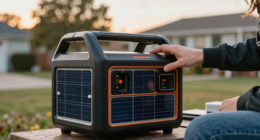
Never backfeed, which means sending electrical current into the main power grid or your utility lines, is extremely dangerous. It can energize power lines unexpectedly, risking shock or electrocution for utility workers and causing fires or damage to equipment. Improper wiring, faulty switches, or disconnected circuits can unintentionally create this reverse flow. Understanding how to prevent backfeeding and follow proper safety measures is vital for protecting yourself and others from serious hazards. Keep exploring to learn the essential safety steps.
Key Takeaways
- Backfeeding occurs when electrical power flows in reverse from a generator into the grid, which can be dangerous.
- It risks energizing utility lines, endangering workers performing maintenance or repairs.
- Improper wiring or transfer switches can unintentionally send power back into the main grid.
- Backfeeding can cause electrical shocks, fires, and damage to equipment and infrastructure.
- Preventing backfeeding requires proper system design, grounding, and the use of safety devices like transfer switches.

MUJURUR 100A Generator Transfer Switch, 24000W Heavy Duty Double Throw Safety Switch, 120/240V Manual Transfer Switch, Stronger Stability, Enlarged NEMA 3R Enclosure for Outdoor, 10-Year Warranty
【100 Amp Generator Transfer Switch】This transfer switch is perfect for shifting power from the utility grid to an…
As an affiliate, we earn on qualifying purchases.
As an affiliate, we earn on qualifying purchases.
Understanding the Concept of Backfeeding

Backfeeding occurs when electricity flows in the opposite direction of its intended path, often from a generator back into the main power grid or an electrical system. This reverse power flow can happen due to poor circuit design or improper connections. In a well-designed system, circuits are structured to guarantee power flows safely and predictably, preventing backfeeding. However, if switches, disconnects, or wiring aren’t correctly installed, electricity can travel back through the system, potentially energizing lines that should be de-energized. Understanding how power flow works within your electrical setup is vital. Proper circuit design helps contain and control the direction of electricity, reducing the risk of backfeeding. Recognizing these principles is the first step in preventing dangerous and unintended reverse power flow, especially when working with circuit protection devices. Additionally, proper grounding plays a crucial role in minimizing the risk of backfeeding by ensuring electrical safety and system stability. Being aware of electrical system configuration can further aid in identifying potential backfeeding hazards and ensuring your system is correctly set up for safety. Awareness of power flow dynamics can also help you better understand how electricity moves through your system and how to prevent unsafe conditions. Proper education on electrical safety practices is essential for anyone working with or around electrical systems to avoid backfeeding hazards.

CYANTEKOMS Portable Ground Rod with 4ft 12AWG UL Listed Grounding Wire with Crocodile Clip,Great for Electric Fences,Antennas,Generator (Grounding Rod with 4ft Wire)
One Set Include:1/2” diameter 18” long ground rod.One green 4ft 12AWG UL Listed Tinned Copper Wire electric fence…
As an affiliate, we earn on qualifying purchases.
As an affiliate, we earn on qualifying purchases.
Common Causes of Backfeeding in Electrical Systems

One of the main causes of backfeeding in electrical systems is improper wiring or connections, which can create unintended pathways for electricity to flow in reverse. When wiring isn’t correctly installed, electricity from a generator may feed back into the grid or appliances, posing generator hazards. Circuit overloads also contribute to backfeeding; when circuits are overloaded, electricity seeks alternate paths, potentially flowing back through outlets or switches. This unintended flow can energize parts of your system that should be de-energized, increasing the risk of shock or fire. Faulty transfer switches or inadequate disconnects can exacerbate these issues, allowing current to backfeed into the main power line. Ensuring proper wiring, avoiding overloads, and using correct transfer equipment are essential to prevent backfeeding. Additionally, proper system grounding plays a critical role in safely directing stray currents and preventing dangerous backfeed situations. Proper grounding methods help in safely diverting stray currents away from sensitive equipment, reducing hazards. Furthermore, understanding electrical load management is crucial to prevent overloads that can lead to backfeeding, ensuring system safety and reliability. Implementing regular system inspections can help identify potential issues before they lead to backfeeding problems. Proper system design is also vital to ensure that all components work together to prevent unintended backflow of electricity.

RED WOLF 60Amp Circuit Breaker for Boat Trolling Motor Marine ATV Trailer Vehicles Stereo Audio Electronic Battery Solar System Inline Fuse with Manual Reset Switch Waterproof DC 12V-48V
Protect your system: using as circuit breaker and battery Disconnect, allows to charge or maintain the battery without…
As an affiliate, we earn on qualifying purchases.
As an affiliate, we earn on qualifying purchases.
Risks and Dangers Associated With Backfeeding
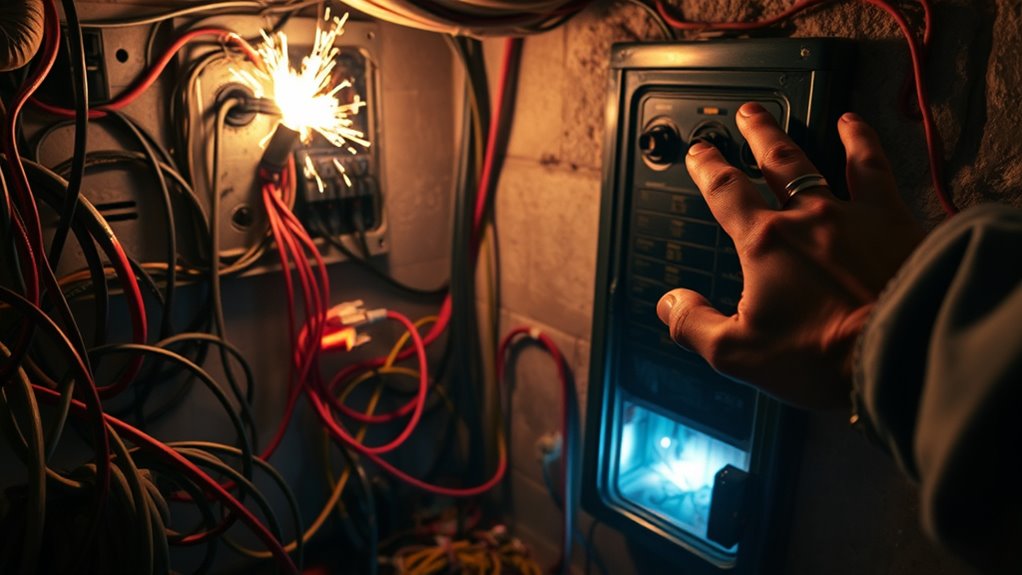
When electricity flows in unintended directions due to backfeeding, it can create serious safety hazards for you and your property. Generator hazards are a major concern, as backfeeding can energize power lines, putting utility workers at risk if they’re unaware of your generator’s connection. This unexpected current can cause electrical shocks, fires, or damage to your equipment. Utility conflicts also arise because backfeeding can send power back into the grid, potentially damaging the utility’s infrastructure and creating dangerous situations for repair crews. Such incidents can lead to electrocution, fires, or costly repairs. Recognizing these risks underscores why backfeeding is so dangerous and why proper safety measures are essential to prevent unintended power flow. Energy safety protocols are critical in preventing accidents associated with backfeeding. Additionally, understanding the various energy sources involved can help in implementing effective safety precautions, especially considering the different types of power generation methods used in residential settings. Implementing security measures can also help monitor and prevent unsafe backfeeding scenarios. Furthermore, advancements in AI detection methods can help identify unsafe backfeeding scenarios by analyzing unusual power flow patterns, minimizing the risk of accidents.

100A 2 Pole Knife Switch Double Throw Disconnect Knife Switch Electrical Safety Disconnect Switch AC 380V, for Fail Circuit Breakers, Backup Generator Switches and Power Switches
Multipurpose: This electrical knife switch is suitable for fail safe circuit breakers, backup generator switches and power switches,…
As an affiliate, we earn on qualifying purchases.
As an affiliate, we earn on qualifying purchases.
How to Properly Prevent Backfeeding

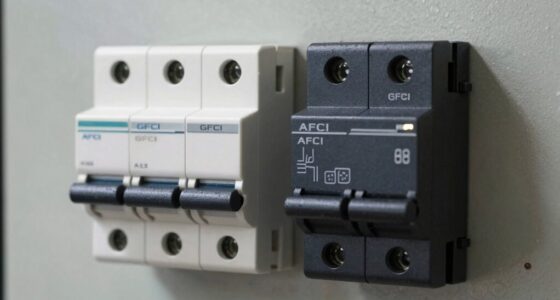
To prevent backfeeding effectively, you need to implement proper safety measures and use the right equipment. Guarantee your setup accounts for grounding issues to avoid stray currents that could energize your system unintentionally. Use transfer switches or manual disconnects to control power flow from backup sources, preventing circuit overloads. Properly rated circuit breakers also help prevent overloads that could cause backfeeding hazards. Here’s a quick comparison to understand their importance:
| Grounding Issues | Circuit Overloads |
|---|---|
| Prevent stray currents that energize unintended paths | Avoid excessive current that damages wires and equipment |
| Ensure system safety and stability | Reduce fire risk and system failure |
| Vetted grounding techniques are essential for comprehensive safety. Proper inspection of electrical systems can identify potential issues before they become hazards. Additionally, regular maintenance ensures that all safety devices remain functional and effective. Implementing proper grounding methods is crucial for overall system safety. Proper system design that considers load balancing and safety zones further enhances your backup power setup.
Safety Tips for Home and Workplace Electrical Systems
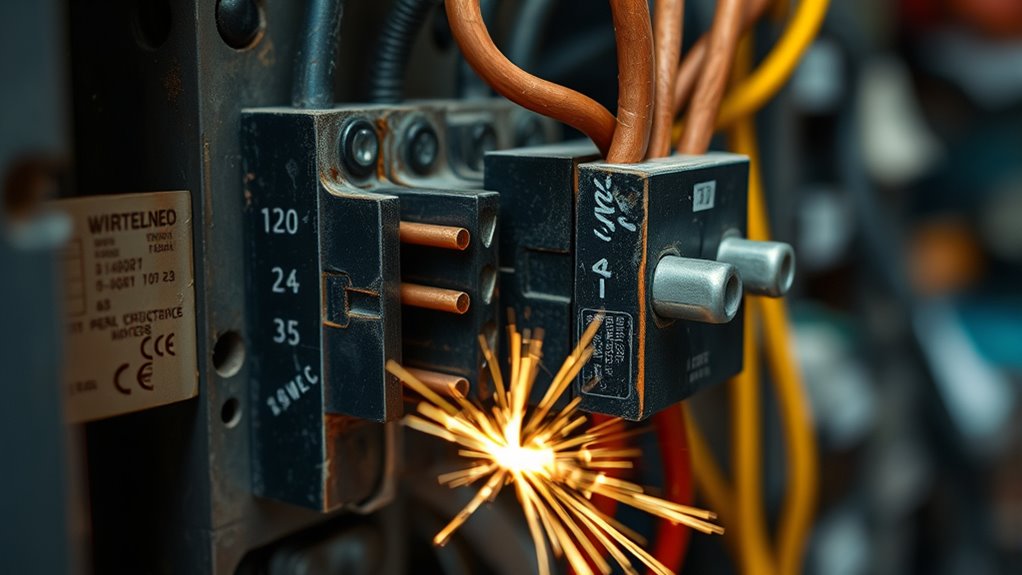
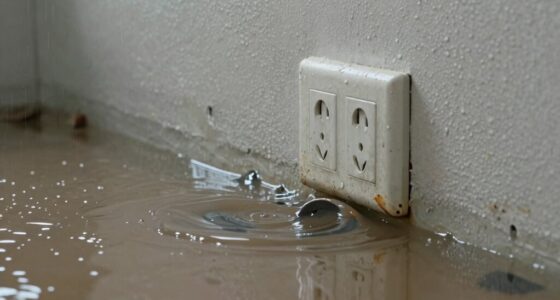
Ensuring safety in your home and workplace electrical systems requires careful attention and proactive measures. During a power outage, avoid using extension cords excessively or daisy-chaining multiple devices, which can overload circuits. If you rely on a generator, always follow generator safety guidelines—operate it outdoors, away from windows, and never connect it directly to your household wiring unless a transfer switch is installed by a professional. Regularly inspect electrical cords and outlets for damage, and don’t overload circuits or outlets. Keep water away from electrical systems, and ensure your circuit breakers are functioning properly. Proper training on electrical safety and understanding your system’s limits help prevent accidents. Additionally, understanding electrical circuit design can help you identify potential hazards and maintain a safe environment. Being familiar with circuit protection devices like fuses and circuit breakers can further help you prevent overloads and electrical fires. Learning about electrical load management can help you distribute power safely across circuits and avoid dangerous overloads. Familiarity with home wiring systems can also assist in identifying risks and planning upgrades for safety. Regularly practicing electrical safety procedures enhances overall safety and preparedness during emergencies. Prioritize safety to protect yourself and others from electrical hazards during outages or routine operations.
Frequently Asked Questions
Can Backfeeding Cause Damage to Electrical Appliances?
Backfeeding can definitely cause damage to your electrical appliances. When you backfeed, it sends power in the wrong direction, which can overload and short-circuit your devices. This electrical hazard can lead to appliance damage, fires, or even electric shocks. To keep your appliances safe and avoid dangerous situations, never attempt to backfeed your electrical system unless it’s done by a professional. Always prioritize safety first.
What Are the Legal Implications of Backfeeding Without Authorization?
You face serious legal liabilities if you backfeed electricity without authorization. Unauthorized use can lead to fines, criminal charges, or even lawsuits because it violates electrical codes and safety laws. Coincidentally, many people overlook these risks, thinking it’s harmless. But if something goes wrong, you’re legally responsible for damages or injuries. Always get proper approval before backfeeding to avoid these legal complications and protect yourself.
How Can You Detect Backfeeding in Your Home System?
You can detect backfeeding in your home system by performing a thorough circuit inspection for unusual or unexpected power flows. Use a multimeter or clamp meter to check for current on circuits that shouldn’t be active. Always follow safety protocols, such as turning off power before inspection and wearing protective gear. If you’re unsure, consult a licensed electrician to guarantee your system is free from backfeeding risks and remains safe.
Are There Specific Tools Needed to Prevent Backfeeding?
Yes, you need specific tools to prevent backfeeding effectively. Grounding safety is vital, so use inspection tools like a multimeter to check circuits and guarantee proper grounding. You might also need a backfeed interrupter or transfer switch to prevent power from flowing back into the grid. These tools help you maintain safety, avoid dangerous backfeed situations, and confirm your system stays compliant with electrical codes.
What Should I Do if I Suspect Backfeeding Is Occurring?
If you suspect backfeeding, you should immediately stop using the power source and hazard recognition. Turn off the main breaker to prevent electrical flow. Follow your emergency procedures, such as alerting others and contacting a qualified electrician. Do not attempt to fix the issue yourself. Prioritize safety, stay clear of energized circuits, and wait for professionals to handle the situation to avoid the risk of electrical shock or fire.
Conclusion
Remember, safety is no accident. Never backfeed your electrical system, as it can lead to serious injury or damage. Always follow proper procedures and use the right equipment to prevent dangerous backfeeding situations. Staying vigilant and cautious keeps you safe—an ounce of prevention is worth a pound of cure. By understanding the risks and taking responsible steps, you protect yourself and those around you, proving that safety truly starts with you.