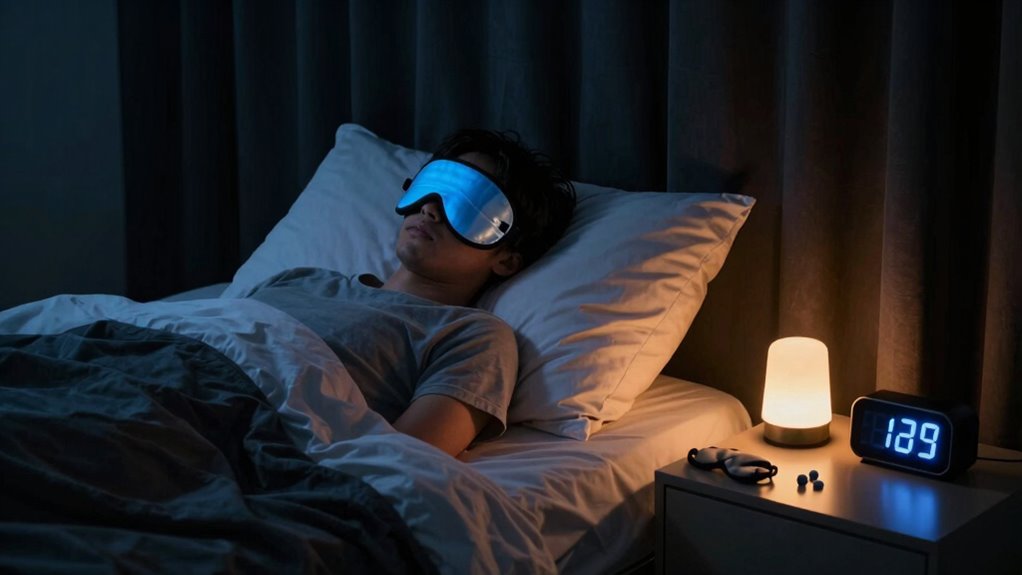

To prep for outages as a night-shift worker, focus on managing sleep, light, and noise. Aim to get at least 7 hours of sleep before shifts by creating a dark, quiet environment with blackout curtains, sleep masks, and noise reducers like earplugs or white noise. Control light exposure by wearing sunglasses on your way home and using dim lighting or blackout curtains at rest. Following these steps can boost alertness and recovery—discover more effective strategies ahead.
Key Takeaways
- Schedule sleep periods to ensure at least 7 hours of rest before night shifts, using blackout curtains and sleep masks for darkness.
- Use bright light exposure during the shift start to promote alertness, and minimize light exposure afterward with blackout curtains or sunglasses.
- Create a quiet, dark sleep environment with soundproofing and white noise to enhance sleep quality during daylight hours.
- Implement pre-shift sleep banking by resting 2-4 hours beforehand to reduce fatigue and improve alertness during the shift.
- Use earplugs, noise machines, and environmental controls to minimize noise disruptions during sleep, supporting circadian adjustment.
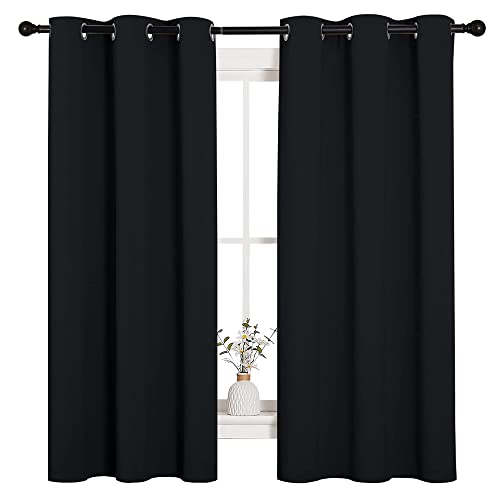
NICETOWN Pitch Black Solid Thermal Insulated Grommet Blackout Curtains/Drapes for Bedroom Window (2 Panels, 42 inches Wide by 63 inches Long, Black)
READY MADE: Package only includes 2 blackout curtain panels, each 42" wide x 63" long when fully spread,…
As an affiliate, we earn on qualifying purchases.
As an affiliate, we earn on qualifying purchases.
Understanding the Impact of Shift Work on Sleep Patterns
Shift work can substantially disrupt your natural sleep patterns, especially if you regularly work night shifts. When you work overnight, your body’s internal clock, or circadian rhythm, struggles to adjust, making it hard to fall asleep and stay asleep during the day. Many night-shift workers experience prolonged sleep-onset latency, taking over 30 minutes to fall asleep, and report poor sleep quality. Over half of night-shift healthcare workers sleep six or fewer hours daily, which affects alertness and performance. Sleep disorders like insomnia and circadian rhythm disruptions are common, especially among women, younger workers, and less educated individuals. These disruptions lead to increased daytime sleepiness and impair your ability to perform effectively, highlighting the importance of understanding how shift work impacts your sleep health. Additionally, sleep hygiene practices can play a crucial role in mitigating some of these issues and improving overall sleep quality. Incorporating light management techniques can help reset your internal clock and improve your sleep-wake cycle. Research shows that specialized sleep strategies tailored for shift workers can significantly enhance sleep duration and quality. Furthermore, understanding sleep disruption causes can help you develop more effective coping mechanisms for better rest. Implementing noise reduction methods can also contribute to more restful sleep during daytime hours.
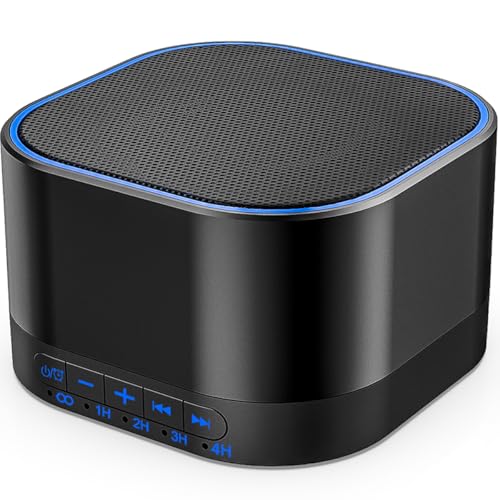
Magicteam Sound White Noise Machine with 20 Non Looping Natural Soothing Sounds and Memory Function 32 Levels of Volume Powered by AC or USB and Sleep Sound Timer Therapy for Baby Kids Adults
❤20 Non-Looping Sleep Sounds: White noise ,Brown noise, pink noise, blue noise, fan,brook, rain, ocean,bird and Bonfire,suitable for…
As an affiliate, we earn on qualifying purchases.
As an affiliate, we earn on qualifying purchases.
Optimizing Sleep Duration Before Night Shifts

To get ready for your night shift, consider using sleep banking by adding extra rest beforehand. Adjusting your sleep schedule in the days leading up to your shift can help you feel more alert and less disrupted. Making these changes guarantees you arrive well-rested and ready to perform at your best. Incorporating strategies for sleep hygiene can further enhance your sleep quality and overall alertness. Additionally, understanding proper maintenance can help you avoid unexpected fatigue caused by health issues related to poor sleep habits. Ensuring your sleep environment is optimal, including comfortable bedding and minimal noise, is also crucial for maintaining healthy sleep patterns. Practicing consistent routines and minimizing disruptions can support your body’s natural internal clock and improve your overall sleep quality.
Pre-Shift Sleep Banking
Pre-shift sleep banking involves intentionally increasing your sleep duration before starting a series of night shifts to better manage fatigue and maintain performance. By getting extra sleep beforehand, you build a buffer that helps offset the sleep loss common during overnight work. Aim for 2 to 4 additional hours of sleep before your shifts, especially if you anticipate consecutive nights. This proactive approach helps reduce sleep debt and improves alertness during work hours. Planning your sleep schedule to maximize rest in the days leading up to night shifts can also mitigate circadian rhythm disruptions. If possible, adjust your bedtime to ensure you’re well-rested before starting, and create a dark, quiet environment to enhance sleep quality. Incorporating sleep strategies can further support flexible and restorative sleep patterns. Understanding the importance of net worth and other personal factors can motivate better sleep habits. Additionally, utilizing modern sleep technology, such as sleep trackers and smart blackout curtains, can optimize your pre-shift rest. Recognizing the impact of circadian rhythm disruptions can help you develop more effective sleep strategies to maintain alertness and health during night work. Pre-shift sleep banking can make a significant difference in your fatigue levels and overall job performance during night work.
Adjust Sleep Schedules
Adjusting your sleep schedule before night shifts can considerably enhance your alertness and overall performance. To do this, gradually shift your bedtime and wake time by 1-2 hours closer to your upcoming shift. This helps your body adapt to staying awake later and sleeping during daylight hours. Prioritize getting at least 7 hours of sleep before your shift starts, even if it means delaying evening activities. Use blackout curtains and a sleep mask to block morning sunlight, creating a dark environment that encourages rest. Avoid caffeine and screen time close to bedtime to improve sleep quality. Consistent sleep timing leading up to your shift helps stabilize your circadian rhythm, reducing fatigue and sleep disturbances during work. Proper adjustment prepares your body to perform best during night hours. Incorporating evidence-backed sleep strategies can further optimize your rest and alertness during night shifts. Establishing a consistent sleep schedule helps your body anticipate rest periods, enhancing overall sleep quality and recovery. Additionally, integrating scalp care with glycolic acid may improve scalp health, indirectly supporting better sleep by reducing discomfort and irritation that can interfere with rest. Maintaining a regular sleep pattern during this transition can also minimize jet lag-like effects and promote quicker adaptation. Being mindful of light exposure during the day can further support your circadian adjustment and improve sleep quality.

Loop Quiet 2 Ear Plugs – Ultra-Comfy Reusable 24dB (SNR) Noise-Reducing Earplugs for Sleep, Deep Focus, Travel, Noise Sensitivity, Flexible Hearing Protection, Customizable Fit
POWERFUL NOISE REDUCTION – Packing up to 24 dB (SNR) of noise reduction into a flexible silicone earplug,…
As an affiliate, we earn on qualifying purchases.
As an affiliate, we earn on qualifying purchases.
Creating a Dark and Quiet Sleep Environment During the Day
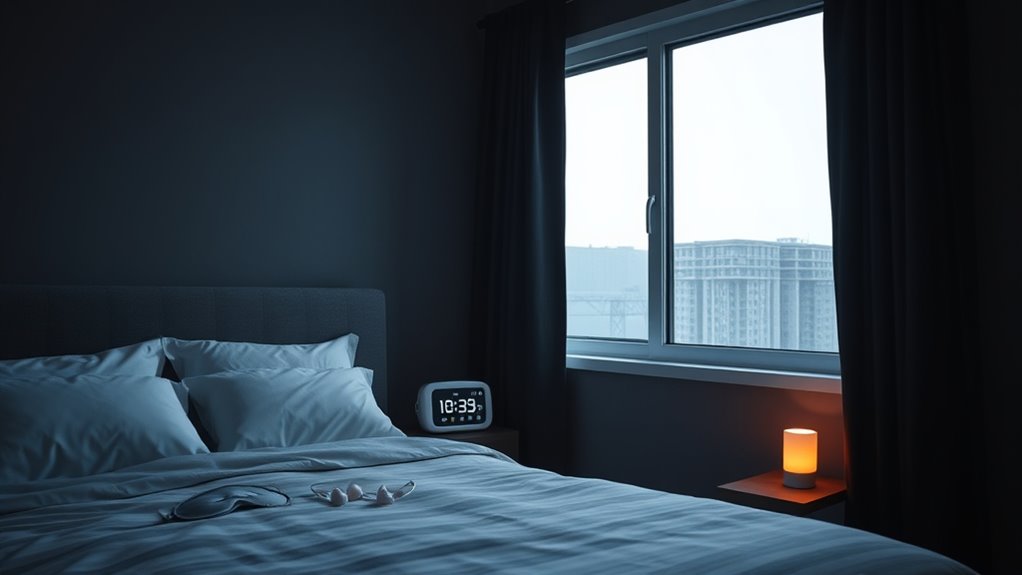
Creating a dark and quiet sleep environment during the day is essential for night-shift workers to get restorative rest. Use blackout curtains or shades to block out sunlight completely, preventing your body from perceiving daytime as night. Consider investing in a sleep mask to enhance darkness further. Soundproof your bedroom by adding thick curtains, rugs, or white noise machines that mask disruptive noises. Earplugs can also help block out persistent sounds like traffic or household activity. Keep your sleep space cool, ideally between 60-67°F (15-19°C), to improve sleep quality. Remove electronic devices that emit light or noise. Establishing a consistent sleep environment signals to your body that it’s time to rest, supporting better sleep during daylight hours. Incorporating sleep environment customization techniques can further enhance sleep quality for night-shift workers. Additionally, using light control methods can help reinforce your body’s circadian rhythm and improve overall rest. Maintaining a consistent sleep routine can also aid in adjusting your internal clock to better suit night-shift schedules. Incorporating air quality considerations can further promote a healthier sleeping environment by reducing indoor pollutants that might interfere with sleep or respiratory health. Regularly checking for air pollutants and ensuring proper ventilation can also aid in maintaining optimal sleep conditions.

Fygrip 3D Eye Mask Sleep Mask for Men & Women, 100% Pressure-Free & Light Block-Out Eye Mask for Sleep with Easy Adjustable Strap, Night Eye Cover for Travel, Black
【100% Pressure-Free】: Patented 3D contour design with deep & wide eye pockets provides large space for your eyes…
As an affiliate, we earn on qualifying purchases.
As an affiliate, we earn on qualifying purchases.
Managing Light Exposure to Support Circadian Rhythms
You can optimize your circadian rhythm by timing bright light exposure to align with your work schedule. Using light-blocking strategies helps prevent daytime sunlight from disrupting your sleep, while consistent light exposure supports your body’s internal clock. Managing these light cues effectively can improve your sleep quality and overall performance during night shifts. Additionally, understanding the importance of mastering light management can help you develop more effective routines for maintaining your circadian health.
Bright Light Timing
Managing light exposure is essential for night-shift workers aiming to maintain healthy circadian rhythms. To stay alert during your shift, seek bright light exposure at the start, ideally within the first hour, to signal your body that it’s time to be awake. Use a high-intensity light source for 30-60 minutes, ensuring it’s directed at your eyes but not causing discomfort. As your shift progresses, avoid bright light toward the end, as it can delay your sleep phase. After your shift, wear sunglasses or use blackout curtains to minimize light exposure on your way home, helping your body prepare for sleep. Proper timing helps reset your internal clock, making it easier to sleep during the day and stay alert during your night shift.
Light-Blocking Strategies
To support your circadian rhythm and improve daytime sleep quality, blocking out unwanted light during your rest period is essential. Exposure to light during sleep can delay melatonin production, making it harder to fall asleep and stay asleep. Use blackout curtains or sleep masks to create a dark environment, minimizing light intrusion. Consider the following strategies:
| Strategy | Tools | Benefits |
|---|---|---|
| Use blackout curtains | Heavy, opaque drapes | Fully blocks outside light |
| Wear sleep masks | Soft, comfortable masks | Portable and adjustable |
| Install dimmer switches | Adjustable lighting | Control indoor light levels |
These methods help reinforce your sleep-wake cycle, promoting better rest during daylight hours.
Consistent Light Exposure
Consistent light exposure plays a vital role in maintaining your circadian rhythms and ensuring quality sleep during daylight hours. To support this, aim to get bright light exposure during your night shift, which helps reinforce your work schedule. When you finish your shift, use dark sunglasses or blackout curtains on your way home to minimize light exposure that could shift your internal clock. During your sleep window, keep your environment dark and free of light sources. If natural light is unavoidable, consider wearing a sleep mask to block out sunlight. Regularly exposing yourself to consistent light patterns helps stabilize your circadian rhythm, making it easier to fall asleep and stay rested during the day. Managing light carefully can improve your sleep quality and overall alertness.
Strategies for Effective Noise Control in Sleep Areas

Creating a quiet sleep environment is essential for night-shift workers to recover effectively. To minimize noise disruptions, use heavy curtains or soundproof window treatments to block outside sounds. Consider installing weather stripping or door sweeps to seal gaps and prevent noise leaks. Use white noise machines, fans, or earplugs to mask household or environmental sounds that may disturb your sleep. Keep electronic devices away from your sleeping area to avoid unexpected noises. If your partner or housemates are noisy, discuss quiet hours or designate a specific sleep zone. Regularly maintain appliances and HVAC systems to reduce mechanical noise. These strategies help create a peaceful environment, allowing you to fall asleep faster and enjoy more restorative rest during daylight hours.
Incorporating Sleep Banking and Napping Techniques

Incorporating sleep banking and napping techniques can substantially improve your alertness and performance during night shifts. Sleep banking involves getting extra rest before your shift starts, helping you build a reserve to counteract sleep debt. Aim for 2 to 4 hours of additional sleep in the days leading up to a night shift to minimize fatigue. During your shift, short naps of 20 to 30 minutes can boost alertness and reduce sleepiness. Find a quiet, dark space to nap when possible, ideally during natural circadian lows, typically early morning hours. Consistent use of these techniques helps maintain better sleep quality and reduces performance lapses. Remember, strategic napping and pre-shift sleep banking can make a significant difference in managing the challenges of night work.
Adjusting Work Schedules to Minimize Sleep Disruption
To reduce sleep disruption, start by optimizing your shift rotation timing so your body can adjust more easily. Schedule rest periods strategically, giving yourself enough time to recover between shifts. By making these adjustments, you can better protect your sleep quality and stay alert during your work hours.
Optimize Shift Rotation Timing
Adjusting shift rotation timing is essential for minimizing sleep disruption among night-shift workers. Properly scheduled rotations help your body adapt and reduce fatigue. Consider these strategies:
- Limit rotations to every 2-3 days to prevent circadian misalignment.
- Schedule forward rotations (day to evening to night) to align better with natural sleep tendencies.
- Avoid quick turnarounds by providing at least 48 hours between shifts.
- Start rotations gradually, allowing your body to adjust more smoothly.
Schedule Rest Periods Strategically
Scheduling adequate rest periods between shifts is essential for minimizing sleep disruption among night-shift workers. You should plan rest days that allow your body to recover fully, reducing cumulative sleep debt. Consider rotating shifts forward rather than backward to help your circadian rhythm adjust smoothly. Use the following table to optimize your rest strategy:
| Shift Type | Rest Duration | Best Practice |
|---|---|---|
| Night to Day | 24+ hours | Maximize recovery between shifts |
| Rotating | 48 hours | Provide ample recovery time |
| Consecutive Night | 48 hours | Avoid back-to-back night shifts |
Recognizing and Addressing Sleep Disorders in Night-Shift Workers
Recognizing sleep disorders in night-shift workers is essential because these conditions often go unnoticed yet profoundly impair health and performance. To identify issues early, pay attention to signs like:
- Persistent difficulty falling or staying asleep
- Excessive daytime sleepiness
- Unrefreshing sleep despite adequate hours
- Frequent nighttime awakenings or unusual behaviors during sleep
If you notice these signs, seek professional evaluation for disorders such as insomnia, sleep apnea, or circadian rhythm disruptions. Addressing these problems involves tailored strategies like improving sleep environments, establishing consistent routines, or consulting sleep specialists. Early recognition and intervention can considerably enhance your sleep quality, reduce health risks, and optimize performance during night shifts. Prioritize awareness to maintain both well-being and work efficiency.
Enhancing Performance Through Sleep and Wakefulness Management
Effective management of sleep and wakefulness is key to maintaining high performance during night shifts. To stay alert, consider strategic napping—sleeping at least one hour during breaks can boost your effectiveness. Prioritize sleep banking by getting extra rest before your shift starts, which helps counteract sleep deficits. Maintain a consistent schedule, even on days off, to stabilize your circadian rhythm. During shifts, create a dark, quiet environment to minimize daytime light and noise disruptions. Use light exposure wisely—bright light at the start of your shift can promote alertness, while limiting light exposure afterward helps wind down. Staying physically active during breaks can also enhance wakefulness. These strategies help optimize your performance, reduce fatigue, and improve overall well-being during demanding night shifts.
Practical Tips for Maintaining Sleep Hygiene During Outages

During outages, maintaining good sleep hygiene becomes essential to help your body adapt and recover. To do this effectively, consider these practical tips:
- Create a dark, quiet sleep environment to block out sunlight and noise, using blackout curtains and earplugs.
- Stick to a consistent sleep schedule, going to bed and waking up at the same times, even during outages.
- Limit screen time before bed to reduce blue light exposure, which interferes with melatonin production.
- Use relaxation techniques like deep breathing or gentle stretches to signal to your body it’s time to wind down.
These steps help regulate your circadian rhythm, improve sleep quality, and ensure you’re better prepared to handle the demands of night-shift work during outages.
Frequently Asked Questions
How Can I Identify if I Have a Sleep Disorder Related to Shift Work?
You can identify if you have a shift work-related sleep disorder by paying attention to persistent issues like difficulty falling asleep over 30 minutes, waking up feeling unrefreshed, or feeling excessively sleepy during the day. Notice if you experience frequent sleep disruptions, snoring, or breathing problems. If these symptoms happen regularly and affect your daily performance or mood, it’s time to consult a healthcare professional for proper diagnosis and treatment.
What Are the Best Strategies to Recover From Sleep Debt After Night Shifts?
You can recover from sleep debt by prioritizing extra sleep before your shifts, even if it means napping during breaks. Avoid caffeine late in your shift, and create a dark, quiet environment to enhance sleep quality. Consider sleep banking, which involves getting additional rest beforehand. Staying consistent with your sleep schedule on days off also helps reset your circadian rhythm, making recovery faster and more effective.
How Does Light Exposure Influence Circadian Rhythm Adjustments in Night-Shift Workers?
Light exposure plays a vital role in adjusting your circadian rhythm. You should seek bright light during night shifts to stay alert and use blue-light blocking glasses or dim lighting when heading home to help your body prepare for sleep. Limiting light exposure after your shift, especially in the morning, promotes melatonin production, making it easier to fall asleep and reset your internal clock for better sleep quality.
What Noise Reduction Methods Are Most Effective for Daytime Sleep?
You can improve daytime sleep by using earplugs or noise-canceling headphones to block out disruptive sounds. White noise machines or fans also help mask background noise, creating a consistent environment. Keep your sleeping area quiet by closing windows and doors. Establishing a routine that minimizes noise disturbances before sleep can enhance your sleep quality, leading to better rest and alertness during your night shifts.
How Can I Safely Incorporate Naps Into My Night-Shift Schedule?
You can safely incorporate naps into your night-shift schedule by planning short, strategic rests. Since 83.41 percent of workers perform well with a 1+ hour nap during shifts, aim for 20-30 minute power naps to boost alertness. Find a dark, quiet spot, use an eye mask and earplugs if needed, and schedule naps during natural dips in your circadian rhythm, typically in early morning hours.
Conclusion
By implementing these sleep, light, and noise plans, you’ll improve your rest and overall well-being during night shifts. Some believe that exposure to bright light can reset your internal clock, making adaptation easier. While not all theories are proven, adjusting your environment and habits definitely supports better sleep. Stay consistent, stay proactive, and you’ll find it easier to thrive during your shifts—and enjoy better health overall.