After a major outage, don’t assume tap water is safe. Check if authorities have issued warnings or if the outage involves contamination or infrastructure issues. Observe your water for cloudiness, discoloration, or sediment, and smell for any unusual odors. Perform simple tests or use filters if needed, and consider boiling water to kill bacteria. Staying informed and cautious can protect your health—discover more ways to guarantee water safety during outages.

Get backup power and energy gear delivered free with Prime
- Fast, free delivery on millions of items
- Prime Video, Amazon Music and more included
- Member-only deals all year
Key Takeaways
- Verify official water quality advisories and wait for confirmation that tap water is safe to drink.
- Check for visible signs like discoloration, sediment, or films indicating potential contamination.
- Assess odor and clarity; foul smells or cloudiness suggest the water may be unsafe.
- Consider boiling or filtering water if contamination is suspected or if official guidance recommends it.
- Report any issues such as discoloration or bad odors promptly to local authorities for resolution.
water testing kits for tap water
As an affiliate, we earn on qualifying purchases.
As an affiliate, we earn on qualifying purchases.
Assessing the Source of the Outage
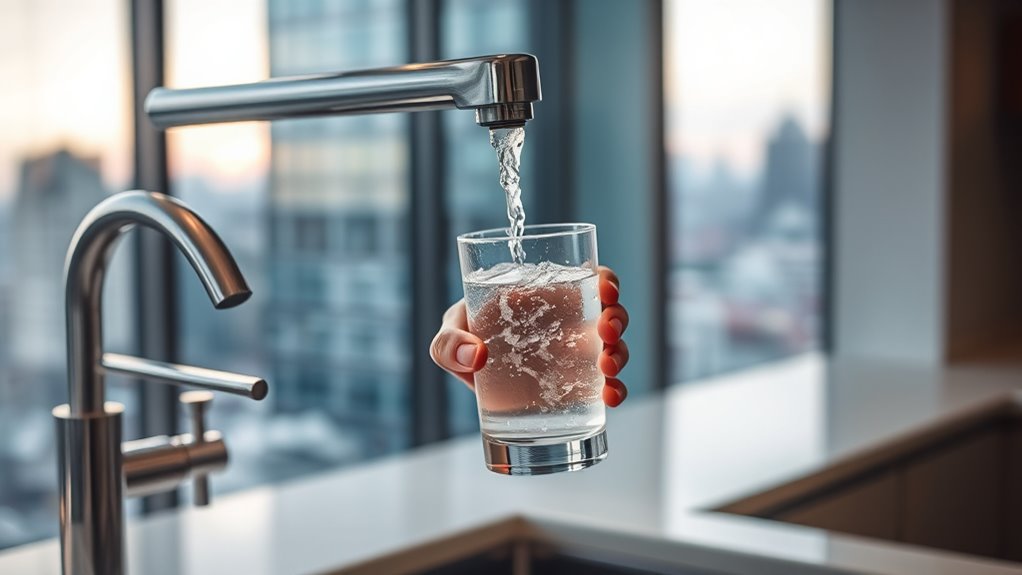
To effectively address the water outage, you first need to identify its source. Start with source verification by determining whether the issue stems from the municipal supply, local infrastructure, or your property’s plumbing. Contact your water provider or check their alerts for updates. Understanding the origin helps assess contamination risks; if the outage is due to a burst pipe or maintenance, water quality may still be safe once restored. However, if the problem involves external contamination, such as flooding or a known toxin leak, the risks increase. Knowing where the outage originates guides your next steps, including whether to wait for official testing results or to take precautionary measures. Proper system assessment ensures you make informed decisions about your water safety during outages. Additionally, consulting regulatory guidelines can help you understand safety standards and recommended actions during such events. Being aware of contamination risks related to different outage causes can further inform your safety decisions. It is also important to stay updated on public health advisories issued during water emergencies to protect yourself and your family. Considering home security systems might not directly impact water safety, but they can help safeguard your property during emergencies.
water filter pitcher for contaminated water
As an affiliate, we earn on qualifying purchases.
As an affiliate, we earn on qualifying purchases.
Observing Visible Signs of Contamination
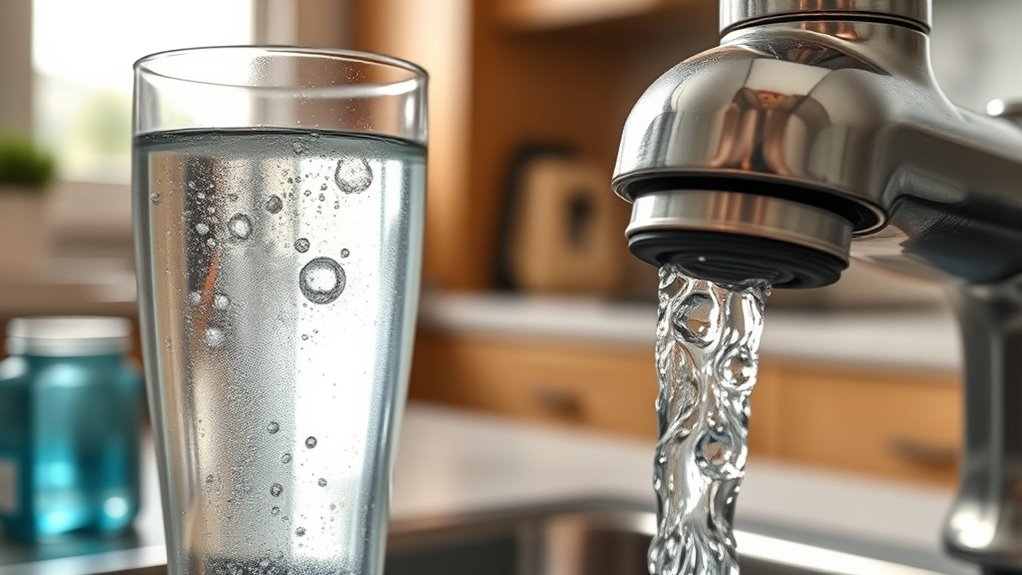
How can you tell if your tap water is contaminated? Look closely at the water’s appearance. Cloudiness or a cloudy haze may indicate microbial growth, which suggests bacteria or algae have multiplied. Any visible particles, sediment, or film on the surface point to chemical residues or debris introduced during the outage. Discoloration, such as brown, yellow, or green hues, can also signal contamination from rust, algae, or chemical residues leaching into the water. If you notice any of these signs, avoid drinking the water and consider testing it or seeking an alternative source. Visual indicators of contamination are often the first warning signs that your tap water may not be safe, especially after a major outage that could disrupt water quality. Additionally, waterborne contaminants can sometimes be invisible to the naked eye but still pose health risks. Recognizing water quality indicators is essential for ensuring your safety during such events. Being aware of contaminant signs can help you act quickly to protect your health.
As an affiliate, we earn on qualifying purchases.
Checking for Unusual Odors or Colors

Have you noticed any strange smells or unusual colors in your tap water? Odor detection is vital—if your water smells like rotten eggs, chemicals, or has a metallic odor, it could indicate contamination. Similarly, perform a color assessment; clear water is ideal, but if you see a yellow, brown, or cloudy tint, it’s a sign something’s off. Unusual odors often point to chemical or bacterial issues, while strange colors could mean sediments or pollutants are present. Trust your senses, and don’t ignore these signals. If your water has a strong smell or shows discoloration, it’s best to avoid drinking it until further testing or guidance from local authorities. Proper odor detection and color assessment are vital steps in ensuring your tap water is safe. Regularly checking for contaminant indicators can help you better understand potential risks and take appropriate action. Additionally, being aware of water quality standards can guide you in recognizing acceptable versus problematic conditions. Conducting routine water testing periodically can further confirm water safety and identify issues early on.
As an affiliate, we earn on qualifying purchases.
Consulting Local Water Authorities
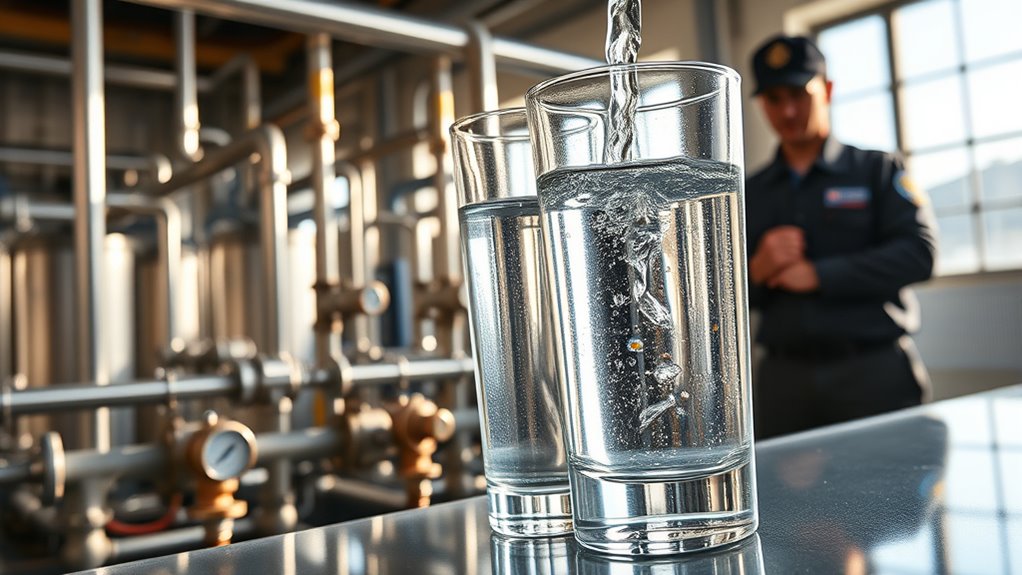
To guarantee your tap water is safe, it’s important to contact your local water authorities for updates on water quality. They can confirm the current status, guide you on following official advisories, and tell you how to report any issues. Staying informed helps you respond quickly and protect your household.
Confirm Water Quality Status
Wondering about the safety of your tap water after the outage? The best step is to confirm the current water quality status with your local water authorities. They can provide updated testing results, especially if there have been issues like flint water contamination or other pollutants. Check their official website or contact them directly to get reliable information. If testing shows contaminants or if you’re unsure, consider bottled alternatives until the water is declared safe. Avoid drinking tap water from areas with known issues or ongoing advisories. Remember, water quality can change quickly after a major outage, so staying informed through official sources is essential for your safety. Confirming the water’s status helps you make the right decision about using tap water again. Additionally, understanding water sanitation and maintenance procedures can help you better interpret testing results and ensure your water remains safe. Staying informed about nanotechnology-based water purification advancements can also provide insights into emerging solutions for water safety challenges. Being aware of these innovative technologies can prepare you for future safety measures and improvements.
Follow Official Advisories
Consulting your local water authorities is the most reliable way to determine if your tap water is safe to use after an outage. Official advisories provide essential updates on water safety and help you understand current conditions. Always check for notices or alerts issued by your water provider before using tap water for drinking, cooking, or cleaning. These advisories protect your consumer rights and ensure you’re informed about potential risks. Remember, water safety can vary depending on the situation, so relying on official sources is vital. Water treatment methods, such as disinfection procedures, are critical in ensuring tap water safety during and after outages. Here’s a quick reminder of what to look for:
| Advisory Type | What It Means | Action Required |
|---|---|---|
| Boil Water Notice | Water may be contaminated | Boil before use |
| Do Not Drink | Water unsafe for consumption | Use bottled water |
| Limit Usage | Partial contamination | Reduce water use temporarily |
| Reopening Notice | Water deemed safe again | Resume normal use |
It is also important to stay updated through official channels as conditions can change rapidly.
Report Issues Promptly
If you notice any issues with your tap water after an outage, reporting them promptly to your local water authorities is vital. Doing so helps address problems quickly and prevents potential health risks. When reporting, mention any discoloration, strange odors, or sediment, as these could indicate contamination. Your prompt communication also supports water conservation efforts by alerting authorities to leaks or plumbing maintenance needs that might waste water. Additionally, informing officials ensures that proper testing and repairs are made to restore water quality. Staying vigilant and reporting issues immediately helps protect your community’s water supply and encourages responsible plumbing maintenance. Monitoring water quality indicators and promptly reporting anomalies can significantly expedite resolution efforts. Recognizing piercing care and hygiene practices can also help prevent contamination during water disruptions. Proactive reporting plays a crucial role in maintaining safe drinking water during and after outages. Understanding the importance of water quality testing can help you better identify issues early. Being aware of contamination sources can further aid in preventing risks to health. Remember, your quick action can make a significant difference in resolving problems efficiently and safeguarding public health.
Performing Basic At-Home Water Tests
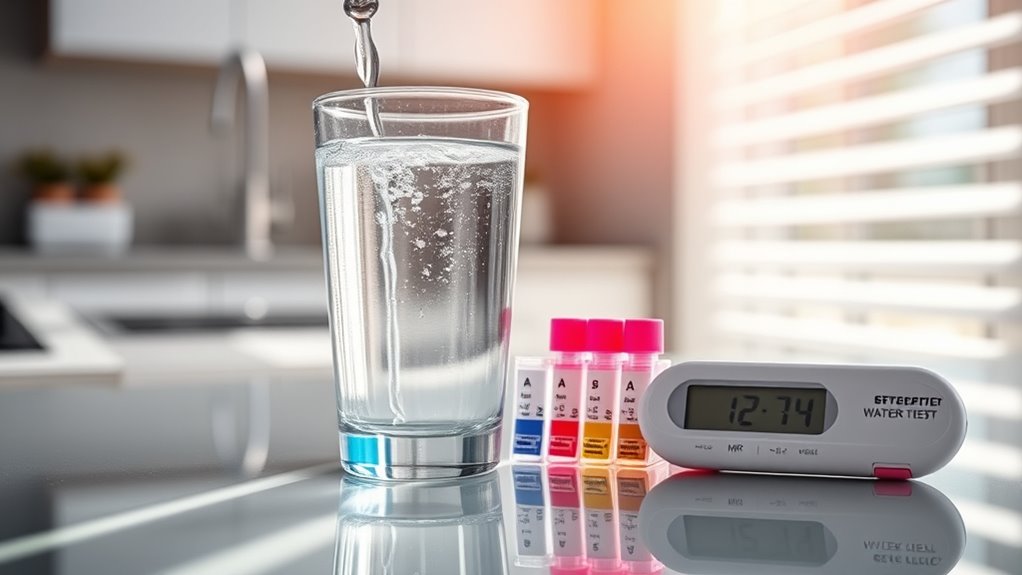
Performing basic at-home water tests is an essential step to guarantee your tap water is safe to use after an outage. You can start with simple chemical testing kits to check for contaminants like chlorine, nitrates, or heavy metals. These kits are easy to use and provide quick results, helping you identify potential chemical issues. Additionally, microbial analysis is vital to detect bacteria such as E. coli or coliforms, which can cause illness. You can purchase test strips or kits designed specifically for microbial testing. Regular testing ensures you catch any dangerous substances or microorganisms early, allowing you to decide whether the water is safe to drink or needs further treatment. Always follow the instructions carefully for accurate results. Incorporating water quality testing methods into your routine can help you maintain safe water standards and identify issues before they become serious.
Understanding Water Treatment Processes Post-Outage
After completing basic at-home water tests, understanding how to properly treat your water becomes the next step to guarantee safety. Water treatment after an outage often involves water filtration and chemical testing. Filtration removes sediments, bacteria, and contaminants, improving water clarity and safety. Modern filtration technologies such as UV purifiers or advanced carbon filters can further enhance your water quality by targeting specific pathogens and pollutants. Chemical testing helps identify harmful substances like chlorine, lead, or nitrates, guiding necessary adjustments. Recognizing manipulation tactics in water treatment practices can help you avoid unnecessary costs or ineffective solutions. Additional treatments like disinfection or adding chemicals may be necessary depending on test results. Regular monitoring ensures ongoing water safety. Being aware of modern filtration technologies can further enhance your water treatment approach. Understanding water quality assessment techniques enables you to better evaluate the effectiveness of your treatment methods. Staying informed about these processes helps you make responsible decisions about your tap water’s safety. Additionally, understanding water contamination sources can aid in addressing specific issues more effectively.
Knowing When to Use Boiling or Filtering Methods
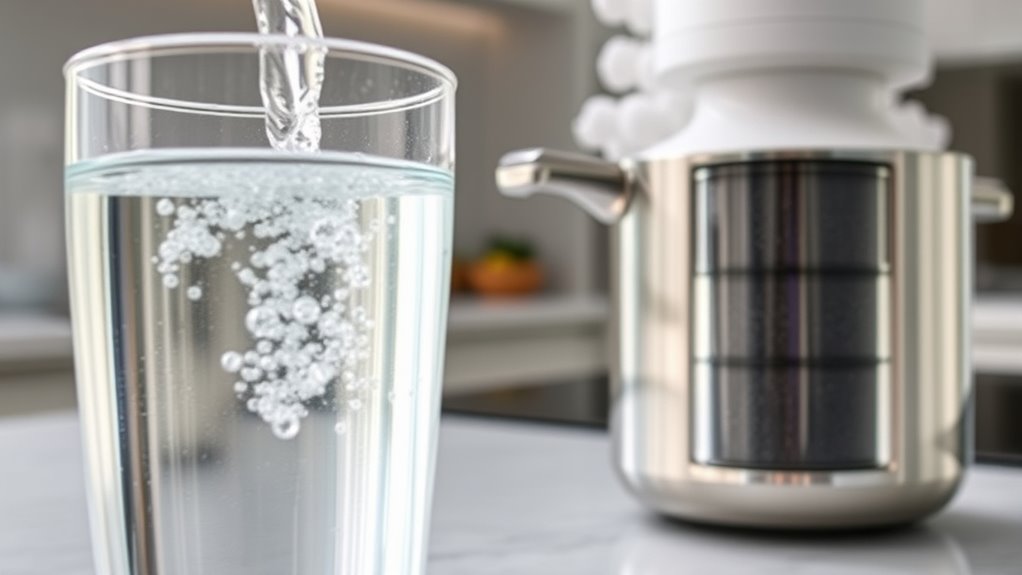
Knowing when to use boiling or filtering methods is essential for ensuring your tap water is safe to drink, especially after an outage. If the water’s pH balance is off or mineral content is high, boiling can help eliminate bacteria and viruses. Boiling is effective when contamination is a concern, but it doesn’t remove chemical pollutants or minerals that may affect taste or safety. Filtering, on the other hand, can address specific issues like excess minerals or chemical contaminants, especially if you use a certified filter that targets these substances. Check water quality reports or test results if available. Use boiling for microbial safety and filtering to improve taste or reduce chemical and mineral concerns. Always evaluate the water’s condition before deciding which method to apply.
Frequently Asked Questions
How Long Should I Wait Before Drinking Tap Water After an Outage?
You should wait until local authorities confirm water safety and testing protocols are complete before drinking tap water. Usually, this means waiting at least 24 to 48 hours after an outage, but it can vary. Always check for official advisories or boil water notices. Don’t drink tap water until tests show it’s free from contaminants, ensuring your safety and avoiding potential health risks.
Are Bottled Water Options Safer During or After a Water Outage?
Think of bottled water as a safe harbor amid stormy water. During or after a outage, bottled water generally offers a safer choice, provided you follow safety precautions like checking the seal and expiration date. It’s like having a shield against potential contaminants. While it’s not foolproof, opting for bottled water minimizes health risks and offers peace of mind until local authorities confirm tap water safety.
Can I Rely on My Home Water Filter During a Outage?
You can’t fully rely on your home water filter during an outage because water quality may be compromised, and filter effectiveness can decrease if not maintained properly. Outages often cause contamination, so it’s best to check if your filter is rated for the specific contaminants present. If unsure, consider boiling water or using bottled water until authorities confirm the safety and quality of your tap water.
What Long-Term Health Risks Exist From Consuming Tap Water Post-Outage?
Sure, drinking tap water after an outage might seem harmless, but watch out for long-term health risks. You could unknowingly expose yourself to waterborne pathogens and chemical contaminants that linger in compromised pipes. Over time, these can cause gastrointestinal issues, reproductive problems, or even increase cancer risk. So, it’s best to avoid tap water until authorities confirm it’s safe—your health’s not a gamble you want to take.
How Often Should I Test My Tap Water After an Outage?
You should test your tap water at least once a week after an outage to make certain safety. Regular water testing helps you detect contamination early and prevents health risks. Keep an eye out for changes in water color, smell, or taste, which can indicate contamination detection needs. If tests reveal pollutants, follow local health guidelines and consider boiling or using bottled water until the issue is resolved.
Conclusion
After a major outage, trust your senses and instincts. Imagine clear water flowing effortlessly from your tap, but stay cautious—look for any murky hues or strange smells. Think of your local water authority as your guide, offering reassurance or warnings. When in doubt, boil or filter. By staying vigilant, you can turn your tap into a safe, invigorating stream once more, safeguarding your health and peace of mind with every sip.
Halloween Picks
halloween
As an affiliate, we earn on qualifying purchases.