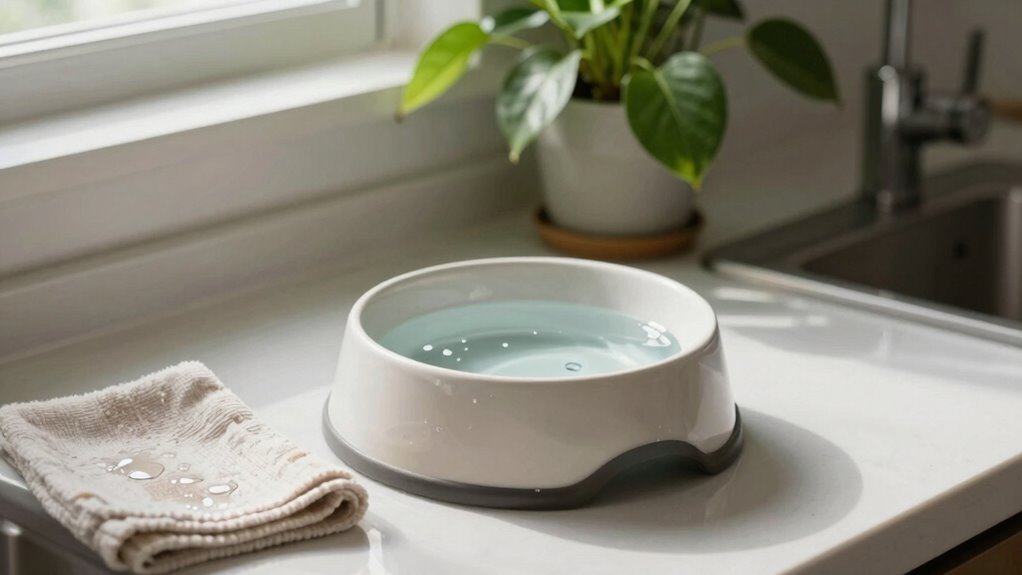

During outages or when tap pressure drops, focus on regularly refilling and cleaning your pet’s water bowls with fresh water to prevent stagnation and bacteria growth. Use large, easy-to-clean containers and check them often to make certain your pet always has access to clean water. Consider backup solutions like bottled water or gravity-fed systems. Keeping everything sanitized is key—continue with these tips to learn more about maintaining water quality during low-pressure situations.
Key Takeaways
- Regularly check and refill pet bowls to prevent stagnation and ensure fresh water during tap pressure drops.
- Clean bowls thoroughly weekly with vinegar or soap to eliminate bacteria, mold, and mineral deposits.
- Use durable, leak-proof containers and bowls that are easy to disassemble and sanitize to maintain water quality.
- Store backup bottled water nearby for quick refills during outages or low tap pressure periods.
- Disassemble and clean water system components, including filters and pumps, to prevent buildup and ensure continuous flow.

APC UPS 600VA / 330W UPS Battery Backup & Surge Protector, 7 Outlets (NEMA 5-15R), USB Charging Port, BE600M1 Uninterruptible Power Supply for Computers, Wi-Fi Routers, and Home Office Electronics
KEEP YOUR COMPUTER, WI-FI AND ROUTER RUNNING THROUGH POWER OUTAGES: Supplies short‑term battery power during outages to maintain...
As an affiliate, we earn on qualifying purchases.
Understanding How Tap Pressure Affects Your Pet’s Water Supply
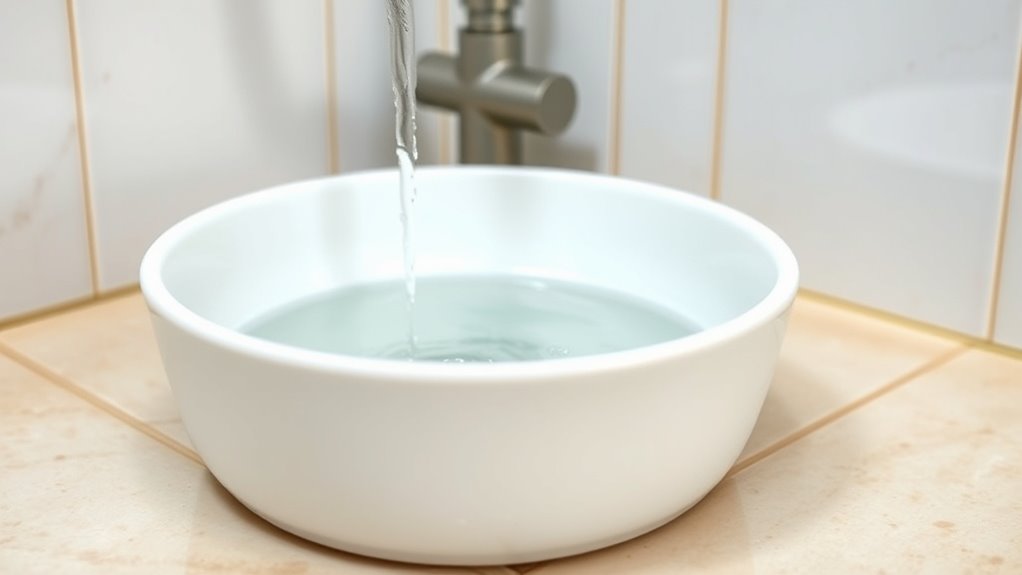
Tap pressure directly influences your pet’s water supply, especially for systems connected to your household plumbing. When pressure drops, water flow slows, making it harder for automatic and gravity-fed systems to refill bowls properly. Low pressure can cause incomplete filling or air pockets that disrupt water circulation, leading to stagnant or unclean water. In some cases, insufficient pressure may stop pumps from functioning altogether, leaving your pet without fresh water. It’s essential to monitor tap pressure regularly, especially during outages or plumbing issues. If you notice inconsistent flow or reduced water supply, consider installing pressure regulators or upgrading your plumbing system. Proper tap pressure ensures your pet always has access to clean, fresh water, even during times of household disruptions. Maintaining consistent water flow is crucial for safeguarding your pet’s health and hydration needs, especially since plumbing system performance can be affected during outages.

GOLDENMATE 1000VA/800W Lithium UPS Battery Backup and Surge Protector, Backup Battery Power Supply with LiFePO4 Batteries(230.4 Wh), Sinewave UPS System, 10 Years Lifespan, 8 Outlets, LCD Display
[LiFePO4 Battery, Ultra-long Endurance]: This lithium UPS is equipped with a state-of-the-art Lithium Iron Phosphate Battery Pack, delivering...
As an affiliate, we earn on qualifying purchases.
Choosing the Right Water Container During Outages
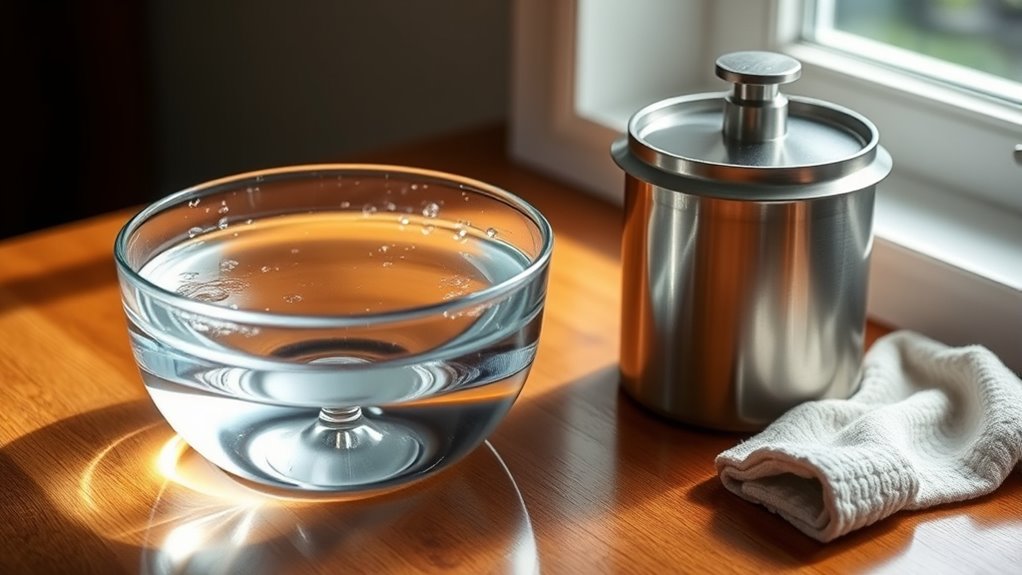
During outages, choosing the right water container is essential to guarantee your pet stays hydrated. You want a durable, leak-proof container that can hold enough water for several hours or even days if needed. Consider using a sturdy plastic or stainless steel bowl, as these materials are easy to clean and won’t break easily. If you have multiple pets, opt for larger containers to ensure everyone has enough water. For longer outages, a water reservoir with a secure lid prevents spills and contamination. Gravity-fed waterers or large-capacity bowls are good options because they don’t rely on electricity. Always select a container that’s simple to refill and clean, reducing the risk of bacteria buildup and making maintenance straightforward during stressful situations. Additionally, understanding contrast ratio can help you select containers with surfaces that minimize glare and enhance visibility, making it easier to monitor water levels in various lighting conditions. Proper material selection also plays a crucial role in ensuring your pet’s water stays fresh and uncontaminated over time. Using insulating features can help maintain water temperature, especially during extreme weather conditions. Incorporating connected technology such as smart water level monitors can further help you maintain optimal hydration and spot issues early. Being aware of pet hydration needs ensures you’re prepared to keep your furry friends comfortable during any disruption.

Jackery Portable Power Station Explorer 300, 293Wh Backup Lithium Battery, Solar Generator for Outdoors Camping Travel Hunting Blackout (Solar Panel Optional)
SPEED UP YOUR RECHARGEABILITY: It takes only 2 hours to recharge 80% battery of the power station through...
As an affiliate, we earn on qualifying purchases.
Tips for Maintaining Cleanliness in Pet Water Bowls Without Power
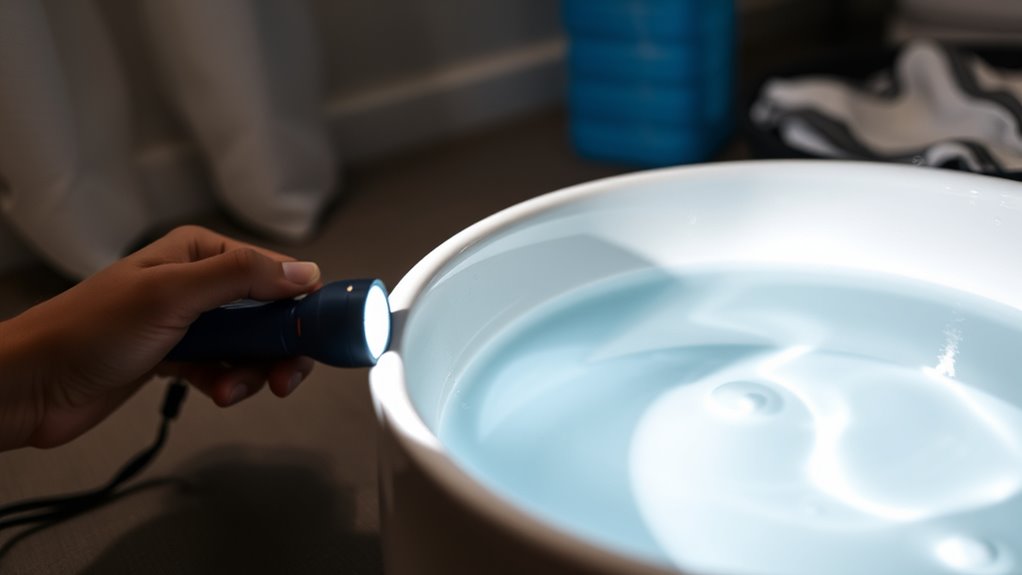
Keeping your pet’s water clean becomes even more important when power outages make automatic systems unavailable. Without filters or pumps, stagnant water can quickly become contaminated. To prevent this, check and refill bowls daily, especially in hot weather. Use a scrub brush or sponge to clean the bowl thoroughly, removing any debris, hair, or mineral deposits. Rinse with warm water and dry completely before refilling to prevent bacterial growth. For gravity waterers, detach the bottle and scrub all parts regularly to avoid buildup. If you notice any lingering odors or sliminess, clean more frequently. Regular sanitation techniques and proper cleaning methods can also help prevent mold and bacteria growth in pet water areas. Maintaining hygienic water sources and regular cleaning are essential to keep your pet safe and healthy during power outages. Regular cleaning and good airflow are key to maintaining a safe drinking environment for your pet during power outages, especially when manual cleaning methods are necessary.

APC UPS Back-UPS Pro 1500VA Sinewave UPS, 900W Battery Backup & Surge Protector, AVR, 10 Outlets, LCD, USB-C & USB-A Charging Ports, BR1500MS2 Uninterruptible Power Supply for Computers, Electronics
1500VA / 900W RELIABLE BACKUP POWER: The highest VA capacity available for home use; delivers short‑term battery power...
As an affiliate, we earn on qualifying purchases.
Managing Water Quality in Gravity and Non-Electric Waterers
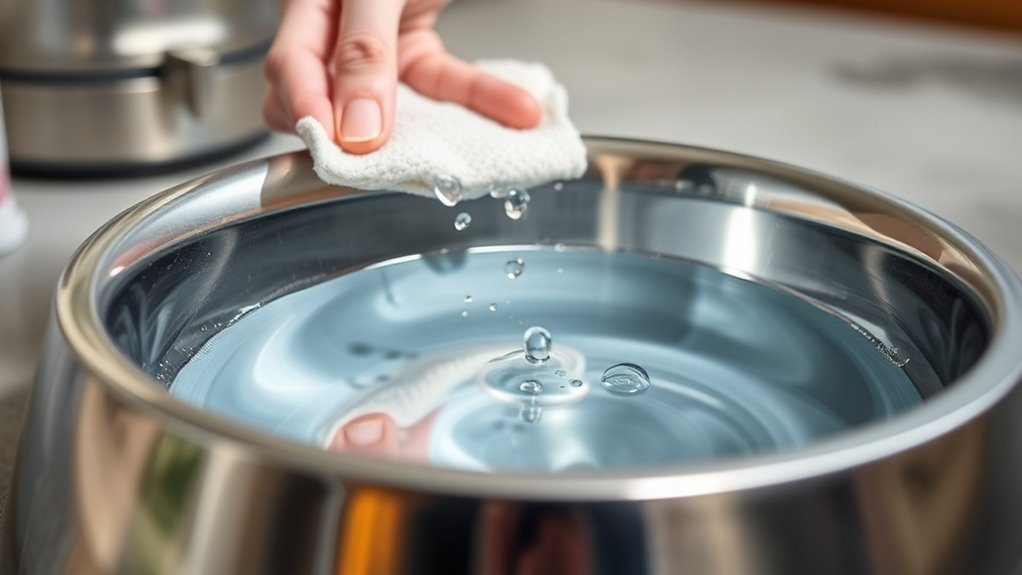
Keeping your pet’s water clean in gravity and non-electric waterers requires regular attention to cleaning and water replacement. You should routinely scrub and refill these systems to prevent debris buildup and guarantee fresh water is available. Proper maintenance helps prevent bacteria growth and keeps your pet healthy. By focusing on these practices, you help maintain water quality during outages and keep your pet healthy. Incorporating smart appliances can further automate these tasks, ensuring consistent water quality even when you’re away. Additionally, automated monitoring systems can alert you to water quality issues or low levels, providing peace of mind and reducing the need for manual checks. Understanding the role of wave and wind in outdoor water systems can also assist in optimizing water flow and preventing stagnation during outages, which is especially important in outdoor waterers exposed to the elements.
Cleaning Gravity Waterers
Cleaning gravity waterers is essential to make certain your pet always has access to fresh, safe water. Regular cleaning prevents debris, algae, and bacteria buildup that can harm your pet. To clean, detach the bottle from the base, empty any remaining water, and scrub all parts with warm soapy water. Rinse thoroughly to remove soap residue. For deeper sanitation, disassemble components and soak in a vinegar solution. Keep an eye on these key factors:
| Component | Cleaning Frequency | Purpose |
|---|---|---|
| Bottle | Weekly | Prevent algae and mineral deposits |
| Base and bowl | Every few days or weekly | Remove debris and bacteria |
| Filter/Nozzle | As needed | Ensure proper water flow |
Consistent cleaning ensures your pet’s water remains fresh and safe, especially during outages. Regular maintenance of water quality is crucial for your pet’s health and well-being.
Water Replacement Strategies
Effective water replacement strategies are essential to maintain pet water quality in gravity and non-electric waterers. Regularly check water levels and refill with fresh, clean water to prevent stagnation and bacterial growth. For gravity systems, empty the bottle and base periodically, scrubbing all components to remove mineral deposits and pet hair. Always rinse thoroughly to eliminate soap residues before refilling. In non-electric bowls, change the water at least once daily, more often in hot weather. Keep removable parts clean and free of debris, ensuring no blockages form. If your system has a shut-off valve, use it during pressure drops or outages to avoid overflow. Proper water chemistry and system maintenance are vital for preventing contamination. Consistent replacement and cleaning prevent contamination, keeping your pet’s water fresh and safe during outages or low-pressure periods. Additionally, inspecting system components regularly helps identify potential issues before they compromise water quality. Maintaining a clean and well-functioning system minimizes the risk of bacterial growth, ensuring your pet always has access to safe drinking water. Regularly monitoring water quality and cleanliness also supports overall pet health and safety.
Ensuring Water Freshness
To guarantee your pet’s water remains fresh and safe, regularly monitor and top off gravity and non-electric waterers, especially during hot weather. Check water levels daily, refilling before they run low to prevent stagnation. Clean removable parts, like bowls and bottles, at least weekly—scrubbing away debris, mineral deposits, or mold. For gravity systems, detach the bottle, empty old water, and wash all components thoroughly with warm, soapy water. Rinse well to remove soap residues that can harm your pet. Ensure the water is free of hair, dirt, and buildup. Keeping water fresh minimizes bacteria growth and prevents foul odors, encouraging your pet to stay hydrated and healthy during outages or periods of low tap pressure.
Backup Solutions for Ensuring Fresh Water Access During Power Failures
During power outages, ensuring your pet has access to fresh water requires reliable backup solutions. You can use hand-pumped or gravity-fed systems that don’t rely on electricity, such as water bottles with spill-proof valves or large, leak-proof bowls filled in advance. These solutions keep water accessible without power, reducing the risk of stagnation. Consider storing extra bottled water nearby for quick refills during outages. To help you decide, here’s a quick comparison:
| Solution | Pros | Cons |
|---|---|---|
| Gravity Waterers | No electricity needed, easy refill | Limited capacity, cleaning needed |
| Bottled Water | Portable, long shelf life | Waste production, storage space |
| Manual Pumps | Continuous supply without power | Requires manual effort |
| Large Bowls | Simple, inexpensive | Frequent refilling necessary |
Additionally, selecting durable materials for water containers can help prevent leaks and contamination over time. Using reliable backup options can further ensure your pet’s water supply remains consistent during extended outages.
Regular Maintenance and Troubleshooting for Pet Water Systems
Keeping your pet’s water system in good shape is essential for their health and comfort. Regularly cleaning bowls, filters, and pumps prevents buildup that can cause malfunctions or contaminate the water. If issues arise, troubleshooting common pump problems and maintaining water quality guarantees your pet always has access to fresh, clean water.
Routine Cleaning Practices
Regular maintenance is essential to keep your pet’s water system functioning properly and to prevent health issues. You should clean bowls and filters regularly, removing debris, hair, and mineral deposits. For standard bowls, rinse with warm soapy water, scrub thoroughly, and dry before refilling. Gravity waterers require bottle removal, disposal of old water, and scrubbing of all parts. Check and clean filters weekly or when clogged. Disassemble pumps periodically to clear pet hair and buildup, ensuring no soap residue remains. Consistent cleaning prevents bacteria, blockages, and pump failures. Use the table below for quick reference:
| Task | Frequency |
|---|---|
| Clean pet water bowls | Every few days or weekly |
| Check and clean filters | Weekly |
| Disassemble pump for gunk | Monthly |
| Replace filters | Every 2-3 months |
Troubleshooting Pump Malfunctions
Pump malfunctions can disrupt your pet’s access to clean water, but most issues are fixable with straightforward troubleshooting. First, check the power supply—try a different outlet or reset any tripped circuit breakers. Ensure the water level is above the minimum required for proper pump operation. Unplug the system, then disassemble the pump to remove any debris, pet hair, or mineral buildup. Clean all parts thoroughly with water and a soft brush. Inspect the cord for damage or fraying. Reassemble the pump, making sure all components fit securely. If the pump still doesn’t work, test the electrical connection or replace the unit if needed. Regular maintenance prevents clogs and build-up that can cause pump failures.
Maintaining Water Quality
To guarantee your pet’s water remains clean and safe, it’s essential to perform regular maintenance and troubleshoot issues promptly. Frequently clean your pet’s water bowls every few days or at least once a week to prevent debris, hair, and mineral buildup. Rinse bowls with warm, soapy water, scrub thoroughly, and dry before refilling. For gravity waterers, detach the bottle, empty old water, and clean all components. Check filters regularly and replace them if clogged to ensure proper flow. Keep an eye on water levels, especially during power outages or low tap pressure, to prevent stagnation. Disassemble pumps periodically to remove pet hair and mineral deposits, ensuring smooth operation. Consistent maintenance minimizes bacteria growth and keeps your pet’s water fresh and safe.
Frequently Asked Questions
How Often Should I Replace Filters in Automatic Pet Water Systems During Outages?
You should replace filters in your automatic pet water system every 2 to 4 months during outages, or sooner if they appear clogged or dirty. Regularly check the filters for debris or mineral buildup, and replace them as needed to maintain water quality and proper filtration. This guarantees your pet always has access to clean, fresh water, even when power or tap pressure is inconsistent.
Can I Use Bottled Water as a Backup During Tap Pressure Drops?
Yes, you can use bottled water as a backup during tap pressure drops. Fill your pet’s water bowls with bottled water to guarantee they stay hydrated. Just make sure to change it regularly to prevent bacteria buildup and keep the bowls clean. Using bottled water is a convenient solution, especially if your tap water becomes contaminated or is unavailable temporarily, helping maintain your pet’s health and hydration needs.
What Signs Indicate My Pet’s Water Bowl Needs Immediate Cleaning?
You’ll want to clean your pet’s water bowl immediately if you notice any foul odor, slimy residue, or visible debris. If the water looks cloudy, has a strange taste, or if your pet avoids drinking from it, it’s time for a thorough wash. Regular cleaning prevents bacteria buildup and keeps your pet hydrated and healthy, especially during tap pressure issues or hot weather.
Are There Safe Disinfectants for Cleaning Pet Water Bowls Without Electricity?
Think of your pet’s water bowl as a mirror reflecting health—only safe disinfectants can keep it clear. You can use diluted white vinegar or hydrogen peroxide (3%) to disinfect securely. Just scrub the bowl thoroughly, then rinse well to remove any residue. Avoid harsh chemicals or bleach, which can harm your pet. Regular cleaning with these gentle solutions ensures your pet stays hydrated and healthy, even without electricity.
How Do I Prevent Mineral Buildup in Gravity Waterers Over Time?
To prevent mineral buildup in gravity waterers, you should clean them regularly, ideally weekly, using a mixture of warm water and vinegar. Scrub all parts thoroughly to remove deposits, especially around the spout and inside the bottle. Rinse completely to eliminate vinegar smell before refilling. Also, consider using filtered or softened water, which reduces mineral content and slows down buildup, keeping your pet’s water cleaner longer.
Conclusion
Keep your pet’s water fresh and inviting, even when tap pressure drops. Think of your pet’s bowl as a tiny oasis—you’re the guardian ensuring it stays clean and inviting. Regular maintenance is your secret weapon, like a steady hand guiding a ship through choppy waters. With backup solutions in place, you’ll weather any outage smoothly. Remember, a well-kept water source is the lifeline that keeps your furry friend happy and healthy, rain or shine.